Affiliate Note: Some links may be affiliate links. We may earn a small commission at no extra cost to you, and we only share recommendations we believe are useful.
Choosing Your Perfect Beautiful Getaway in Europe
Europe offers an unusual concentration of beautiful landscapes and historic cities: Mediterranean cliffs, alpine lakes, volcanic islands, medieval streets, northern fjords, and mountain valleys can all fit into one continent-sized itinerary. That variety makes choosing the best places to travel in Europe for beautiful getaways less about finding one universally perfect destination and more about matching a place to the trip you want.
These 14 beautiful places in Europe cover romantic coastal escapes, hiking destinations, scenic road trips, compact city breaks, and slower countryside stays. Each offers a different kind of scenery, so the right choice depends on whether you would rather wake beside the sea, walk through mountains, explore historic streets, or spend several days surrounded by nature.
Table of Contents
1. Santorini, Greece: Whitewashed Villages and Aegean Sunsets
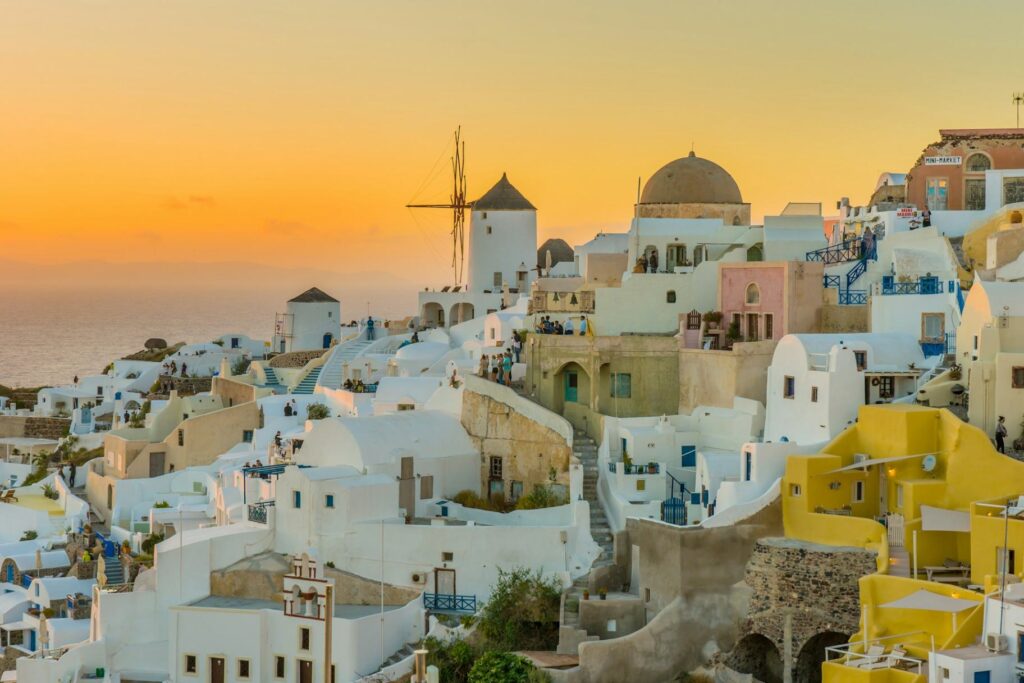
Santorini is defined by its caldera: white villages rise above dark volcanic cliffs while the Aegean stretches below. Blue-domed churches, narrow lanes, terraces, and steep sea views create the scenery associated with the Greek islands, but the island's volcanic scale is difficult to appreciate fully until you see it in person.
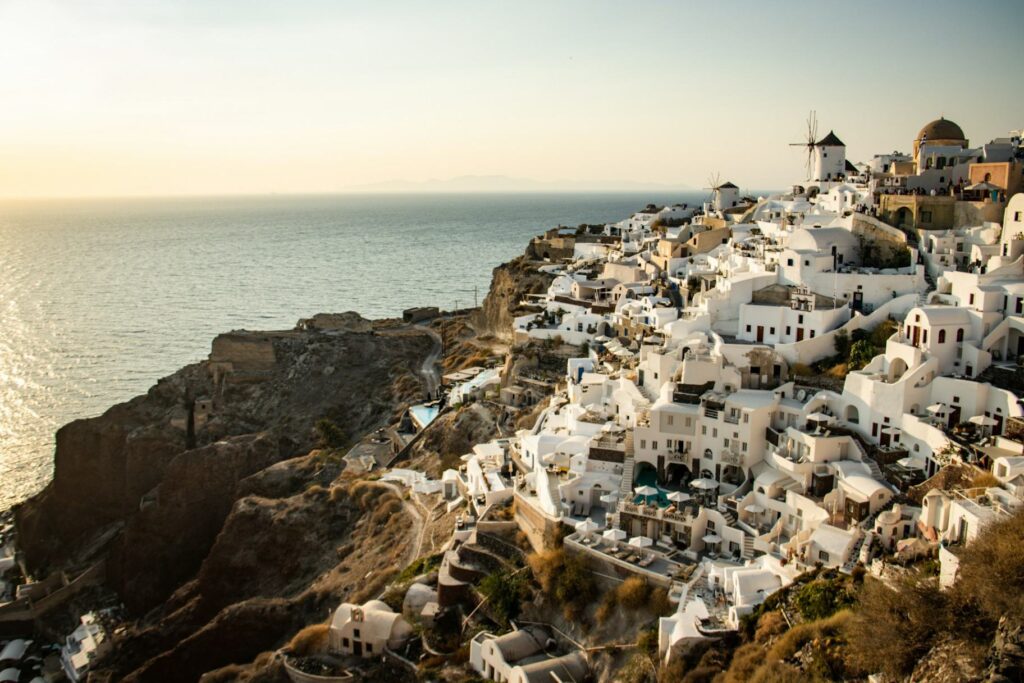
Oia attracts the largest sunset crowds, while Fira combines caldera views with restaurants and shops. Imerovigli is quieter and particularly well positioned for elevated views. The ridge walk between Fira and Oia is one of the best ways to see the landscape away from individual photo stops, especially earlier in the morning or later in the day.
Santorini also has black and red volcanic beaches, distinctive vineyards, and the archaeological site of Akrotiri. Those places help balance the better-known terraces and viewpoints.
The island suits couples and travelers who prefer a slower trip. Instead of rushing between famous overlooks, leave time for long meals, coastal walks, and evenings watching the light change across the caldera.
2. Amalfi Coast, Italy: Cliffside Villages Above the Mediterranean
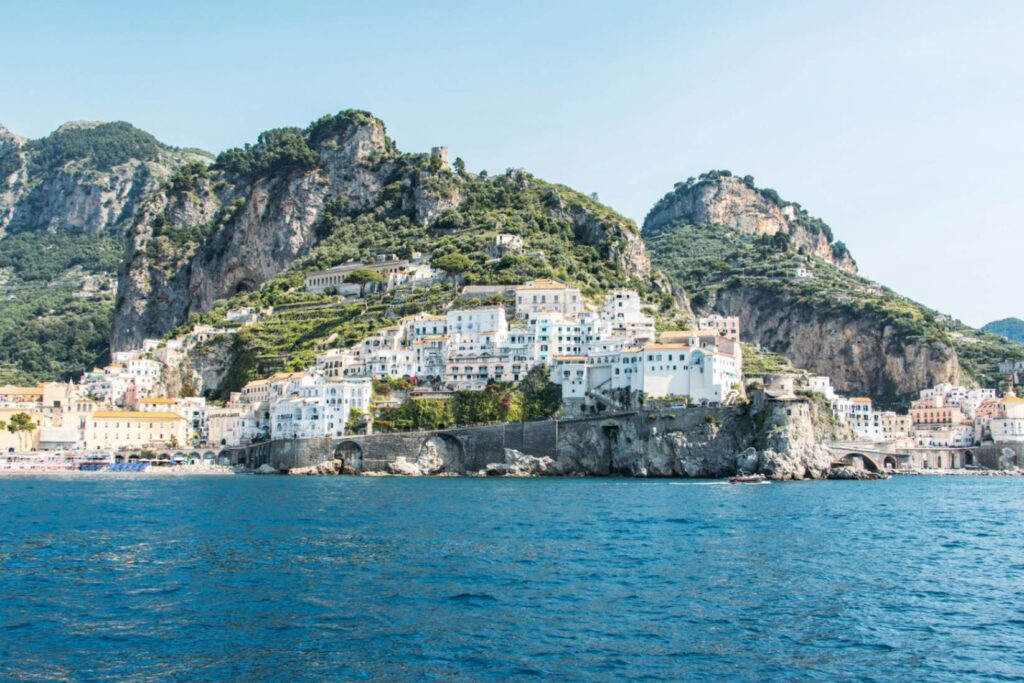
The Amalfi Coast compresses pastel villages, lemon groves, mountain slopes, beaches, and the Tyrrhenian Sea into a narrow strip of southern Italy. Positano, Amalfi, and Ravello offer different perspectives on the same dramatic coastline.
Positano is the most recognizable, with houses climbing steeply above the beach. The upper lanes are generally quieter and provide wide views over the village. Amalfi has a busier historic center centered around its cathedral, while Ravello sits above the coast and is known for gardens and panoramic terraces.
Active travelers can consider the Path of the Gods, which runs high above the sea through mountain terrain. Boat journeys are another useful way to understand the coast because the vertical scale of the villages is especially clear from the water.
Peak summer brings heavy traffic and crowds to the narrow coastal roads. Late spring and early autumn can provide a better balance of warm weather and easier sightseeing. However you travel, avoid trying to cover every town in one day. The coastline is better enjoyed at a slower pace.
3. Hallstatt, Austria: An Alpine Lakeside Escape
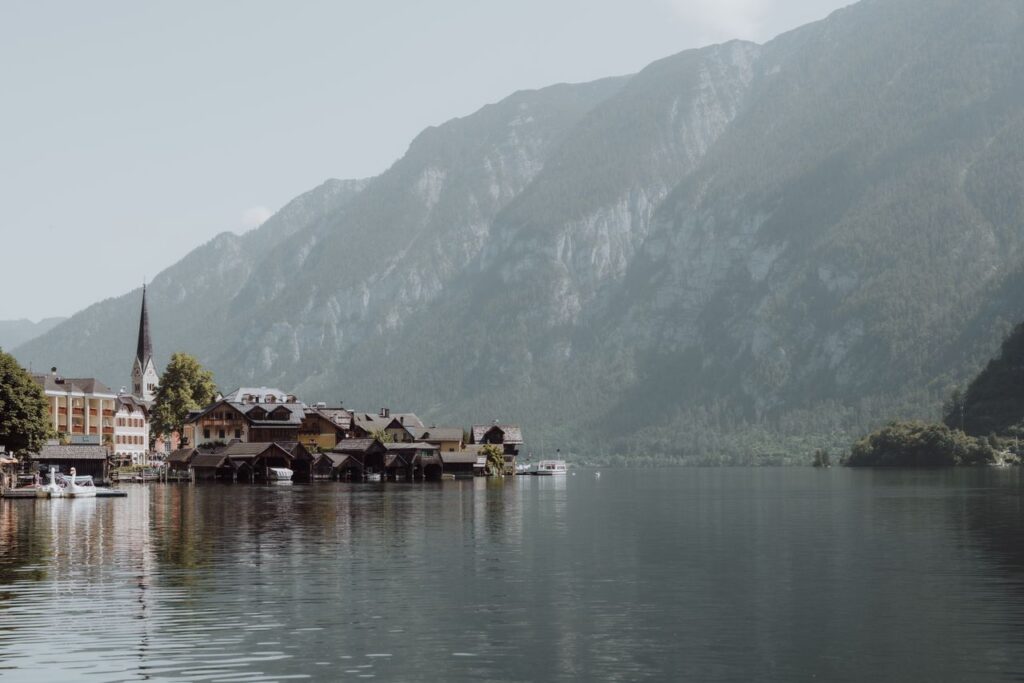
Hallstatt sits between a steep mountain slope and a lake in Austria's Salzkammergut region. Traditional houses line the waterfront beneath a church spire, with alpine peaks surrounding the village. Calm mornings can produce near-perfect reflections across the lake.
The center is small enough to explore on foot, so Hallstatt works best as a place for unhurried walks rather than a packed itinerary. Waterfront paths and viewpoints reveal different angles over the lake, while the area's long history is closely connected with salt mining.
The surrounding Salzkammergut is worth exploring as well. Lakes, hiking routes, cable-car viewpoints, and mountain communities make Hallstatt a useful base or stop on a wider Austrian trip.
Because many visitors arrive only for the day, staying overnight can change the experience. Mornings and evenings are generally quieter, leaving more room to appreciate the lake and mountain setting without moving through the village at peak sightseeing hours.
4. Madeira, Portugal: Dramatic Mountains and Ocean Views
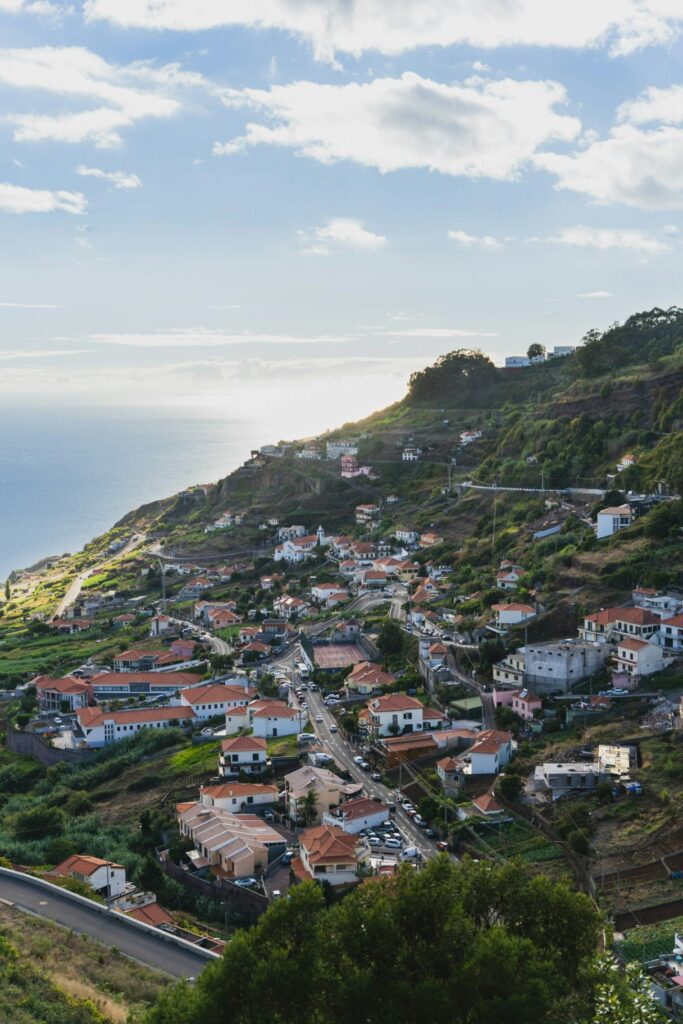
Madeira combines sharp volcanic peaks, subtropical vegetation, waterfalls, deep valleys, and Atlantic coastline within a relatively compact island. The scenery changes quickly, making it especially attractive for travelers who enjoy hiking and scenic drives.
Funchal provides a practical base with restaurants, markets, gardens, and historic streets. Inland, roads climb toward higher landscapes around Pico do Arieiro, where clouds can settle below the mountain ridges on clear mornings.
Madeira's levadas, irrigation channels accompanied by walking paths, create an extensive network of hiking routes. Some pass through forests and tunnels, while others follow valleys and waterfalls. Conditions and closures can change, so trail access should be checked before setting out.
The island does not require a hiking-focused itinerary. Botanical gardens, coastal walks, cable cars, viewpoints, natural swimming areas, and seaside restaurants provide easier alternatives.
Madeira works particularly well for travelers who want active days without giving up comfortable evenings by the ocean. Its appeal is less about traditional sandy beaches and more about rugged, green landscapes meeting the Atlantic.
5. Lake Bled, Slovenia: A Storybook Island in the Alps
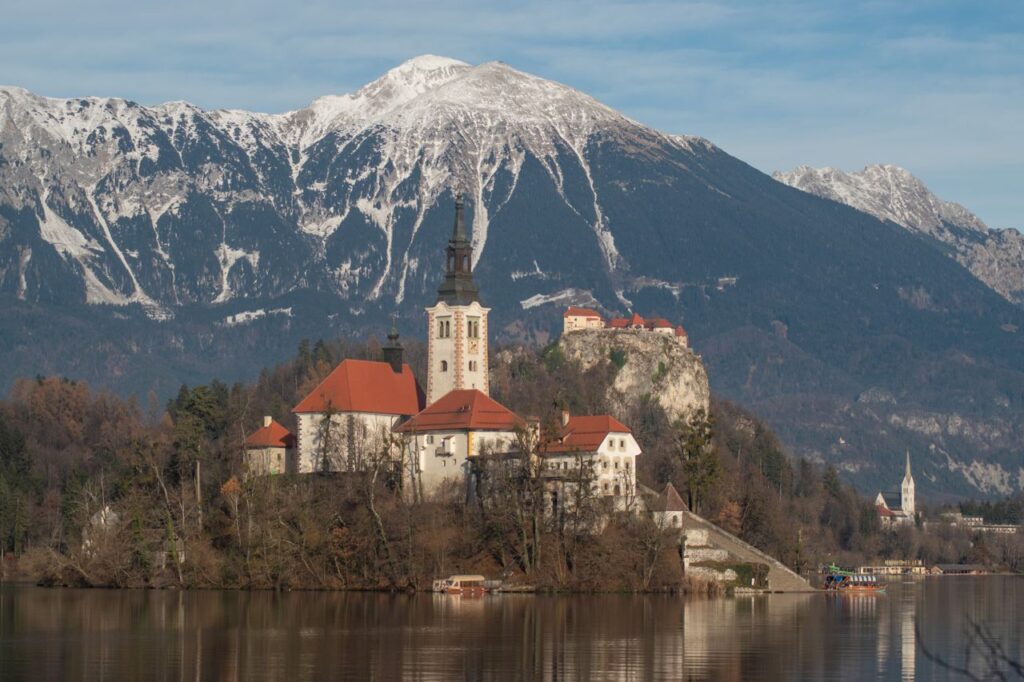
Lake Bled is one of Europe's most recognizable alpine scenes. A small church-topped island sits in green-blue water beneath the Julian Alps, while Bled Castle occupies a cliff above the shore.
A walking path circles the lake, making it easy to see the island and mountains from different perspectives. Traditional wooden boats take passengers to Bled Island, while rowboats offer another option for crossing the water.
For the classic panoramic view, trails climb to overlooks above the western side of the lake. Bled Castle provides another elevated perspective along with historical exhibits.
The destination also works well as part of a longer Slovenia itinerary. The Julian Alps, mountain valleys, waterfalls, and additional lakes are nearby, while Ljubljana is close enough to combine city sightseeing with alpine scenery.
Lake Bled can become busy during popular periods, but early mornings and overnight stays provide quieter conditions. The lake is compact enough for a short break yet well positioned for travelers who want to explore more of Slovenia's mountains.
6. Paris, France: Architecture, Culture, and Riverside Beauty
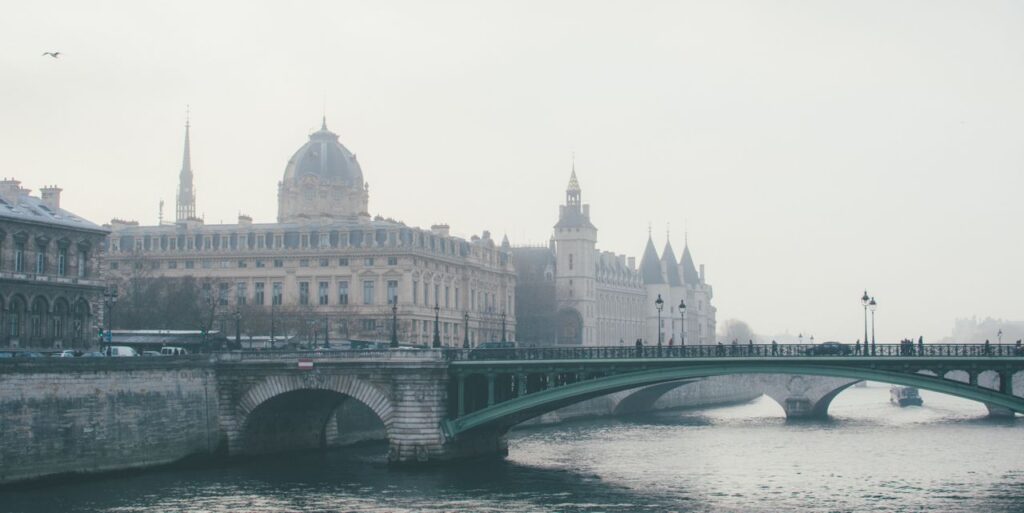
Paris shows that a beautiful European getaway does not need dramatic natural scenery. Much of the city's appeal comes from limestone architecture, broad boulevards, formal gardens, bridges, historic neighborhoods, and the Seine.
Famous landmarks provide obvious starting points. The Eiffel Tower, Notre-Dame, the Louvre, Arc de Triomphe, Palais Royal, and streets around the historic center create much of the city's monumental character. But Paris becomes more rewarding when sightseeing is mixed with ordinary walking.
Explore the Latin Quarter, browse streets around the Seine, visit Montmartre earlier in the day, or spend an afternoon in the Luxembourg Gardens. Small details such as bakeries, apartment facades, bookshops, courtyards, and café terraces often become as memorable as major monuments.
Avoid trying to fit every famous sight into one short stay. Choose a handful of priorities and leave gaps for neighborhoods, meals, gardens, and riverside walks. Paris works particularly well when the itinerary allows the city itself, rather than a checklist of attractions, to occupy part of the day.
7. Swiss Alps, Switzerland: Majestic Peaks and Peaceful Valleys
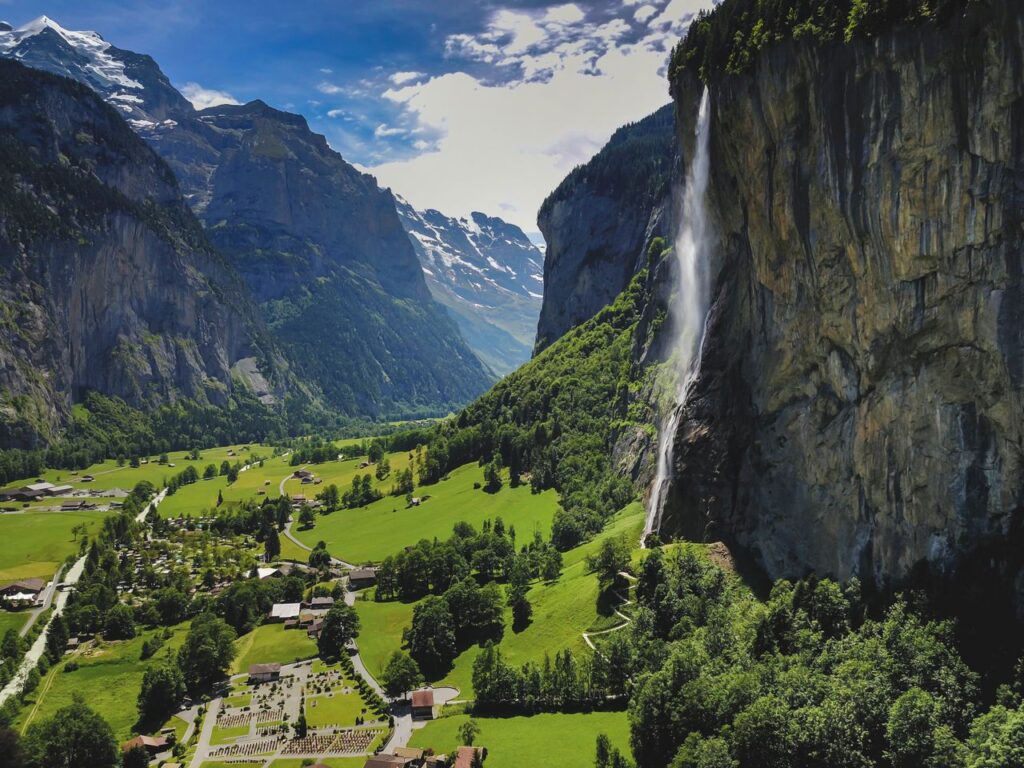
Snow-covered peaks, green valleys, waterfalls, mountain lakes, and wooden villages make the Swiss Alps one of Europe's most concentrated scenic regions.
The Jungfrau area provides an accessible introduction. Lauterbrunnen lies in a deep valley beneath cliffs and waterfalls, while Wengen offers a quieter mountain-village setting above it. Grindelwald is another useful base for hiking routes, cable cars, and high-altitude viewpoints.
Zermatt is closely associated with the Matterhorn, whose distinctive pyramid-shaped profile dominates many local trails and overlooks. Smaller villages elsewhere in the Alps can offer similar scenery with fewer visitors.
Switzerland's mountain transport is one of its advantages. Trains and cable cars allow people with different fitness levels to reach high viewpoints, while hikers can choose anything from gentle valley walks to demanding mountain routes.
Accommodation, transport, and restaurants can make Switzerland expensive, so advance budgeting helps. Fortunately, many of the region's strongest experiences involve simply walking beside lakes, through valleys, or along mountain trails once you arrive.
8. Dubrovnik, Croatia: Medieval Walls Beside the Adriatic
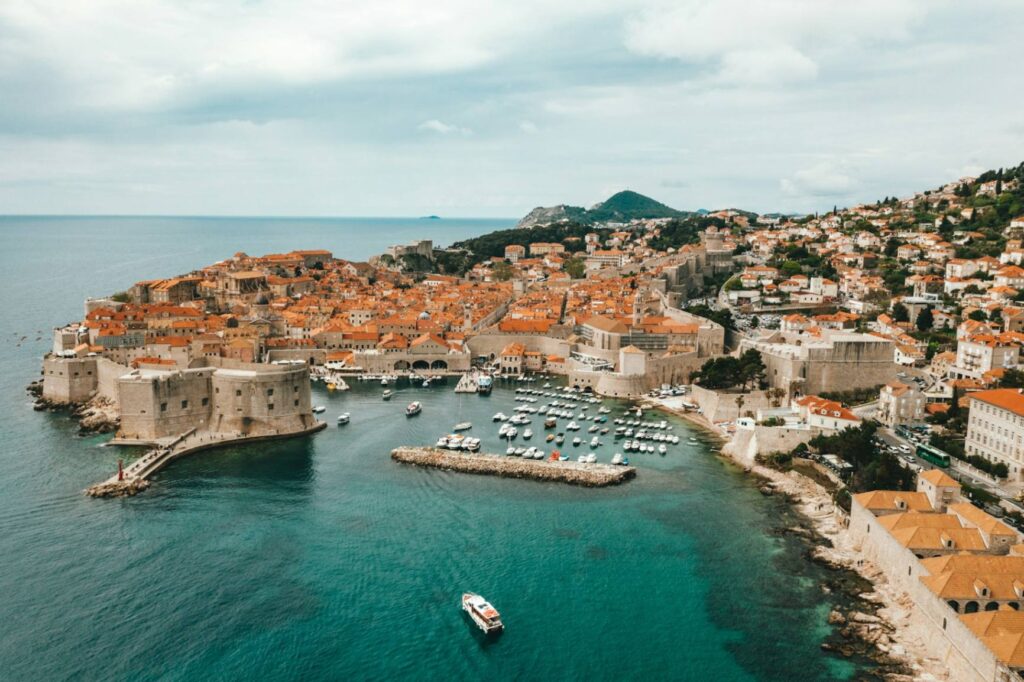
Dubrovnik pairs a fortified medieval center with the bright blue Adriatic. Pale limestone streets, terracotta rooftops, churches, courtyards, and stone walls create one of southern Europe's most distinctive cityscapes.
Walking the city walls provides the clearest overview. The route looks across rooftops, fortifications, coastline, and nearby islands, with softer light and more comfortable temperatures often found earlier or later in the day.
At street level, the atmosphere changes. Side lanes climb above the main thoroughfare toward quieter residential areas, revealing courtyards, staircases, small restaurants, and everyday life behind the monumental architecture.
The sea is an important part of the destination. Kayaking, swimming, boat trips, and island excursions show how dramatically the city's defenses rise from the coastline.
Peak periods can be crowded, particularly during busy cruise schedules. Staying overnight allows access to the historic center in quieter morning and evening hours. Dubrovnik is especially rewarding for travelers who want coastal scenery without giving up architecture and history.
9. Cinque Terre, Italy: Colorful Villages on the Ligurian Coast
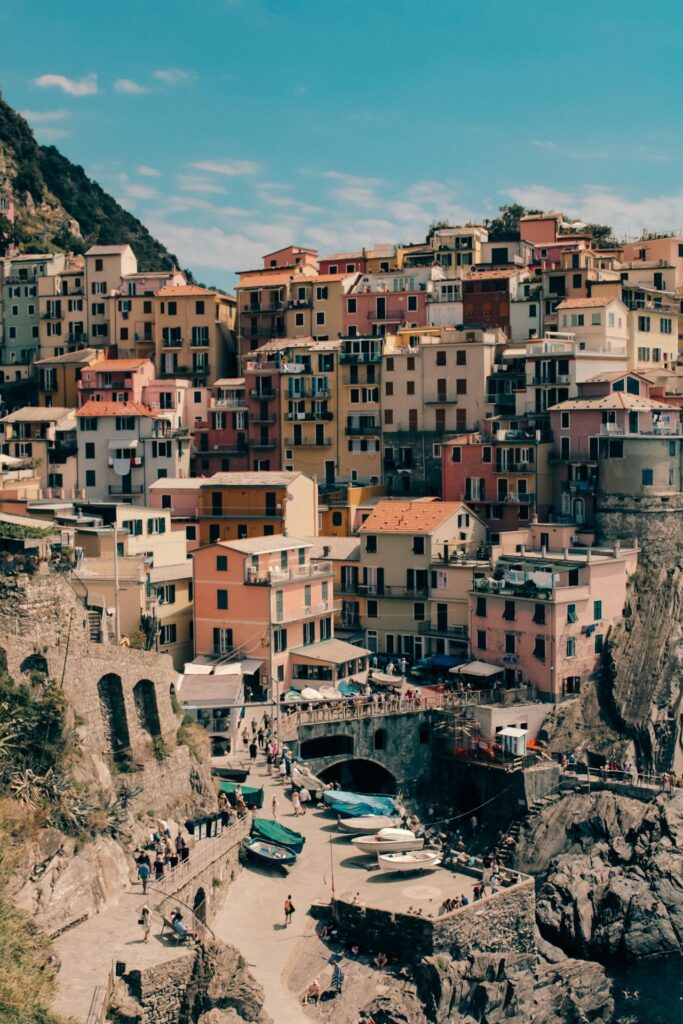
Cinque Terre consists of five villages built into the steep Ligurian coastline. Colorful houses rise above small harbors while vineyards and walking paths cover the surrounding slopes.
Monterosso al Mare has the largest beach and the strongest traditional seaside feel. Vernazza surrounds a small harbor, Corniglia sits above the water, and Manarola and Riomaggiore offer some of the region's most recognizable cliffside views.
Trains make it easy to move between the villages, but hiking provides a better sense of the terraced landscape and steep geography. Trail access can change because of weather or maintenance, so current conditions should be checked locally before walking.
Boats offer another useful perspective when sea conditions allow. From the water, the villages' relationship with the cliffs becomes much clearer.
Although all five can technically be visited quickly, Cinque Terre benefits from a slower schedule. Choose one village for lunch, stop for a swim, or stay overnight rather than treating every station as another item to complete. The scenery is most enjoyable when there is time to remain in each place.
10. Bruges, Belgium: Canals, Cobblestones, and Medieval Charm
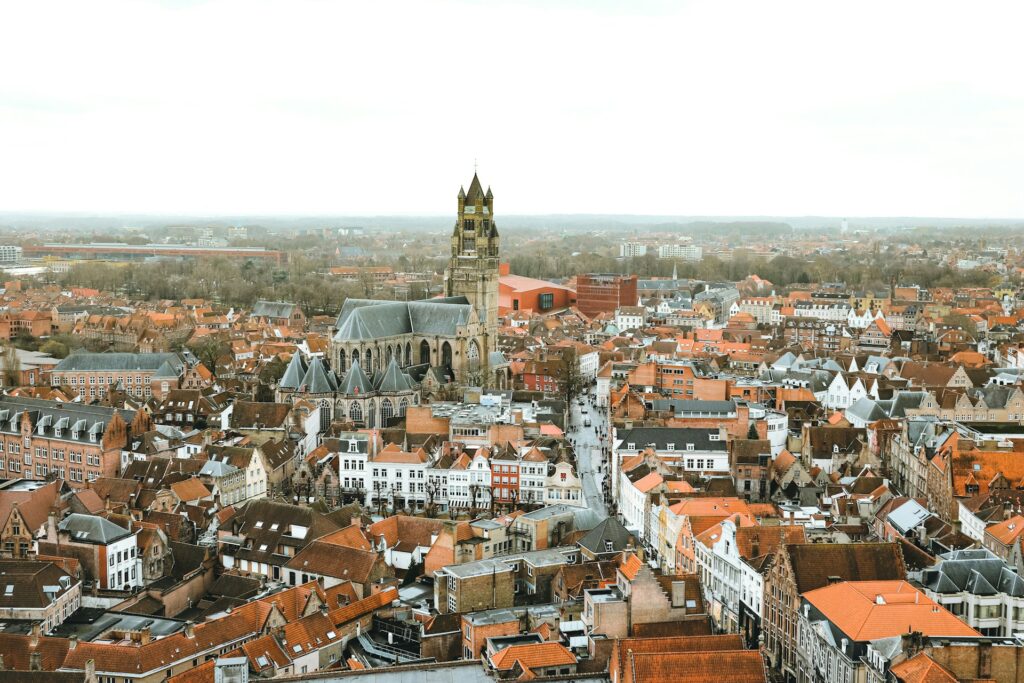
Bruges is compact, walkable, and unusually well preserved. Canals pass beneath stone bridges, stepped-gable houses surround squares, and medieval streets extend through a historic center that is easy to explore without much planning.
The Markt and its Belfry form the city's main focal point. Beyond the square, quieter canals and smaller streets often provide the most attractive views, particularly early in the morning when reflections are clearer and pedestrian traffic is lighter.
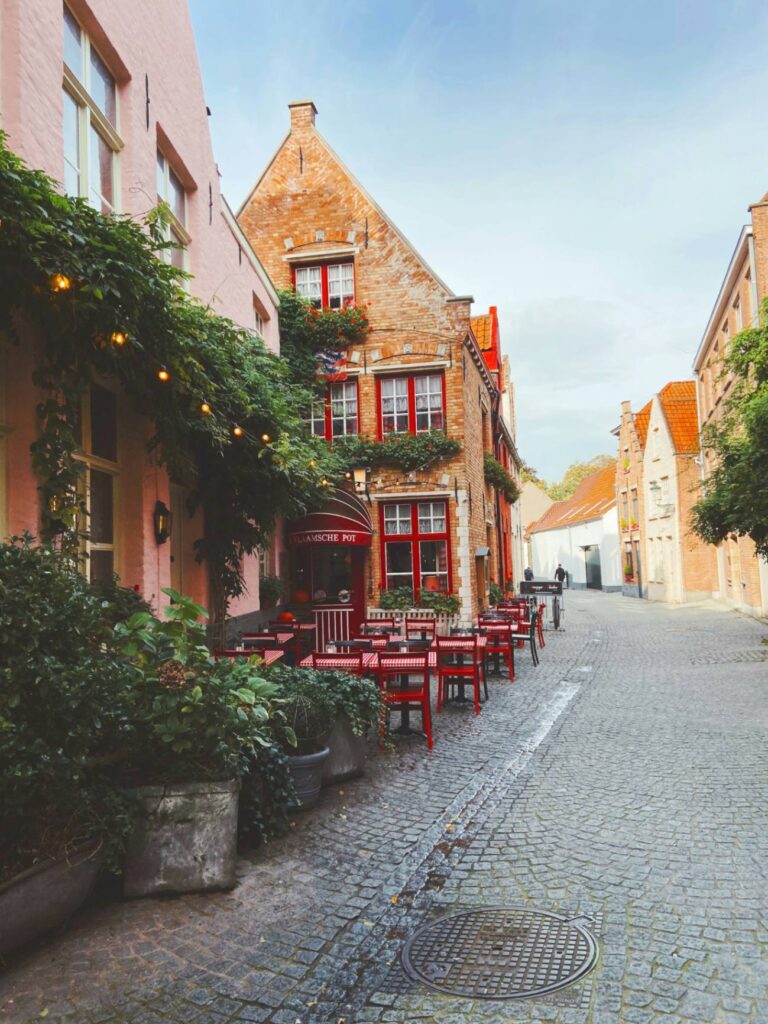
Canal boats reveal gardens, old facades, and low bridges that are difficult to see from the street. Bruges is also closely associated with Belgian beer, chocolate, waffles, and cafés, making indoor stops an easy part of a rainy-day itinerary.
Visitors who find the center overly polished should walk toward residential canals and the windmills beyond the busiest streets. These areas feel noticeably calmer.
Bruges works well for a weekend or as a short rail stop within a longer European trip. Its scale is part of the attraction: there is little need to spend the day crossing the city simply to reach the next sight.
11. Scottish Highlands, Scotland: Wild Landscapes and Quiet Roads
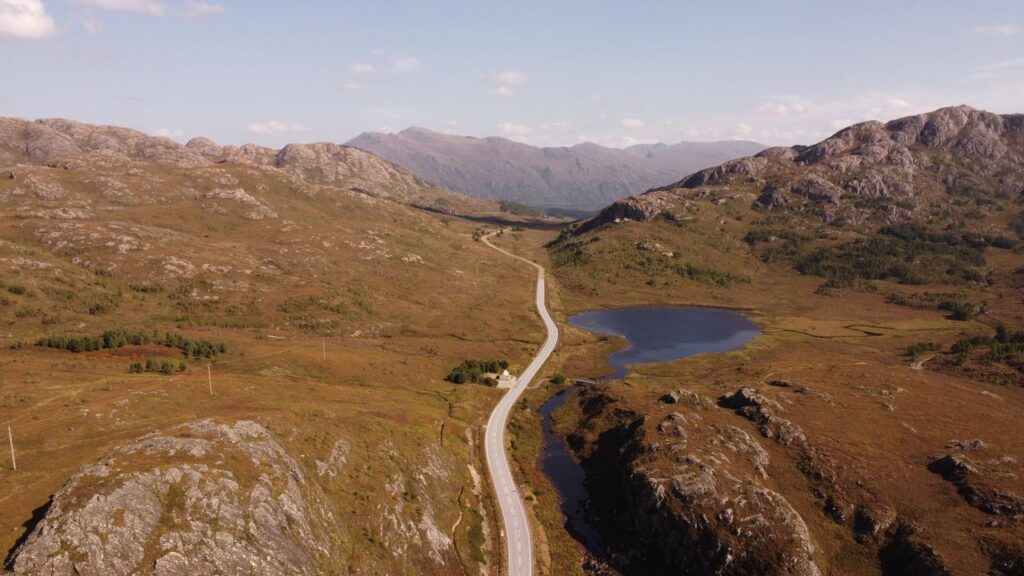
The Scottish Highlands trade Mediterranean brightness for broad glens, dark lochs, rugged mountains, coastal roads, and constantly shifting weather. The scenery can change within minutes as sunlight and cloud move across the hills.
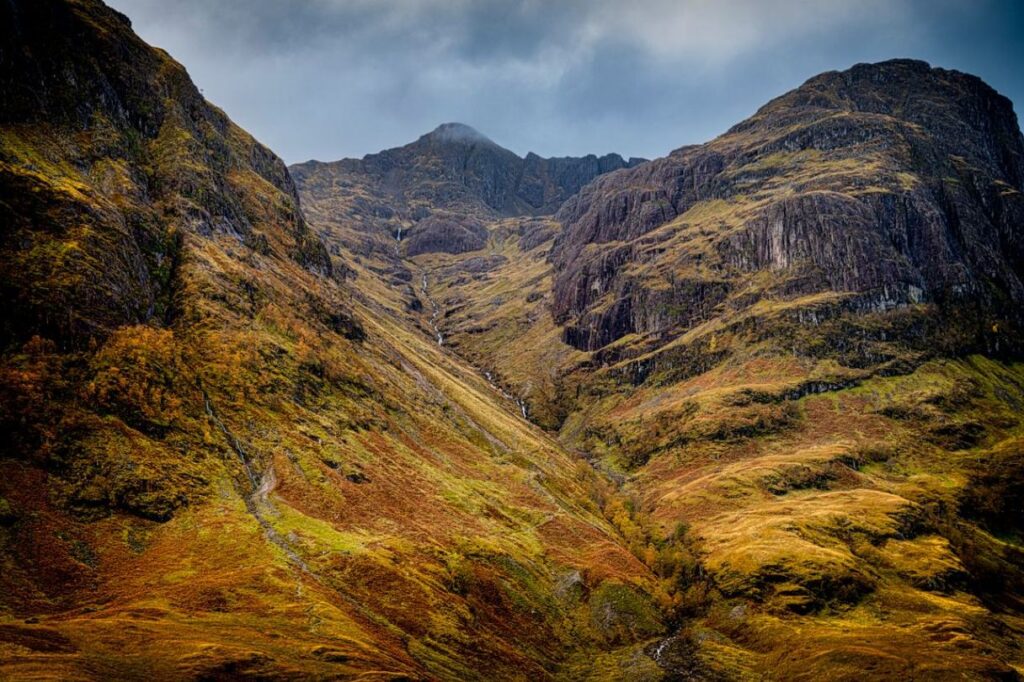
Glencoe is among the best-known areas, with steep mountains surrounding the valley and numerous walking routes nearby. Farther north, roads pass beaches, cliffs, small settlements, and large stretches of sparsely populated countryside. The Isle of Skye adds dramatic formations such as the Quiraing alongside sea cliffs and waterfalls.
Road trips suit the region because some of the most memorable stops are simply viewpoints discovered along the way. Distances can be deceptive, however. Narrow rural roads and frequent stops mean journeys often take longer than the map suggests.
Castles, battlefields, stone bridges, pubs, and small villages add historical and cultural stops between landscapes.
Unpredictable weather is part of traveling in the Highlands. Waterproof clothing and a flexible itinerary are more useful than trying to guarantee clear skies. For travelers who enjoy solitude, photography, hiking, and scenic driving, the region offers one of Europe's strongest contrasts to its better-known city and beach destinations.
12. Algarve, Portugal: Golden Cliffs and Hidden Beaches
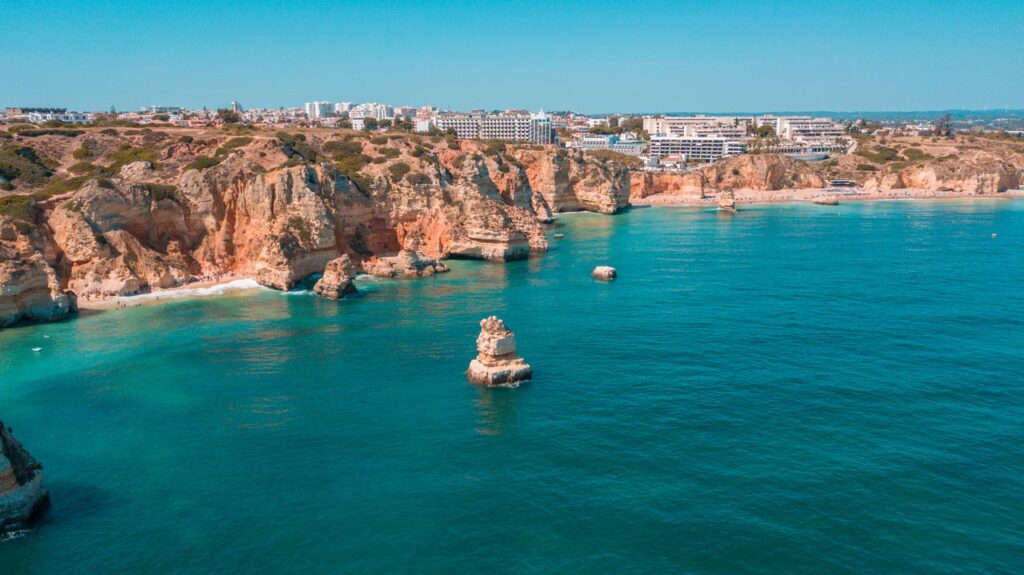
The Algarve is known for beaches, but its defining feature is the coastline itself. Golden limestone cliffs, arches, caves, headlands, and sheltered coves create far more variety than a conventional resort shoreline.
Lagos is a convenient base for combining a historic center with nearby beaches and coastal scenery. At Ponta da Piedade, walking paths overlook sea stacks and rock arches, while boat and kayak trips provide a different perspective when conditions are suitable.
The Algarve varies considerably from town to town. Some areas concentrate on resorts and nightlife; others retain quieter fishing communities, surf beaches, nature reserves, and undeveloped stretches of coast. Choosing the right base therefore matters more than simply deciding to visit the region.
Clifftop hiking has become another reason to travel here, but unstable edges require caution. Stay on marked paths and follow local restrictions.
The Algarve suits travelers who want sunshine and swimming without spending every day on the same beach. Coastal walks, seafood lunches, small towns, and sunset viewpoints make it easy to combine active mornings with slower afternoons.
13. Norwegian Fjords, Norway: Waterfalls, Mountains, and Epic Scenery
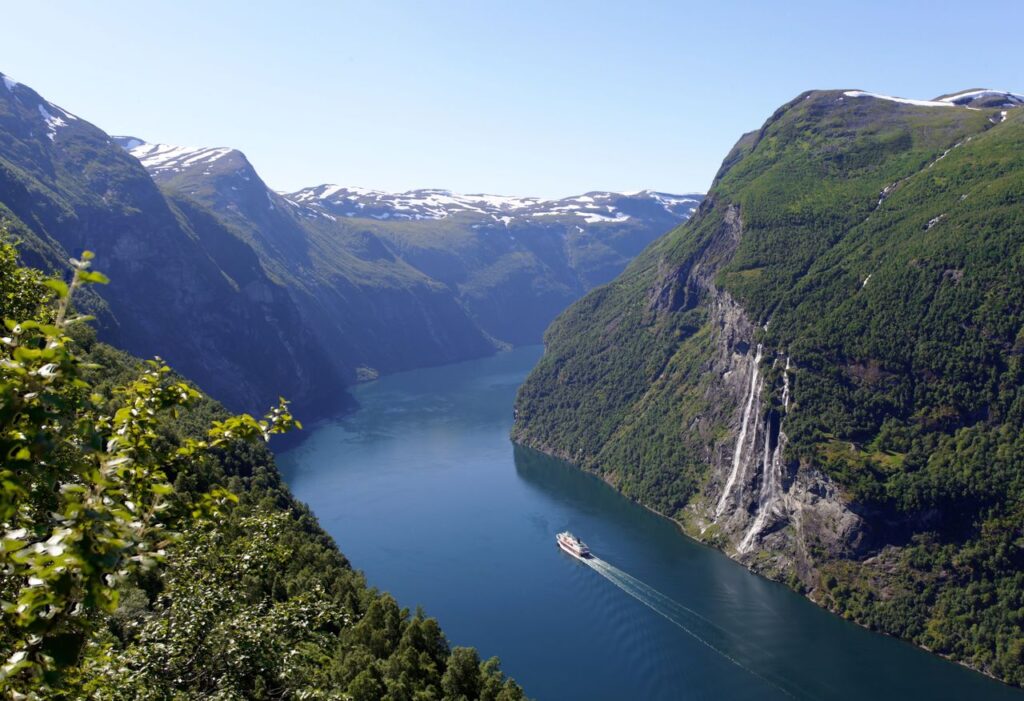
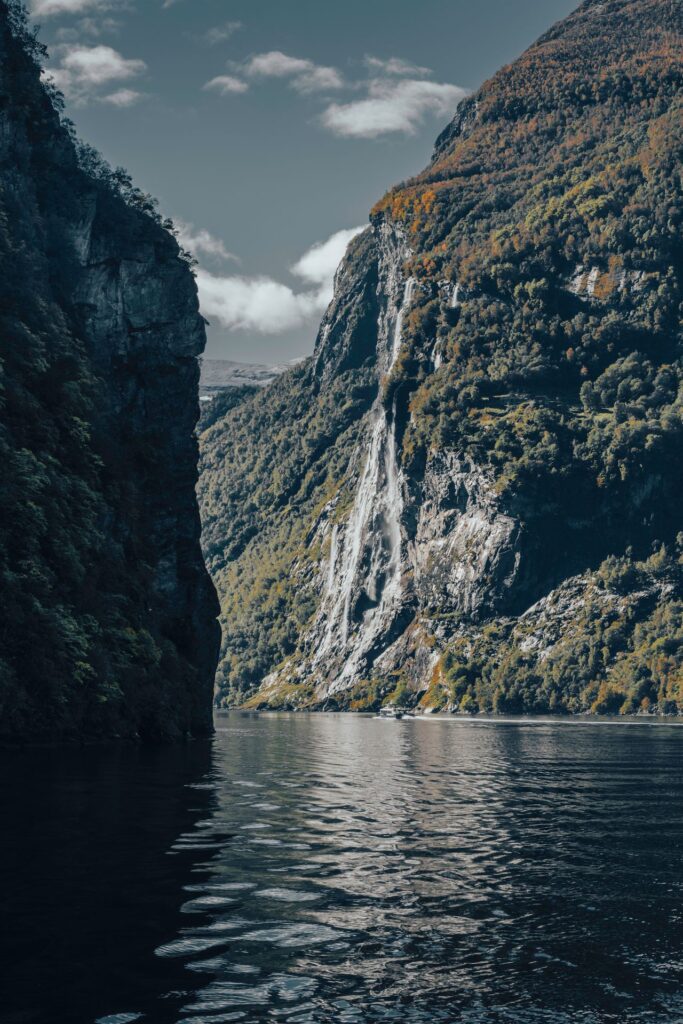
Norway's fjords are landscapes of scale. Mountains rise directly from deep waterways, waterfalls descend from high plateaus, and farms occupy narrow patches of land beneath enormous cliffs.
Geirangerfjord, Nærøyfjord, and Sognefjord are among the best-known areas. Cruises provide an easy way to move through the scenery at water level, while driving combines fjords with mountain roads, ferries, valleys, and elevated viewpoints. Scenic railway journeys can also become part of the experience.
Hiking opens access to higher perspectives, but mountain weather can change rapidly. Route difficulty, snow conditions, and local forecasts should be checked before setting out, even during the warmer months.
The quieter side of Norway is equally appealing. Away from major viewpoints, lakes, valleys, and smaller communities can provide long stretches with little noise beyond water and wind.
Norway is relatively expensive, so accommodation and food costs deserve advance planning. The landscape, however, remains the main reason to visit. Travelers drawn to waterfalls, hiking, road trips, and large-scale wilderness will find few comparable destinations elsewhere in Europe.
14. Prague, Czechia: Gothic Spires and Old-World Streets
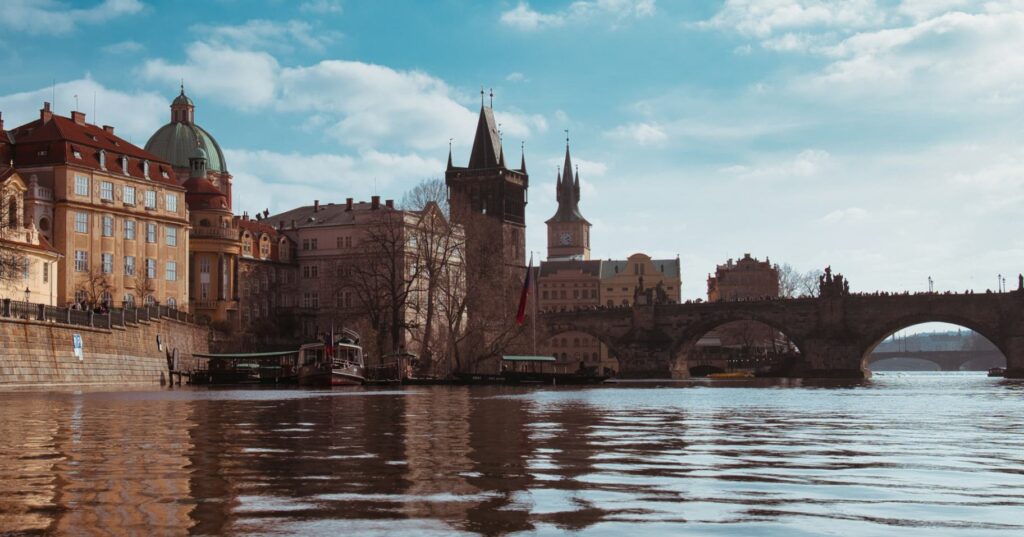
Prague combines Gothic towers, baroque facades, castle views, historic squares, and the Vltava River within a center that is easy to explore on foot.
Charles Bridge connects the Old Town with Malá Strana beneath Prague Castle. It is busiest during the day, while early mornings provide a quieter view of the statues, towers, and river. Old Town Square and the astronomical clock form another major sightseeing area.
The city becomes more interesting when you move beyond those landmarks. Walk through Malá Strana, climb toward Prague Castle, explore parks above the river, and follow side streets where neighborhood cafés and pubs replace souvenir shops.
Travelers who want more historical context while exploring independently can download a self-guided Prague audio tour from WeGoTrip, which offers routes through central landmarks without requiring a fixed group schedule.
Prague's relatively compact center and useful public transport make it suitable for a short city getaway. Architecture may provide the initial appeal, but traditional food, beer culture, music, gardens, and quieter courtyards give the city enough depth for several days.
How to Choose the Best European Getaway for Your Travel Style
Start with the experience you want rather than trying to decide which destination is objectively the most beautiful.
For a romantic coastal getaway, consider Santorini, the Amalfi Coast, Cinque Terre, Dubrovnik, or the Algarve. Santorini emphasizes sunsets and caldera views, the Amalfi Coast combines scenery with dining and elegant towns, Cinque Terre feels more active, Dubrovnik adds medieval history, and the Algarve provides more space for beach-focused days.
For mountains and outdoor activities, the Swiss Alps, Norwegian fjords, Madeira, Lake Bled, and the Hallstatt region are stronger choices. Switzerland combines dramatic landscapes with extensive transport infrastructure. Norway feels more remote and expansive. Madeira mixes hiking with subtropical coastal scenery, while Slovenia and Austria offer compact lake-and-mountain itineraries.
For a city break, Paris, Prague, and Bruges offer very different scales. Paris suits travelers interested in museums, architecture, food, and neighborhoods. Prague combines major historical sights with a walkable center, while Bruges is compact enough for a weekend.
The Scottish Highlands stand apart for road-trip travelers who prefer empty roads, changing weather, hiking, and wild scenery to concentrated sightseeing.
Budget also matters. Switzerland and Norway tend to require more careful planning, while Prague and parts of Portugal may allow more flexibility depending on season and accommodation style.
Ultimately, choose the destination whose daily rhythm sounds enjoyable. A spectacular landscape is less valuable if the activities, climate, transportation, or pace do not suit the way you like to travel.
Best Times to Visit Europe for Scenery and Smaller Crowds
There is no single ideal season for every destination on this list. Spring and early autumn often provide a useful compromise between weather, scenery, and visitor numbers, but conditions vary significantly by region.
Mediterranean destinations such as Santorini, the Amalfi Coast, Dubrovnik, Cinque Terre, and the Algarve can be more comfortable outside the hottest summer weeks. Late spring generally brings longer days and milder temperatures, while early autumn may still provide warm sea conditions. Some seasonal services operate less frequently outside peak months, so schedules should be checked before booking.
For the Swiss Alps, Austria, Slovenia, and Norway, summer generally provides better access to higher hiking trails. Snow can remain at elevation well into spring, while autumn brings shorter days and changing trail conditions. Winter shifts many alpine areas toward skiing and other snow activities.
Paris, Prague, and Bruges work throughout the year. Spring and autumn are comfortable for walking, winter brings shorter daylight but fewer outdoor crowds, and summer offers longer evenings alongside higher visitor numbers.
Madeira has a relatively mild climate, though mountain weather remains unpredictable. Scotland is variable in every season, so flexibility and waterproof clothing matter more than relying on a long-range forecast.
Whatever the destination, check current forecasts, trail conditions, transport schedules, attraction opening times, and local advisories shortly before departure.
Conclusion
The best places to travel in Europe for beautiful getaways cover far more than famous beaches and capital cities. Santorini and the Amalfi Coast offer Mediterranean drama; Hallstatt and Lake Bled provide quieter alpine scenery; Switzerland and Norway deliver mountains on a much larger scale. Madeira, the Algarve, and the Scottish Highlands suit travelers who prefer outdoor exploration, while Paris, Prague, Bruges, and Dubrovnik combine visual appeal with history and architecture.
The right choice comes down to the kind of days you want to have. Choose the coast for swimming and sunset dinners, the mountains for hiking and viewpoints, a historic city for walking and culture, or a road-trip region when the journey itself matters as much as the destination.
Whichever place you choose, avoid building an itinerary so full that there is no time to enjoy it. Europe's most memorable views are often better when you can stay for another hour.
Find Cheaper Flights for Your Vacation
FAQs About Beautiful Places to Travel in Europe
1. What is the most beautiful place to visit in Europe?
There is no single answer because the landscapes differ so much. Santorini is known for volcanic island views, Switzerland for alpine scenery, Norway for fjords, and the Amalfi Coast for Mediterranean cliffs and villages. Travelers more interested in architecture may prefer Paris or Prague.
2. Where should couples go in Europe for a romantic getaway?
Santorini, the Amalfi Coast, Paris, Lake Bled, Bruges, and Dubrovnik are strong options. Santorini and Amalfi combine dramatic scenery with sunset dining, Paris offers museums and neighborhoods, while Lake Bled and Bruges suit couples looking for a quieter, more compact trip.
3. What are the best European destinations for nature lovers?
The Swiss Alps, Norwegian fjords, Scottish Highlands, Madeira, Lake Bled, and the Hallstatt region all provide excellent access to natural scenery. Switzerland stands out for mountain infrastructure, Norway for large-scale wilderness, Madeira for green hiking landscapes, and Scotland for scenic road trips.
4. Which European destinations work well for a short getaway?
Bruges, Prague, Paris, Dubrovnik, and Lake Bled can work well for shorter trips because their main sights are relatively concentrated. The Norwegian fjords and Scottish Highlands generally deserve more time because driving and transportation are part of the experience.
5. How can I avoid crowds in Europe's most popular destinations?
Travel outside peak summer when possible, stay overnight in places dominated by day visitors, and visit major viewpoints early or later in the day. Spending more than one night in a destination also gives you flexibility to explore popular sights outside their busiest periods. Quieter neighborhoods, trails, beaches, and nearby villages are often worth prioritizing alongside the headline attractions.