Affiliate Note: Some links may be affiliate links. We may earn a small commission at no extra cost to you, and we only share recommendations we believe are useful.
Choosing the Best RV USA Road Trip Routes for Your Adventure
An RV road trip gives you something a regular fly-and-drive vacation cannot: your transportation, kitchen, gear, and bed all move with you. But the best-looking route on a map is not always the best RV USA road trip route. Mountain grades, tunnels, narrow roads, campground length limits, seasonal closures, and crowded parking can turn a beautiful itinerary into a frustrating one.
The routes below were chosen with RV travel in mind, not simply because they are famous drives. The goal is to balance scenery with realistic driving days, worthwhile stops, camping options, and roads that can work for motorhomes and travel trailers when planned correctly. That follows the decision-focused approach in the supplied article framework rather than simply listing destinations.
Table of Contents
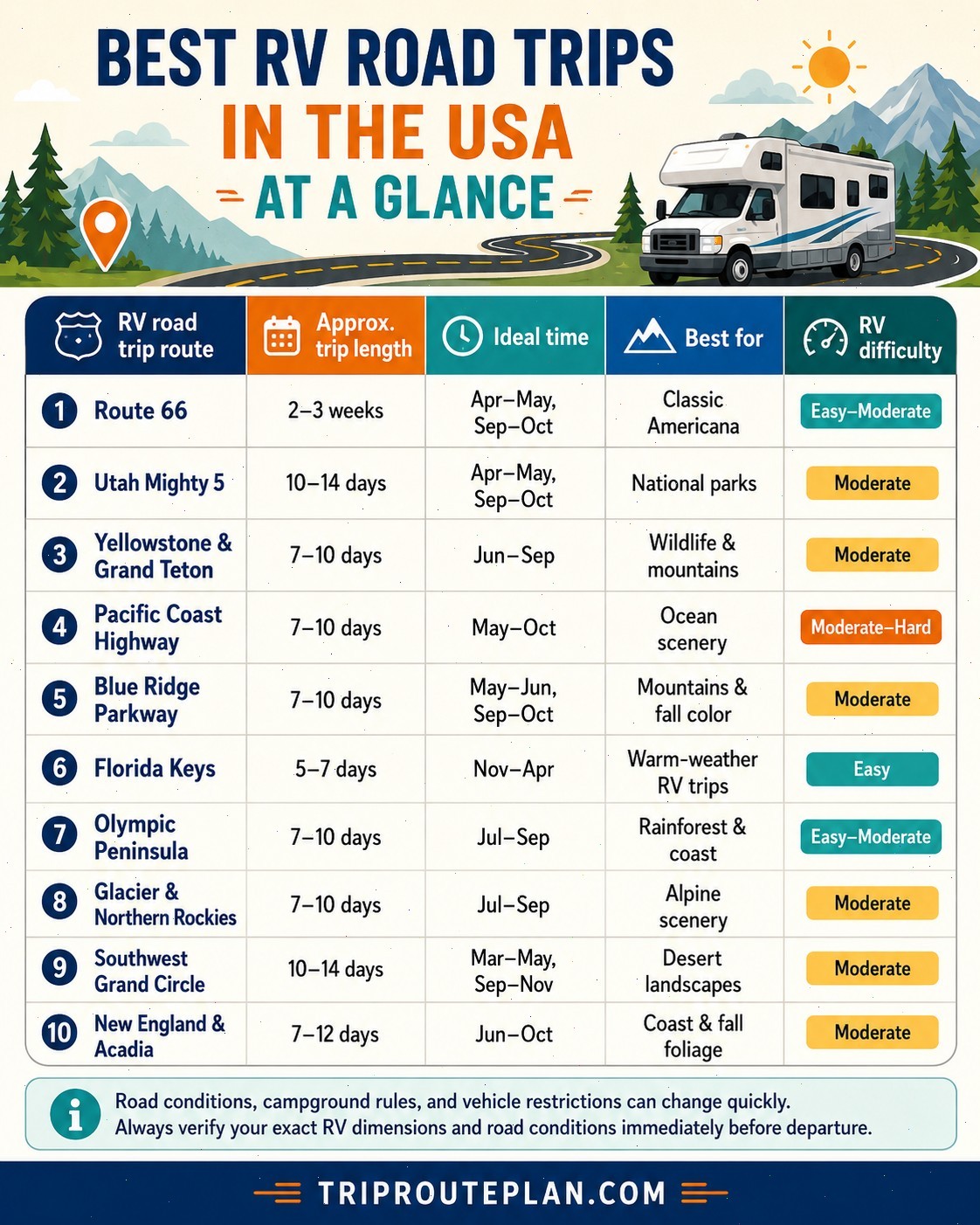
Best RV Road Trips in the USA at a Glance
1. Historic Route 66: Chicago to Santa Monica
Best for: First-time cross-country RV travelers
Suggested time: 14–21 days
Route: Chicago → St. Louis → Tulsa → Oklahoma City → Amarillo → Santa Fe → Albuquerque → Flagstaff → Kingman → Santa Monica
If there is one year to put Route 66 near the top of an American RV bucket list, 2026 is it.
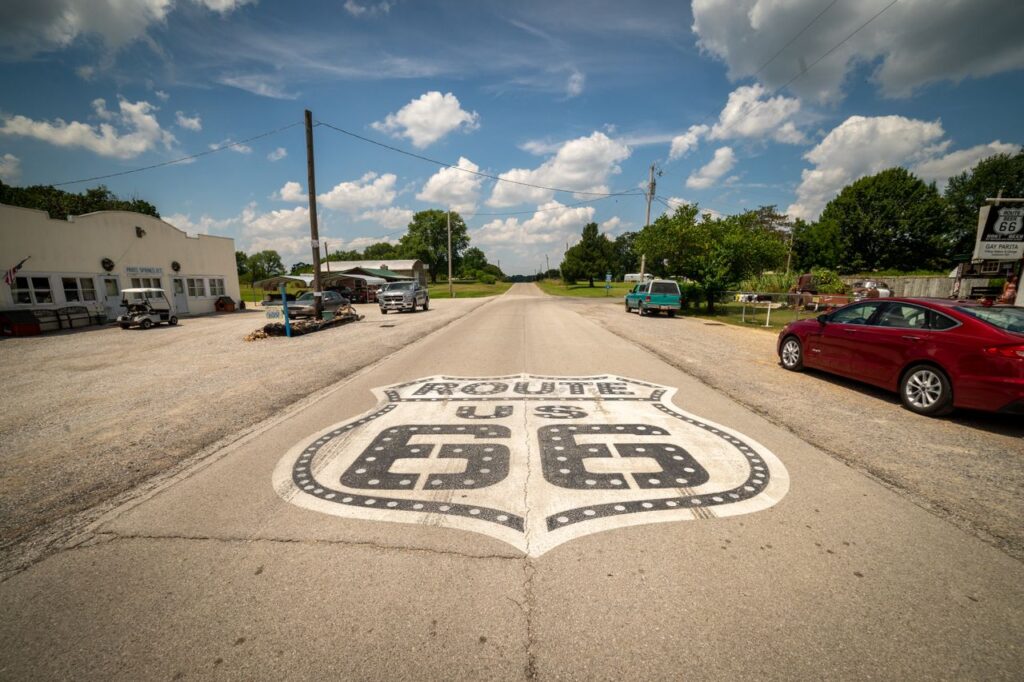
Rather than one uninterrupted modern highway, Historic Route 66 is a collection of surviving alignments connected by present-day roads and interstates. That actually works well for RV travel. You can spend the morning following an old two-lane section, stop at a roadside attraction or small town, then use the interstate when you need to cover distance.
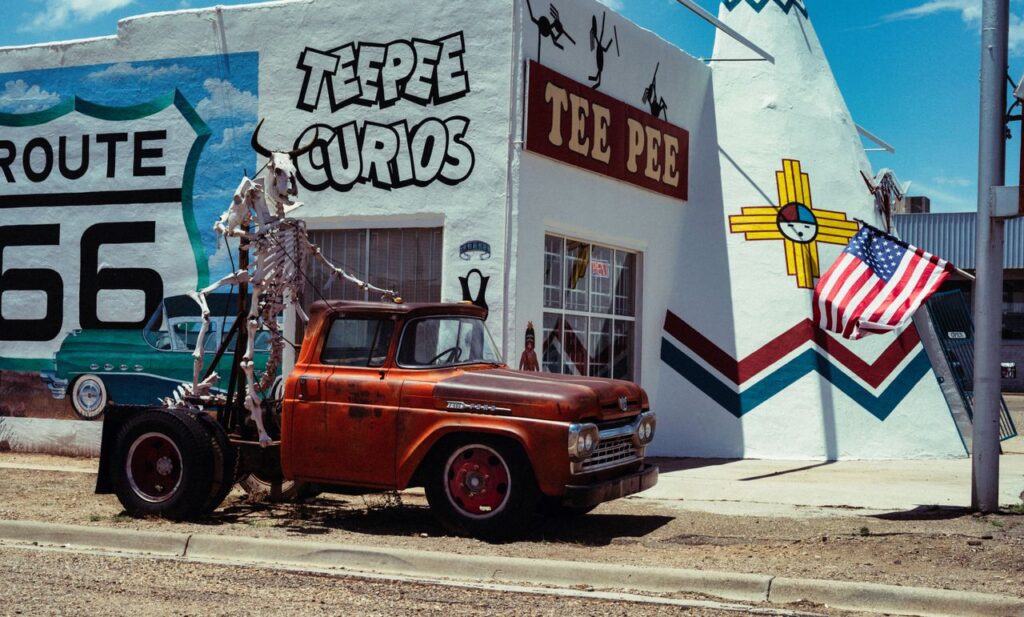
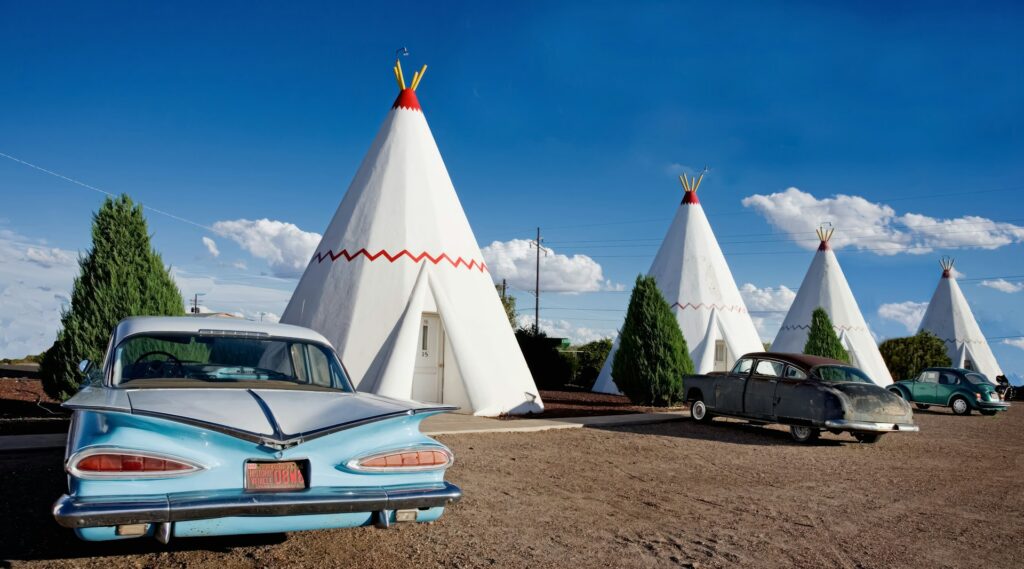
Chicago gives the trip an urban start, but the character changes quickly. Missouri brings diners and old roadside architecture, Oklahoma has one of the strongest concentrations of Route 66 history, Texas delivers big open landscapes, and New Mexico and Arizona introduce the desert scenery most travelers associate with the Mother Road.
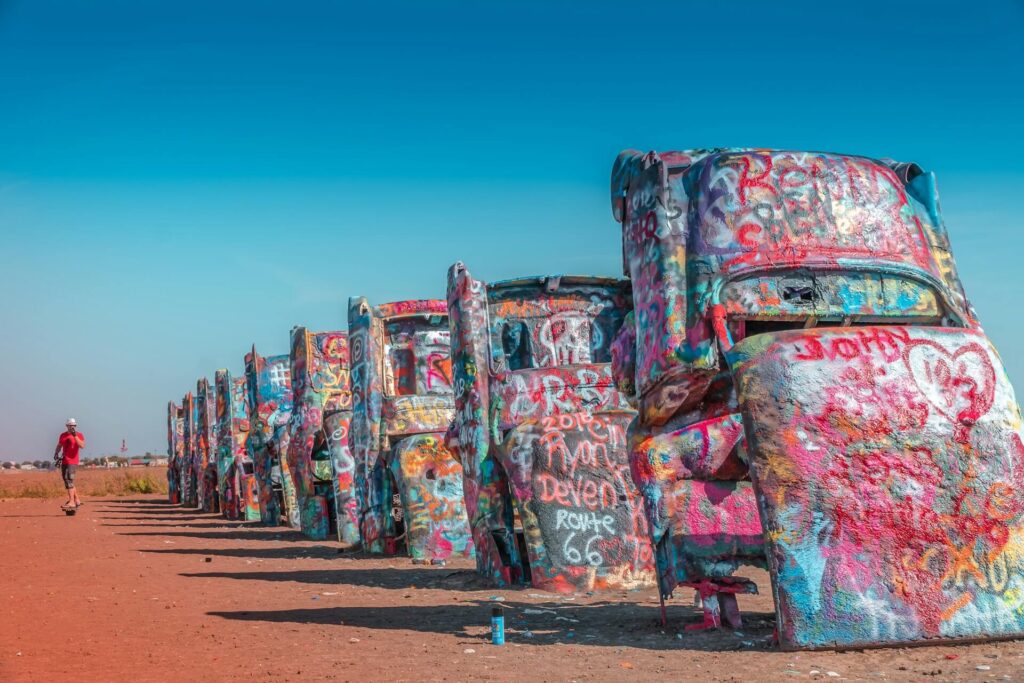
Flagstaff also makes a useful RV base for side trips toward the Grand Canyon.
RV tips
Older Route 66 segments can occasionally be rough, narrow, or unsuitable for a large Class A motorhome. Do not treat every historic alignment as mandatory.
Use modern highways as connectors and choose the historic portions that actually add something to the trip.
Don't miss
- Gateway Arch area in St. Louis
- Route 66 towns in Oklahoma
- Cadillac Ranch near Amarillo
- Santa Fe
- Petrified Forest National Park
- Winslow
- Flagstaff
- Seligman
- Santa Monica
Why choose this route: You want the classic American road trip experience more than nonstop wilderness.
2. Utah Mighty 5 RV Road Trip
Best for: National park scenery
Suggested time: 10–14 days
Route: Zion → Bryce Canyon → Capitol Reef → Canyonlands → Arches
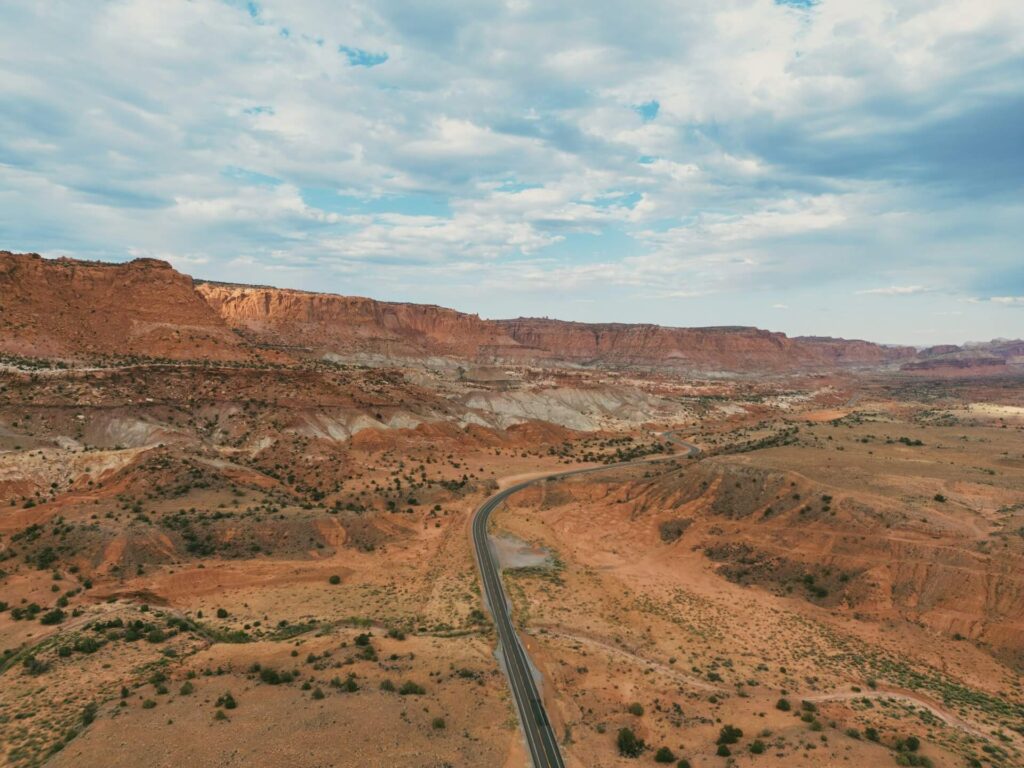
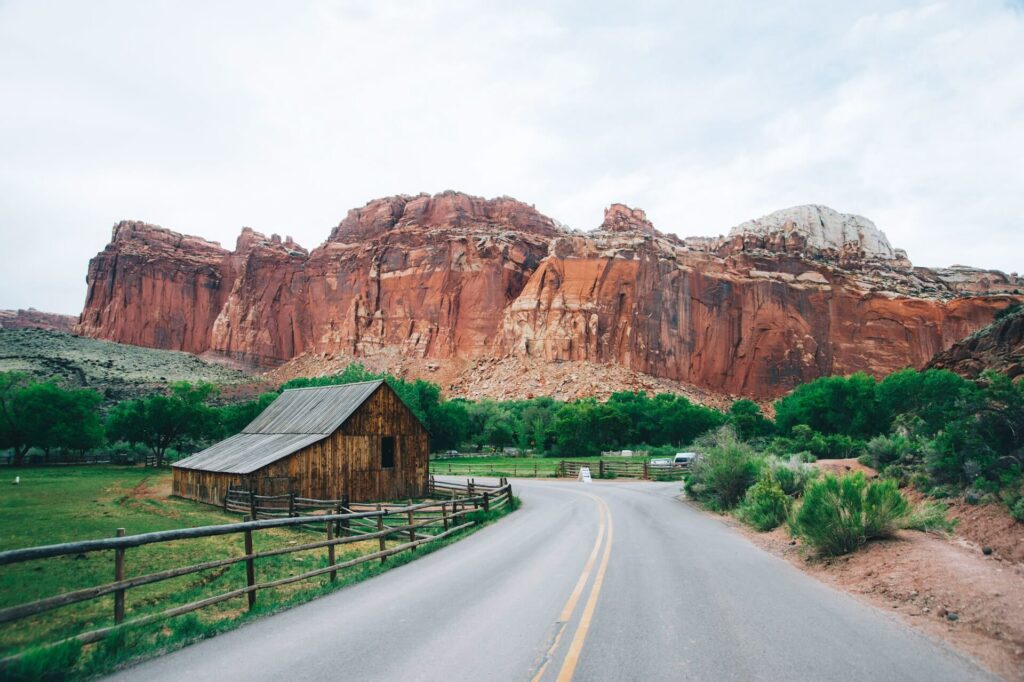
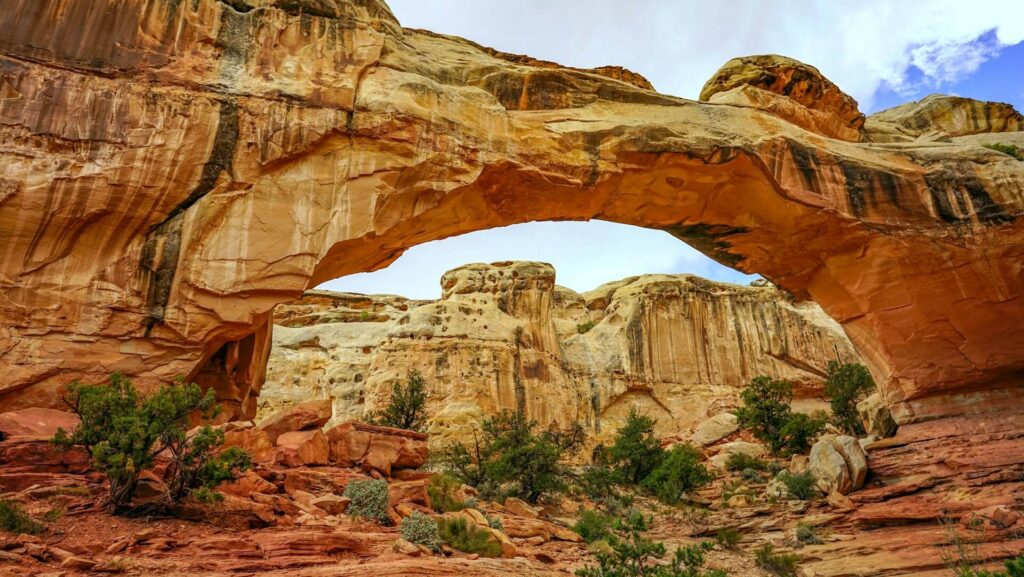
Utah may be the easiest place in the country to build an RV trip around several dramatically different national parks without driving enormous distances between them.
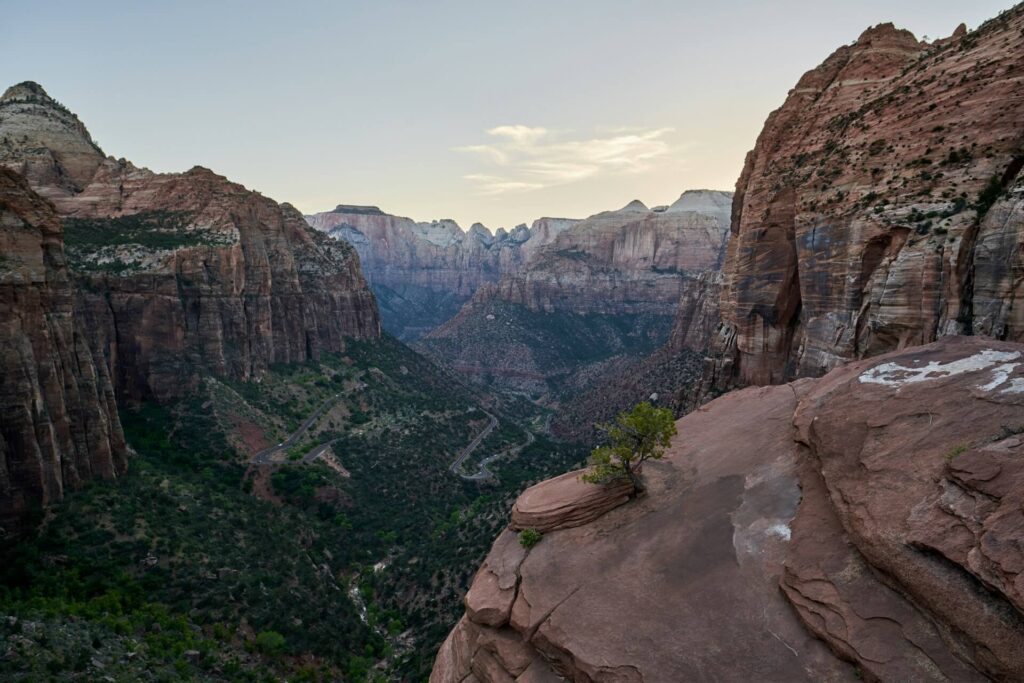
Start around Zion and move northeast through Bryce Canyon and Capitol Reef before finishing around Moab for Canyonlands and Arches.
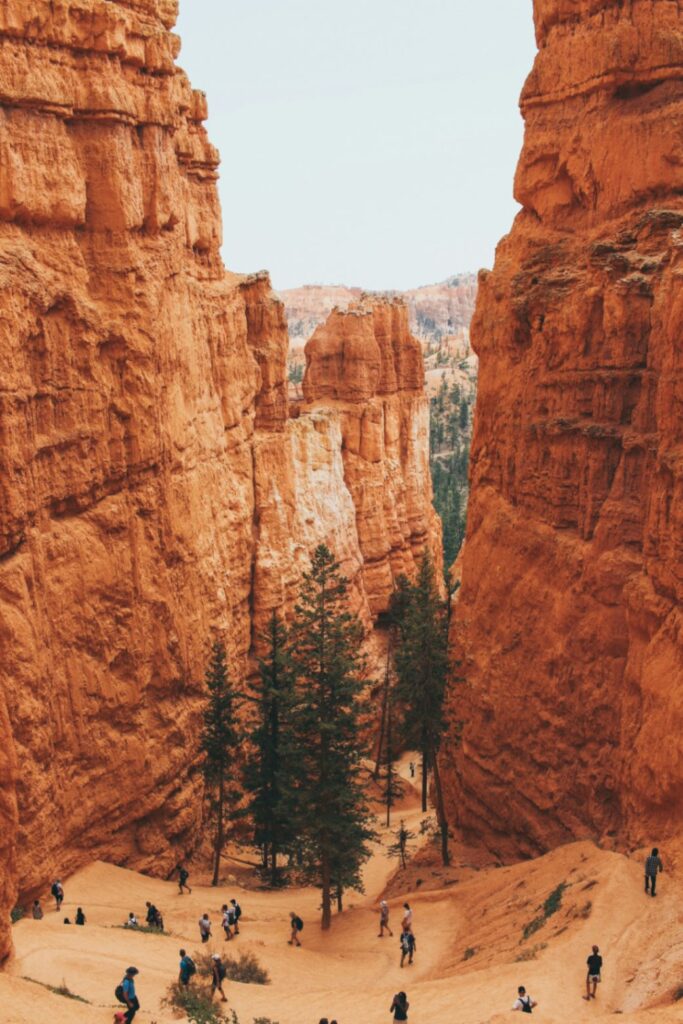
The landscapes change constantly. Zion gives you towering canyon walls, Bryce has densely packed hoodoos, Capitol Reef feels more remote, and the Moab end of the route is all about huge sandstone formations and open desert.
For RV travelers, though, Zion requires extra planning in 2026.
Beginning June 7, 2026, Zion began enforcing large-vehicle limits on the Zion-Mount Carmel Highway. Oversize RVs may need to approach the park differently rather than using the highway as a through route.
The Zion-Mount Carmel Tunnel also has specific vehicle-size rules. Vehicles meeting certain width or height thresholds require controlled tunnel passage, while vehicles beyond the maximum dimensions cannot use the tunnel at all.
That does not mean RV travelers should skip Zion. It means you should build the itinerary around your actual rig instead of trusting ordinary car routing.
RV tips
For a large RV or travel-trailer combination, consider camping near Springdale or another gateway community and exploring Zion without trying to drive the entire rig through every scenic section.
Also give yourself more time than Google Maps suggests on Utah Scenic Byway 12. The road is spectacular, but grades and curves make it a drive to enjoy slowly.
Don't miss
- Zion Canyon
- Bryce Amphitheater
- Scenic Byway 12
- Capitol Reef
- Goblin Valley side trip
- Canyonlands
- Dead Horse Point
- Arches
Why choose this route: You want the highest concentration of big Western scenery in a relatively compact road trip.
3. Yellowstone and Grand Teton RV Loop
Best for: Wildlife and classic Rocky Mountain landscapes
Suggested time: 7–10 days
Route: Jackson → Grand Teton → Yellowstone → West Yellowstone → Jackson
This is one of the strongest RV routes for travelers who want wildlife, mountain scenery, geothermal features, and campgrounds without turning the trip into a coast-to-coast expedition.
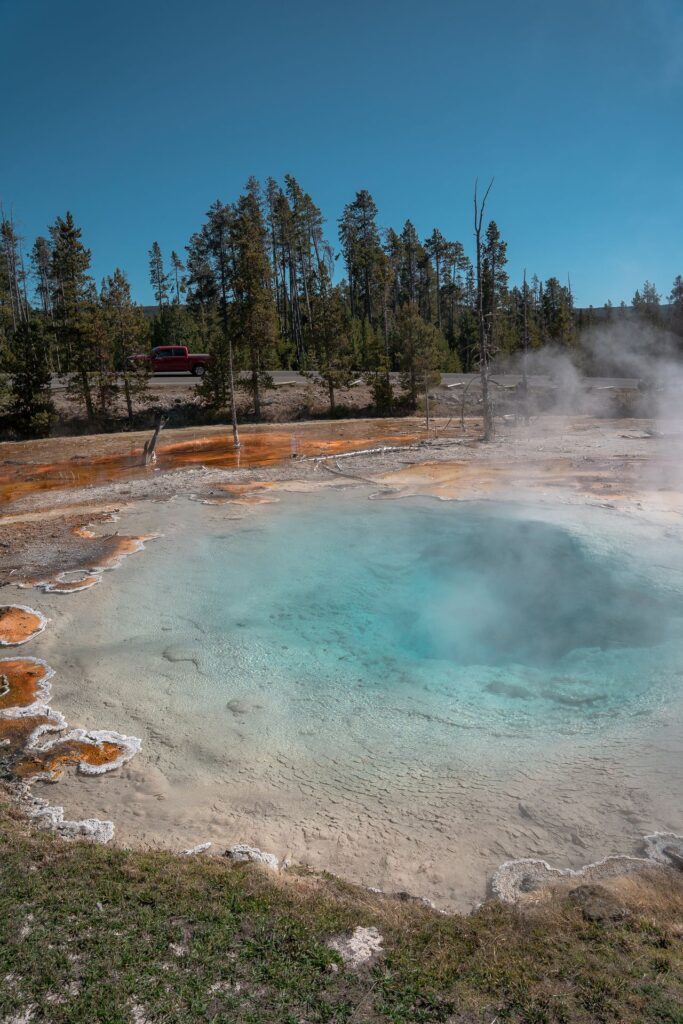
Spend at least two or three nights around Grand Teton before moving into Yellowstone.
Inside Yellowstone, avoid trying to see the entire park from one campground. Distances look modest on a map, but wildlife jams, construction, scenic stops, and low park speeds make driving days much longer.
A better RV strategy is to divide the park into zones.
You might base yourself near West Yellowstone for geyser country, then move toward another campground or gateway for the northern part of the park.
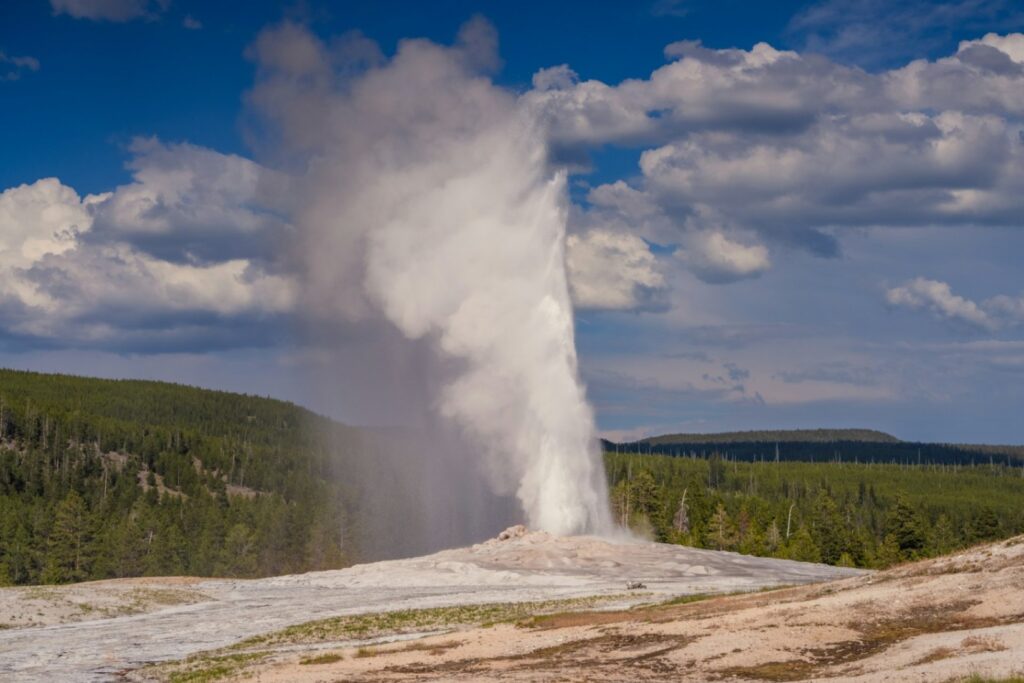
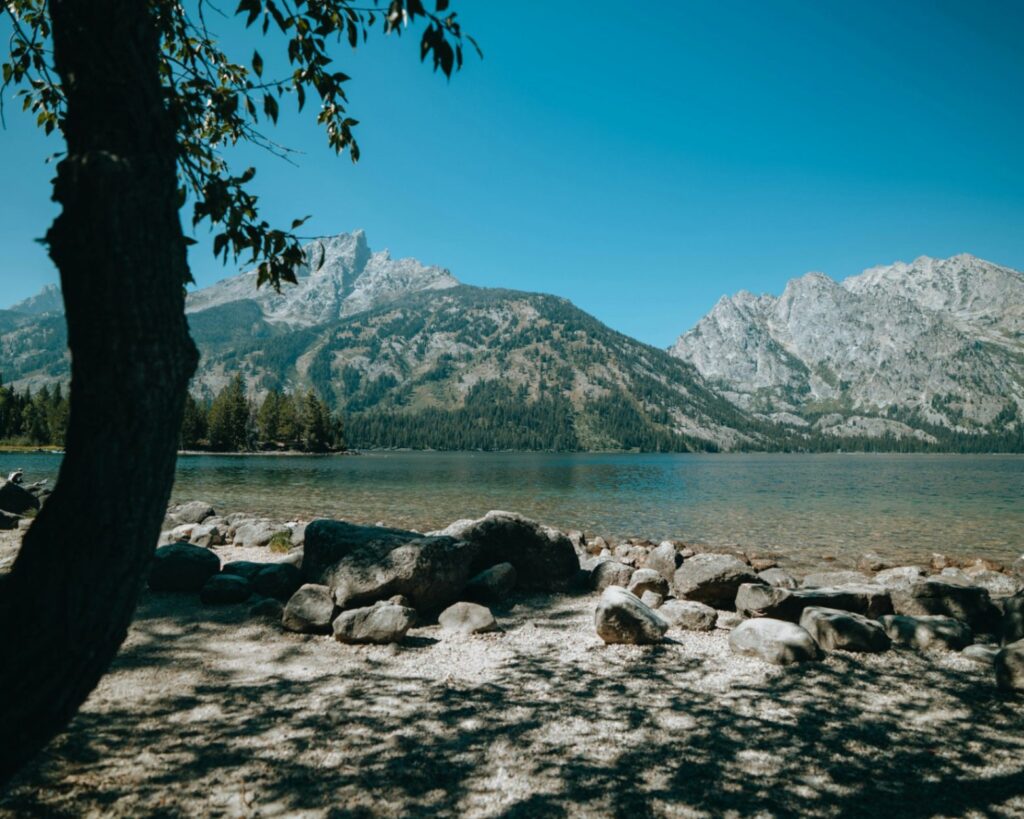
Yellowstone's NPS campground information also shows why RV size matters. Individual campgrounds have different vehicle limits. For example, several NPS-operated campgrounds list maximum combined RV-and-vehicle lengths around 25–35 feet, while Mammoth accommodates longer combinations during part of the year.
RV tips
Reserve a campsite that explicitly fits your total combination length, not just the trailer body.
Avoid moving camp every night. Setting up and breaking down an RV repeatedly can eat a surprising amount of your vacation.
Don't miss
- Jenny Lake
- Teton viewpoints
- Old Faithful
- Grand Prismatic Spring
- Yellowstone Lake
- Grand Canyon of the Yellowstone
- Hayden Valley
- Lamar Valley
Why choose this route: Seeing wildlife is as important to you as driving scenic roads.
4. Pacific Coast Highway: California Coast
Best for: Ocean views
Suggested time: 7–10 days
Route: San Francisco → Monterey → Big Sur → San Luis Obispo → Santa Barbara → Los Angeles
California Highway 1 is one of America's most recognizable drives, but it needs an asterisk when you're traveling by RV.
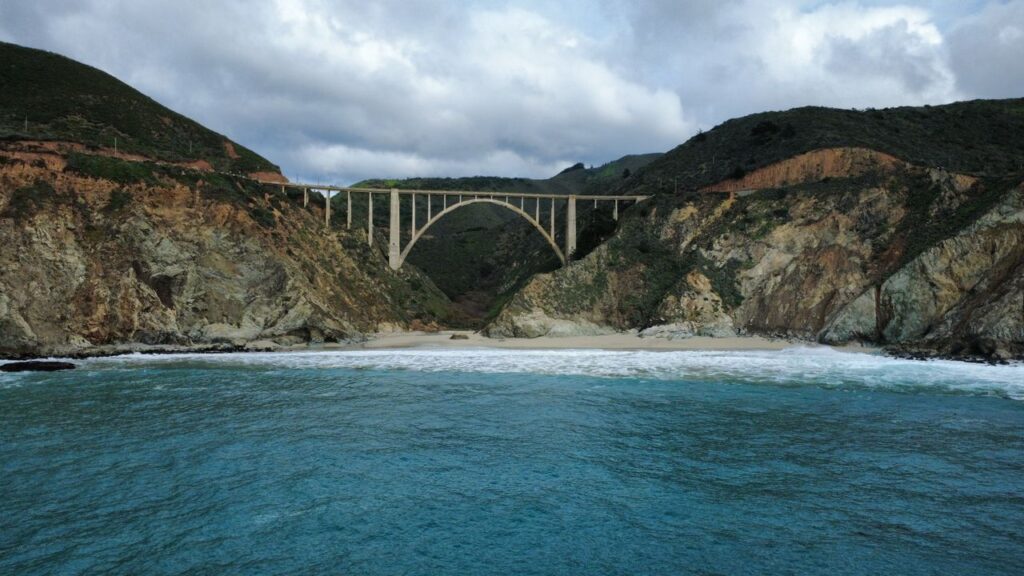
The reward is obvious: cliffs dropping toward the Pacific, beaches, coastal towns, Monterey, Big Sur, and long stretches where the drive itself becomes the day's main activity.
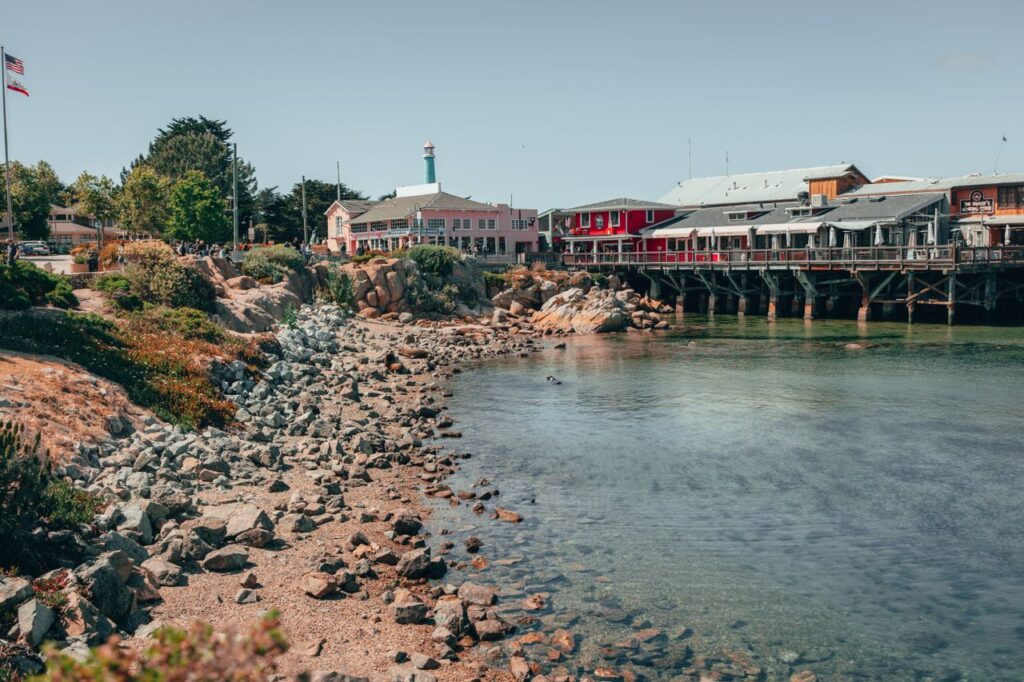
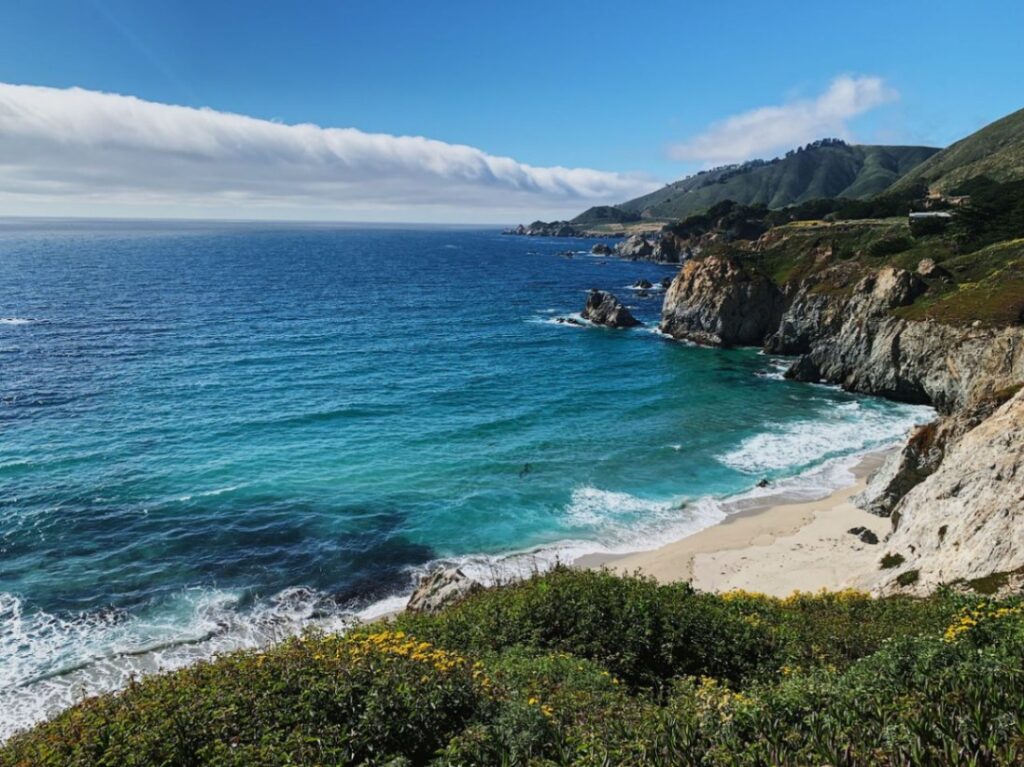
The challenge is that parts of Highway 1 are narrow and winding. Long rigs require much more concentration than a passenger car.
As of the most recent Caltrans update checked for this article, Highway 1 through the central coast was open but had controlled one-way traffic around several construction areas, including work near Rocky Creek Bridge south of Monterey.
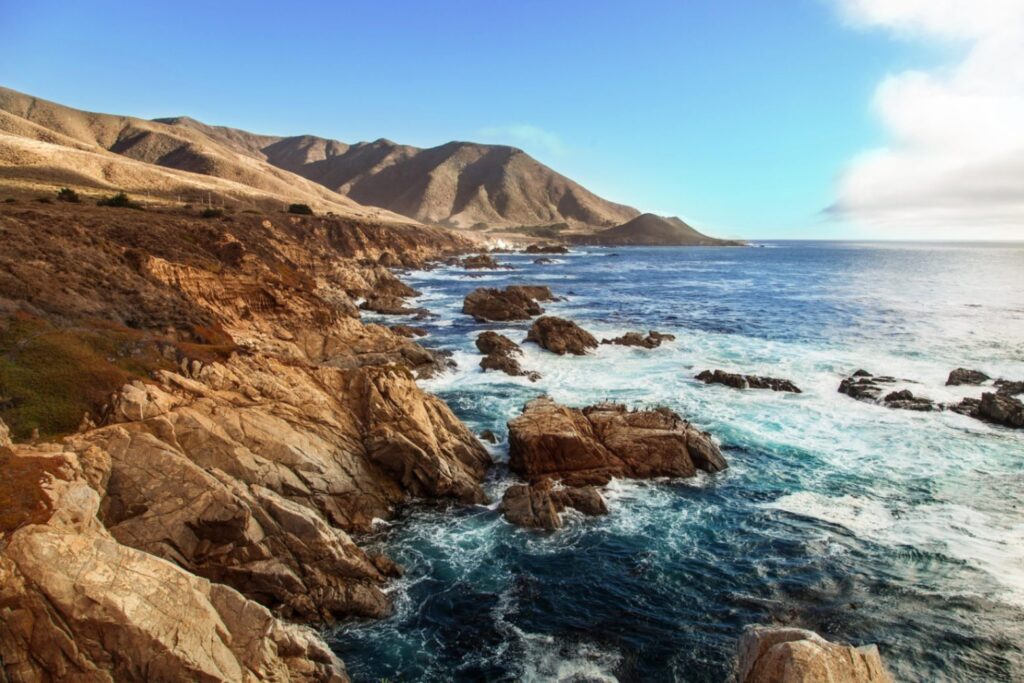
That status can change after storms, landslides, or roadwork, so Highway 1 is one route where checking conditions the morning you drive matters.
RV tips
A smaller Class B or Class C RV is much easier here than a long motorhome or large fifth-wheel.
For a big rig, consider camping outside the tightest coastal sections and exploring some areas in a smaller vehicle. If you are not towing one, you can compare rental cars on Localrent rather than maneuvering a large RV through the most demanding coastal stretches.
Do not plan ambitious mileage. Fifty scenic miles on Highway 1 can feel like a full driving day once you include viewpoints and traffic.
Don't miss
- Monterey
- Carmel area
- Bixby Creek Bridge
- Big Sur
- Pfeiffer-area scenery
- Morro Bay
- San Luis Obispo
- Santa Barbara
Why choose this route: The drive itself matters more to you than checking off lots of attractions.
5. Blue Ridge Parkway
Best for: Appalachian scenery and fall foliage
Suggested time: 7–10 days
Route: Shenandoah area, Virginia → Roanoke → Boone → Asheville → Great Smoky Mountains
The Blue Ridge Parkway stretches 469 miles between Shenandoah National Park and Great Smoky Mountains National Park, making it almost tailor-made for a slow RV trip.
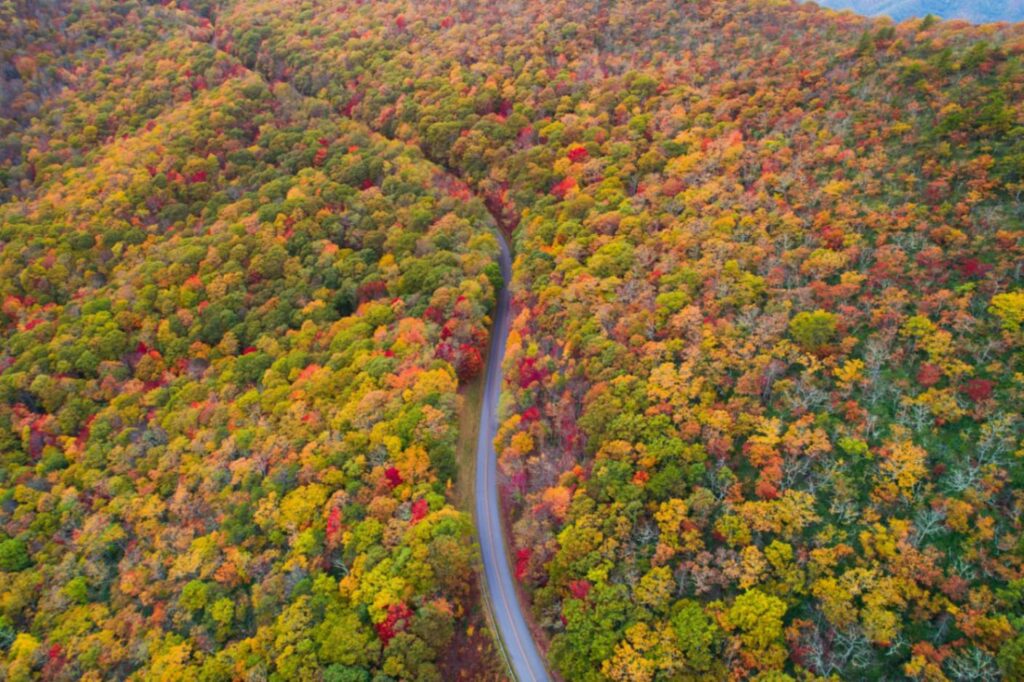
There is no reason to rush it.
The parkway's posted speed limit is generally 45 mph or lower, and the NPS specifically notes that winding roads and elevation changes mean large RVs should allow extra time.
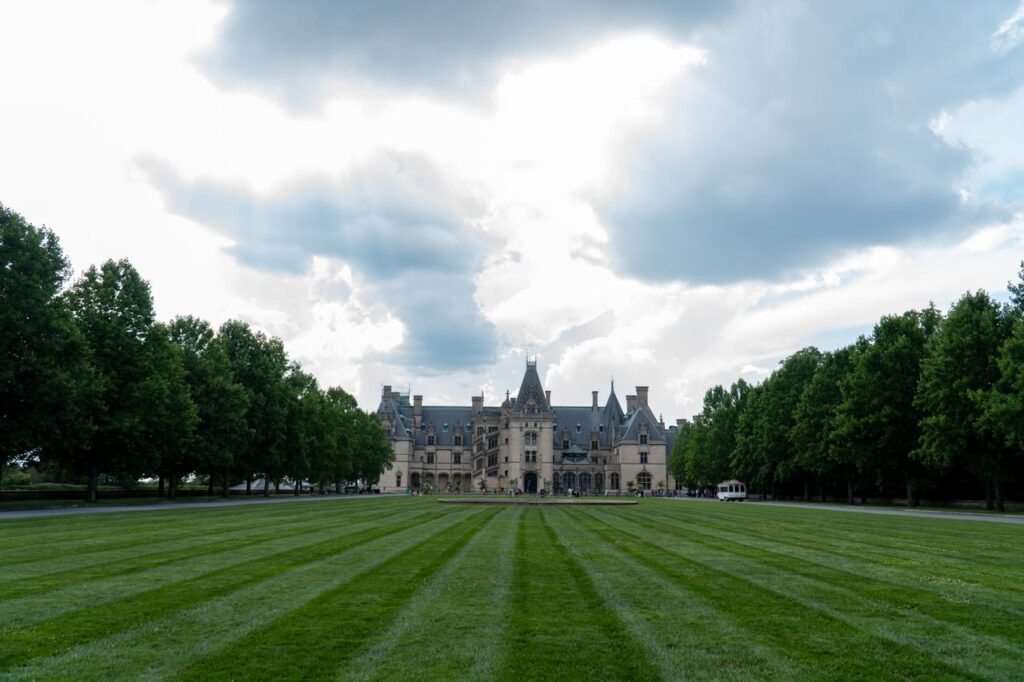
Autumn is the obvious choice for fall color, but late spring and early summer are excellent if you would rather avoid peak October traffic.
RV tips
Watch for tunnel-clearance information before choosing a section with a tall RV.
Mountain descents are another reason not to rush. Use lower gears rather than riding the brakes.
Don't miss
- Shenandoah area
- Peaks of Otter
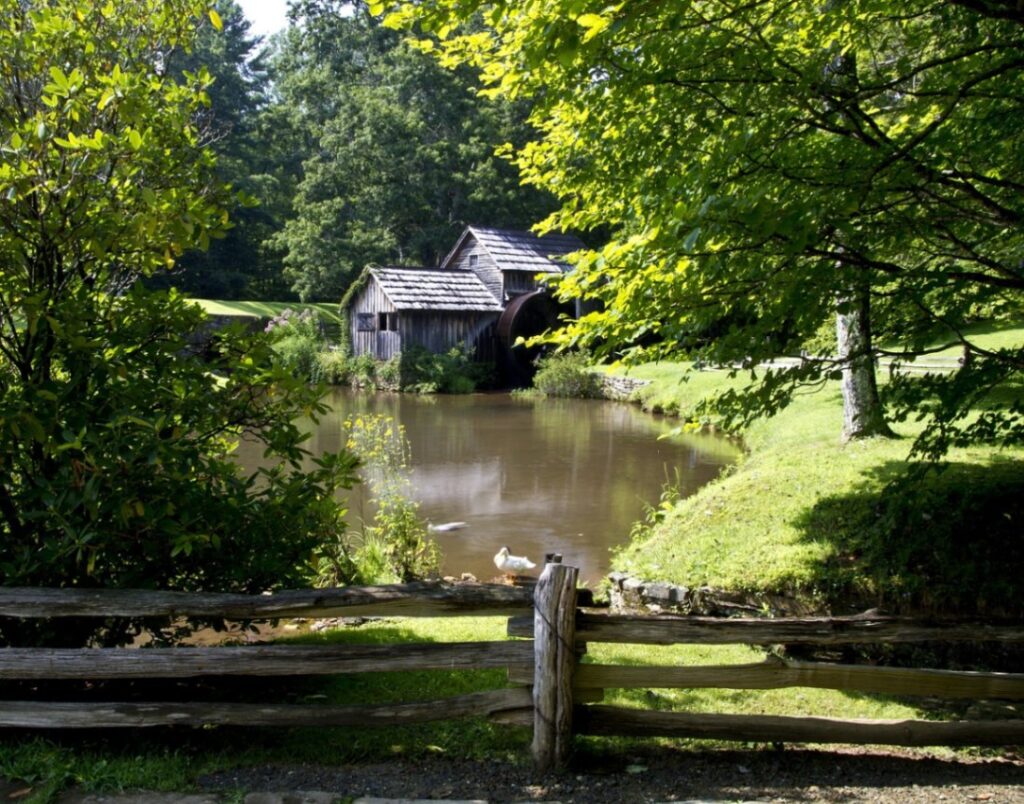
- Mabry Mill
- Boone
- Linn Cove area
- Asheville
- Mount Pisgah region
- Great Smoky Mountains
Why choose this route: You want a relaxed scenic road rather than a fast destination-to-destination drive.
6. Florida Keys Overseas Highway
Best for: Winter RV travel
Suggested time: 5–7 days
Route: Miami → Key Largo → Islamorada → Marathon → Bahia Honda → Key West
The Florida Keys are almost the opposite of a Western national park road trip.
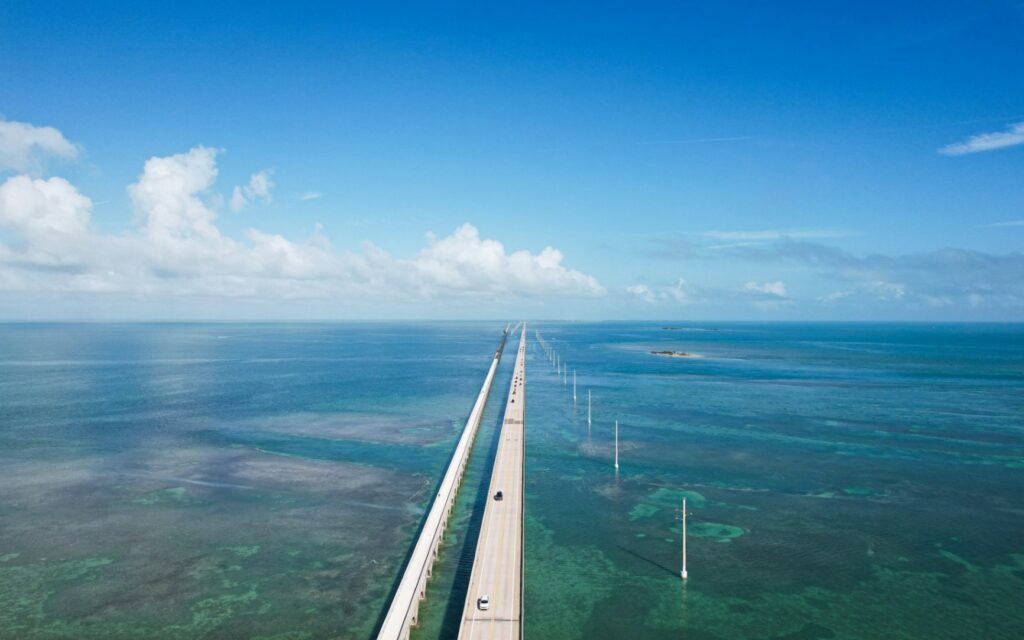
There are no high passes to cross and very few complicated mountain roads. Instead, US 1 carries you across a chain of tropical islands surrounded by turquoise water.
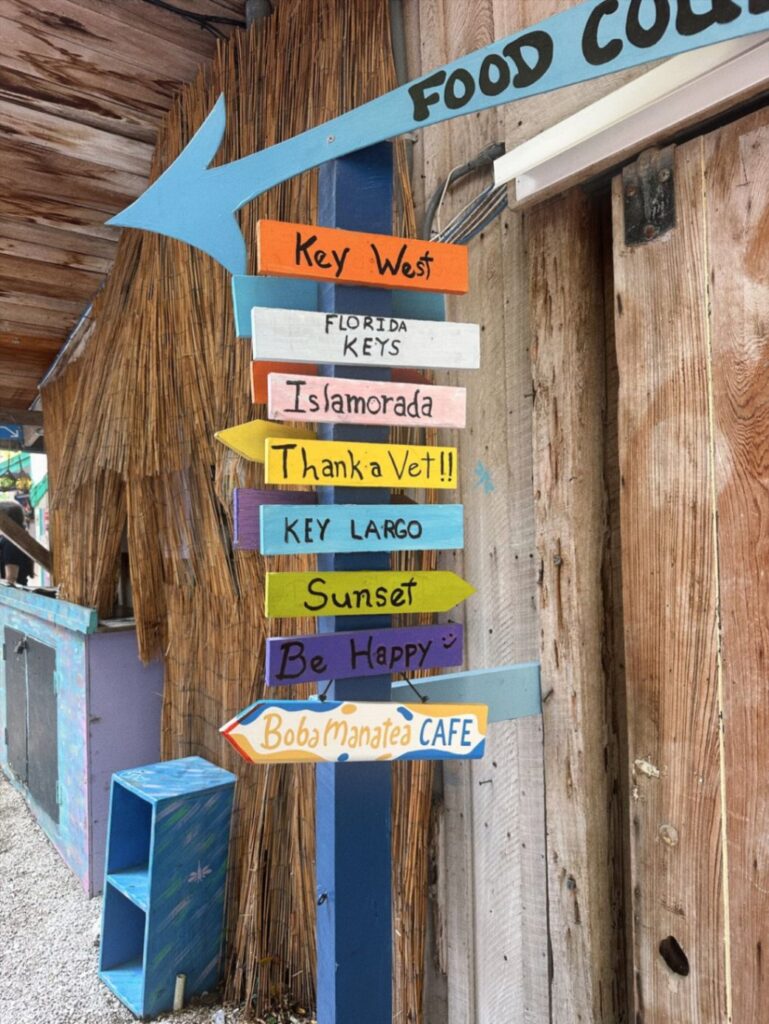
That makes this one of the easiest choices for RV travelers who want sunshine rather than wilderness driving.
The real challenge is not the road. It is campground availability.
RV campsites in the Keys can book far ahead during winter, especially around state parks and waterfront campgrounds.
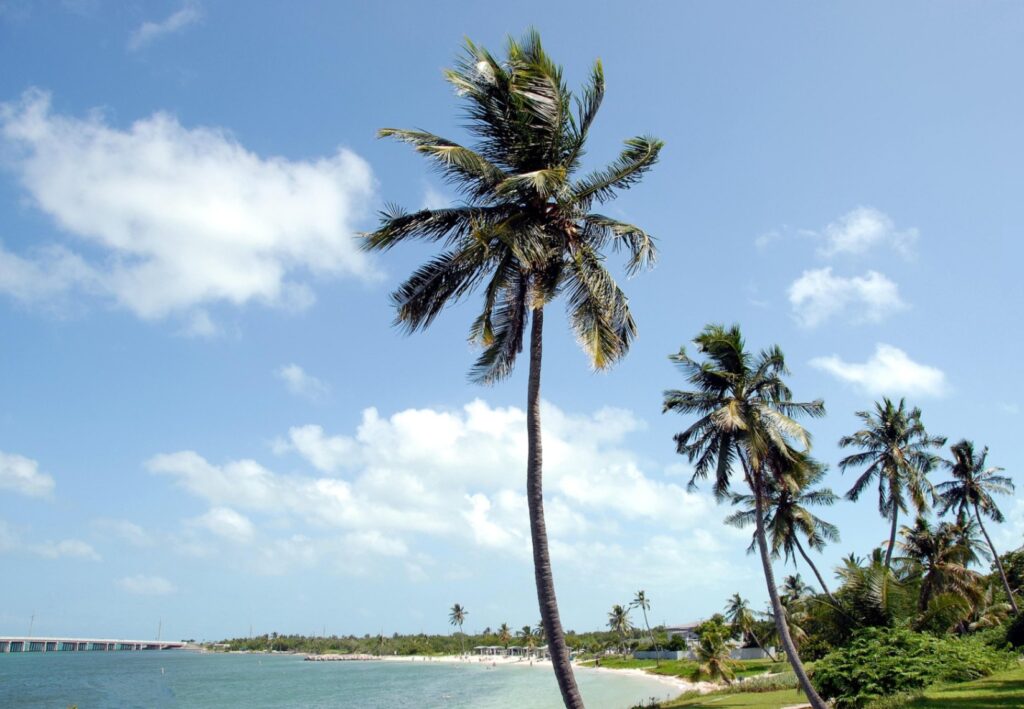
Moving every day also makes little sense here. Pick two or three bases and explore from them.
A practical itinerary
Spend your first nights around Key Largo or Islamorada.
Move down to Marathon for access to the central Keys.
Then finish near Key West, ideally leaving the RV at your campground rather than trying to maneuver a large rig through congested central streets.
RV tips
Fuel and groceries become more expensive and less convenient farther down the Keys, so stock up before going deep into the island chain.
Wind can also make bridges feel very different in a tall motorhome than they do in a car.
Don't miss
- Key Largo
- Islamorada
- Seven Mile Bridge
- Marathon
- Bahia Honda
- Key West
Why choose this route: You want an RV road trip in January or February without worrying about snow-covered mountain passes.
7. Olympic Peninsula RV Loop, Washington
Best for: Travelers who want mountains, rainforest, and coastline on one trip
Suggested time: 7–10 days
Route: Seattle/Tacoma → Port Angeles → Olympic National Park → Forks → Pacific Coast → Lake Quinault
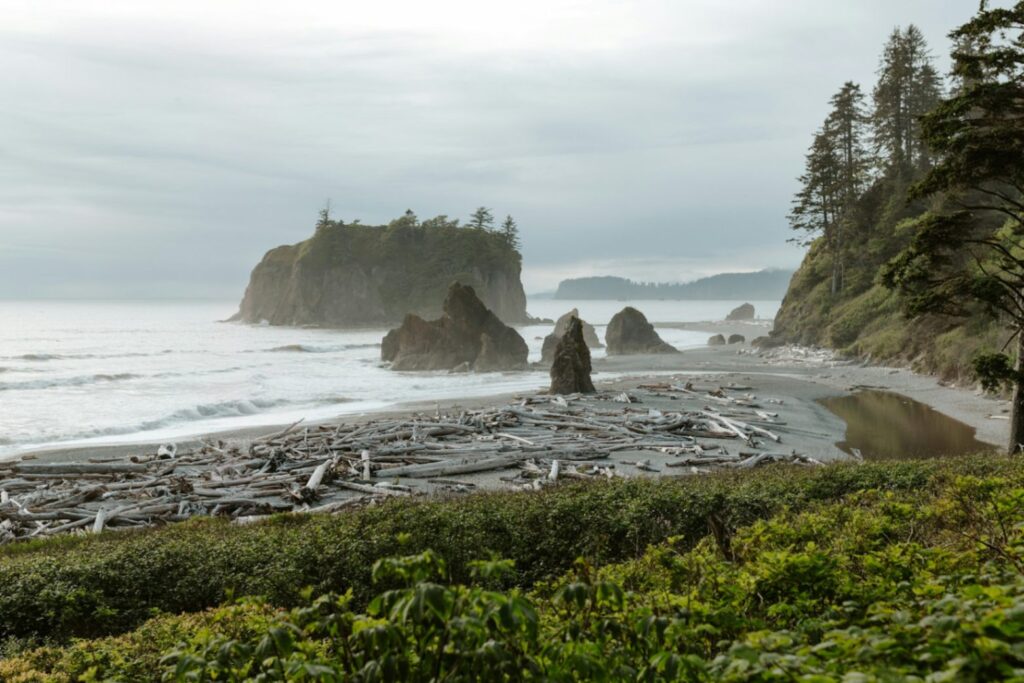
Olympic Peninsula feels like several trips squeezed into one loop.
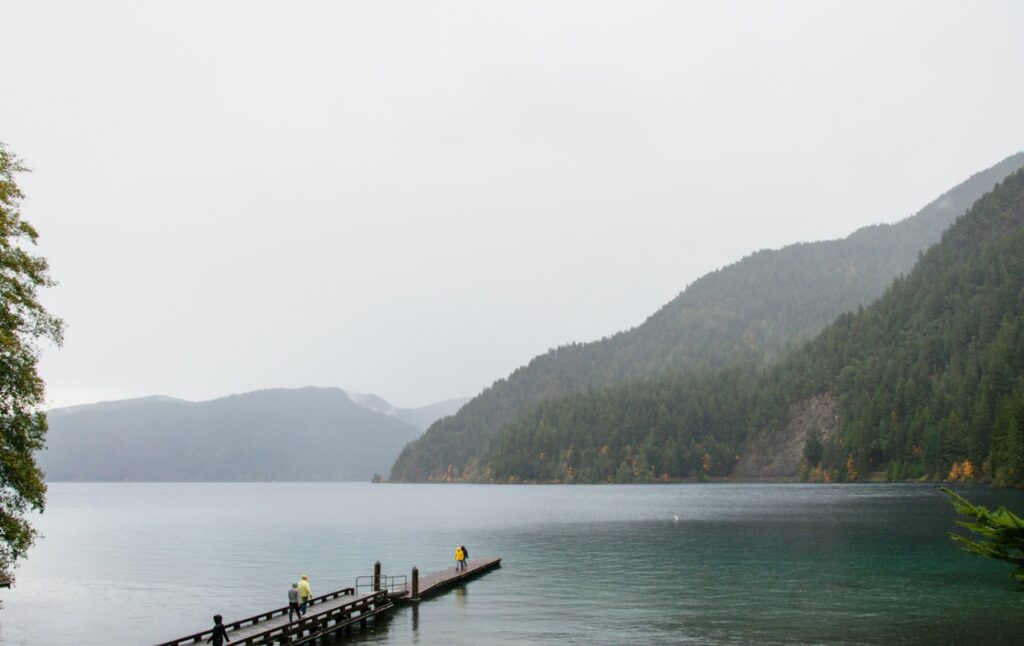
One day you can be overlooking the Olympic Mountains. The next you can walk through temperate rainforest. A few hours later, you are standing beside wild Pacific beaches.
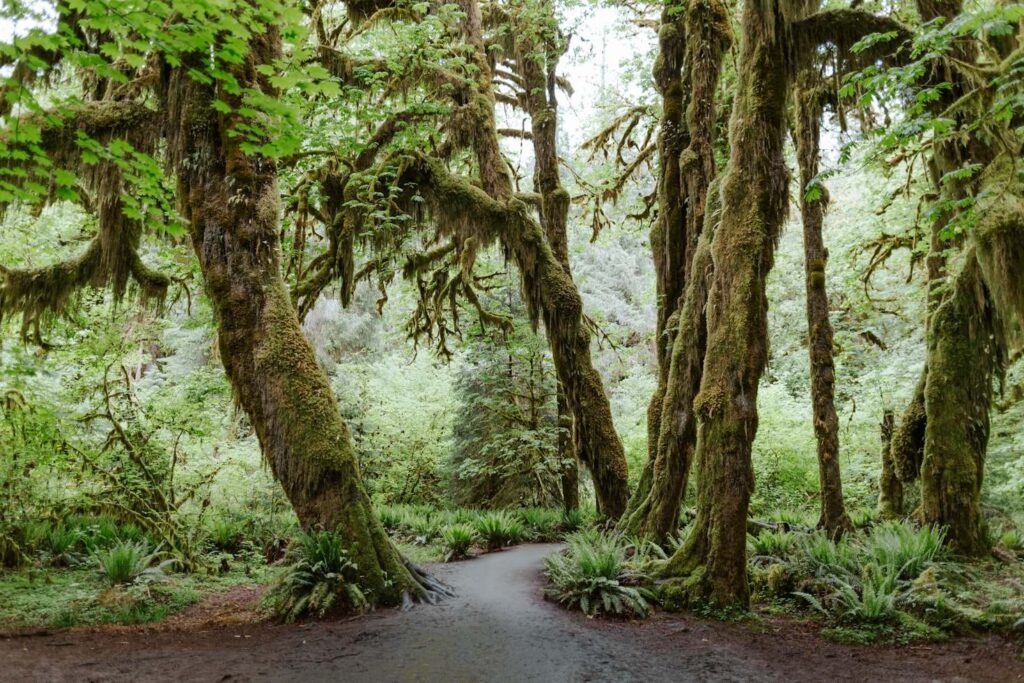
US 101 forms the backbone of the journey, which makes the overall loop more practical for RVs than some roads inside Olympic National Park.
That distinction matters.
The NPS currently lists several interior roads as unsuitable or restricted for RVs and trailers. Deer Park Road, for example, is described as narrow, winding, gravel and not suitable for RVs or trailers. Graves Creek Road prohibits them, while North Fork Quinault Road is not recommended for them.
So keep the RV on the main route and use suitable access roads to explore the park.
RV tips
Do not assume that because a road appears on a national-park map it is suitable for your motorhome.
Olympic is a particularly good place to use a smaller vehicle for park access. If you are not towing one behind your RV, comparing rental cars on Economybookings.com can give you another option for exploring roads that are unsuitable for motorhomes or trailers.
Don't miss
- Port Angeles
- Hurricane Ridge area
- Lake Crescent
- Sol Duc area
- Hoh Rain Forest
- Rialto Beach
- Ruby Beach
- Lake Quinault
Why choose this route: You get bored when every day has the same type of scenery.
8. Glacier National Park and the Northern Rockies
Best for: Dramatic alpine scenery
Suggested time: 7–10 days
Route: Whitefish → West Glacier → Glacier National Park → St. Mary → surrounding Montana
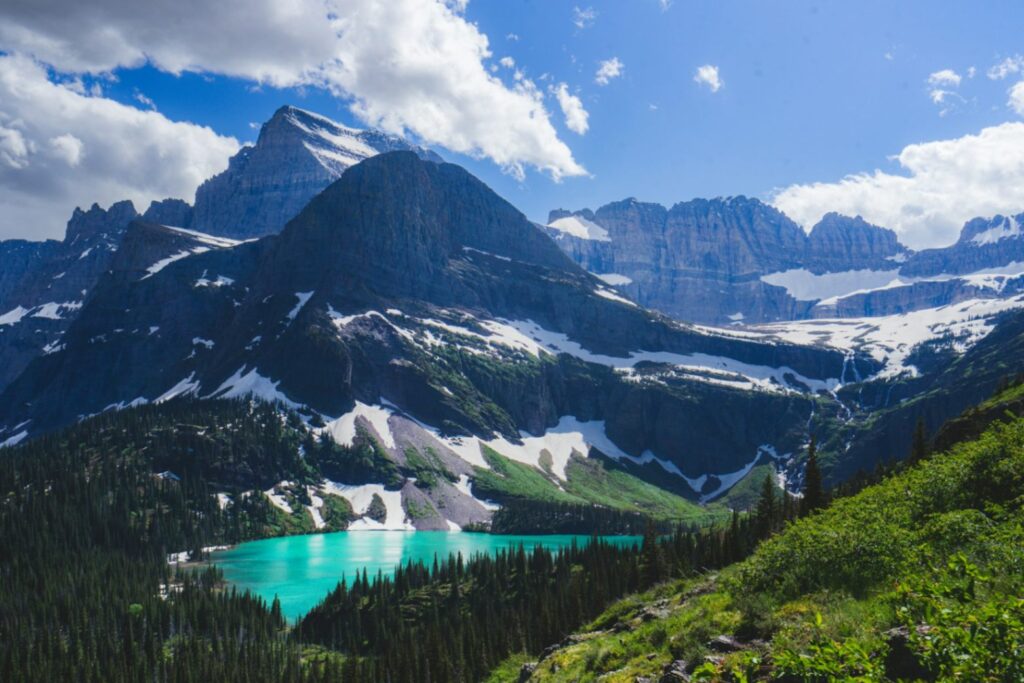
Glacier deserves a place on an RV road trip list, but with one major clarification:
Your RV is not the vehicle you want to drive across the entire Going-to-the-Sun Road.
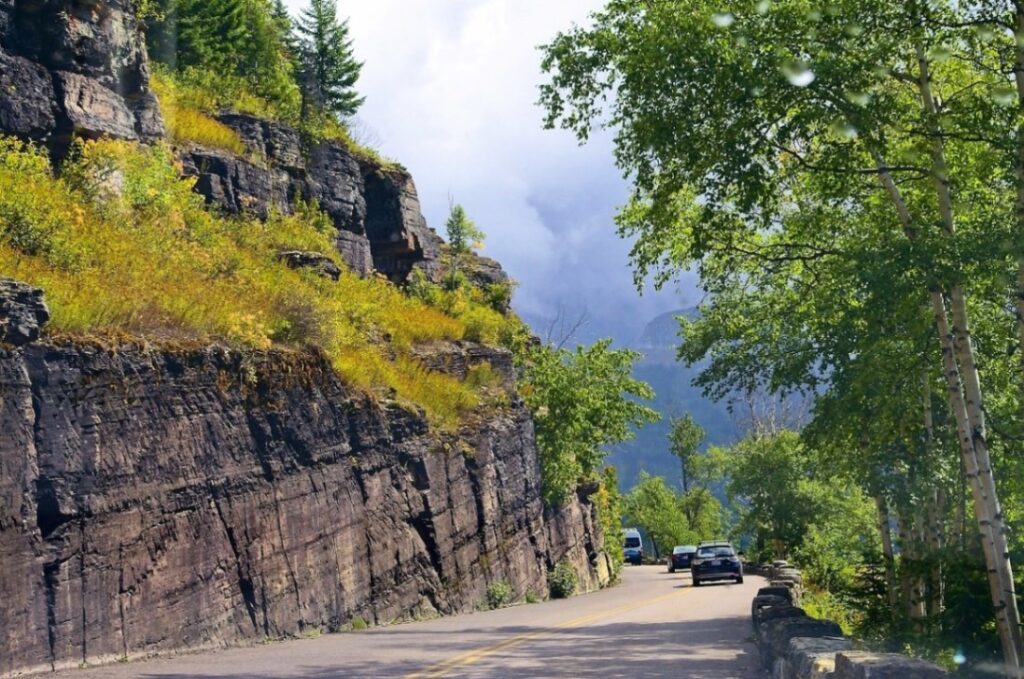
For the 2026 season, the famous road fully opened on June 22. However, between Avalanche Creek and Rising Sun, vehicles and vehicle combinations longer than 21 feet or wider than 8 feet including mirrors are prohibited. NPS also warns that vehicles over 10 feet tall can have difficulty under rock overhangs in one section.
That rules out a huge share of RVs.
The smart strategy is to treat your RV as a basecamp.
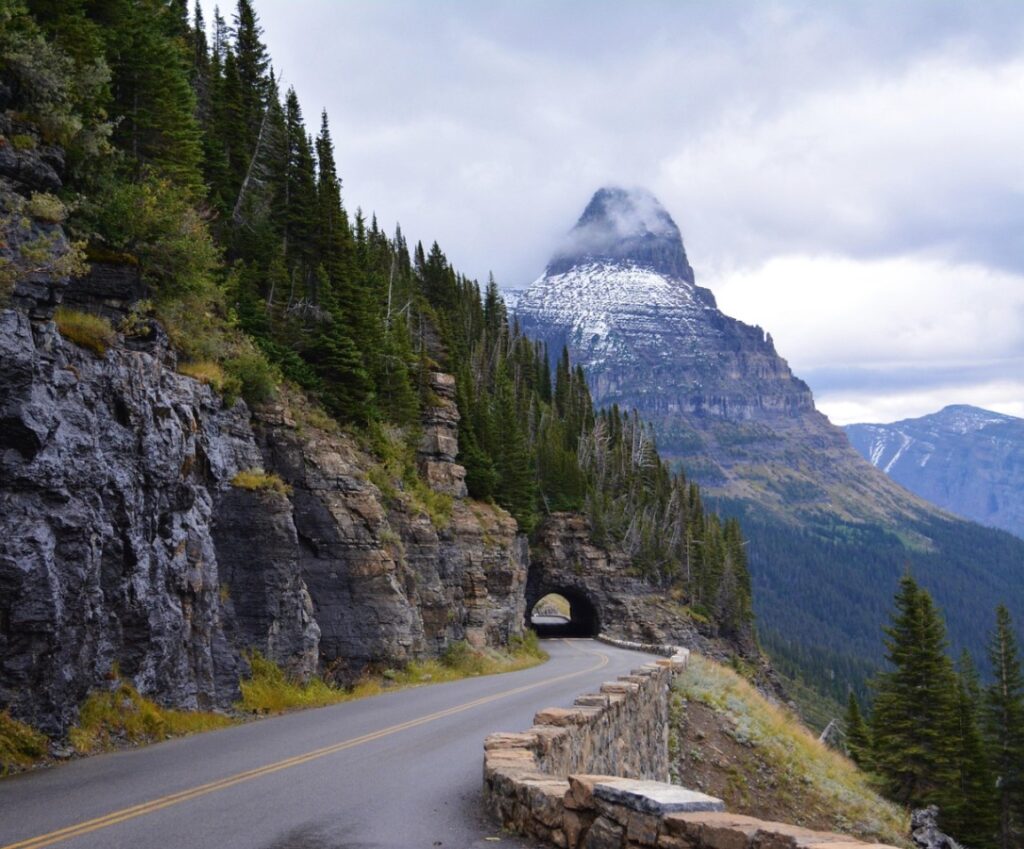
Stay on the west or east side of Glacier, then explore the Going-to-the-Sun Road in a legal smaller vehicle. If you are traveling without a tow car, you can compare rental cars on Economybookings.com for the sightseeing days when your RV stays at the campground.
RV tips
Measure the full length of your vehicle combination before the trip.
Don't assume a camper van automatically meets the 21-foot limit either. Some longer vans and accessories can push the total measurement over the restriction.
Don't miss
- Lake McDonald
- Logan Pass
- St. Mary Lake
- Many Glacier area
- Whitefish
- Flathead Valley
Why choose this route: You want huge mountain scenery and do not mind leaving the RV parked for some sightseeing days.
9. Southwest Grand Circle RV Road Trip
Best for: A longer desert adventure
Suggested time: 10–14 days
Route: Las Vegas → Grand Canyon → Page → Monument Valley → Moab → Capitol Reef → Bryce Canyon → Zion → Las Vegas
If Utah's Mighty 5 feels too concentrated, expand it into a broader Grand Circle.
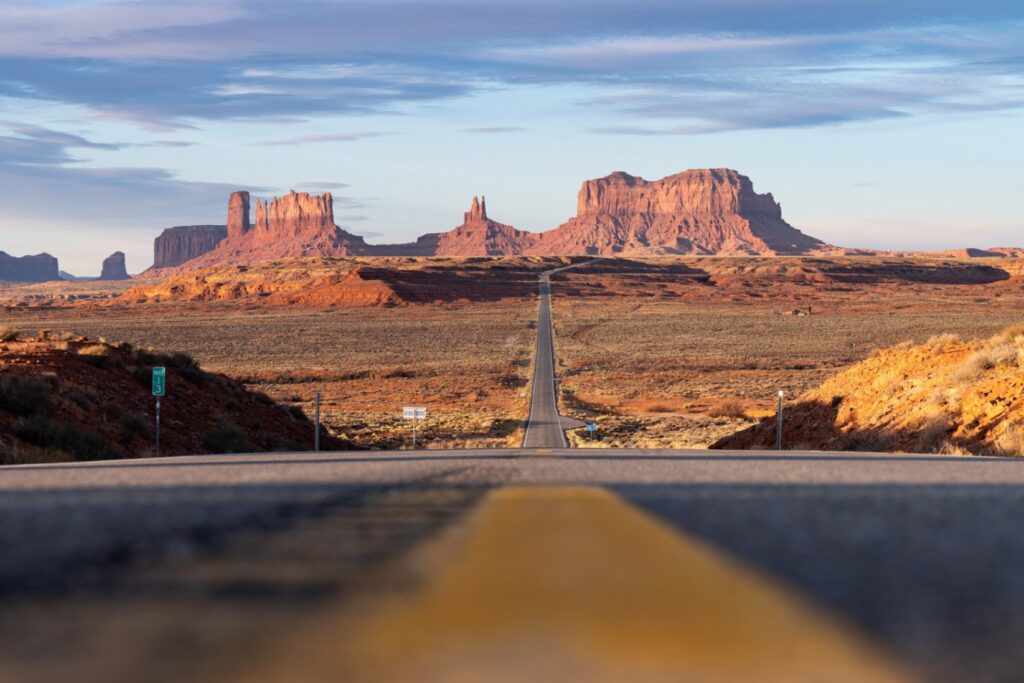
This route adds northern Arizona and the Four Corners region to Utah's national parks. You get the Grand Canyon, red-rock country around Page, Monument Valley, Moab, Bryce Canyon, and Zion in one large loop.
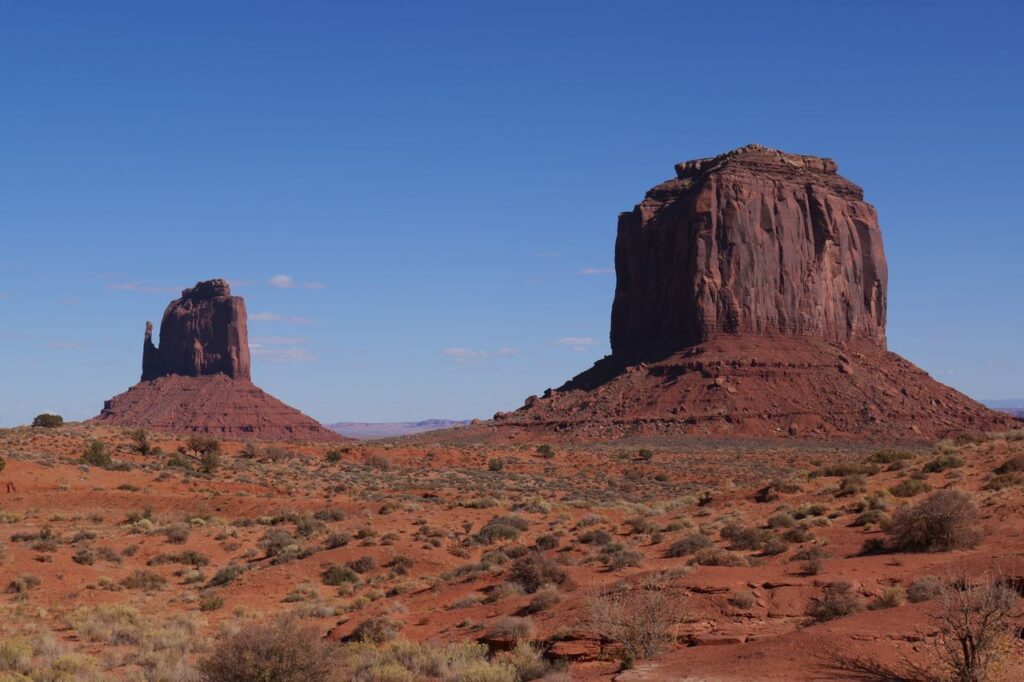
For an RV, that variety is excellent because the drive between destinations is part of the experience.
But there is a catch: temperatures.
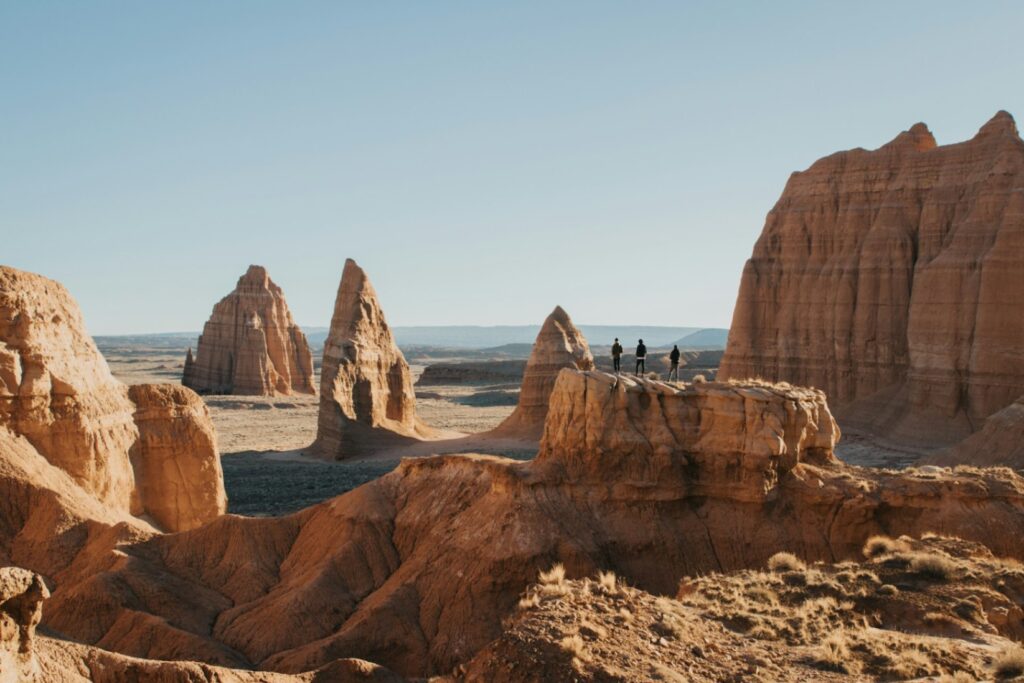
A July afternoon around lower-elevation desert destinations can be brutally hot. Spring and fall are much better for travelers who plan to hike or camp without running air conditioning constantly.
RV tips
Pay attention to fuel range. Towns can be far apart compared with the eastern U.S.
Carry water beyond what you expect to drink.
And once again, check Zion's 2026 large-vehicle restrictions before letting a navigation app route your RV through the Zion-Mount Carmel Highway.
Don't miss
- Grand Canyon
- Horseshoe Bend area
- Monument Valley
- Moab
- Canyonlands
- Arches
- Capitol Reef
- Bryce Canyon
- Zion
Why choose this route: You have two weeks and want the strongest possible concentration of Southwest landscapes.
10. New England Coast and Acadia RV Road Trip
Best for: Coastal towns and fall foliage
Suggested time: 7–12 days
Route: Boston → New Hampshire/Maine coast → Portland → Camden → Bar Harbor → Acadia National Park
A New England RV trip trades desert horizons for rocky coastlines, fishing towns, forests, and historic communities.
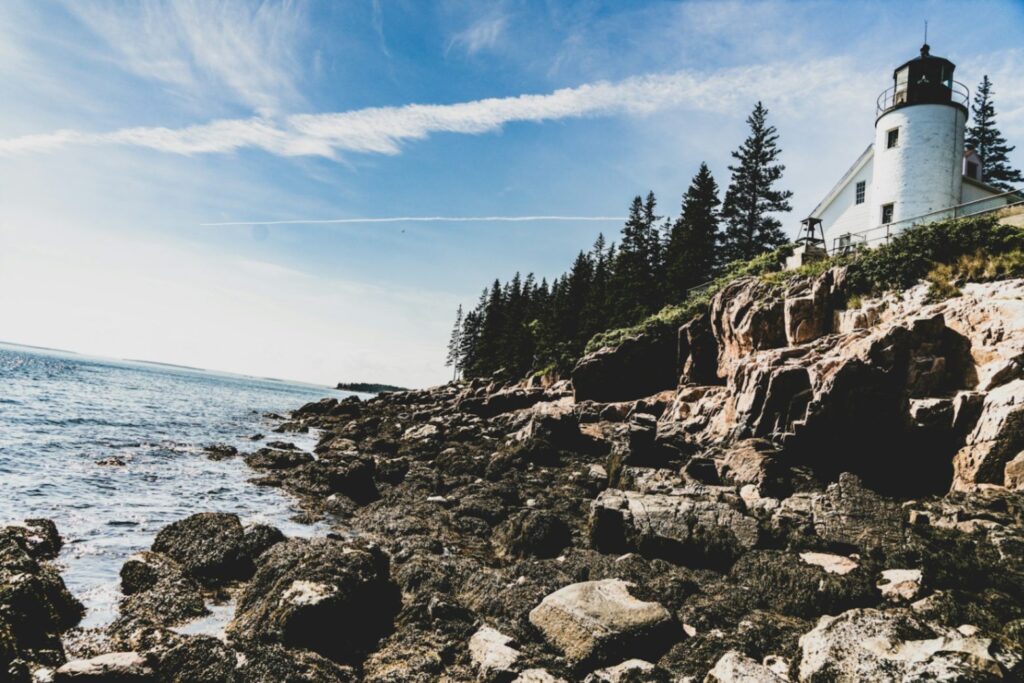
Summer is pleasant, but September into early October is the more interesting window if fall color is important.
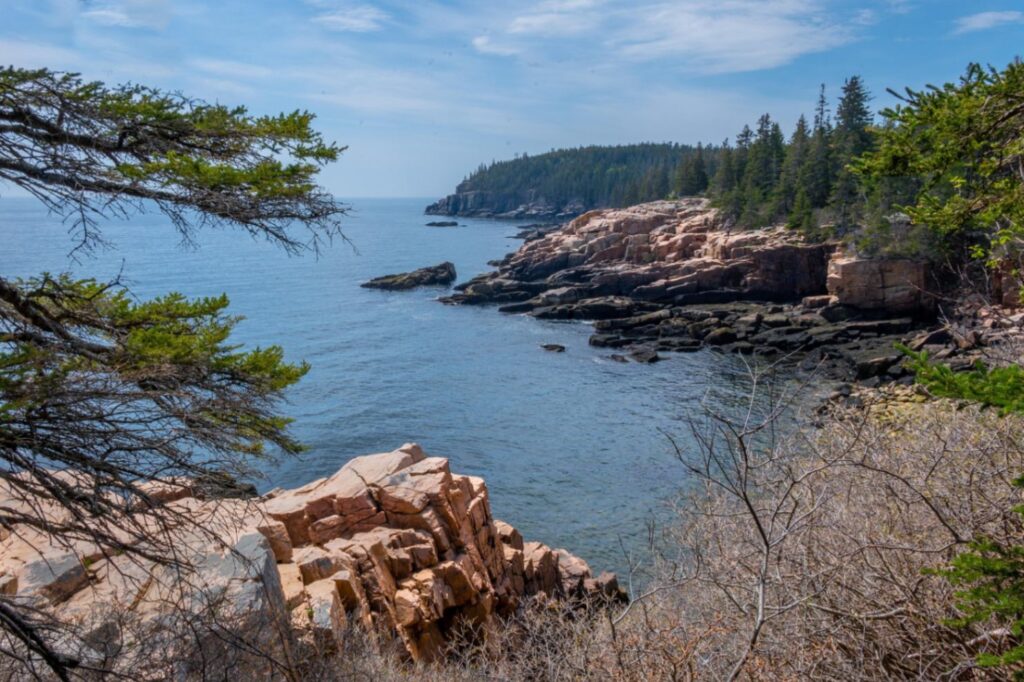
Acadia makes a natural turnaround point.
Camping near Bar Harbor lets you leave the RV parked and spend several days exploring Mount Desert Island.
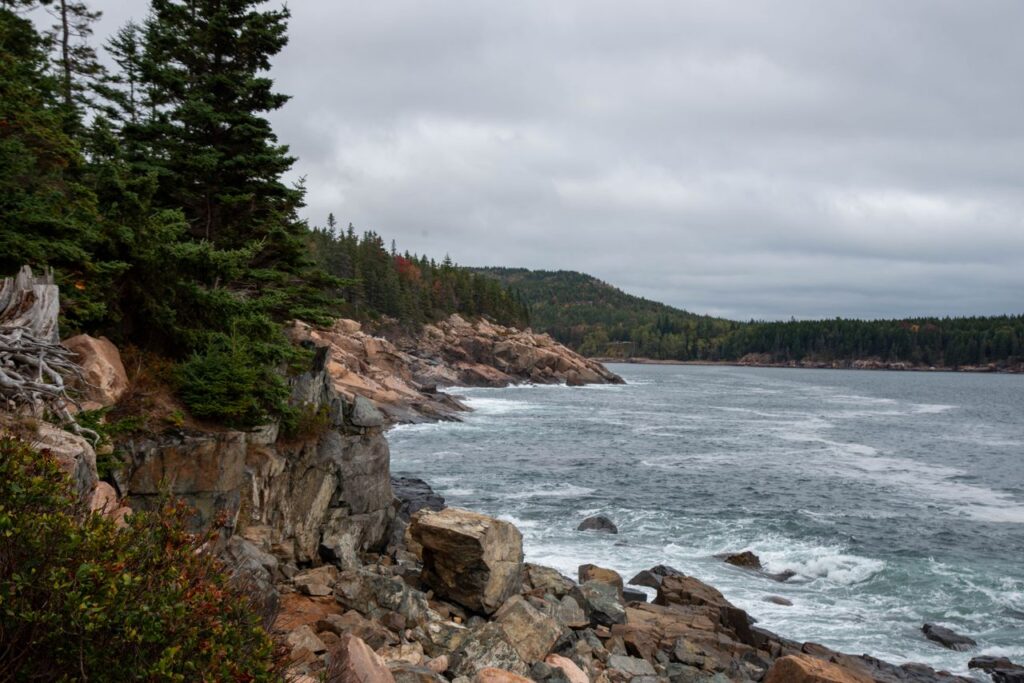
That is especially useful because Acadia has multiple RV restrictions.
The park therefore works better when the campground is your base instead of trying to take the RV everywhere.
RV tips
Avoid taking a large motorhome into historic town centers unless you already know where you will park.
Use campground shuttles or a smaller tow vehicle whenever possible.
Don't miss
- Maine coastal towns
- Portland
- Camden
- Bar Harbor
- Acadia National Park
- Park Loop Road
- Jordan Pond area
Why choose this route: You want the classic RV experience without committing to the huge distances of the American West.
Which RV USA Road Trip Route Should You Choose?
For your first long RV road trip, Route 66 is probably the easiest place to start. Services are frequent, interstate alternatives are always nearby, and you can adjust the daily mileage without ruining the itinerary.
For national parks, choose Utah's Mighty 5 if you have about ten days. Pick the Southwest Grand Circle if you have closer to two weeks.
For wildlife, Yellowstone and Grand Teton are hard to beat.
For mountain driving without enormous cross-country mileage, the Blue Ridge Parkway makes more sense, although the 2026 repair closures mean you'll need to build detours into the plan.
For a winter RV vacation, the Florida Keys are the clear choice.
For coastal scenery, choose the Pacific Coast Highway if you're comfortable driving a smaller RV on winding roads. Olympic Peninsula is the easier alternative if you'd rather keep most of your driving on more forgiving highways.
And if the actual dream is Glacier National Park, go. Just don't plan on taking a typical RV across Going-to-the-Sun Road because the 21-foot vehicle-combination restriction applies on its narrow central section.
What to Check Before Starting Any RV Road Trip
An RV-friendly route can still contain one road, tunnel, campground, or parking lot that does not work for your rig. Before leaving, confirm your complete vehicle dimensions: height, width, motorhome length, and total tow combination length.
Then check road restrictions and closures again shortly before each driving day. This is particularly important in national parks, mountain regions, and coastal areas prone to rockslides.
For campground reservations, verify the site's stated maximum length. Yellowstone is a good example of why this matters: individual NPS campgrounds have substantially different RV-length limits.
Finally, don't build an RV itinerary around ordinary car travel times. Fuel stops take longer. Mountain roads are slower. Scenic pullouts become part of the trip. And after five hours in a large motorhome, another “quick” two-hour drive rarely feels quick.
Final Pick
If you can make only one epic RV trip in 2026, Historic Route 66 has a special advantage.
For scenery alone, though, the Southwest Grand Circle is harder to top. It combines several of America's most recognizable landscapes without requiring the enormous mileage of a true coast-to-coast journey.
Whichever route you choose, build the itinerary around the RV rather than forcing the RV into an itinerary designed for a car. That one decision makes almost every road trip easier.
Car rental search form
FAQ
What is the best RV road trip in the USA for beginners?
Route 66 is one of the easiest choices. You get plenty of towns and services, while nearby interstates provide an alternative whenever an old section of the historic route is uncomfortable for your RV.
Which RV road trip is best for national parks?
The Utah Mighty 5 is an excellent choice for a 10-to-14-day trip because Zion, Bryce Canyon, Capitol Reef, Canyonlands, and Arches can be combined without enormous cross-country driving distances.
Can RVs drive through national parks?
Usually, but not on every road. Restrictions can depend on height, width, length, road geometry, or parking availability. Glacier's Going-to-the-Sun Road and Acadia's Cadillac Summit Road are two clear examples where a normal passenger vehicle can go somewhere many RVs cannot.
How many miles should you drive an RV each day?
For a sightseeing-focused trip, roughly 150–250 miles is often more comfortable than trying to cover 400 or 500 miles every day. On slow scenic highways, even 100–150 miles can fill most of the day.
What is the best time for an RV road trip across the USA?
Late spring and early fall generally provide the best balance of temperatures and crowds, but there is no single season for every route. High-elevation roads in Glacier or Yellowstone have short summer seasons, while the Florida Keys are far more comfortable during winter.
Do RV road trips need campground reservations?
For popular national parks and destinations such as the Florida Keys, Yellowstone, Glacier, and Acadia, reserving ahead is wise. Acadia specifically states that its park campsites require advance reservations and does not permit overnight parking as an alternative.