
Affiliate Note: Some links may be affiliate links. We may earn a small commission at no extra cost to you, and we only share recommendations we believe are useful.
Planning Your Trip: Best Places to Visit in the Western USA
The western half of the United States can turn one vacation into several very different trips. You can watch sunrise over a desert canyon, walk beneath giant sequoias, spend the afternoon beside the Pacific, or eat dinner in a city neighborhood without ever leaving the region.
The challenge is distance. A map makes Yosemite, Yellowstone, Seattle, and the Grand Canyon look like parts of one manageable loop. In reality, they belong in separate itineraries unless you have several weeks. This guide to the best places to visit in the Western USA sorts the region by travel style, explains the best time to go, and shows which destinations combine naturally.
Table of Contents
Western USA Destinations at a Glance
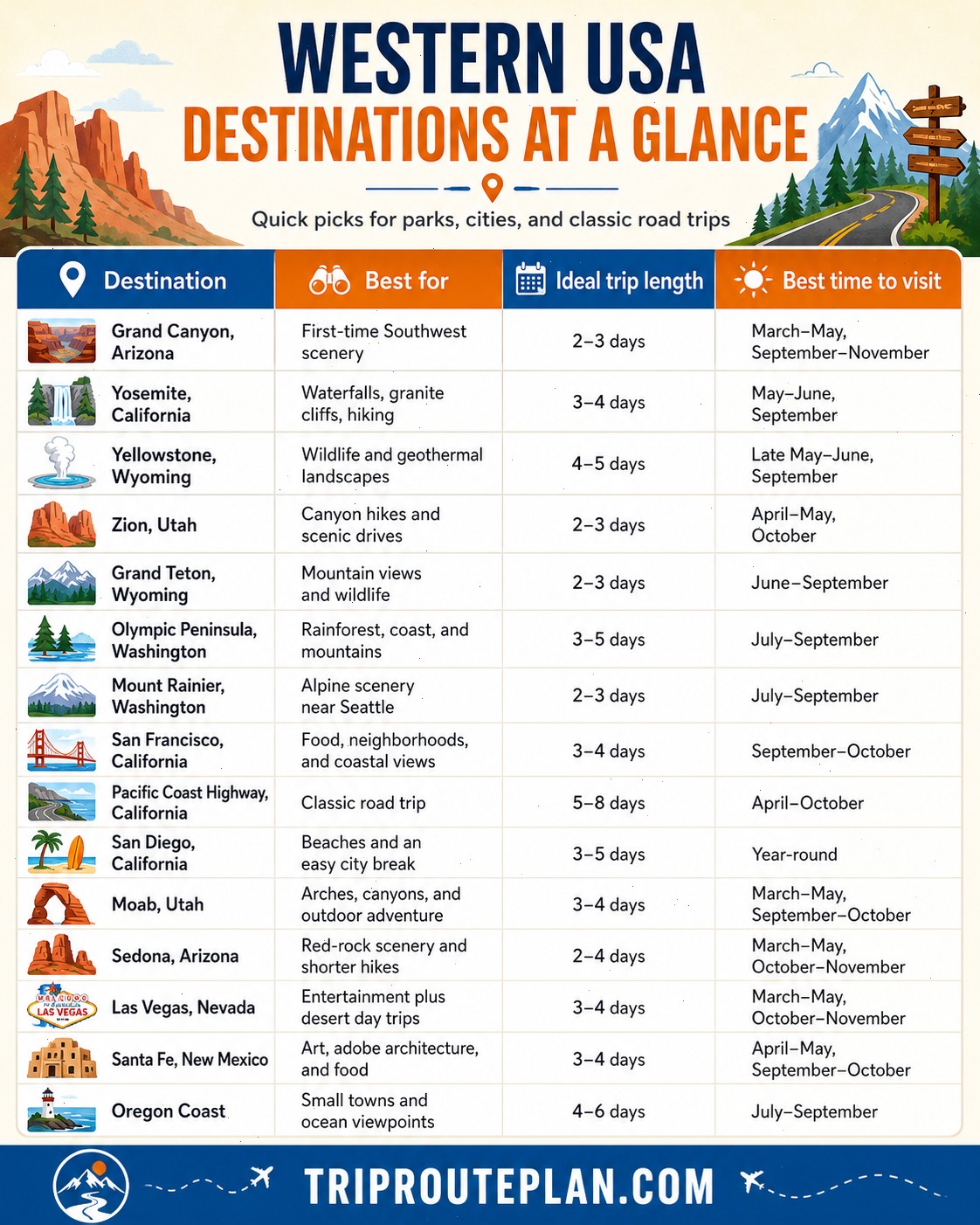
Seasonal conditions vary from year to year. Mountain roads, trails, and park services may remain limited well into spring.
1. Grand Canyon, Arizona
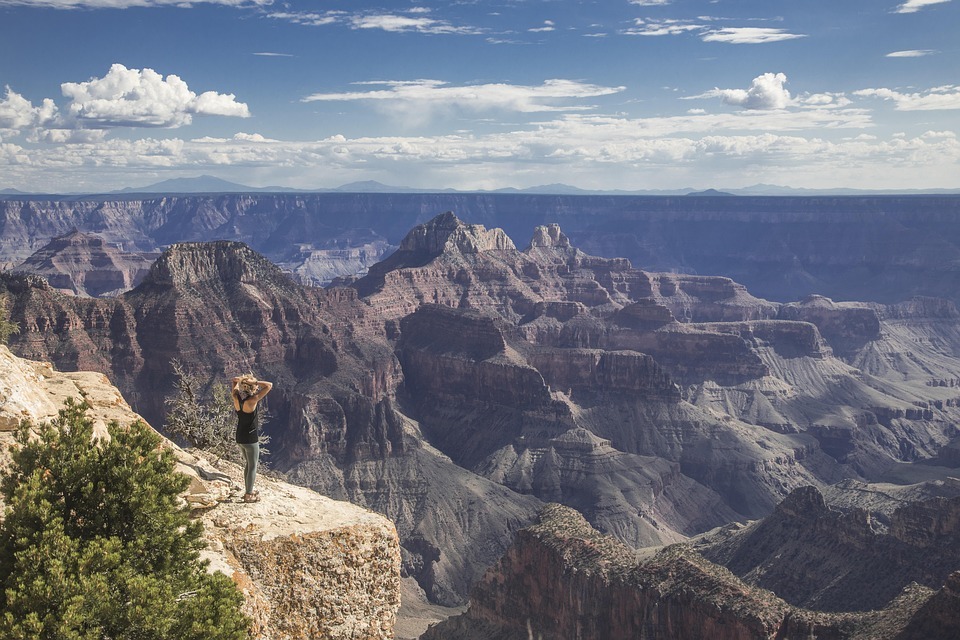
The Grand Canyon is the clearest first choice for travelers who want the scale of the American West in a single view. The South Rim works best for most first visits because it has the broadest selection of overlooks, trails, lodging, and visitor services. You do not have to hike to the river to appreciate it. The Rim Trail links viewpoints with relatively little elevation change, while the first section of Bright Angel Trail gives stronger hikers a look below the rim.
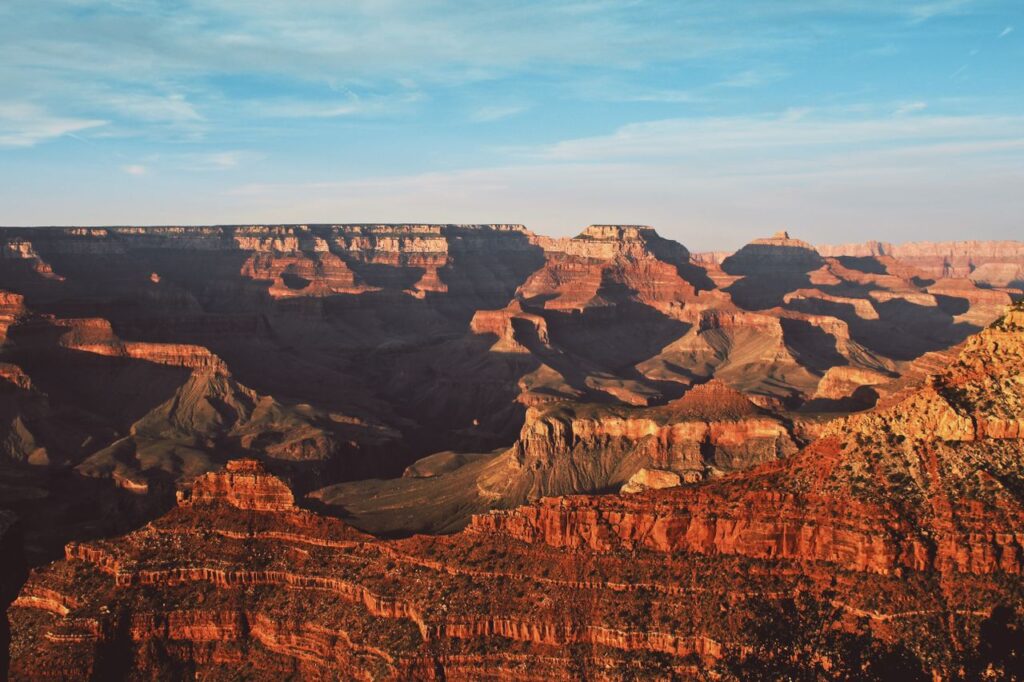
Stay at least one night. Midday light can flatten the canyon, while sunrise and late afternoon reveal its layers. Williams and Flagstaff are useful bases, but lodging inside or close to the park makes early starts much easier.
Good to know: The North Rim is quieter and higher, but its season is shorter and access depends on winter conditions. Check current roads and services before building a route around it.
2. Yosemite National Park, California
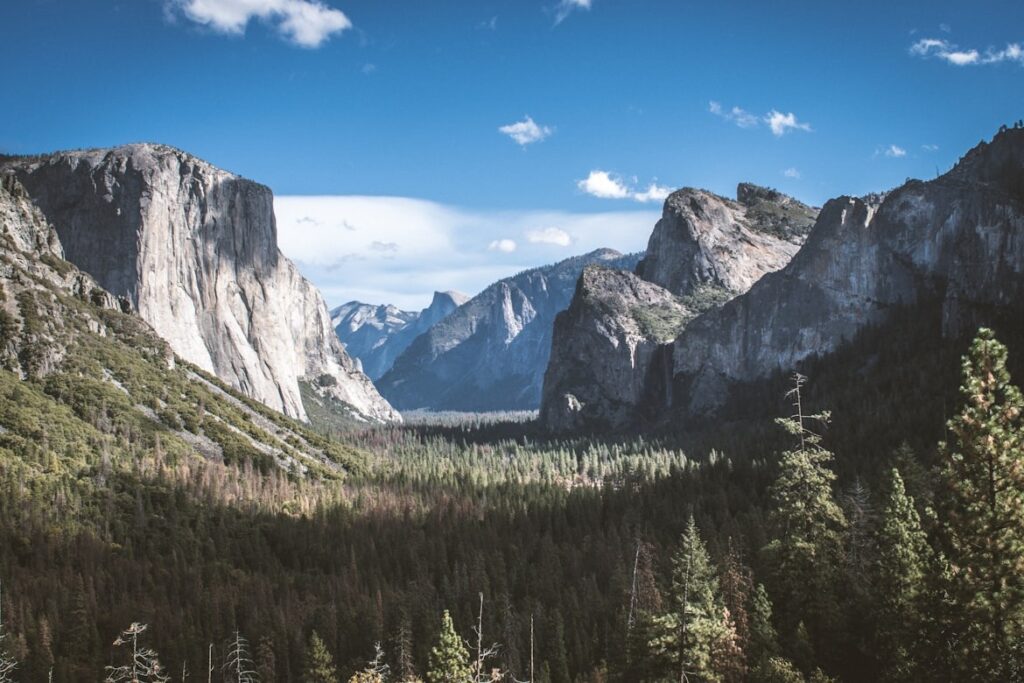
Yosemite Valley contains an almost unreasonable concentration of landmarks: El Capitan, Half Dome, Yosemite Falls, Bridalveil Fall, and meadows threaded by the Merced River. It deserves more than a hurried photo stop, especially in late spring when waterfalls are strongest.
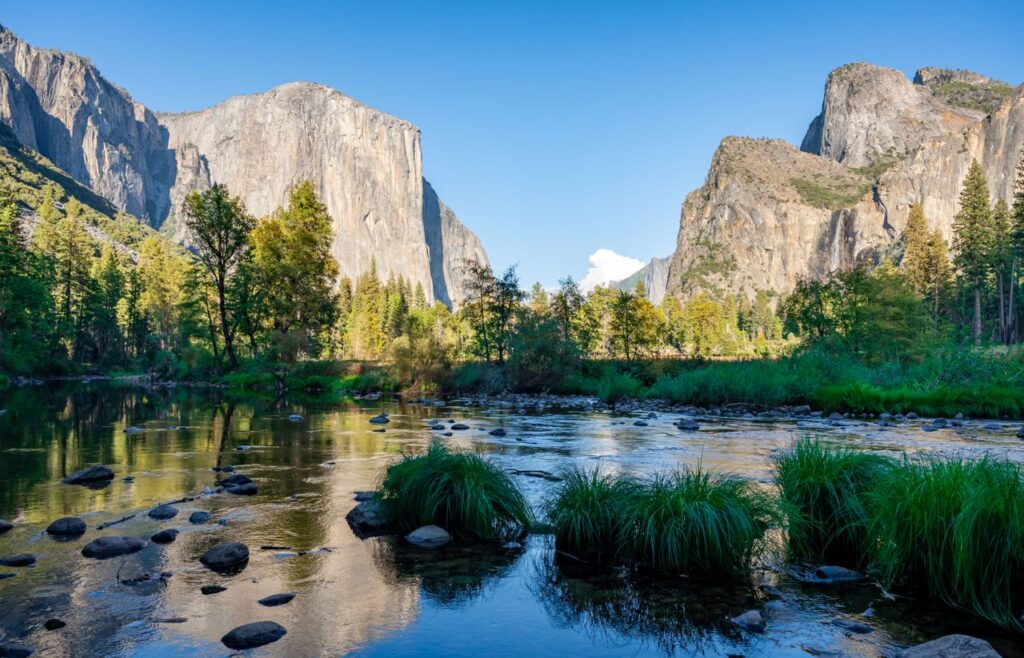
Two or three full days let you explore the valley, drive to Glacier Point when the road is open, and see giant sequoias in Mariposa Grove. Summer brings the widest access and the largest crowds. September is a good compromise for hiking and road access, though waterfalls are usually smaller.
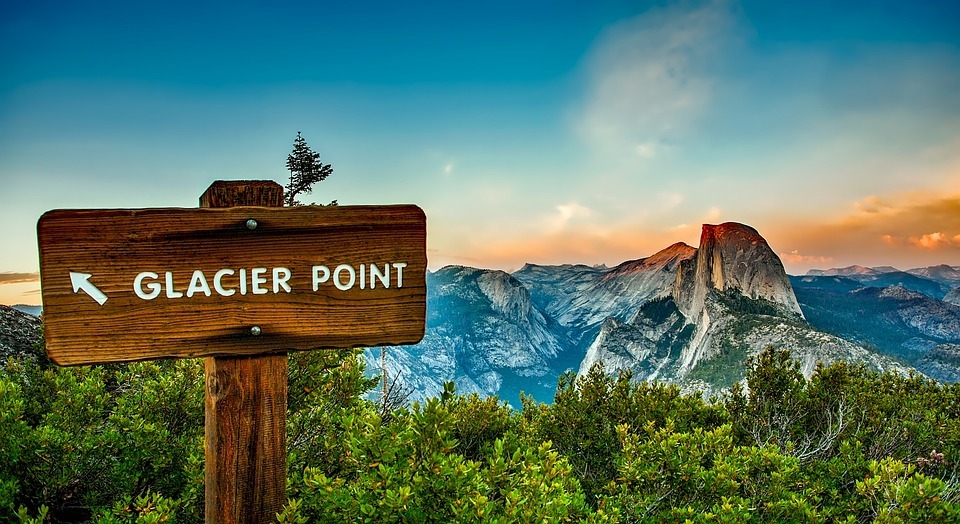
Yosemite does not require a timed vehicle reservation in 2026, but that does not remove congestion. Parking can fill early, particularly on weekends and holidays. Arrive early, use park transportation where available, and avoid planning a tight onward drive on the same evening.
3. Yellowstone National Park, Wyoming, Montana, and Idaho
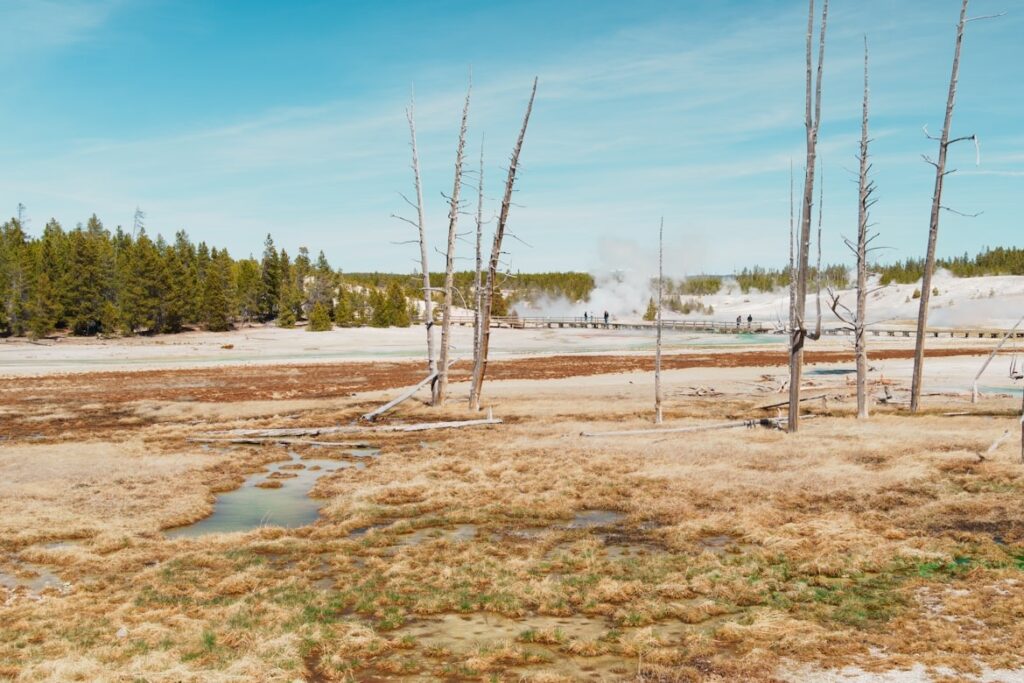
Yellowstone is not one attraction. It is a huge park made up of geyser basins, waterfalls, lakes, forests, and wildlife valleys connected by slow roads. Old Faithful is the familiar landmark, but Grand Prismatic Spring, the Grand Canyon of the Yellowstone, Hayden Valley, and Lamar Valley make the destination worth several days.
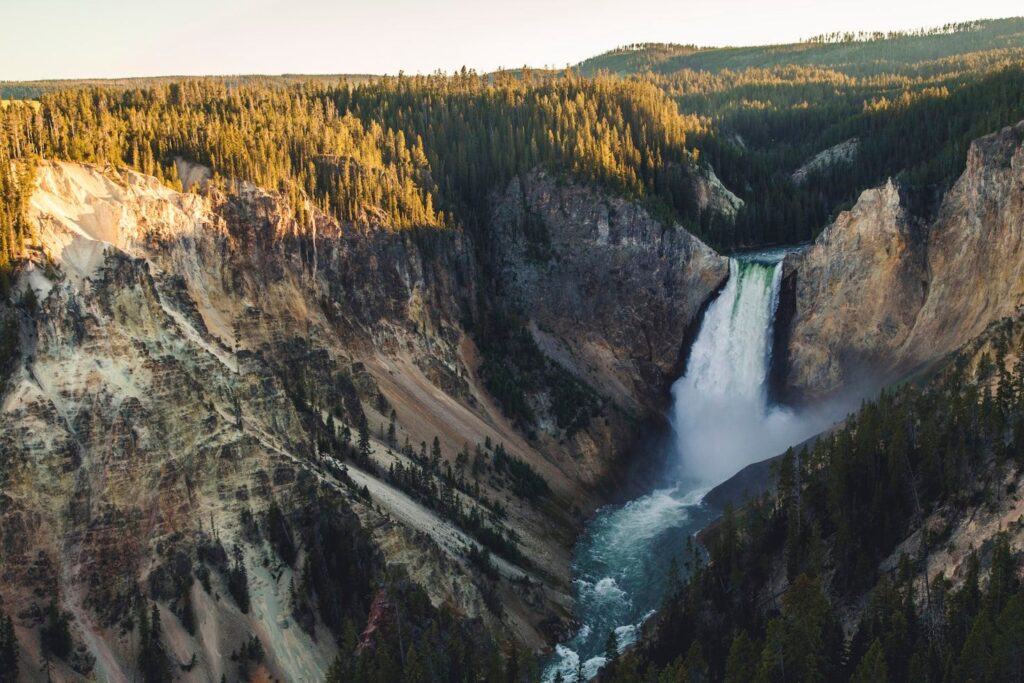
Four nights is a sensible minimum for a first trip. Splitting your stay between two parts of the park reduces backtracking. Dawn and dusk are generally the most productive times for wildlife viewing, but animals are wild and distances should be respected.
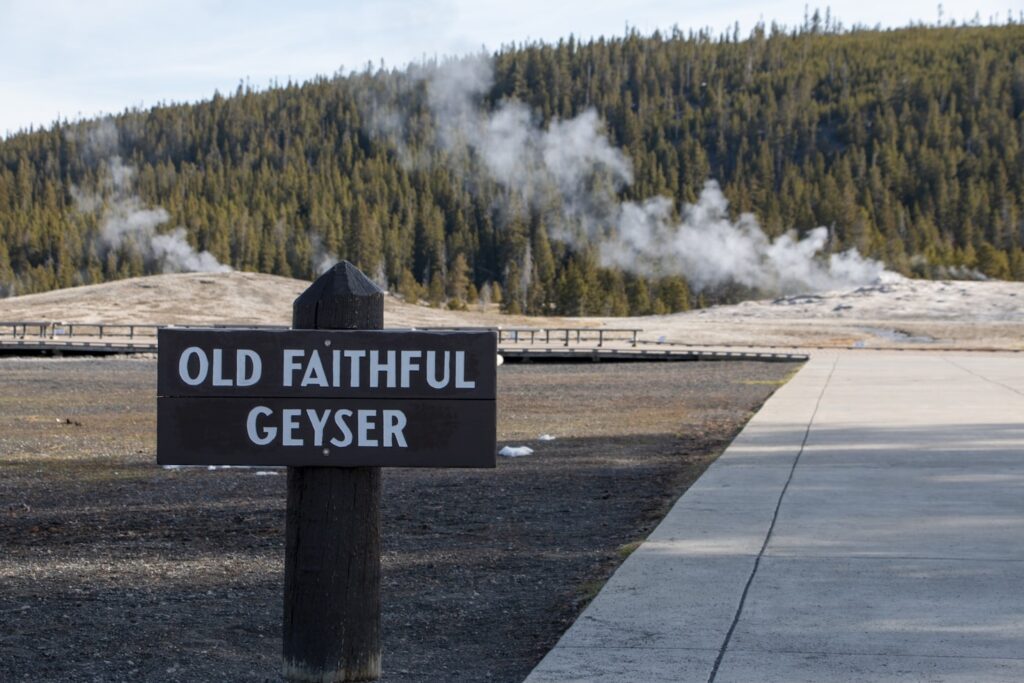
Yellowstone pairs naturally with Grand Teton. It does not pair efficiently with Yosemite or the California coast unless you are planning a much longer western road trip.
4. Zion National Park, Utah
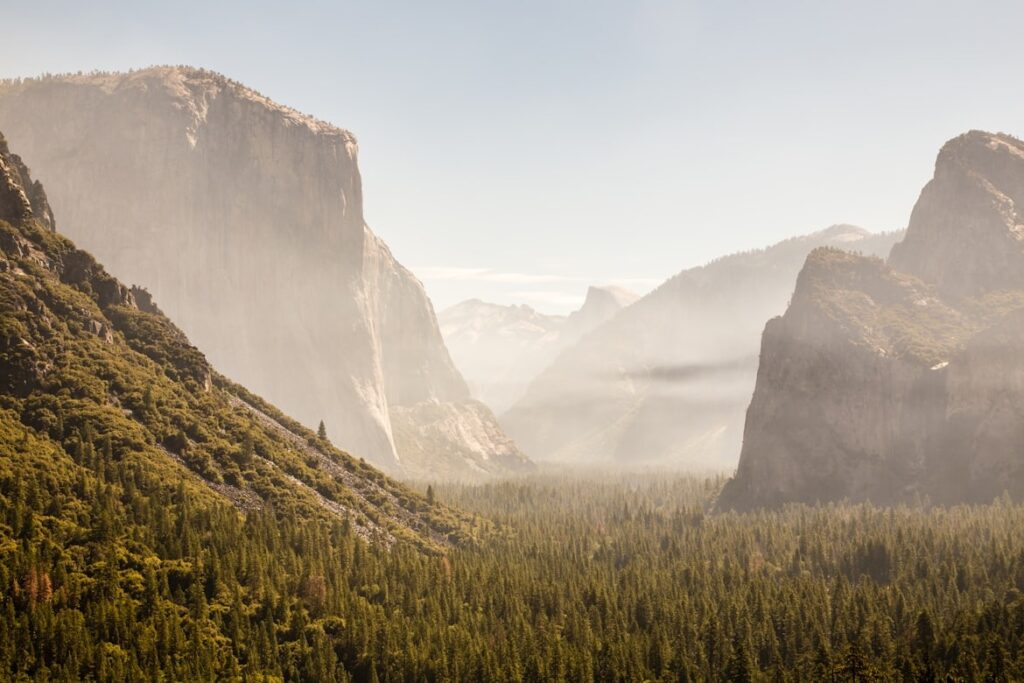
Zion places the traveler at the bottom of a canyon rather than only at an overlook. That makes the park feel immediate: sandstone walls rise above the road, the Virgin River runs beside trails, and even short walks deliver strong scenery.
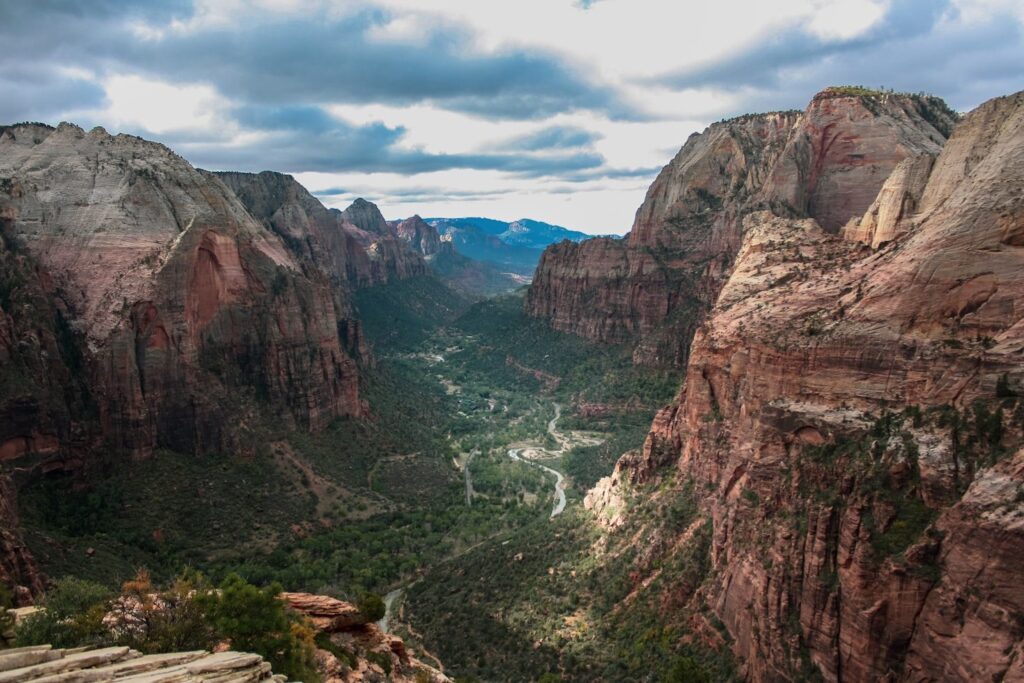
The Narrows and Angels Landing receive most of the attention, but neither is a casual add-on. River conditions affect the Narrows, while Angels Landing requires a permit for the chain section. Travelers who want lower-stress options can look at Pa'rus Trail, Riverside Walk, Canyon Overlook Trail, or the Emerald Pools area, subject to current trail conditions.
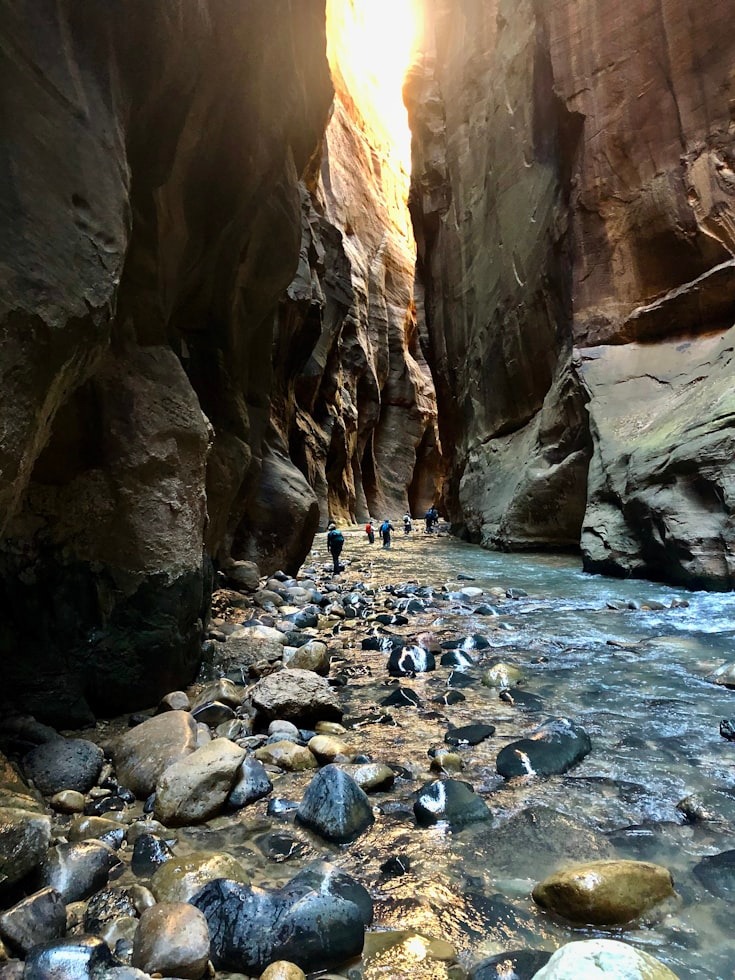
Springdale is the practical base. In the main season, the park shuttle shapes how visitors move through Zion Canyon, so check the current schedule rather than assuming you can drive to every trailhead.
5. Grand Teton National Park, Wyoming
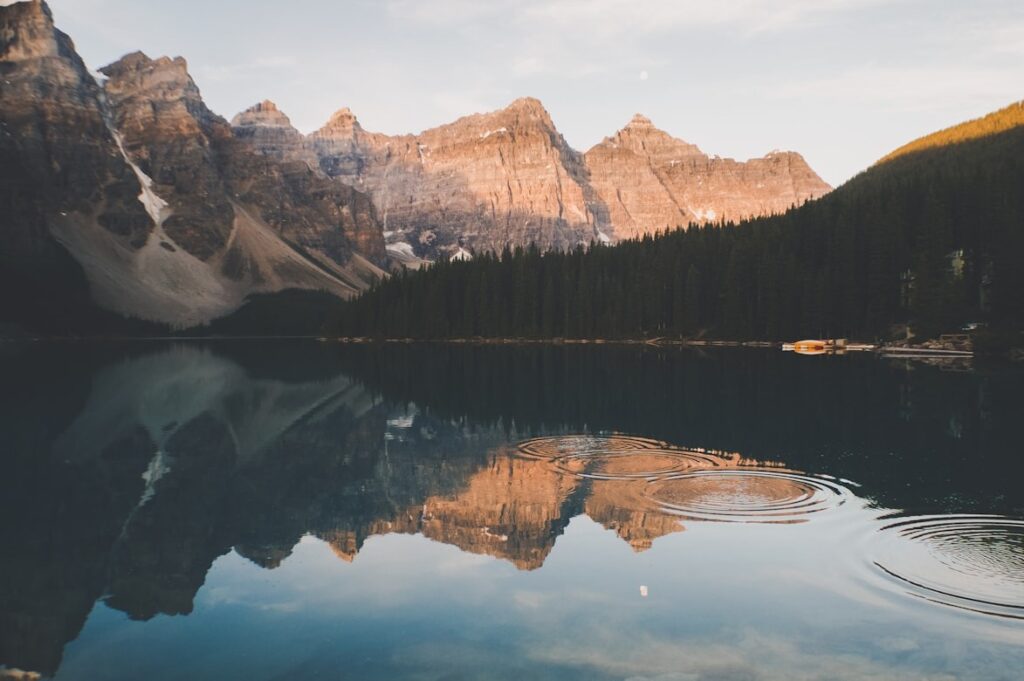
Grand Teton offers one of the West's most accessible mountain landscapes. Peaks rise directly above lakes and open valley floors, creating dramatic views without requiring a long backcountry hike. Jenny Lake, Mormon Row, Oxbow Bend, and the Snake River overlooks fit neatly into a two- or three-day visit.
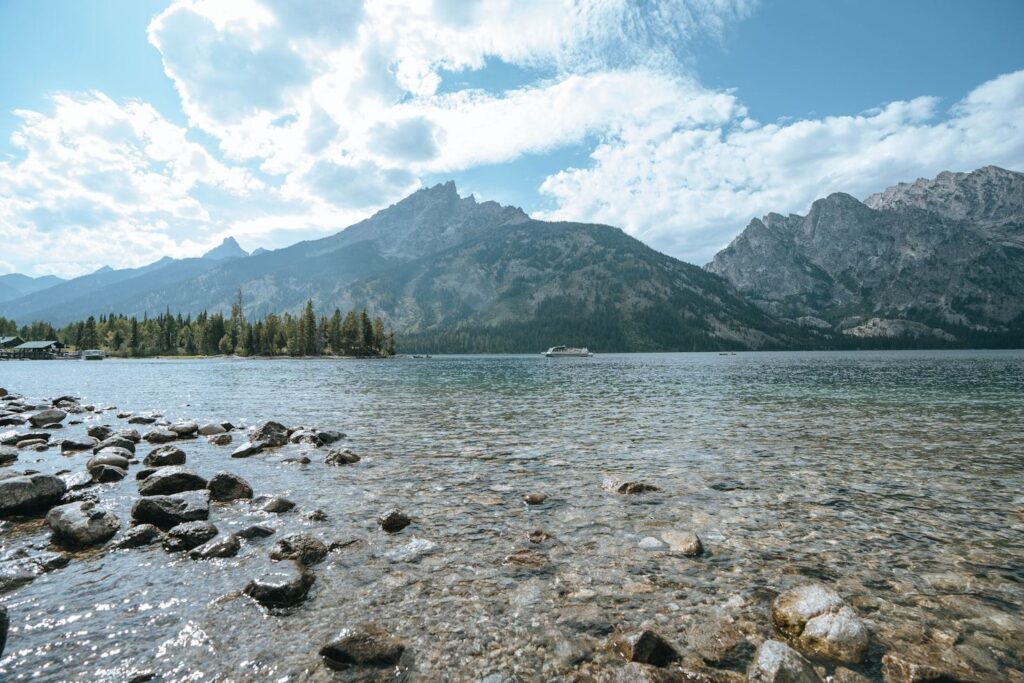
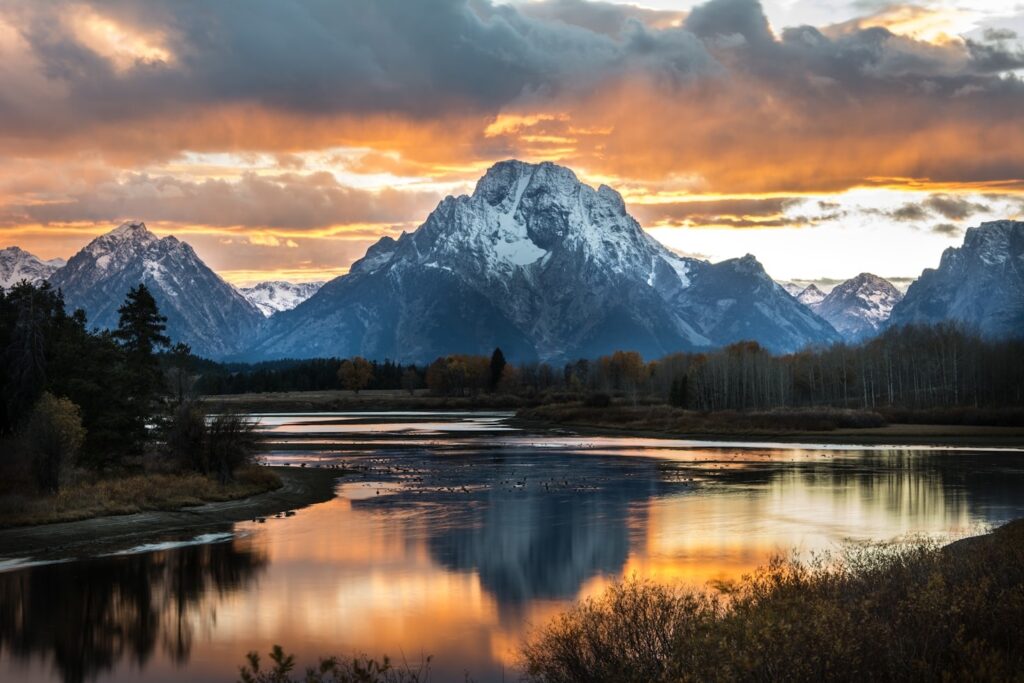
The park suits photographers, wildlife watchers, paddlers, and families who want flexible walks. Jackson provides restaurants and a lively base, while park lodging cuts driving time. Combine Grand Teton with Yellowstone if you have a week or more, but leave room for traffic, wildlife stops, and changing weather.
6. Olympic Peninsula, Washington
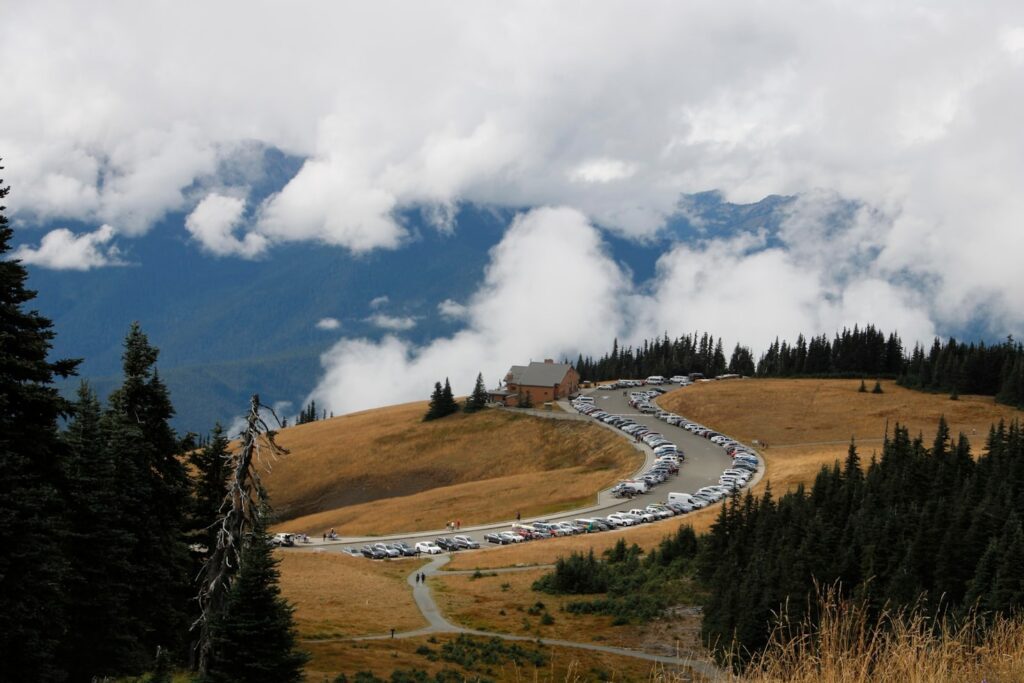
Olympic National Park feels like three destinations sharing one boundary. Hurricane Ridge brings mountain views, the Hoh Rain Forest is dense with moss and old-growth trees, and the Pacific side has driftwood-covered beaches and sea stacks.
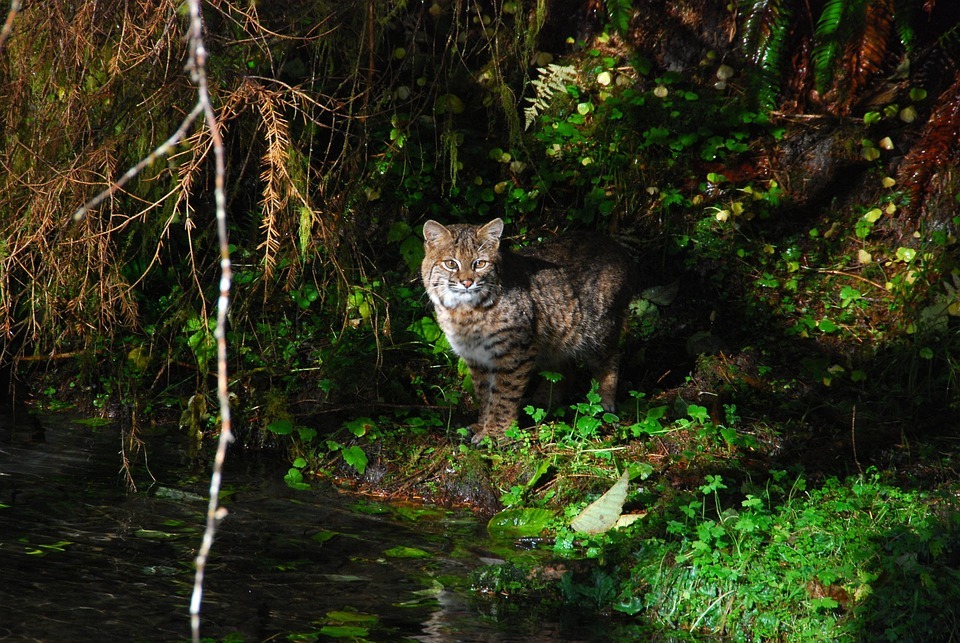
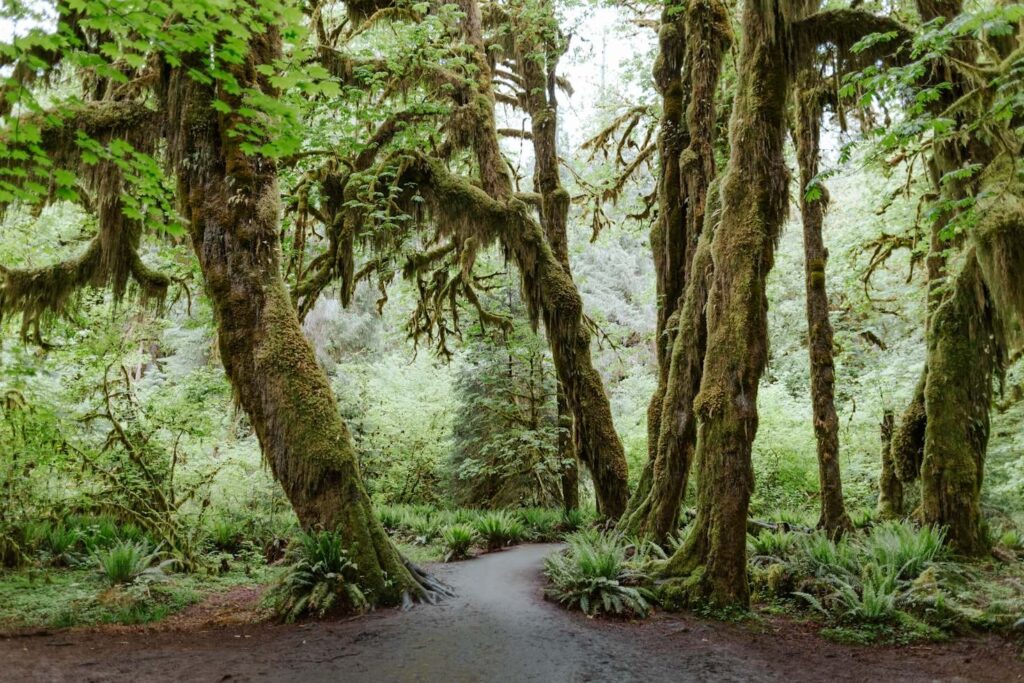
Those areas are far apart. A day trip from Seattle may show one slice of the peninsula, but a three- to five-day loop works much better. Port Angeles is useful for the northern side, while Forks places you closer to the rain forest and outer coast. Pack a waterproof layer even in summer and check road status before departure.
7. Mount Rainier National Park, Washington
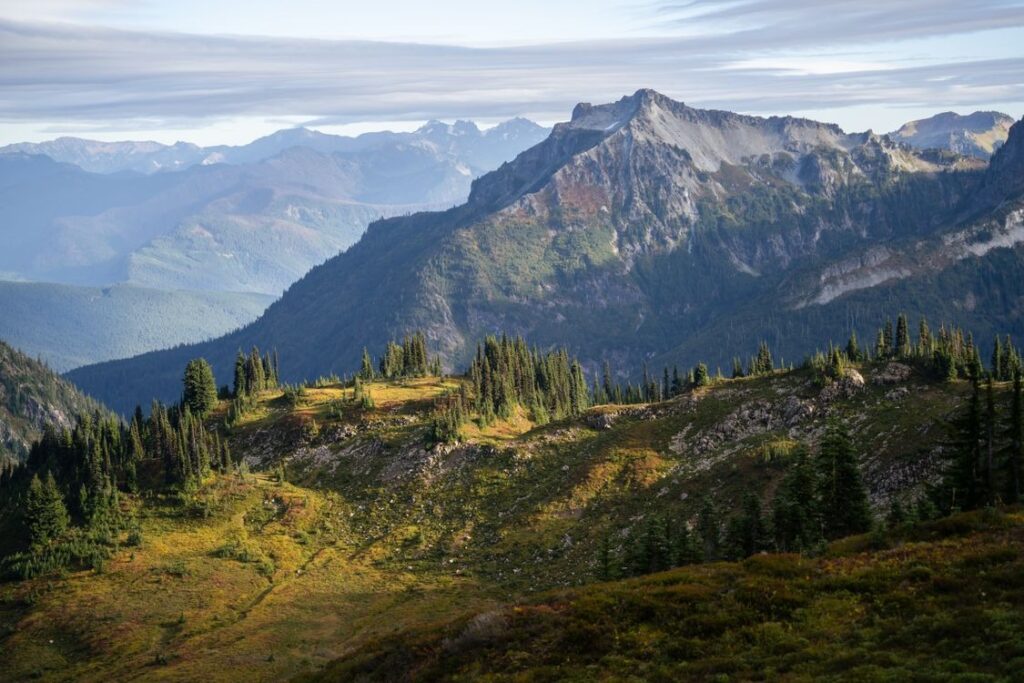
On a clear day, Mount Rainier dominates the horizon from much of western Washington. Up close, the park adds waterfalls, old-growth forest, wildflower meadows, and glacier views. Paradise is the classic first stop; Sunrise, when accessible, gives a different high-elevation perspective.
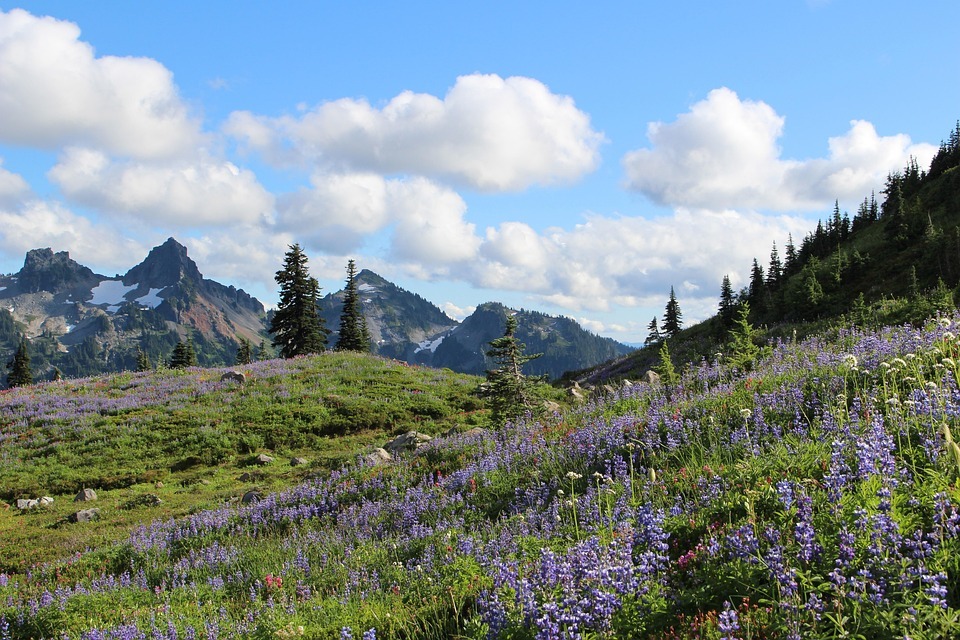
The mountain creates its own weather, so a flexible day helps. July through September generally offers the most reliable trail access, but snow can linger. Seattle is close enough for a day tour, although staying near the park gives you a better chance to work around cloud cover and start before the busiest hours.
8. San Francisco, California
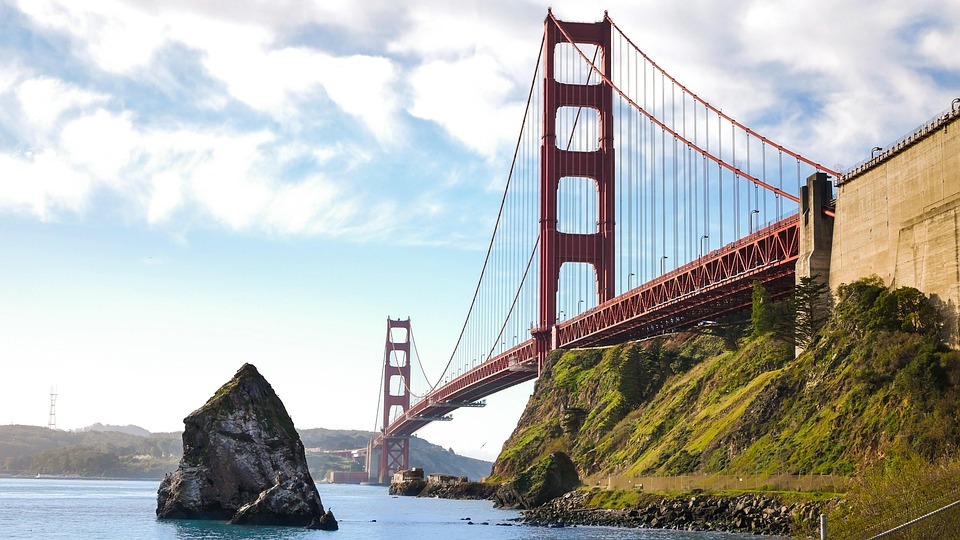
San Francisco earns its place through neighborhoods rather than a checklist alone. The Golden Gate Bridge, Alcatraz, and cable cars matter, but so do a walk through Chinatown, food in the Mission, the waterfront at the Embarcadero, and the city views from its hills.

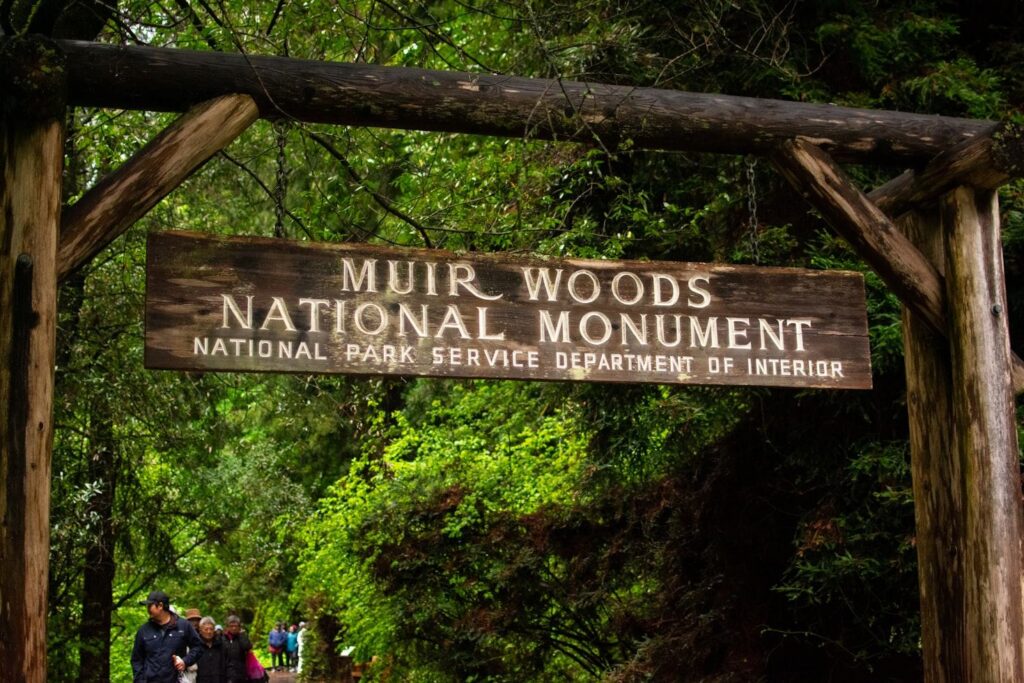
Three days is enough for a strong introduction. Add another day for Muir Woods, Sausalito, or a longer Bay Area outing. September and October often bring clearer, warmer conditions than early summer. Whatever the month, carry a layer. Temperatures and wind can change sharply between neighborhoods.
9. Pacific Coast Highway, California
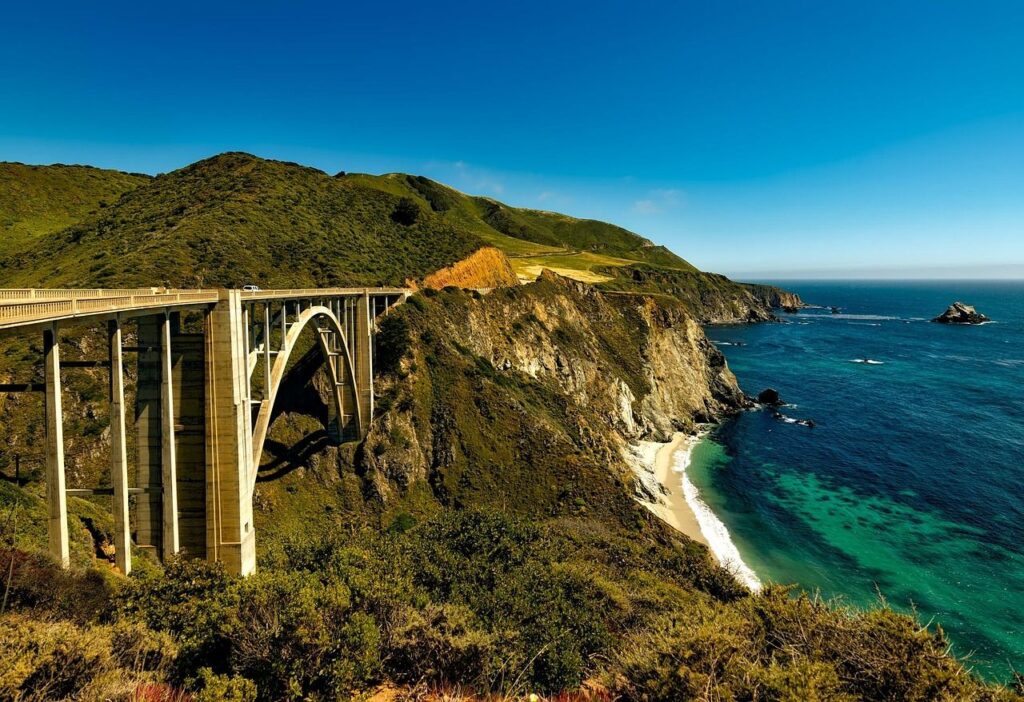
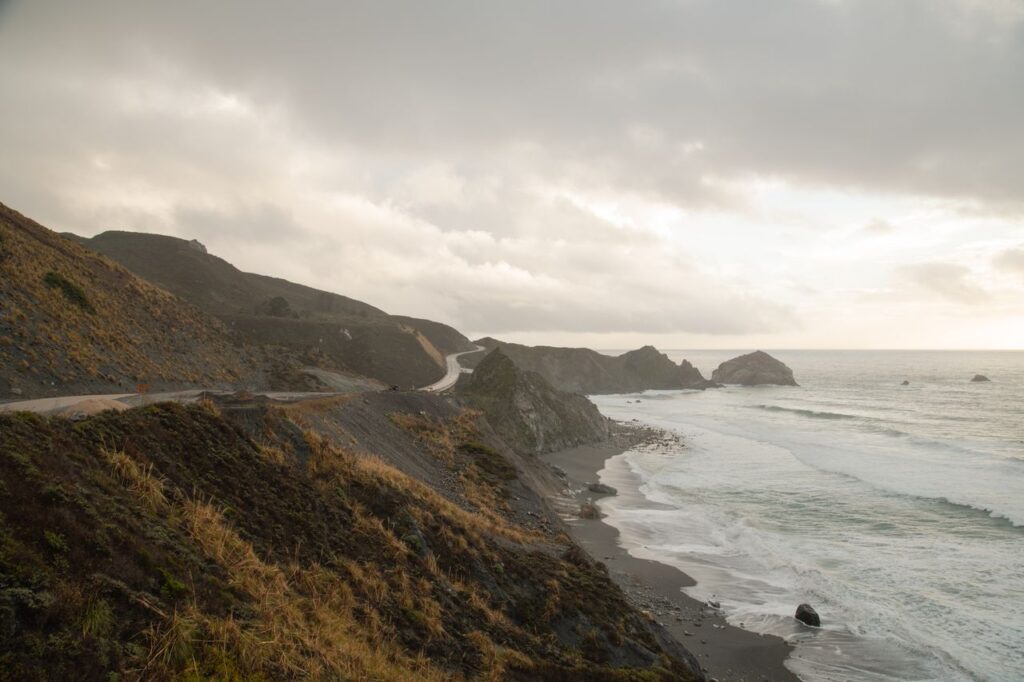
California's coast is a journey rather than one destination. The most famous section links Monterey and Carmel with Big Sur, but a longer route can continue through San Luis Obispo, Santa Barbara, Malibu, and Los Angeles.
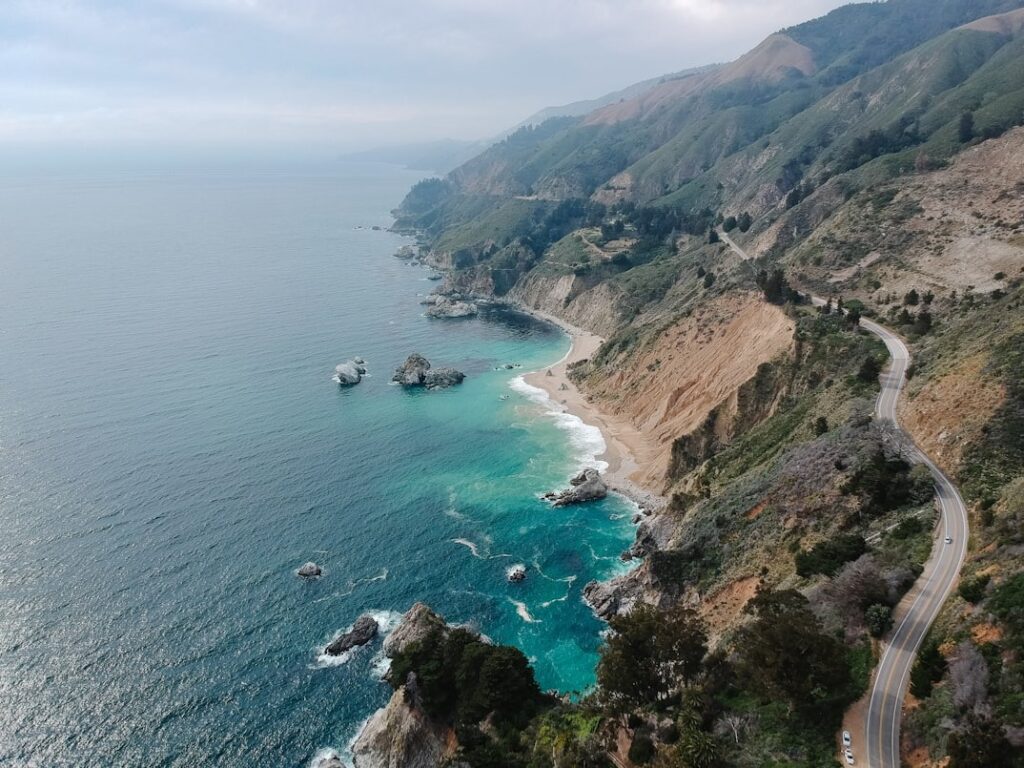
Do not measure the trip by mileage alone. Viewpoints, short walks, traffic, and roadwork slow the drive. Highway 1 also experiences closures after storms and landslides, so verify the entire route shortly before travel. If a section is closed, build a realistic inland detour rather than relying on a navigation app at the last minute.
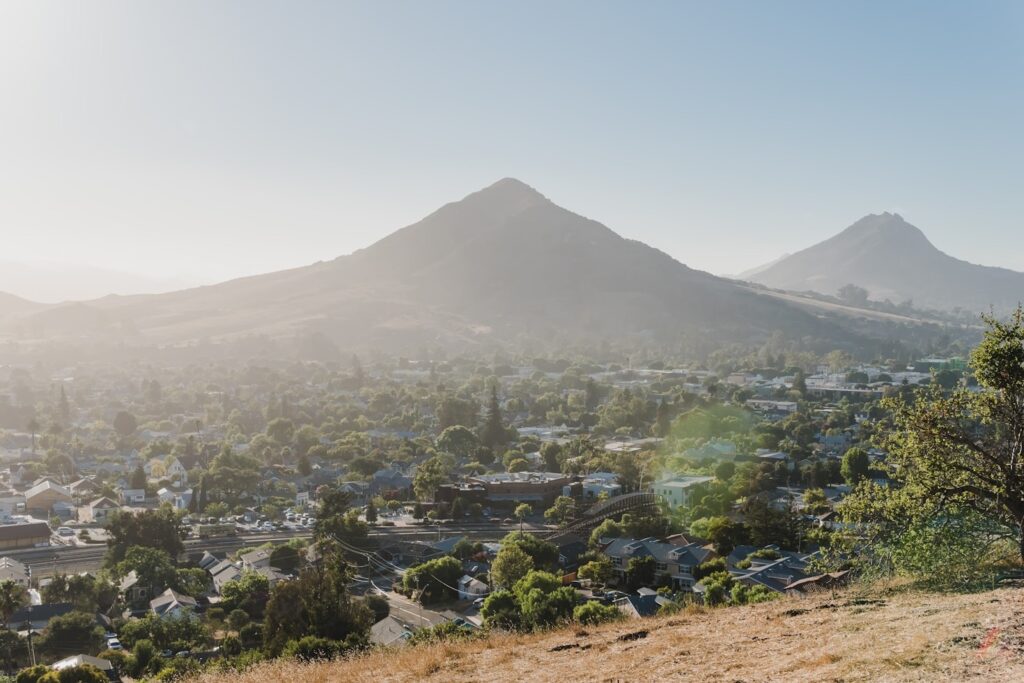
For a relaxed trip, allow at least two nights between San Francisco and Los Angeles. Five to seven days gives the coast room to breathe.
10. San Diego, California
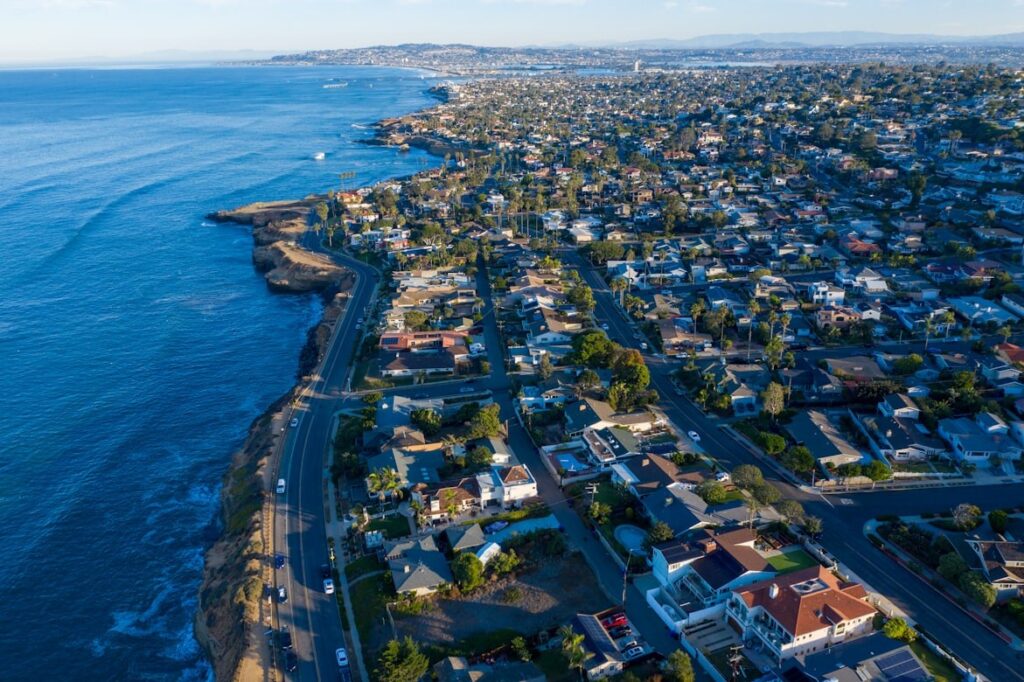
San Diego is one of the easiest Western USA vacation spots for travelers who want good weather and a less demanding schedule. Balboa Park, the waterfront, La Jolla, Coronado, and the city's beaches can fill several days without long transfers.
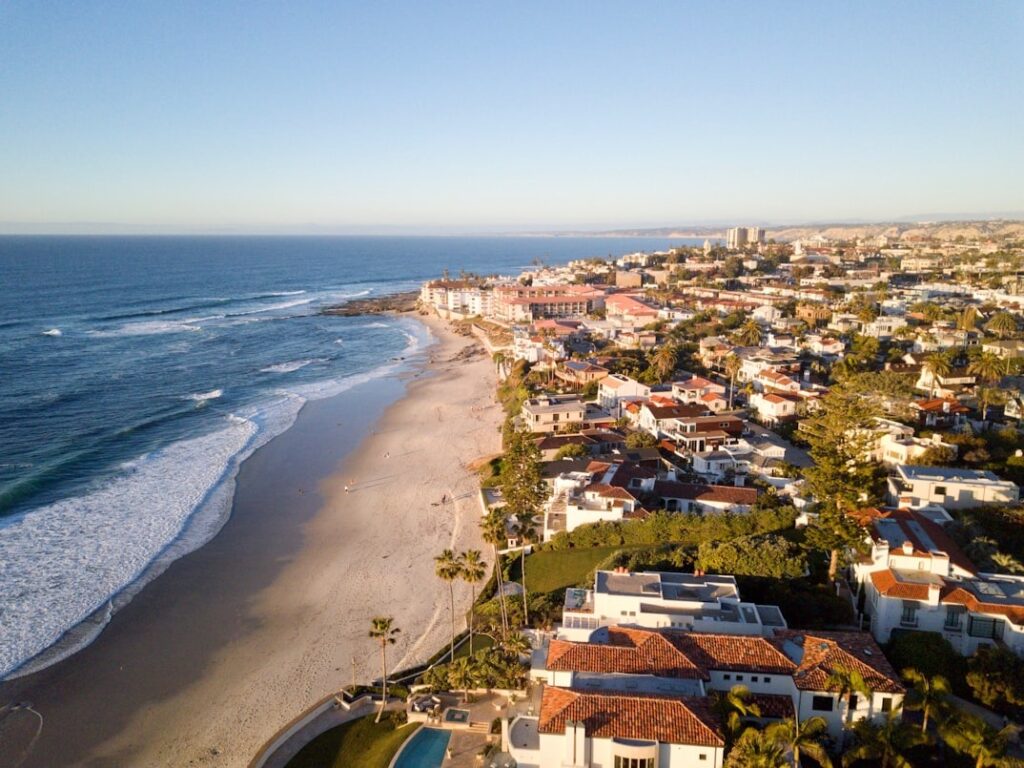

Families often center a trip around the San Diego Zoo and museums in Balboa Park. Couples may prefer La Jolla, Little Italy, and a coastal sunset. A car helps for dispersed beaches and neighborhoods, but it is possible to plan city days without driving everywhere.
11. Moab, Utah
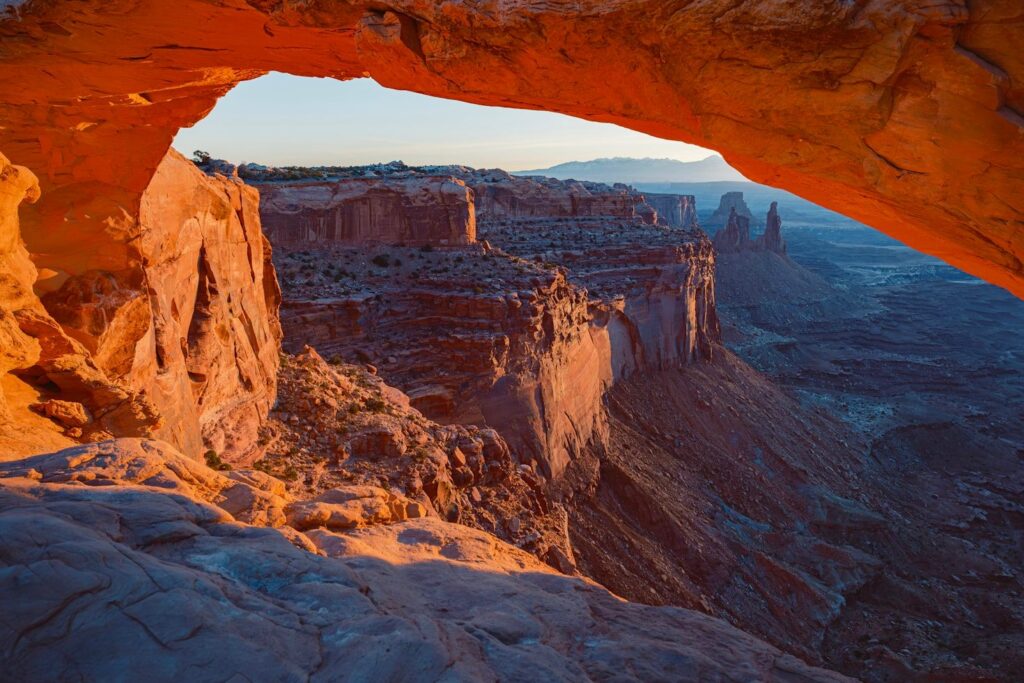
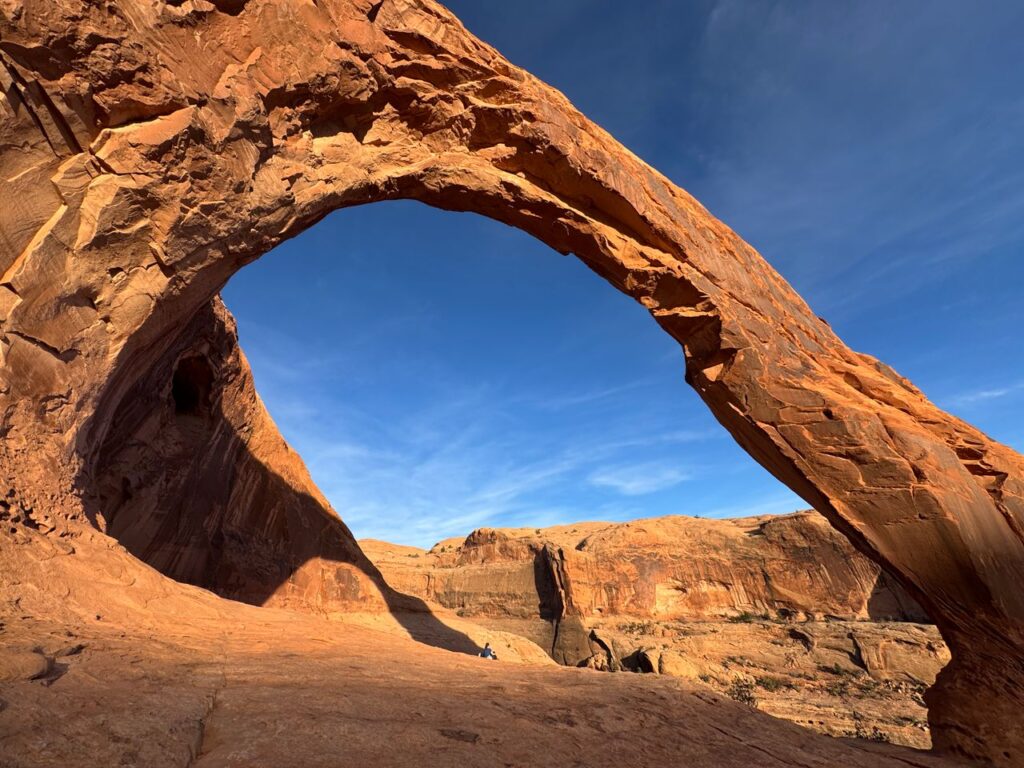
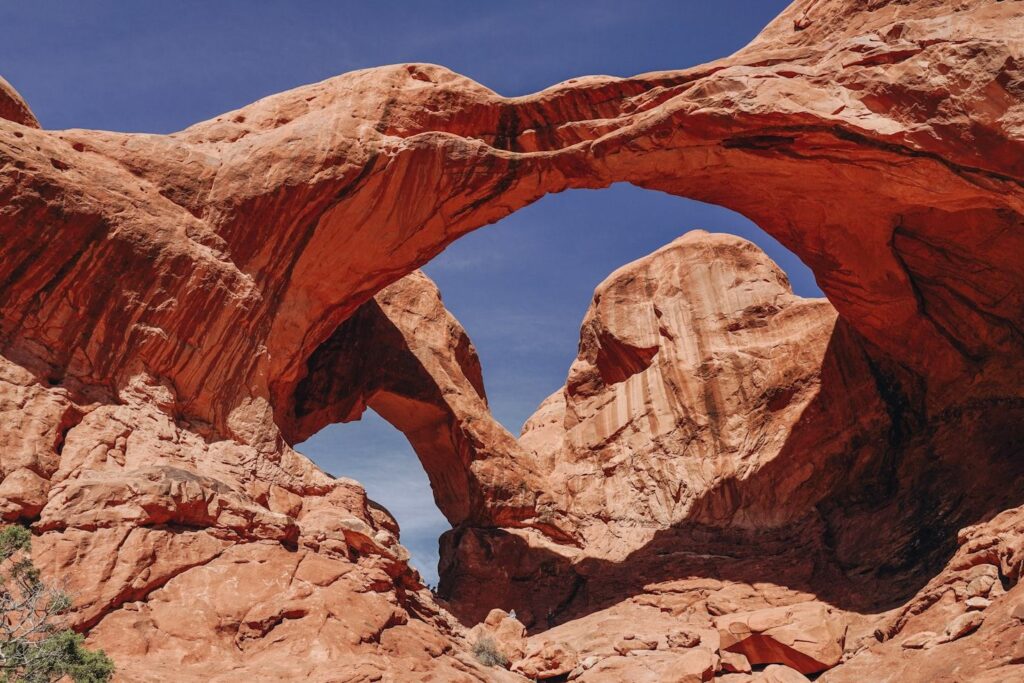
Moab gives access to two distinct national parks. Arches is known for Delicate Arch, Landscape Arch, and a high concentration of sandstone formations. Canyonlands is larger, quieter, and more expansive, with Island in the Sky offering the easiest first look.
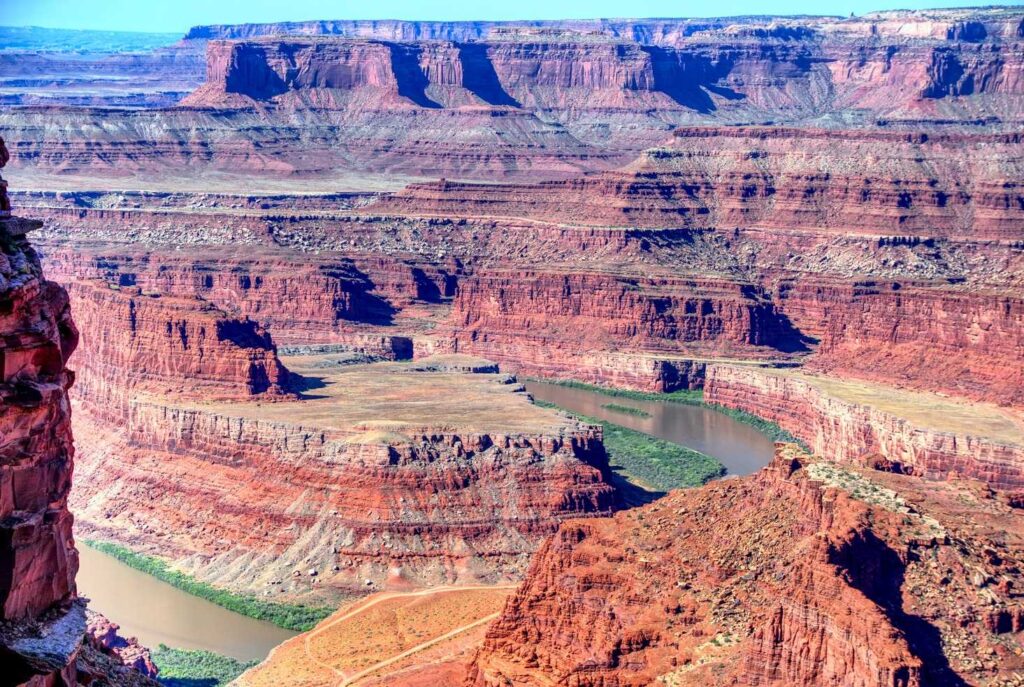
Three or four days allow time for both parks plus Dead Horse Point State Park. Summer heat can make exposed trails unpleasant or unsafe during the middle of the day, so spring and fall are more comfortable for hiking. In 2026, Arches does not use its former timed-entry reservation system, but early arrival remains important when parking and traffic are heavy.
12. Sedona, Arizona

Sedona combines red-rock scenery with a convenient town base. Trails range from short viewpoints to steep climbs, and scenic drives make the area enjoyable even when hiking is not the main goal. Cathedral Rock, Bell Rock, Boynton Canyon, and Airport Mesa are common starting points, but parking pressure can shape the day.
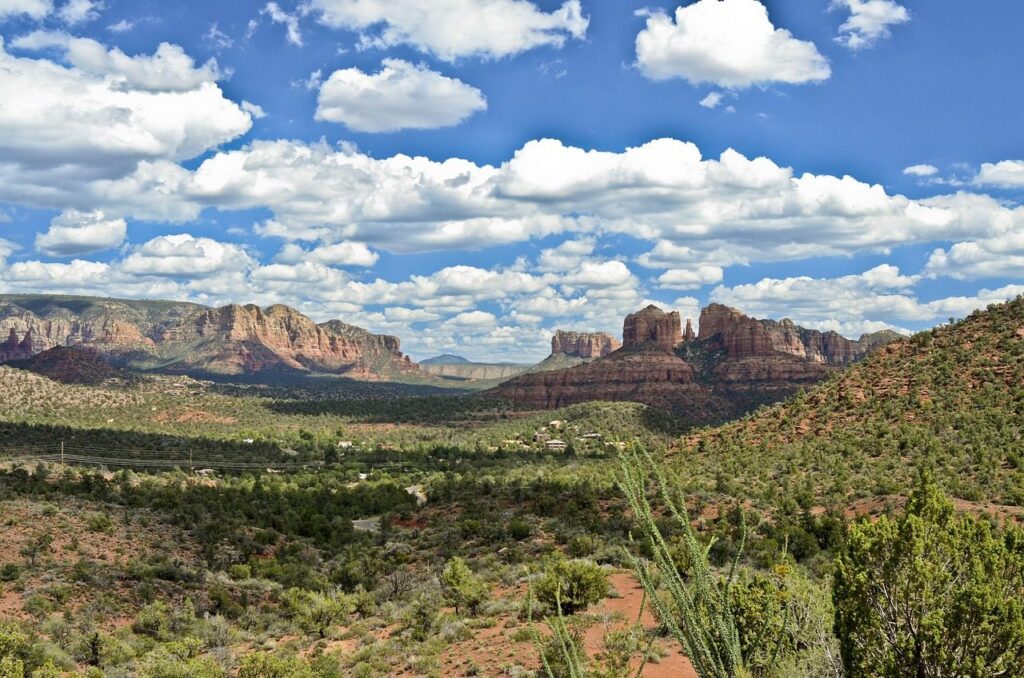
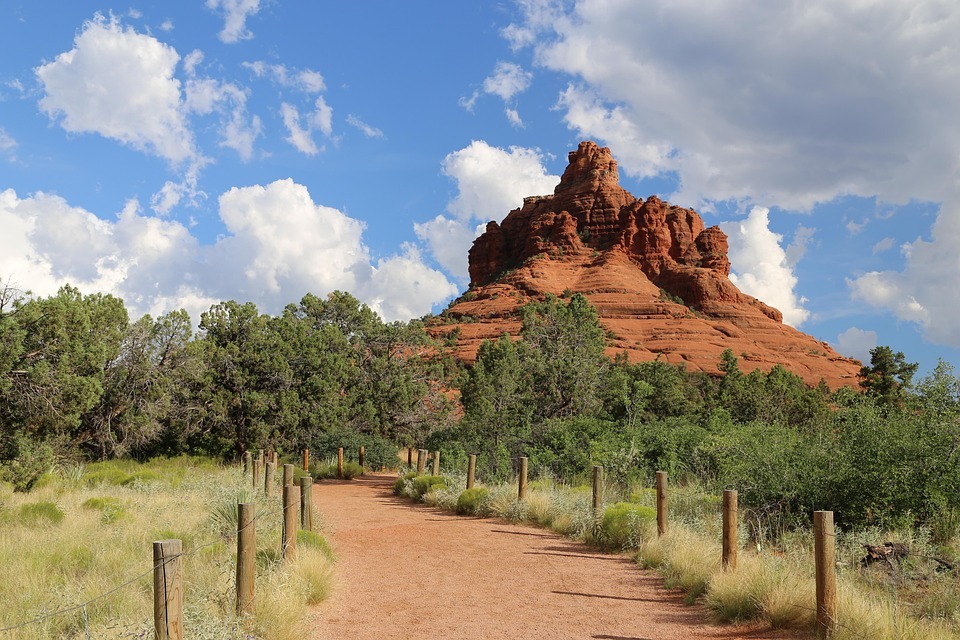
Use local shuttle options where they serve your chosen trailhead. Spring and fall bring comfortable conditions and strong demand. Sedona pairs well with the Grand Canyon, but leave at least two nights if you want more than a quick photo stop.
13. Las Vegas, Nevada

Las Vegas works well as both an entertainment city and a launch point for the desert Southwest. The Strip supplies resorts, shows, restaurants, and pools. Beyond it, Red Rock Canyon, Valley of Fire, Hoover Dam, Zion, and the Grand Canyon create a long menu of outings.
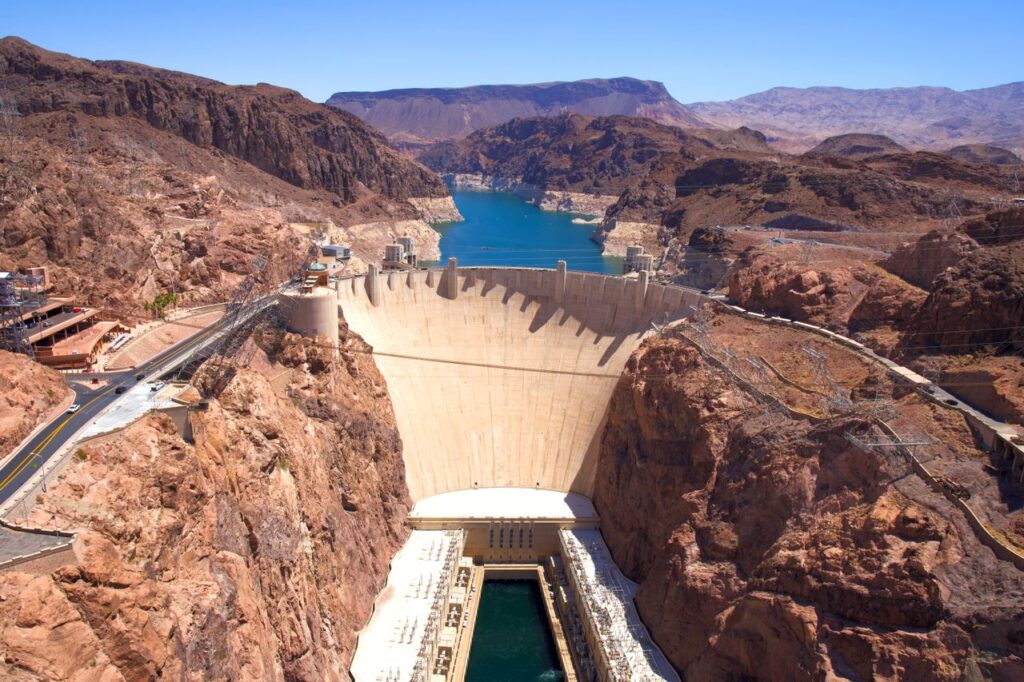
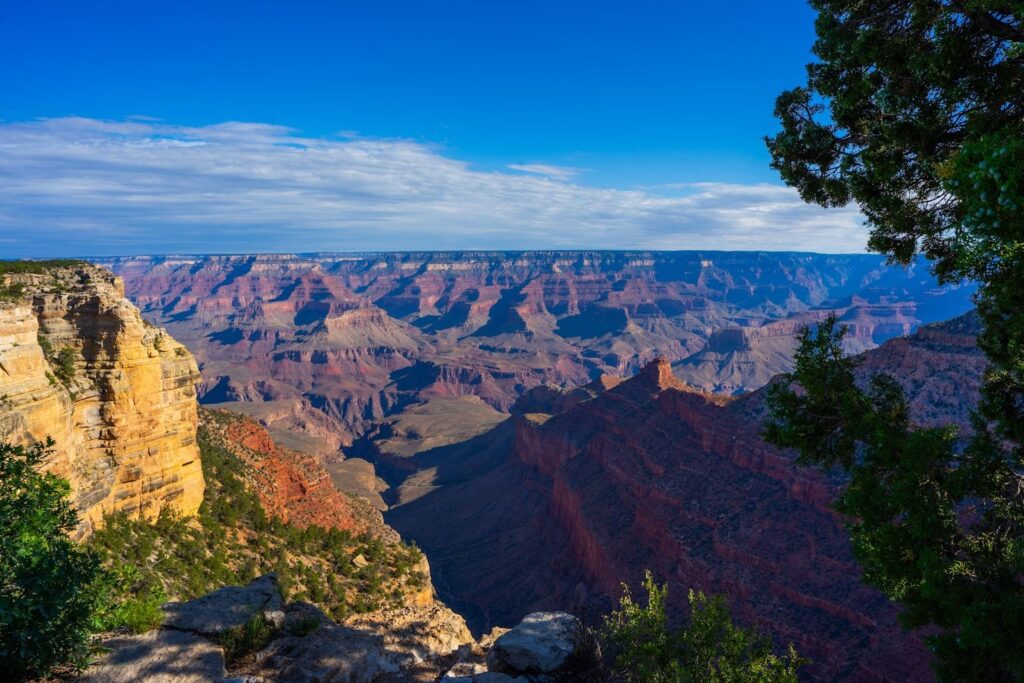
Be realistic about distances. Grand Canyon South Rim, Antelope Canyon, and Zion are long day trips from Las Vegas. A guided tour can remove the driving, but it cannot shorten the road. Travelers who dislike 12- to 15-hour days should add an overnight closer to the destination.
14. Santa Fe, New Mexico
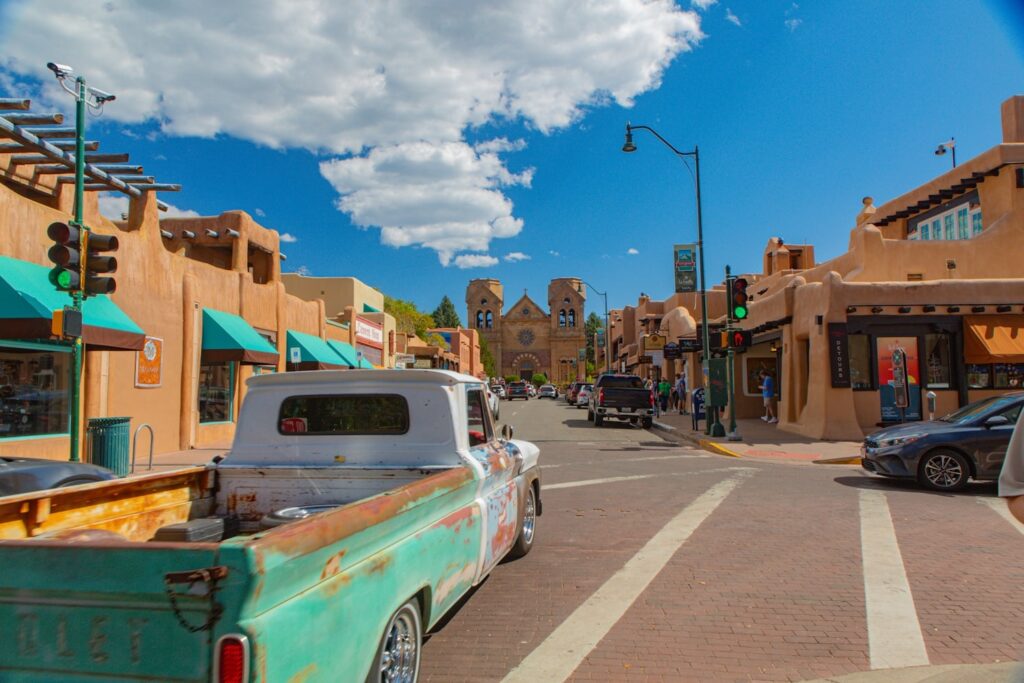
Santa Fe offers a different version of the West: adobe architecture, long-established Native and Hispanic cultural influences, galleries, museums, and a high-desert food scene. The Plaza is the obvious center, while Canyon Road, Museum Hill, and nearby pueblos or landscapes broaden the trip.
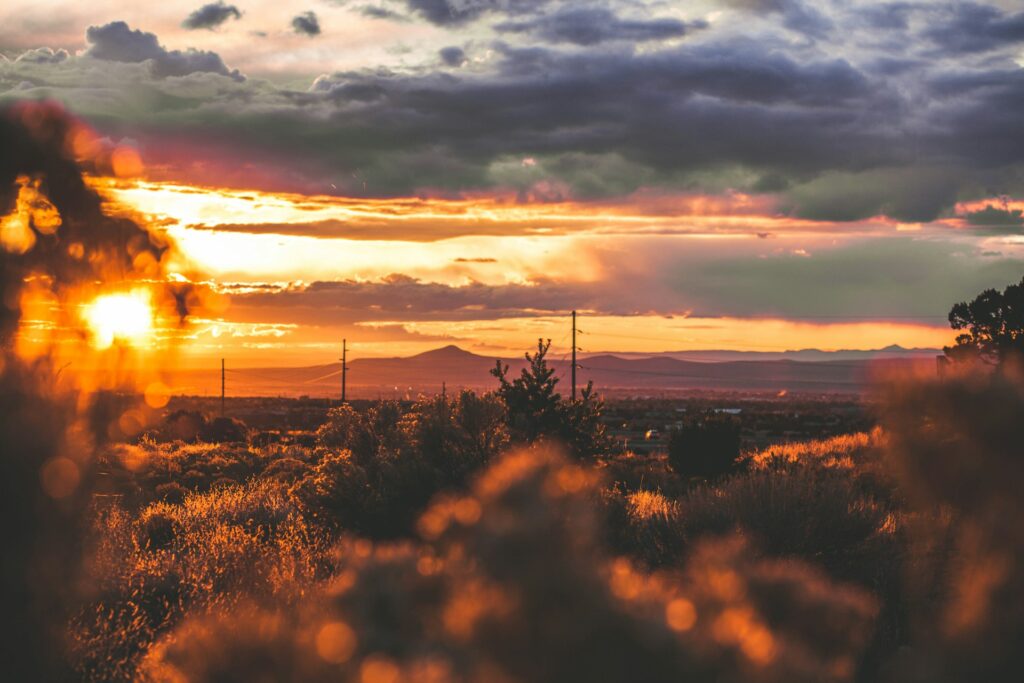

At more than 7,000 feet above sea level, the city can surprise visitors with cool nights and the effects of altitude. Plan a slower first day, drink water, and do not assume New Mexico is hot year-round. Santa Fe works especially well for travelers who want art and history between outdoor stops.
15. Oregon Coast
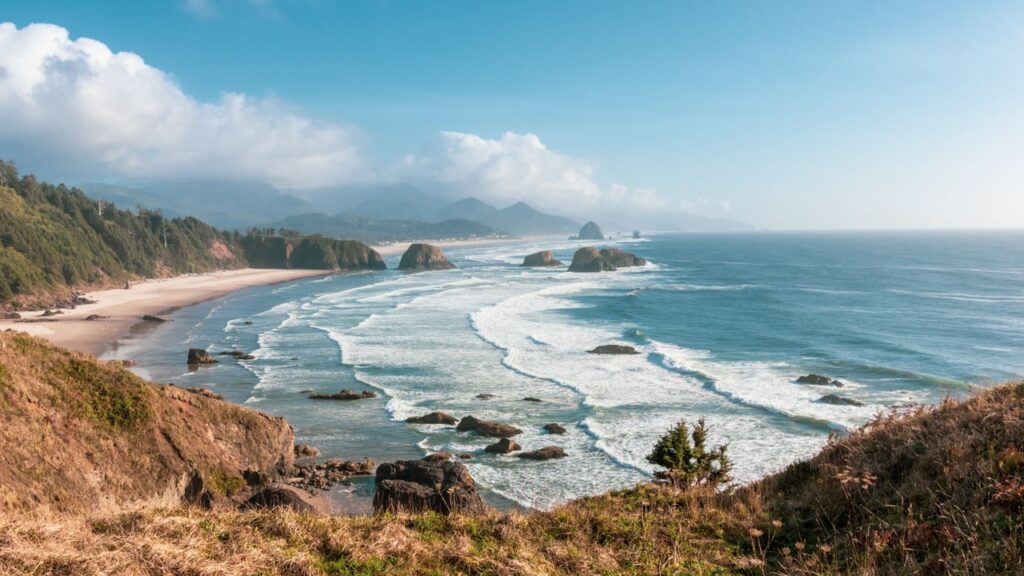
The Oregon Coast is built for a road trip with frequent pauses. Cannon Beach and Haystack Rock are the best-known sights, but headlands, dunes, lighthouses, tide pools, and smaller towns continue down the coast.
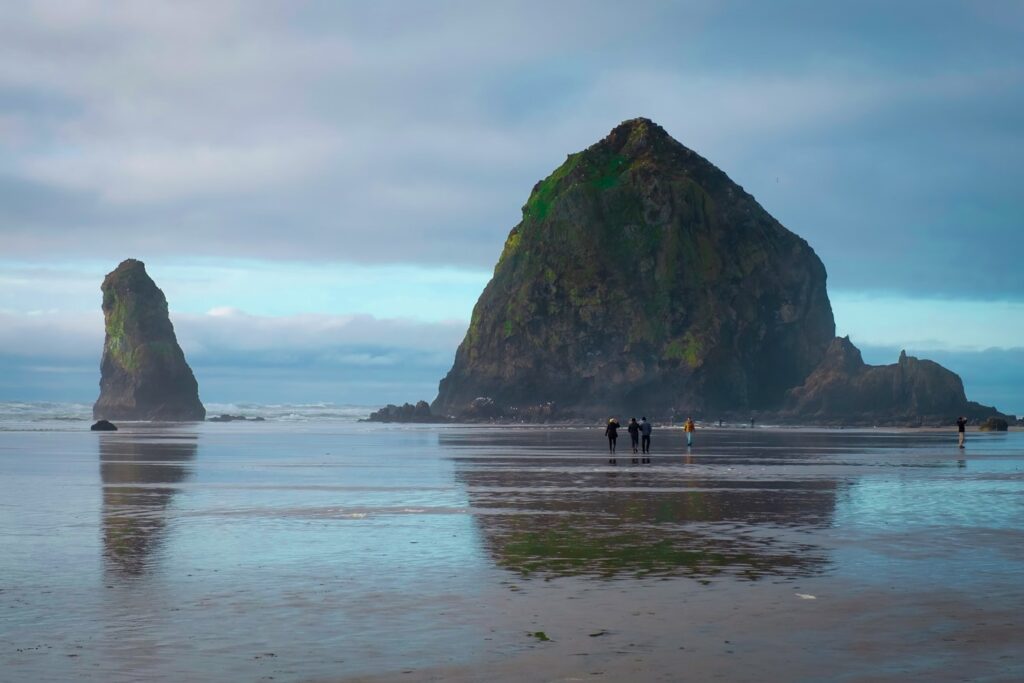
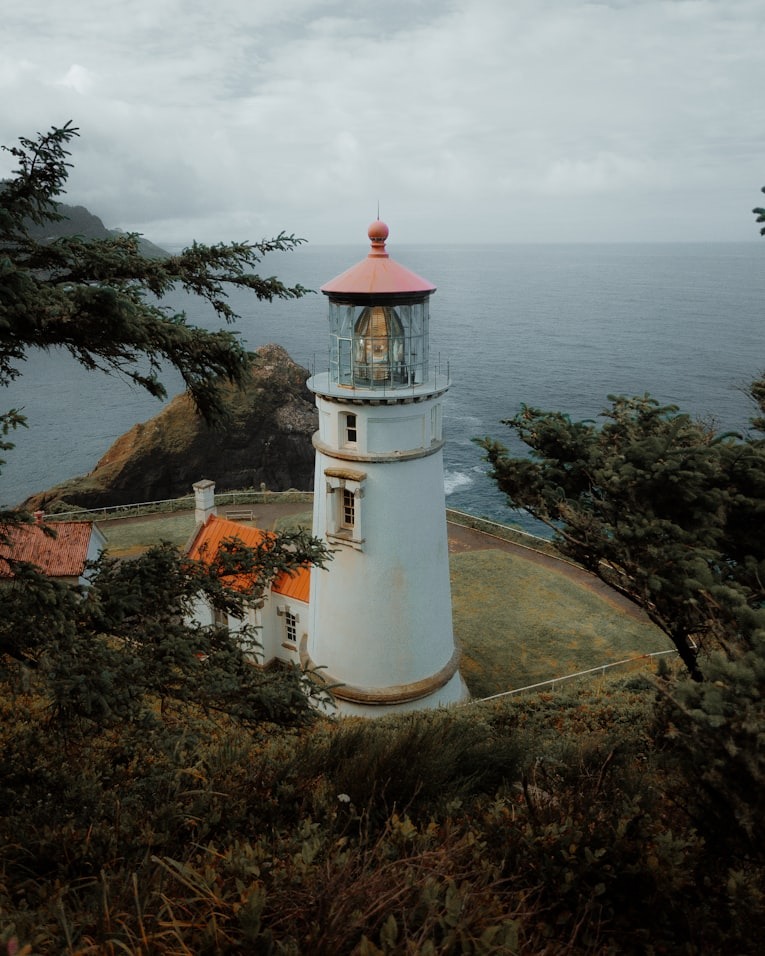
Four to six days lets you travel without treating every viewpoint as a race. Summer usually provides the driest conditions, though fog and wind are always possible. The ocean is cold and currents are serious, so this is more of a walking, sightseeing, and storm-watching coast than a conventional warm-water beach vacation.
Four Bookable Tours That Simplify the Hardest Day Trips
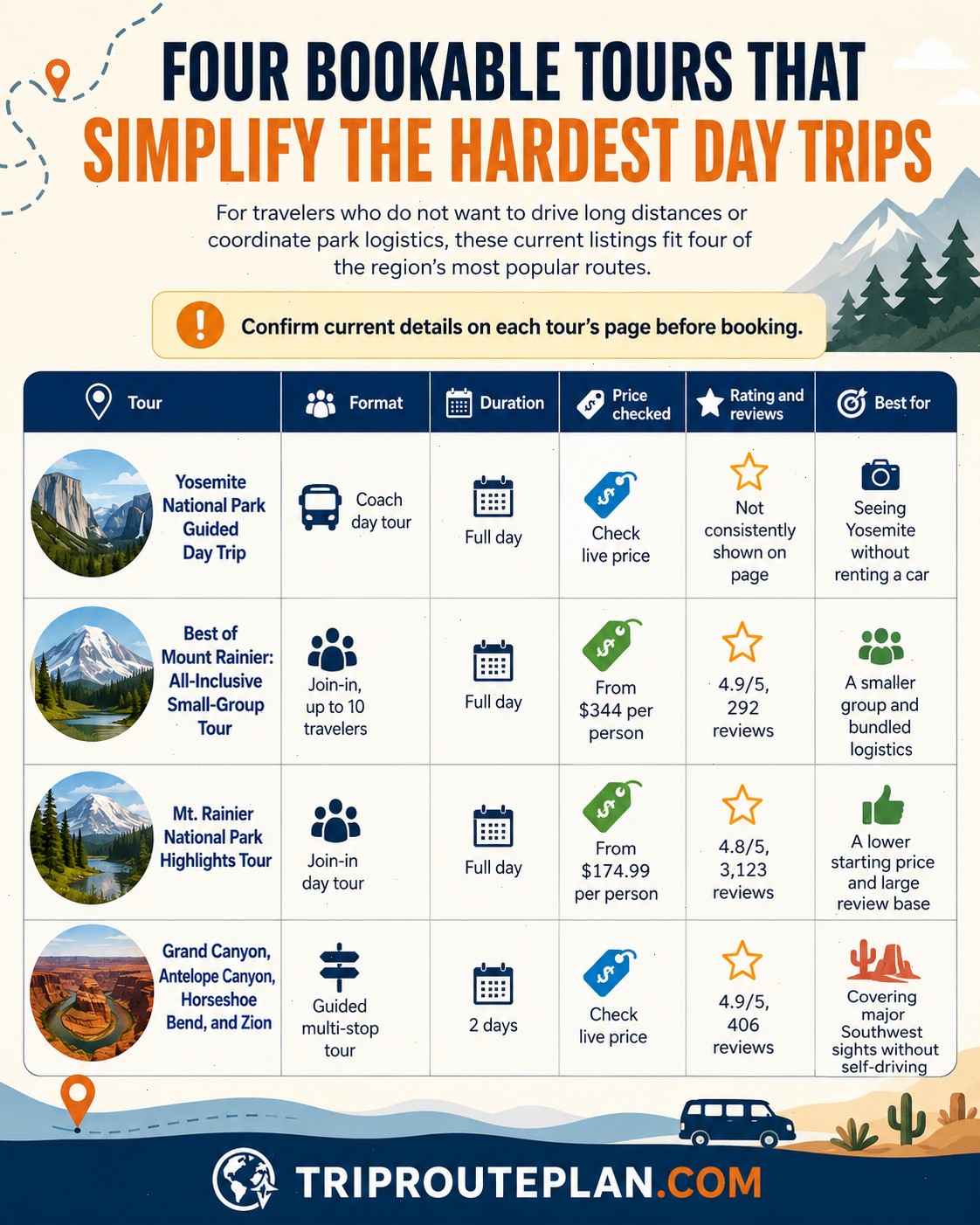
The Yosemite day trip includes a guided introduction plus roughly three hours of independent time in Yosemite Valley. Travelers with only one free day in San Francisco can browse Yosemite day tours on Klook, although the trip still means spending many hours on the road. If substantial hiking is the priority, staying closer to the park is a better choice.
The two Mount Rainier options solve the same transport problem at different price points. The small-group tour caps the group at ten and lists downtown Seattle pickup and drop-off. The Highlights Tour has a much larger review base and a lower checked starting price. In both cases, the day's exact stops can depend on snow, road access, and weather.
The two-day Southwest tour is the more sensible choice for someone determined to see several headline landscapes from Las Vegas. It includes the Grand Canyon, a Navajo-guided visit to Antelope Canyon, Horseshoe Bend, and Zion, with hotel stay and national park fees listed as included. The itinerary is still packed, so it suits travelers who value coverage more than slow exploration.
Best Western USA Road Trip Routes
If you're flying into the West before starting one of these routes, comparing rental cars on Economybookings.com can help you choose a vehicle before arrival.
California Coast and Yosemite: 10 to 14 Days
Start in San Francisco, spend three or four days around Yosemite, then follow the coast south when Highway 1 conditions allow. Finish in Los Angeles or continue to San Diego. This route combines a major city, mountains, and coastline without crossing several states.
Yellowstone and Grand Teton: 7 to 10 Days
Fly into a regional airport or drive from Salt Lake City, then divide the trip between Grand Teton and Yellowstone. Avoid changing hotels every night. Two bases in Yellowstone plus one near Grand Teton make the driving more manageable.
Utah Parks and Grand Canyon: 10 to 14 Days
Las Vegas is a practical gateway for Zion, Bryce Canyon, Capitol Reef, Arches, Canyonlands, and the Grand Canyon. The complete loop is ambitious in ten days and comfortable closer to two weeks. If time is short, choose Zion plus the Grand Canyon, or Moab plus Capitol Reef, rather than collecting entrance signs.
Pacific Northwest: 8 to 12 Days
Combine Seattle, Mount Rainier, and the Olympic Peninsula. Add the Oregon Coast only if you have enough time to continue south without rushing. Ferry schedules, mountain weather, and peninsula distances need more attention than the map suggests.
How to Choose the Right Western Destination
For a first Western USA trip: Pair San Francisco with Yosemite, or Las Vegas with Zion and the Grand Canyon. Both combinations deliver a city plus signature landscapes.
For wildlife: Yellowstone and Grand Teton are the strongest pairing. Build the schedule around early mornings and allow extra driving time.
For families: San Diego is the easiest city break. Grand Teton and Yosemite also work well when walks and lodging are chosen around children's stamina.
For a scenic road trip: Choose the California or Oregon coast. Check road conditions and avoid overbooking nightly stops.
For serious hiking: Zion, Yosemite, Moab, and Mount Rainier give the widest choice, but permits, heat, snow, and elevation can change what is practical.
For art, food, and history: Santa Fe and San Francisco offer the best alternatives to a park-centered itinerary.
For cooler summer weather: Look toward the Washington and Oregon coasts, Olympic Peninsula, and high mountain areas. Remember that wildfire smoke can affect western destinations in late summer.
Make the Trip Smaller, Not Busier
The West rewards focus. Pick one region, give its major landscapes more than a few hours, and leave space for weather or road changes. For a first trip, San Francisco with Yosemite offers the most balanced city-and-nature itinerary. Travelers drawn to desert scenery should build around Zion and the Grand Canyon, while wildlife matters most in the Yellowstone and Grand Teton route.
Before paying, confirm the current entrance rules, road status, and exactly what any guided tour includes. Those checks matter more than squeezing one additional state into the itinerary.
Frequently Asked Questions
What states are considered part of the Western USA?
Definitions vary. For travel planning, the West commonly includes the Pacific states, Mountain West, and desert Southwest. This guide focuses on California, Oregon, Washington, Nevada, Arizona, Utah, New Mexico, Wyoming, Montana, and nearby western park regions.
What is the best month to visit the Western USA?
There is no single best month for the entire region. September is one of the most flexible choices for California cities, many mountain parks, and road trips, but wildfire smoke and early snow can affect plans. Spring is better for desert parks, while July and August offer the broadest high-country access.
How many days do you need for a Western USA trip?
Allow at least seven days for one compact region and 10 to 14 days for a road trip linking several destinations. Trying to combine California, Yellowstone, and the Southwest in one short vacation usually creates more driving than sightseeing.
Is it better to drive or take guided tours?
A rental car gives the most flexibility for multi-day park trips. Guided tours make sense for long day trips from Las Vegas, San Francisco, or Seattle, especially when no one wants to handle the return drive. Compare itinerary time carefully because a tour does not remove the distance.
Which Western national parks require reservations in 2026?
Rules can change by park, activity, and date. Yosemite and Arches are not using timed vehicle-entry reservations in 2026, but specific hikes, campgrounds, lodging, and other activities can still require permits or advance bookings. Always check the official park page shortly before travel.
What is the best Western USA destination for a first-time visitor?
The Grand Canyon is the strongest single landscape choice. For a more varied vacation, combine San Francisco and Yosemite or Las Vegas, Zion, and the Grand Canyon.