
Affiliate Note: Some links may be affiliate links. We may earn a small commission at no extra cost to you, and we only share recommendations we believe are useful.
Why These Unique Travel Destinations in the USA Feel Unreal
Some American landscapes look less like vacation destinations and more like sets built for a science-fiction movie. You can walk through a canyon that glows orange from within, cross a desert made of white gypsum, sail beneath 3,000-foot sea cliffs, or watch a rainbow-colored spring steam in the middle of the wilderness.
These unique travel destinations in the USA are spread across the country, so this is not a single road-trip itinerary. Think of it as a shortlist for future vacations, with the best time to visit, what makes each place unusual, and an activity worth considering when planning the trip.
Table of Contents
1. Antelope Canyon, Arizona
Antelope Canyon looks as though someone folded sandstone into waves and then lit the entire formation from above. Its narrow passageways, flowing walls, and shifting shafts of sunlight create one of the most recognizable landscapes in the American Southwest.
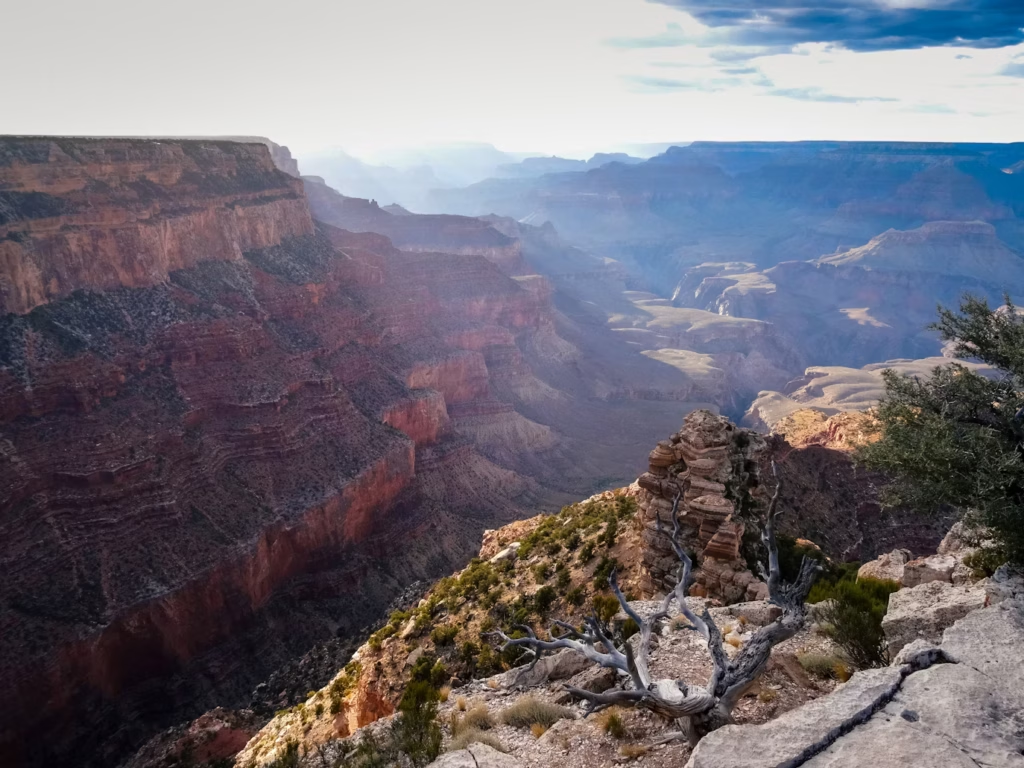
The canyon lies on Navajo land near Page, Arizona. Visitors cannot simply arrive and explore independently. Access is provided through authorized guided tours, which is worth considering before reserving a hotel or building it into a road trip.
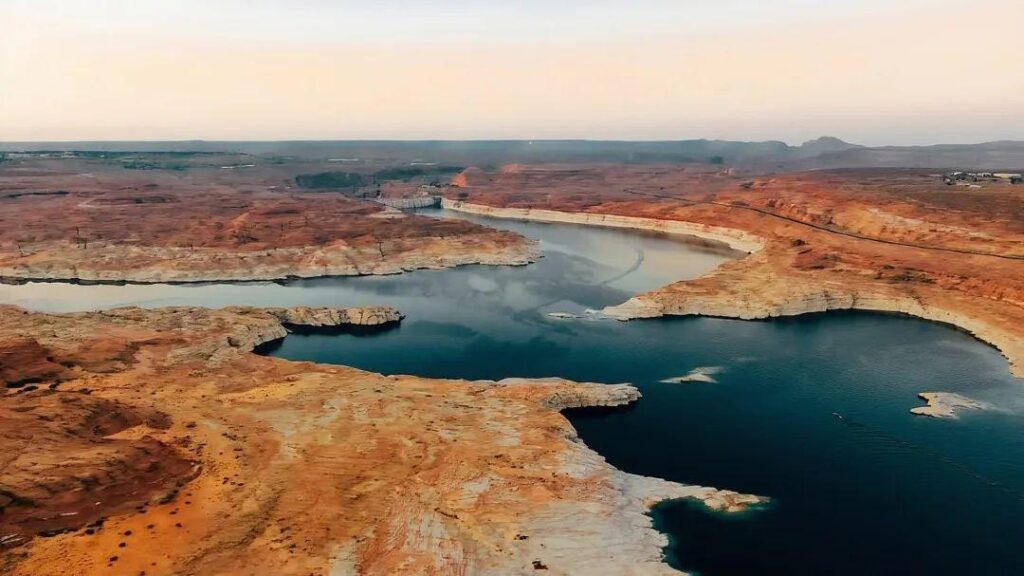
Upper Antelope Canyon is usually chosen for its wider floor and famous overhead light beams. Lower Antelope Canyon involves more stairs and narrow sections, but its twisting formations can feel more immersive.
A convenient option for travelers staying in Nevada is the Antelope Canyon and Horseshoe Bend day tour from Las Vegas. The listed itinerary combines two major landscapes in one day, but the trip lasts nearly 14 hours, so it suits travelers who value convenience more than a slow pace.
Plan for: Page, Arizona
Best time: March through October
Keep in mind: Tours may involve stairs, narrow passages and long periods on your feet. Confirm the canyon section, transportation, physical requirements and departure point before booking.
2. White Sands National Park, New Mexico
From a distance, White Sands can look like a snowfield under a desert sky. The dunes are actually formed from gypsum crystals rather than quartz sand. The protected dunefield extends across hundreds of square miles and is the largest gypsum dunefield in the world. The National Park Service notes that gypsum rarely occurs in sand form, which helps explain why the landscape looks so unusual.
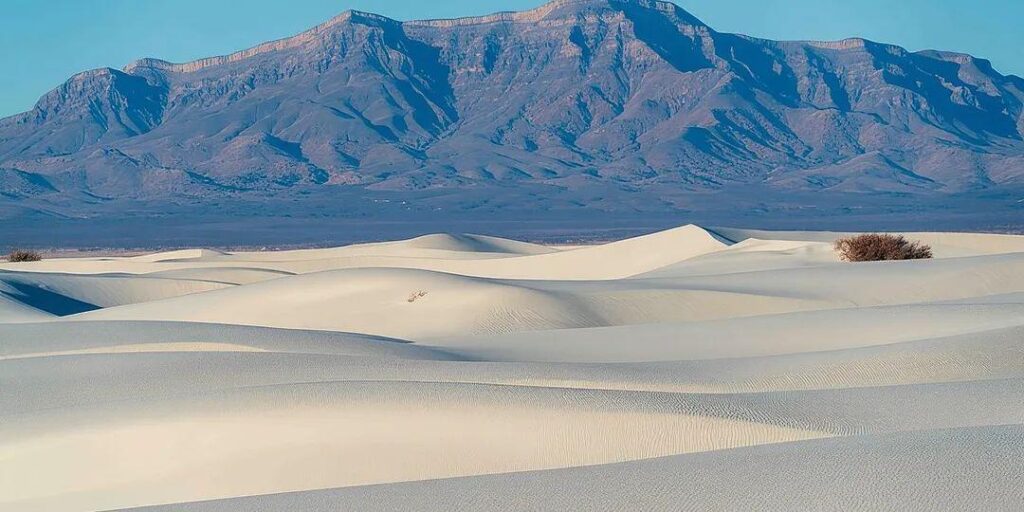
Dunes Drive carries visitors into the heart of the park. From there, you can walk short nature trails, hike deeper into the dunes, photograph the changing shadows, or bring a sled designed for sand.
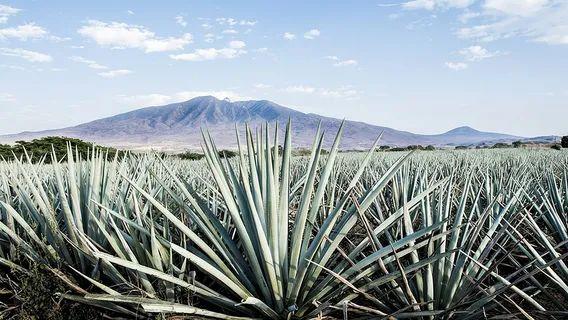
Late afternoon is especially attractive because the harsh white surface takes on softer blue, pink and gold tones. It is also generally more comfortable than walking across exposed dunes around midday.
Travelers who prefer to explore without following a group can use the White Sands self-guided driving and walking tour. This format gives you control over the pace, although it does not replace checking park alerts and road conditions.
Plan for: Alamogordo or Las Cruces
Best time: October through April
Keep in mind: Sunlight reflects strongly from the white surface. Carry water, sunscreen, sunglasses and a hat even when the air feels cool.
3. Valley of Fire State Park, Nevada
Valley of Fire is only about an hour from Las Vegas, yet its folded sandstone, natural arches and intensely red rock formations feel far removed from the Strip.
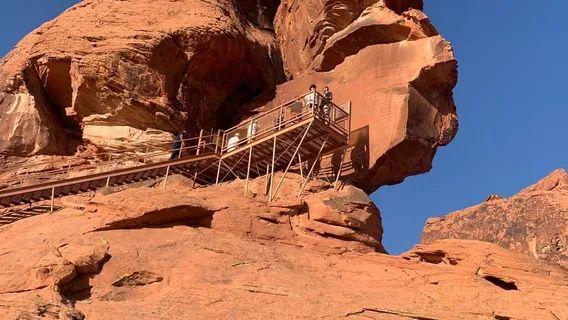
The landscape becomes especially dramatic near sunrise and sunset. Warm light deepens the color of the rocks, while shaded areas turn purple and blue. Short trails lead to petroglyphs, narrow sandstone passages and formations shaped by erosion.
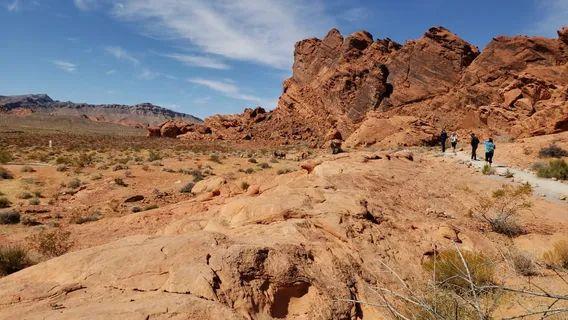
Because many sights are connected by paved roads, this is one of the easier otherworldly landscapes to experience on a short trip. Hiking conditions are another matter. Summer temperatures can make exposed trails uncomfortable or unsafe.
The guided sunset tour from Las Vegas is a practical choice if you do not want to rent a car or drive back after dark. Another full-day Valley of Fire tour includes a guided sightseeing hike for visitors who want more time inside the park.
Plan for: Las Vegas or Overton
Best time: October through April
Keep in mind: Trail access and safe hiking times depend heavily on temperature. Bring more water than you expect to need.
4. Bryce Canyon National Park, Utah
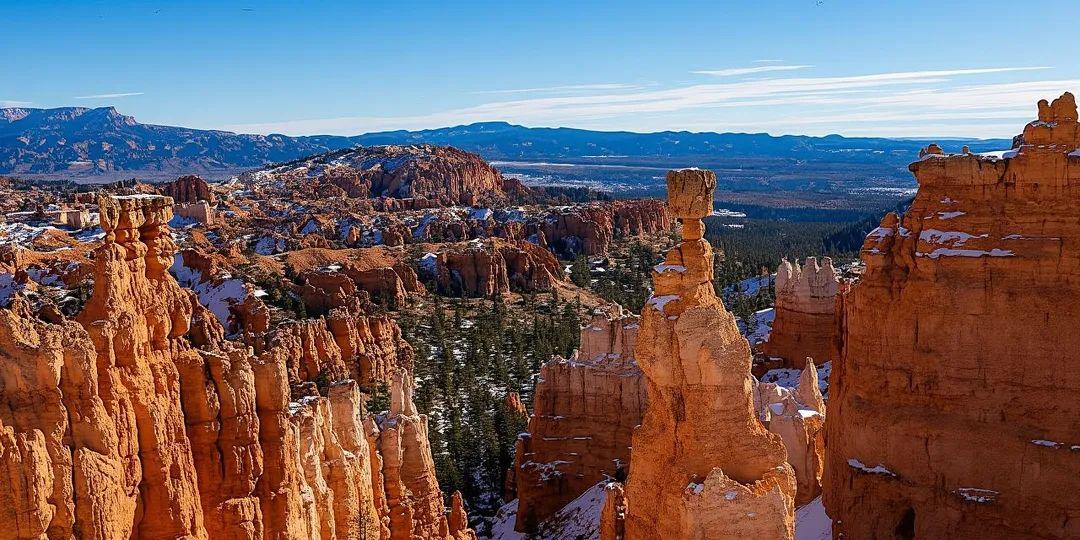
Bryce Canyon is filled with thousands of narrow rock spires called hoodoos. Seen from the rim, they resemble a stone city descending into a natural amphitheater.
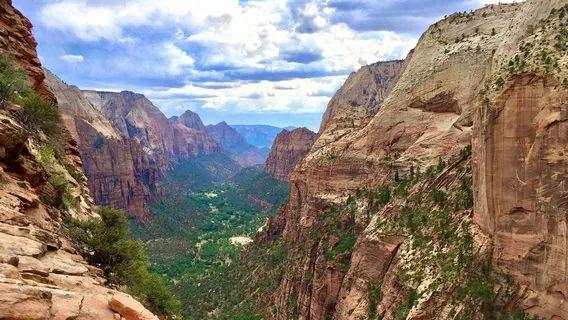
Hoodoos exist in other parts of the world, but Bryce Canyon contains the largest concentration on Earth, according to the National Park Service. The landscape changes throughout the day as light moves across orange, pink and cream-colored rock.
The main viewpoints are easy to reach, but walking below the rim provides a much stronger sense of scale. The Navajo Loop and Queen’s Garden area is a popular choice, though elevation and steep sections can make the return climb more tiring than expected.
Travelers based in Las Vegas can combine Bryce with another Utah park on the Bryce Canyon and Zion National Parks tour. The listed duration is about 13 hours. It is useful for a short vacation, but anyone wanting longer hikes should stay closer to the parks.
Plan for: Bryce Canyon City, Panguitch or Springdale
Best time: May through October
Keep in mind: Bryce sits at a high elevation. Temperatures can be much colder than in Zion or Las Vegas, even during the same trip.
5. Death Valley National Park, California
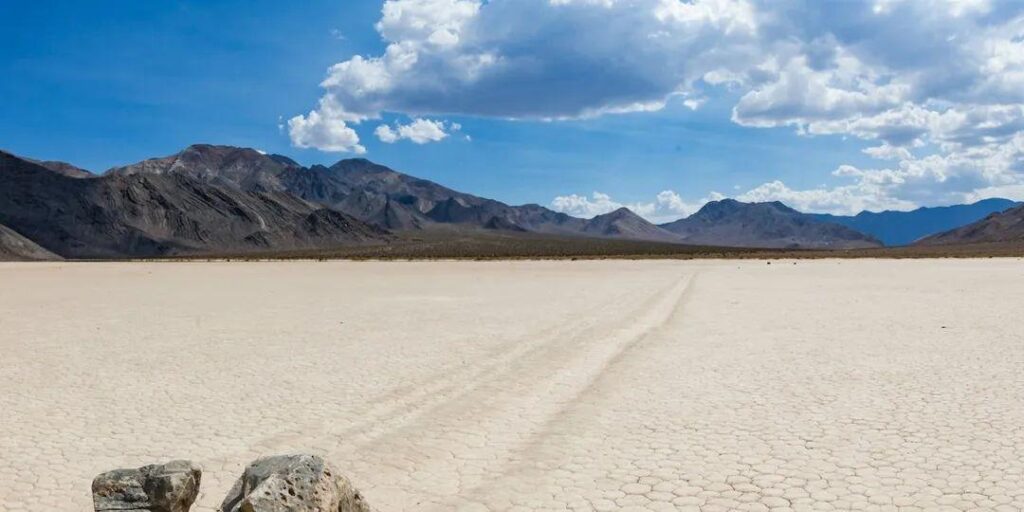
Death Valley combines several landscapes that seem to belong on different planets. Badwater Basin spreads a crust of white salt across the valley floor. Zabriskie Point overlooks rippled golden badlands. Artist’s Palette adds muted green, pink and purple mineral colors to the desert.
The distances between these locations are considerable, so this is not a park where every major sight can be reached on a short walk. A car, a realistic route and plenty of water are essential.
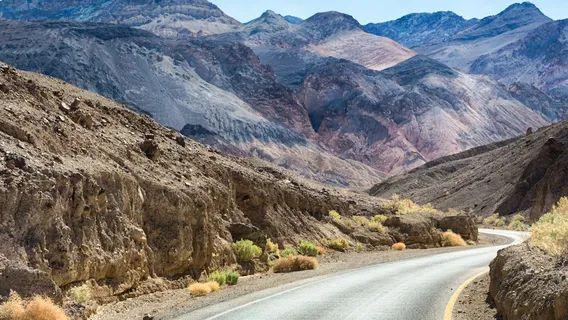
Winter offers the most comfortable conditions for sightseeing. Summer temperatures can become dangerously high, and outdoor plans should never be based on how manageable the heat appears from inside an air-conditioned vehicle.
If you are visiting without a rental car, a Death Valley round-trip tour from Las Vegas removes the need to navigate the long desert route yourself. Check the final list of stops, meal arrangements and pickup location before paying.
Plan for: Furnace Creek, Pahrump or Las Vegas
Best time: November through March
Keep in mind: Fuel, food and phone coverage are limited in parts of the park. Download maps and check current road conditions in advance.
6. Grand Prismatic Spring, Yellowstone, Wyoming
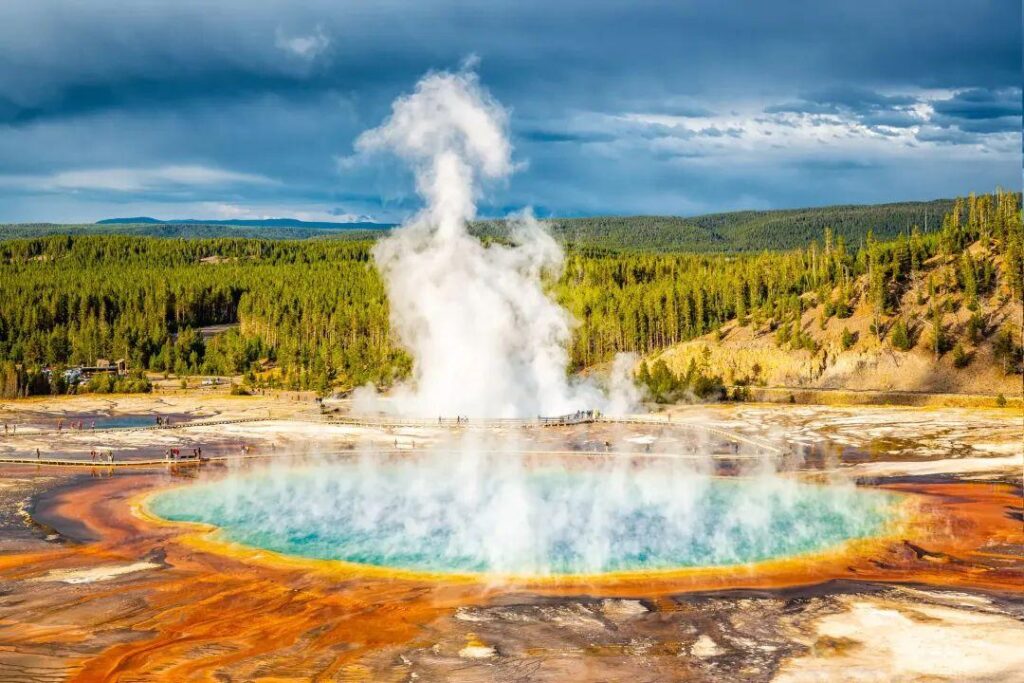
Grand Prismatic Spring looks like a giant blue eye surrounded by rings of yellow, orange and rust. Its unusual colors come partly from heat-loving microorganisms living around the cooler edges of the spring.
The view from the boardwalk is close but low. For a better sense of the spring’s full shape, use the overlook trail above the Midway Geyser Basin. Steam can obscure the water, particularly in cool weather, so the view is never completely predictable.
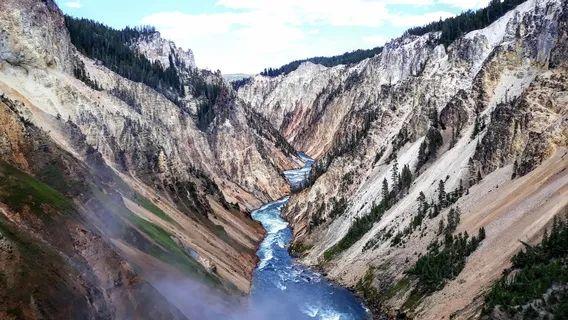
Grand Prismatic is only one section of Yellowstone. Combining it with Old Faithful, wildlife areas and other geothermal basins requires careful timing because traffic and distances inside the park can be significant.
A Yellowstone lower-loop day tour from West Yellowstone includes Old Faithful and other major geothermal scenery. Travelers staying farther south can consider the Yellowstone day trip from Jackson, though it involves more time on the road.
Plan for: West Yellowstone, Gardiner or Jackson
Best time: June through September
Keep in mind: Stay on marked boardwalks around geothermal areas. The ground outside designated paths can be thin and dangerously hot.
7. Crater Lake National Park, Oregon
www.nps.gov
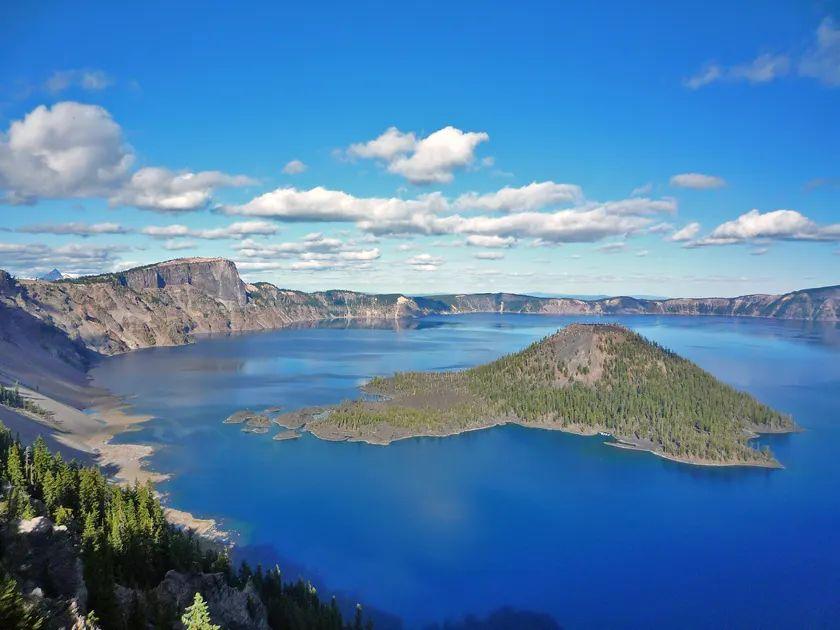
Crater Lake occupies the collapsed caldera of Mount Mazama, a volcano that erupted thousands of years ago. Rain and snow gradually filled the basin, creating a remarkably deep lake with no rivers flowing into it.
At 1,943 feet, it is the deepest lake in the United States. Its depth and clarity produce the intense blue color that makes the water look almost digitally edited. The basic geology and current visitor information are available from the National Park Service.
Rim Drive connects a series of overlooks, but seasonal snow affects access for a large part of the year. Summer is the easiest time to see more of the rim and combine viewpoints with hiking.
Trip.com currently lists both a Crater Lake day tour and a two-day Crater Lake itinerary. Confirm the departure city and exact seasonal route, as road availability can change the itinerary.
Plan for: Klamath Falls, Medford or a lodge near the park
Best time: July through September
Keep in mind: Snow can close roads well beyond winter. Check the official conditions page shortly before traveling.
8. Nā Pali Coast, Kauai, Hawaii
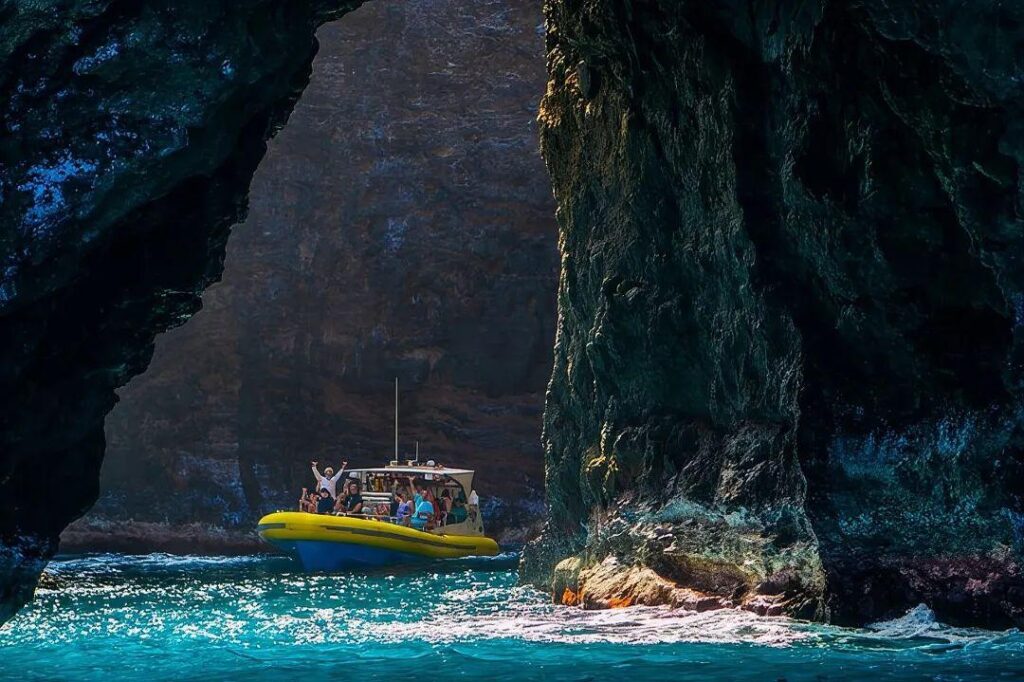
The Nā Pali Coast rises almost vertically from the Pacific, with green ridges, deep valleys, waterfalls and narrow beaches cut off from the road system. Much of the coastline can only be appreciated properly from the water, the air or a demanding hiking trail.
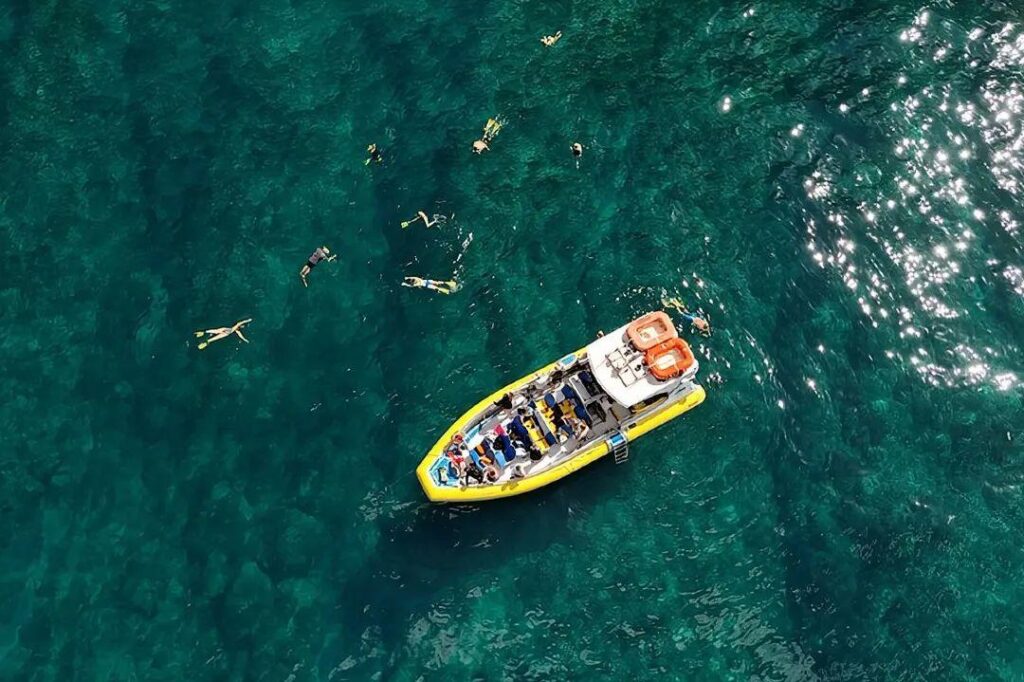
A boat trip shows the height of the cliffs and may provide access to sea caves when ocean conditions allow. The tradeoff is that the ride can be rough, especially on smaller vessels. Travelers prone to seasickness should compare catamarans with faster raft-style tours.
The Niihau and Nā Pali Coast full-day boat tour is a shared catamaran experience that lists breakfast, lunch and seasonal wildlife viewing. For a shorter and more active trip, the Nā Pali Coast raft and snorkel adventure runs for roughly 4.5 hours.
Plan for: Kauai, usually the south or west side for boat departures
Best time: May through September for generally calmer conditions
Keep in mind: Routes, cave access and snorkeling depend on weather and sea conditions. Confirm age, mobility and health restrictions with the operator.
9. Dry Tortugas National Park, Florida
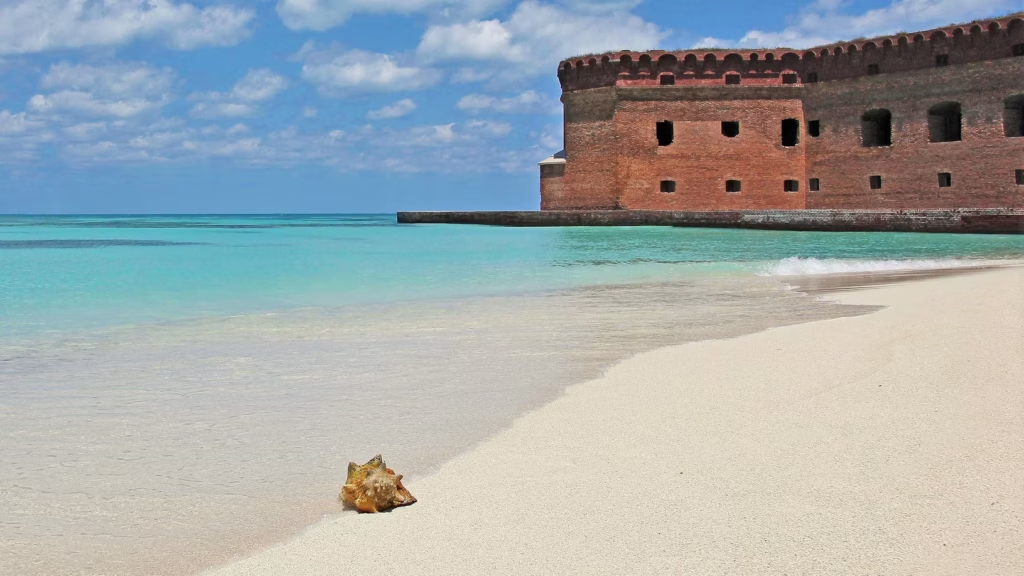
Dry Tortugas feels improbable: an enormous 19th-century brick fort standing on a small tropical island, surrounded by pale sand and clear blue water.
The park lies roughly 70 miles west of Key West and has no road access. Visitors reach Garden Key by ferry, seaplane or private boat. Because transportation is limited, this destination requires more advance planning than a normal Florida beach day. The National Park Service confirms that scheduled ferry and seaplane services bring day visitors to Garden Key and Fort Jefferson.
Once there, the main activities are touring Fort Jefferson, snorkeling near the island and walking the shoreline. The setting feels remote even though Key West is the departure point.

Trip.com’s Key West day trip from Miami does not include transportation to Dry Tortugas, but it can work as a gateway option if you want to spend additional nights in Key West before taking a separately reserved ferry or seaplane.
Plan for: Key West
Best time: November through April
Keep in mind: Reserve transportation separately and well ahead of your visit. A standard Miami-to-Key-West day tour does not leave enough time for Dry Tortugas.
10. Bonneville Salt Flats, Utah
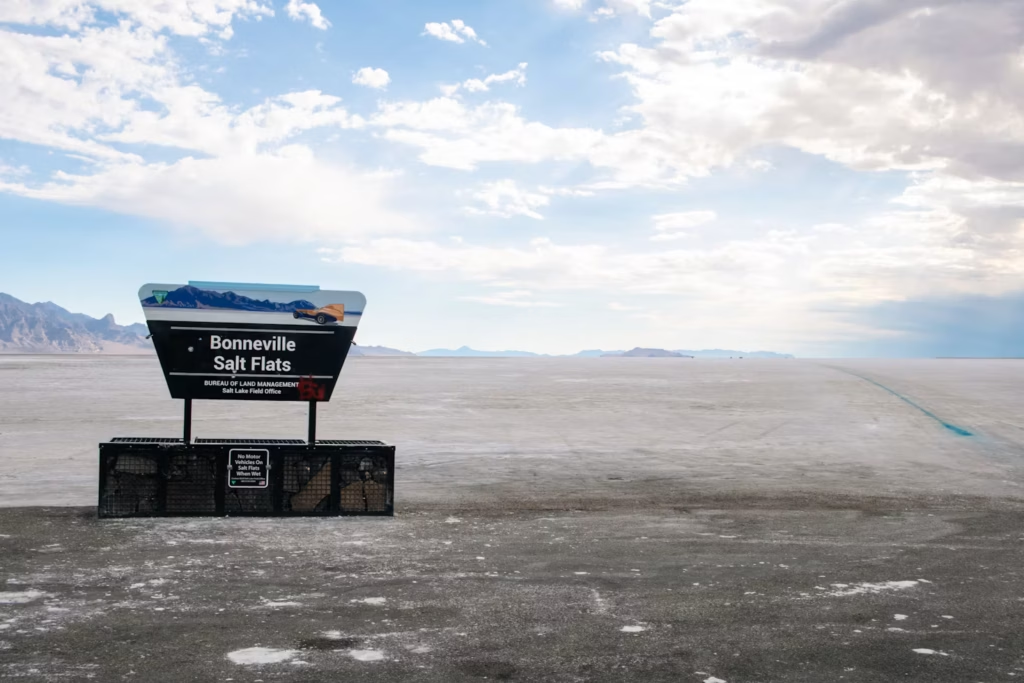
Bonneville Salt Flats is a broad expanse of hard white salt west of Salt Lake City. With mountains appearing to float above a nearly featureless surface, the view can resemble an Arctic lake or an enormous natural mirror.
The flats are the remains of ancient Lake Bonneville. The Bureau of Land Management describes the protected area as approximately 12 miles long and five miles wide, with a crust composed mainly of salt. Current access and surface information can be checked on the official BLM page.
Conditions determine what the landscape looks like. A dry surface creates the classic white plain, while a shallow layer of water can produce reflections. Wet conditions also make driving onto the salt risky and damaging.
Bonneville is better handled as a rental-car excursion than a conventional guided tour. Wendover is the nearest base, while Salt Lake City works for a longer day trip.
Plan for: Wendover or Salt Lake City
Best time: Late summer through fall for a greater chance of dry conditions
Keep in mind: Do not drive onto wet salt. Check access restrictions, weather and scheduled racing events before leaving the highway.
Quick comparison
Destination | State | Landscape | Best time to visit | Best for |
|---|---|---|---|---|
Antelope Canyon | Arizona | Curving slot canyon | March–October | Photography |
White Sands | New Mexico | White gypsum dunes | October–April | Families and sunsets |
Valley of Fire | Nevada | Red sandstone desert | October–April | Las Vegas day trips |
Bryce Canyon | Utah | Hoodoo amphitheaters | May–October | Hiking and stargazing |
Death Valley | California | Salt flats and badlands | November–March | Desert road trips |
Grand Prismatic Spring | Wyoming | Rainbow geothermal pool | June–September | First-time Yellowstone trips |
Crater Lake | Oregon | Deep volcanic lake | July–September | Scenic drives |
Nā Pali Coast | Hawaii | Sea cliffs and waterfalls | May–September | Boat tours and snorkeling |
Dry Tortugas | Florida | Island fort and coral water | November–April | Remote tropical escapes |
Bonneville Salt Flats | Utah | Vast white salt crust | Late summer–fall | Minimalist landscapes |
Prices, availability, ratings, and review counts are current as of August 1, 2026. Confirm current details on each activity page before booking.
How to choose the right unreal-looking destination
Choose Antelope Canyon if photography is the priority and you do not mind joining a mandatory guided visit.
Choose White Sands or Valley of Fire for a relatively straightforward desert stop that can fit into a larger road trip.
Choose Bryce Canyon for hiking among unusual rock formations, or Yellowstone for geothermal colors and a broader wildlife-focused vacation.
Choose Nā Pali Coast or Dry Tortugas if the sense of remoteness matters more than easy access.
Choose Crater Lake for a relaxed scenic drive, particularly if you are already planning an Oregon road trip.
Choose Bonneville Salt Flats for open, minimalist scenery without a packed sightseeing schedule.
Frequently asked questions
What is the most unique place to visit in the USA?
Antelope Canyon, White Sands and Grand Prismatic Spring are among the strongest choices for visually unusual scenery. The right destination depends on whether you prefer canyons, deserts, geothermal landscapes or remote coastlines.
Which destinations are easiest to add to a city vacation?
Valley of Fire works well from Las Vegas. Antelope Canyon can also be visited from Las Vegas, although it makes for a very long day. Bonneville Salt Flats is accessible from Salt Lake City, while Dry Tortugas requires an overnight stay in Key West and separate transportation.
Which unusual US destinations are suitable for families?
White Sands, Bryce Canyon’s main overlooks and Crater Lake’s accessible viewpoints can work well for families. Tour age limits, heat, elevation and walking requirements still need to be checked individually.
How far in advance should activities be booked?
Antelope Canyon tours, Dry Tortugas transportation and popular Nā Pali boat trips deserve the earliest reservations. For other destinations, timing depends on the season, weekends and local events.
Are these destinations open year-round?
Most remain open in some form, but full access is not guaranteed. Snow affects Crater Lake and Bryce Canyon, extreme heat changes plans in Death Valley and Valley of Fire, and ocean conditions affect Nā Pali and Dry Tortugas.A first trip built around one of these landscapes does not need an overloaded itinerary. Choose the place that fits the season and your tolerance for driving, heat, hiking or rough water. Then check current access and reserve the activity that removes the hardest part of the planning.