Affiliate Note: Some links may be affiliate links. We may earn a small commission at no extra cost to you, and we only share recommendations we believe are useful.
Why These Are the Best USA Road Trips to Plan in 2026
Some American landscapes make the most sense from behind the wheel. You see the scenery change gradually, stop in small towns that flights skip, and adjust each day around weather, crowds, and your own energy.
The best USA road trips are not necessarily the longest. A focused five-day drive along the California coast can be more rewarding than racing across several states in the same amount of time. The routes below cover coastal highways, national parks, mountain roads, desert landscapes, and classic Americana.
Table of Contents
Best USA Road Trips at a Glance
Road trip | Suggested time | Best season | Best for |
|---|---|---|---|
Pacific Coast Highway | 5–10 days | Spring and fall | Ocean views and coastal towns |
Utah’s Mighty Five | 7–10 days | Spring and fall | National parks and hiking |
Route 66 | 2–3 weeks | Spring and fall | Americana and roadside history |
Blue Ridge Parkway | 5–8 days | Late spring and fall | Mountains and scenic overlooks |
Grand Canyon and Arizona | 5–8 days | Spring and fall | Desert scenery and first-time visitors |
Florida Keys Overseas Highway | 3–5 days | Winter and spring | Tropical scenery and water activities |
Yellowstone and Grand Teton | 5–8 days | Late spring to early fall | Wildlife and geothermal landscapes |
Glacier National Park | 3–5 days | Summer | Alpine scenery |
New England Coast | 7–10 days | Summer and fall | Small towns and seafood |
Great River Road | 7–14 days | Spring and fall | Music, food, and river history |
1. Pacific Coast Highway: San Francisco to Los Angeles
Best for: Coastal scenery, photography, beaches, and relaxed stops
Suggested time: 5–10 days
Main stops: San Francisco, Monterey, Carmel-by-the-Sea, Big Sur, San Luis Obispo, Santa Barbara, Los Angeles
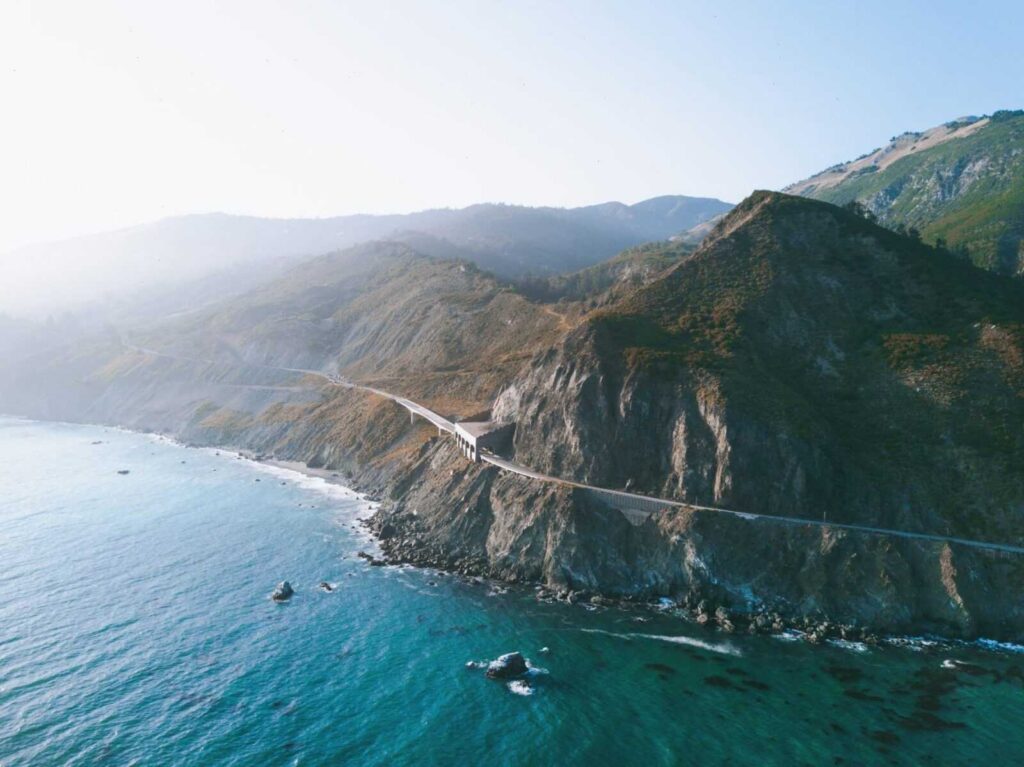
California’s Highway 1 is one of the most recognizable American road trips. The strongest section runs between San Francisco and Los Angeles, with cliffs, beaches, redwood groves, historic bridges, and small coastal communities along the way.
Plan at least two nights around Monterey and Big Sur. That gives you time for Point Lobos, Bixby Creek Bridge, Pfeiffer Beach, and the coastal overlooks without turning the route into a continuous drive.
San Luis Obispo works well as a midway overnight stop. From there, continue through the Central Coast toward Santa Barbara before reaching Los Angeles.
Highway 1 is vulnerable to landslides, construction, and weather-related closures. Caltrans reported Highway 1 open through Big Sur after work at Regent’s Slide, but conditions can change quickly. Check the current Caltrans Highway 1 report shortly before departure.
Optional Yosemite extension
Travelers with three additional days can leave San Francisco for Yosemite before returning to the coast. In 2026, advance vehicle reservations are not required to enter Yosemite, although the regular entrance fee still applies. Parking areas can fill, so arriving early remains important. Current rules are available from the National Park Service.
If you would rather avoid driving and parking inside the park, the Yosemite and Giant Sequoias day tour from San Francisco includes transportation and an English-language tour. At the time checked, the listing showed a 24-hour duration and a starting price of $229.
2. Utah’s Mighty Five National Parks
Best for: Hiking, desert landscapes, and active vacations
Suggested time: 7–10 days
Main stops: Zion, Bryce Canyon, Capitol Reef, Arches, Canyonlands
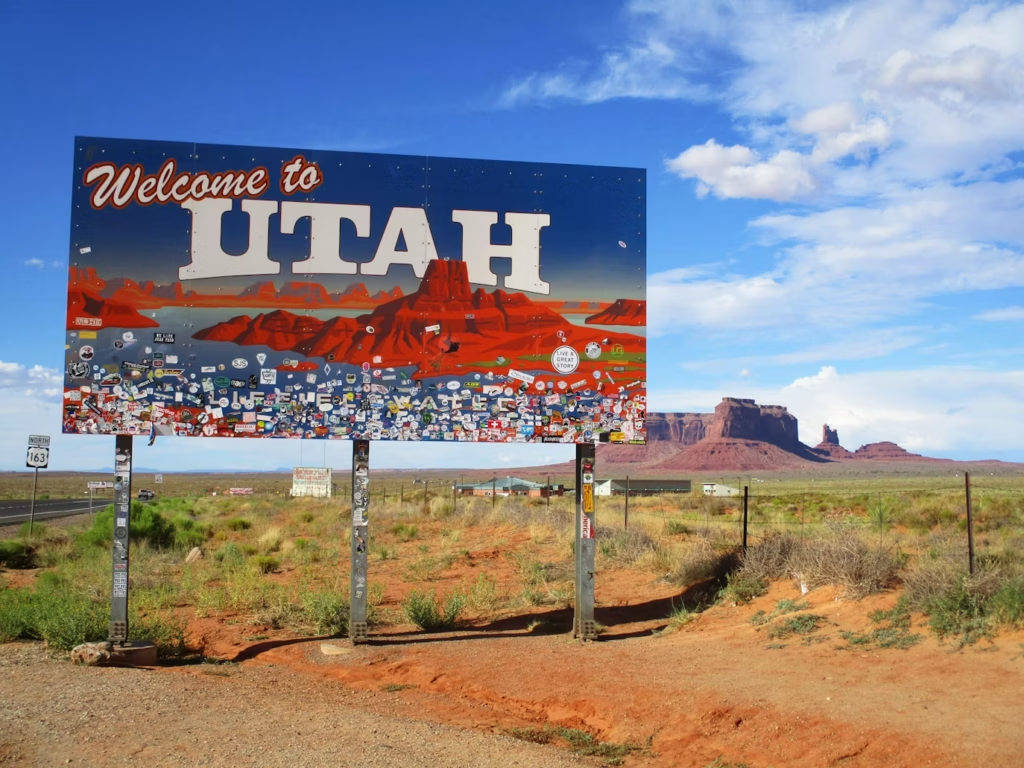
Utah’s five national parks form one of the most rewarding multi-park routes in the country. Each landscape feels distinct:
- Zion has towering sandstone walls and narrow canyons.
- Bryce Canyon is known for its hoodoos and natural amphitheaters.
- Capitol Reef combines cliffs, orchards, and quieter hiking trails.
- Arches contains more than 2,000 documented natural stone arches.
- Canyonlands offers wide desert panoramas carved by the Colorado and Green rivers.
Las Vegas is a convenient starting point if you want to begin with Zion and finish around Moab. Salt Lake City or Denver may work better when airfare or rental-car prices are lower.
Do not try to cover all five parks in four or five days. Much of the experience comes from early walks, sunset viewpoints, and stopping along scenic roads. A rushed itinerary leaves little room for heat, weather, full parking areas, or trail closures.
Travelers spending time in Las Vegas before collecting a rental car can use the Zion National Park small-group tour with lunch as a low-planning introduction. The checked listing showed a 4.9 rating from 35 reviews and a starting price of $140.43 per person. Lunch, water, and snacks were listed as included.
3. Historic Route 66: Chicago to Santa Monica
Best for: Roadside history, diners, neon signs, and classic Americana
Suggested time: 14–21 days
Main stops: Chicago, St. Louis, Tulsa, Oklahoma City, Santa Fe, Albuquerque, Flagstaff, Los Angeles
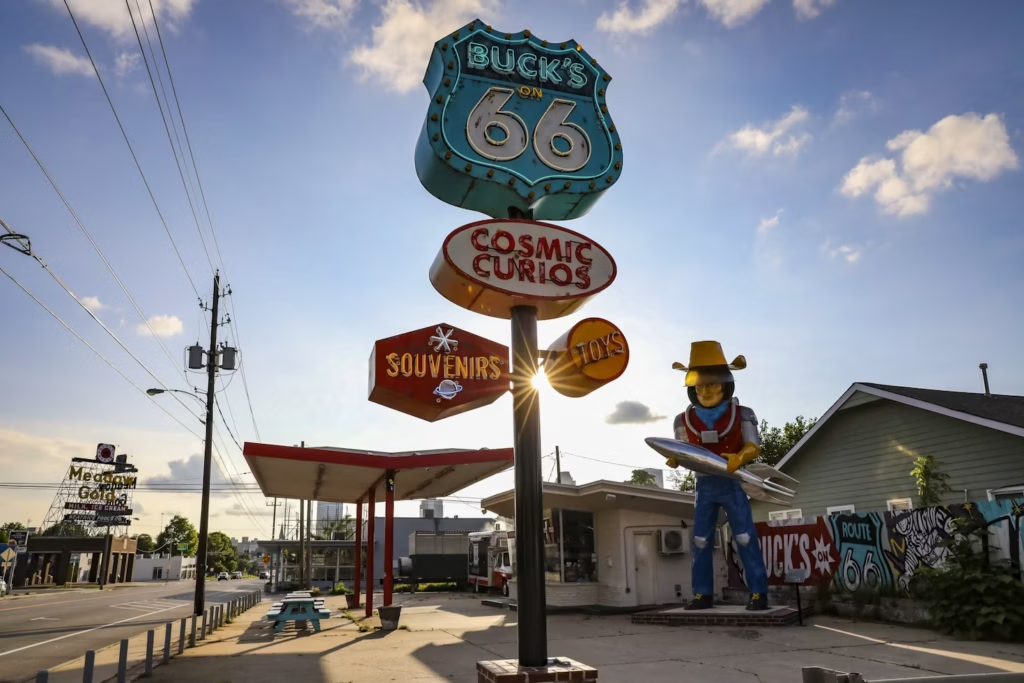
Route 66 is less about finding the fastest way west and more about following pieces of the old road through eight states. Modern interstates replaced much of the original highway, so a successful trip requires more planning than simply entering “Route 66” into a navigation app.
The National Park Service documents more than 250 Route 66 buildings, bridges, road sections, and other places listed on the National Register of Historic Places. Its official Route 66 itinerary highlights more than 100 sites.
Good stops include:
- Gateway Arch National Park in St. Louis
- Route 66 museums in Oklahoma
- Santa Fe and Albuquerque
- Petrified Forest National Park
- Flagstaff and Williams
- the preserved roadside businesses of Seligman
- Santa Monica Pier
Two weeks is a practical minimum for the complete Chicago-to-California drive. With less time, choose one regional section. Arizona and New Mexico provide a strong combination of historic highway remains, desert scenery, Indigenous culture, and national parks.
4. Blue Ridge Parkway: Virginia to North Carolina
Best for: Mountain scenery, short hikes, and fall color
Suggested time: 5–8 days
Main stops: Shenandoah National Park, Roanoke, Boone, Blowing Rock, Asheville, Great Smoky Mountains
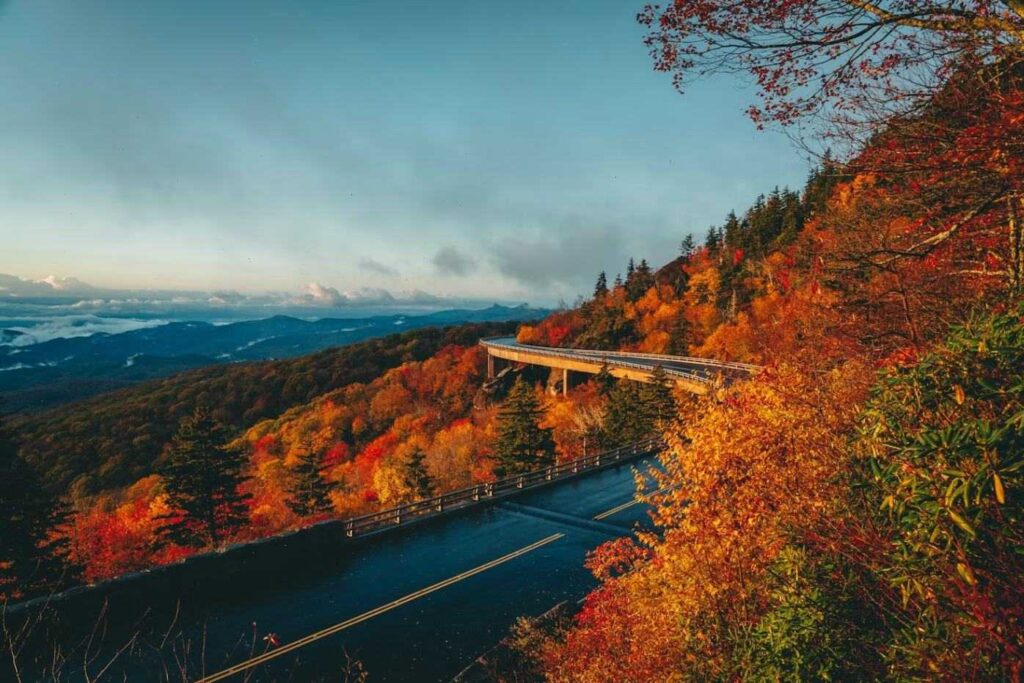
The Blue Ridge Parkway connects Shenandoah National Park with Great Smoky Mountains National Park. The road is designed for slow travel, with overlooks, picnic areas, trailheads, historic sites, and visitor centers spread along the route.
Fall receives the most attention, but late spring can be just as appealing, with wildflowers and fewer leaf-peeping crowds. Summer is warmer and busier, while ice and snow may close high-elevation sections during winter.
Useful stops include:
- Humpback Rocks
- Peaks of Otter
- Mabry Mill
- Linn Cove Viaduct
- Grandfather Mountain area
- Mount Mitchell
- Asheville
This route requires a flexible plan in 2026. Construction and repair projects are affecting multiple sections, and a signed detour is in place near Linn Cove. The National Park Service updates its Blue Ridge Parkway closures page as conditions change.
Allow more time than the distance suggests. Frequent overlooks, winding sections, low speed limits, fog, and detours can make progress slow.
5. Grand Canyon and the Arizona Desert
Best for: First-time Southwest visitors and dramatic viewpoints
Suggested time: 5–8 days
Main stops: Las Vegas, Hoover Dam, Grand Canyon, Flagstaff, Sedona, Page
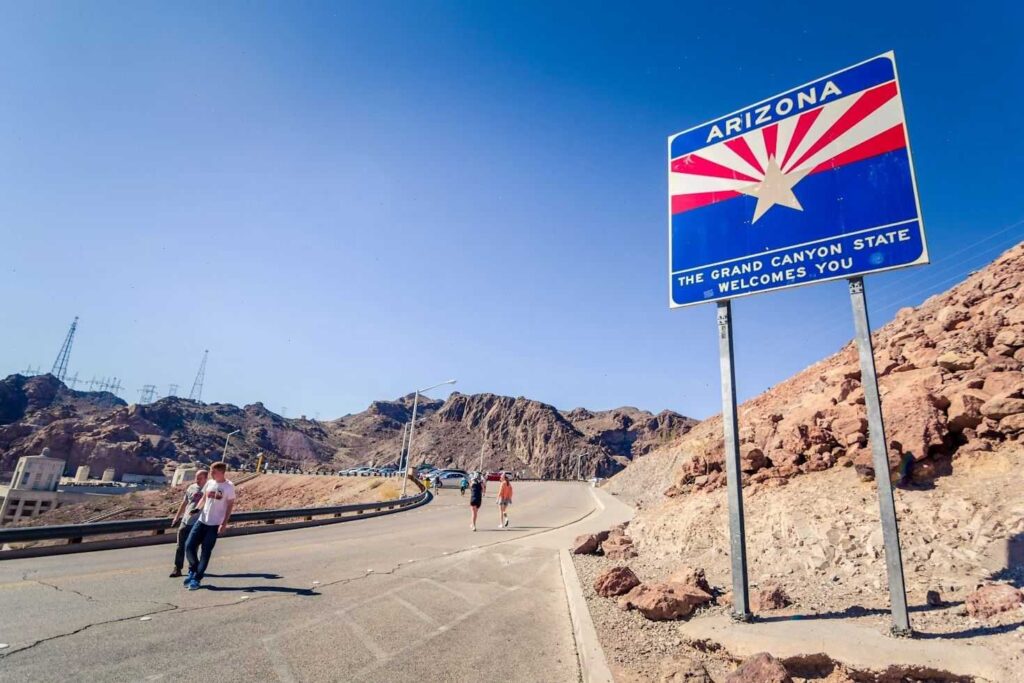
This loop combines some of the Southwest’s best-known landscapes without requiring a full cross-country trip. Las Vegas is a convenient starting point because it has extensive flight and rental-car options.
A practical route looks like this:
- Las Vegas and Hoover Dam
- Grand Canyon South Rim
- Flagstaff
- Sedona
- Page and Horseshoe Bend
- Return to Las Vegas
The South Rim is generally the better choice for a first visit because it has more services and established viewpoints. The North Rim is quieter but more seasonal and requires considerably more driving.
Sedona deserves at least two nights if you want to hike. Page is useful for Horseshoe Bend, Lake Powell, and permitted Antelope Canyon tours. Antelope Canyon is on Navajo Nation land and cannot be visited as an independent walk-in attraction.
A guided alternative from Las Vegas
If nobody in your group wants to handle a very long driving day, consider the Grand Canyon South Rim tour with lunch from Las Vegas. At the time checked, it was a join-in tour lasting approximately 14 hours and 40 minutes, with pickup available. The listed starting price was $119.67 per person, and it had a 4.8 rating from four reviews.
This option makes sense for travelers who want to see the South Rim without changing hotels. It is less suitable if you want sunrise, sunset, or long independent hikes because most of the day is structured around transport and scheduled stops.
6. Florida Keys Overseas Highway: Miami to Key West
Best for: Warm-weather escapes, snorkeling, and short road trips
Suggested time: 3–5 days
Main stops: Miami, Key Largo, Islamorada, Marathon, Bahia Honda, Key West
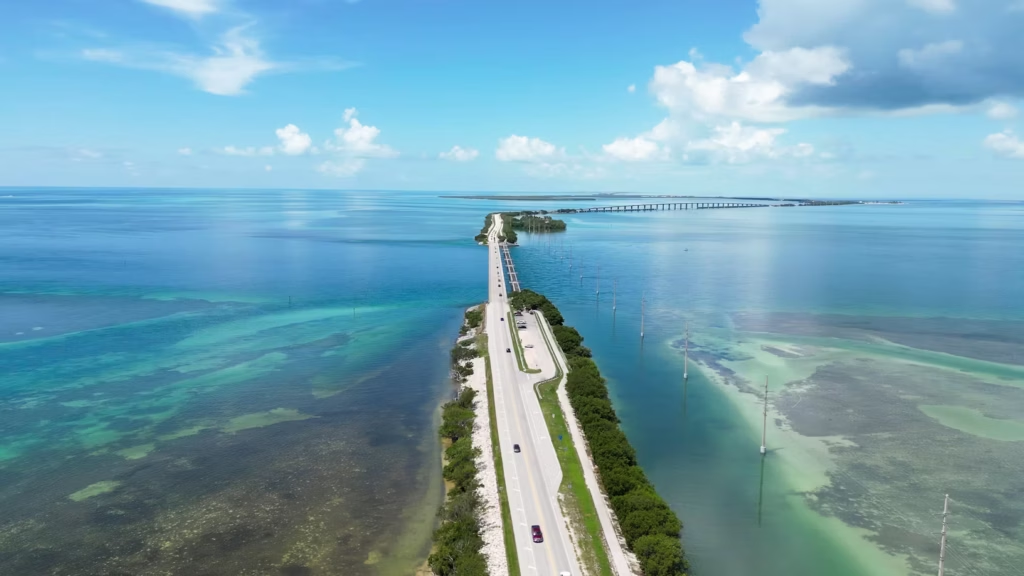
The Overseas Highway crosses a chain of islands connected by long bridges, including the Seven Mile Bridge. Although Miami to Key West can be driven in a day, treating it as a quick transfer misses most of the route.
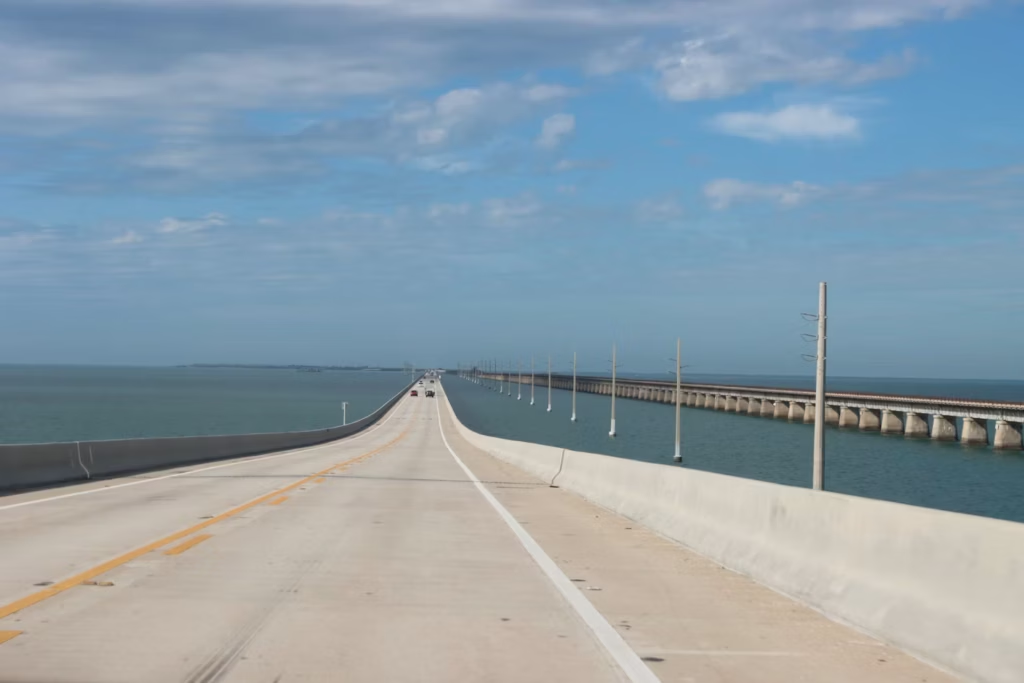
Spend the first night around Key Largo or Islamorada. Continue to Marathon for the Old Seven Mile Bridge and nearby nature centers, then stop at Bahia Honda State Park before reaching Key West.
The drive works particularly well for:
- couples looking for a slower coastal trip;
- families who want short daily driving distances;
- travelers interested in snorkeling, fishing, kayaking, or diving;
- winter visitors escaping colder northern states.
Accommodation prices often rise sharply in Key West. Staying in Marathon or another Middle Keys community can reduce the cost, but you will need to account for the additional drive.
Travelers who do not want to rent a car can compare the route with the Miami to Key West sightseeing bus tour. The listing includes round-trip coach transportation, commentary in English and Spanish, and approximately six hours of independent time in Key West. It is convenient for a day trip, but it does not provide the same freedom to stop throughout the Keys.
7. Yellowstone and Grand Teton National Parks
Best for: Wildlife, geysers, mountain landscapes, and families
Suggested time: 5–8 days
Main stops: Jackson, Grand Teton, Yellowstone Lake, Old Faithful, Grand Canyon of the Yellowstone, Mammoth Hot Springs
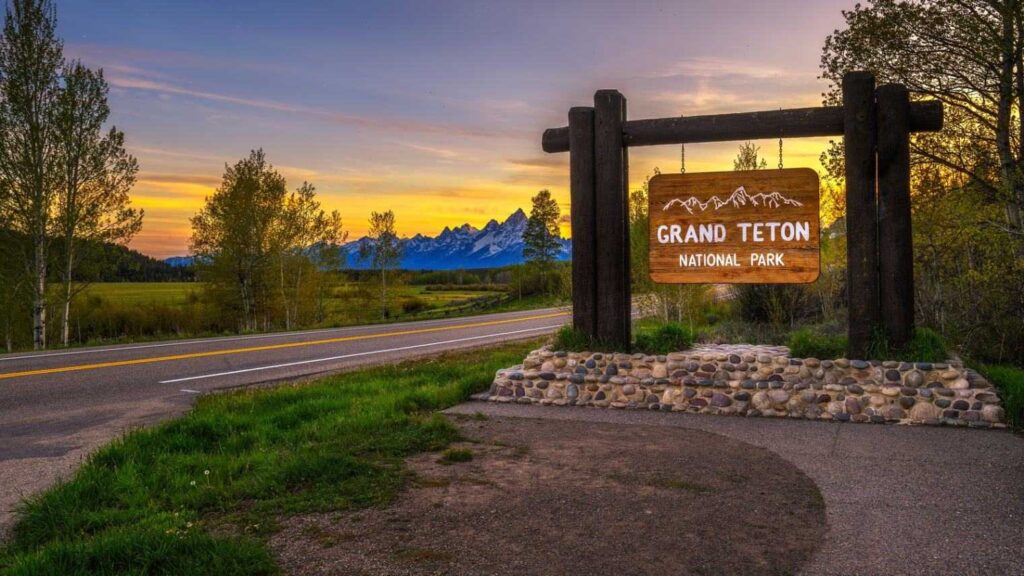
Yellowstone and Grand Teton are close enough to combine, but large enough that each needs more than a quick stop. Start in Jackson, explore Grand Teton National Park, and then continue north into Yellowstone.
A balanced itinerary includes:
- two nights near Grand Teton;
- three or four nights in Yellowstone;
- one additional night for arrival or departure.
Yellowstone’s roads form large loops, and wildlife-related traffic can add substantial time. Choose accommodations based on the section you plan to explore rather than booking every night in one location.
For something different from the usual boardwalk stops, the four-hour morning kayak tour on Yellowstone Lake includes a safety briefing, paddling instruction, and lunch. The listing states a ratio of six guests to one guide. Confirm age, weather, clothing, and swimming-related requirements before booking.
8. Going-to-the-Sun Road in Glacier National Park
Best for: Alpine views and a shorter summer adventure
Suggested time: 3–5 days
Main stops: West Glacier, Lake McDonald, Logan Pass, St. Mary, Many Glacier
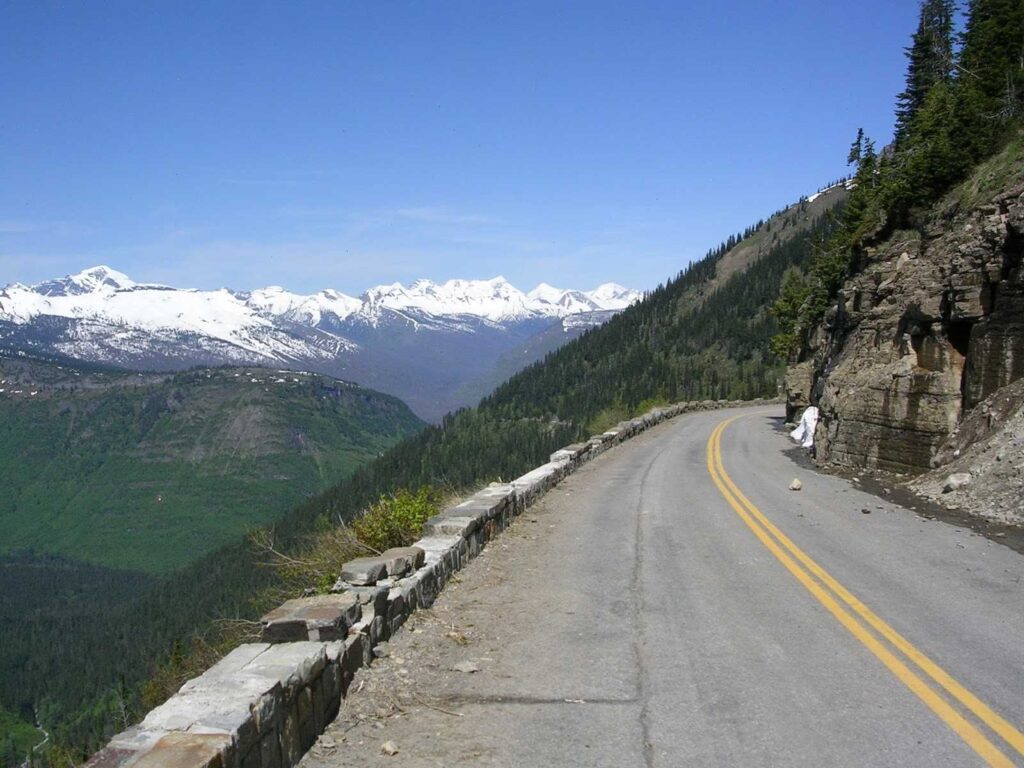
Going-to-the-Sun Road crosses Glacier National Park from west to east, passing waterfalls, mountain slopes, forested valleys, and Logan Pass. The road is relatively short, but viewpoints, traffic, construction, and hiking can easily fill an entire day.
A good itinerary combines:
- Lake McDonald and the western side;
- Logan Pass and the Highline Trail area;
- St. Mary Lake;
- a separate day around Many Glacier.
Vehicle reservations are not required on Going-to-the-Sun Road in 2026. The park will still manage congestion through parking limits and temporary vehicle diversions when necessary. Check the official road status and 2026 visitor information before setting out.
The complete road is seasonal and usually opens only after snow-clearing work. Do not build a spring itinerary around crossing the park until the opening has been officially confirmed.
9. New England Coast: Boston to Acadia
Best for: Coastal towns, lighthouses, seafood, and fall travel
Suggested time: 7–10 days
Main stops: Boston, Portsmouth, Portland, Camden, Bar Harbor, Acadia National Park
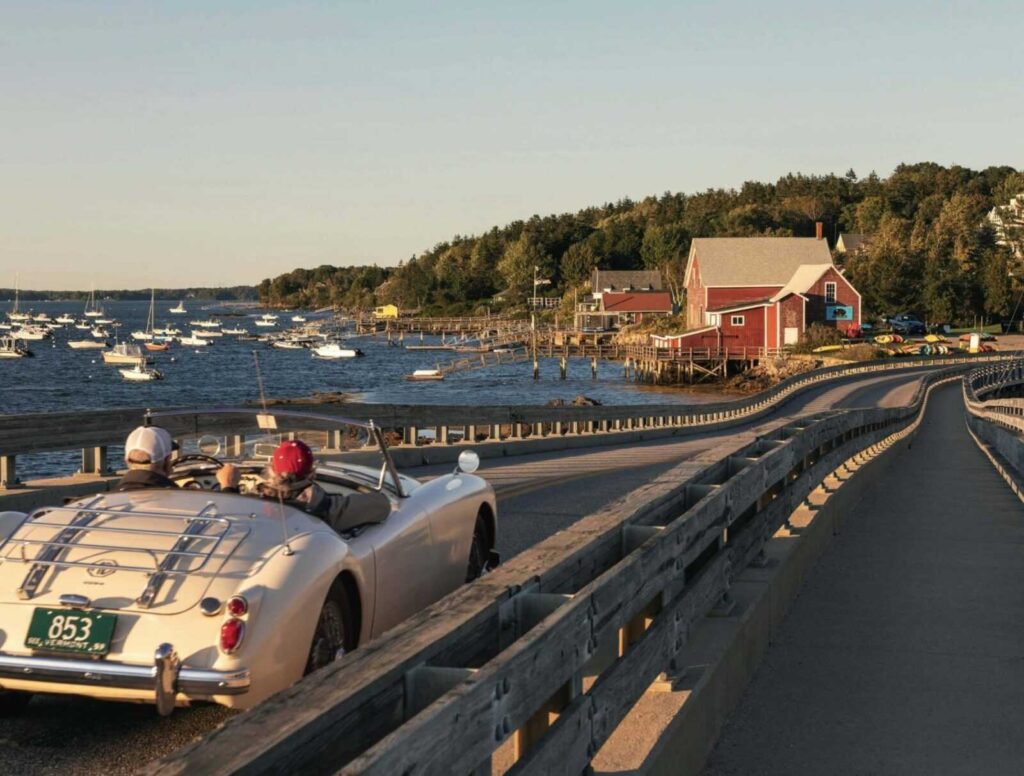
This route follows the New England coastline from Massachusetts through New Hampshire and Maine. It is an easy road trip to customize because the distance between major stops is manageable.
Portland makes a good base for food, breweries, and lighthouse drives. Farther north, Camden offers a quieter harbor-town experience before the route reaches Bar Harbor and Acadia National Park.
Allow at least two full days around Acadia. Cadillac Mountain, Park Loop Road, Jordan Pond, and the carriage roads can fill one day, while the second leaves time for hiking or exploring the less-visited sections of Mount Desert Island.
For a view of the park from the water, the Windjammer sailing trip in Maine departs from the Bar Harbor Inn Pier and sails through Frenchman Bay near the Porcupine Islands. The listed trip lasts roughly 1.5 to two hours. Boarding closes before departure, so arrive well ahead of the scheduled sailing time.
10. Great River Road: Following the Mississippi
Best for: American music, regional food, and cultural history
Suggested time: 7–14 days
Main stops: St. Louis, Memphis, Natchez, Baton Rouge, New Orleans
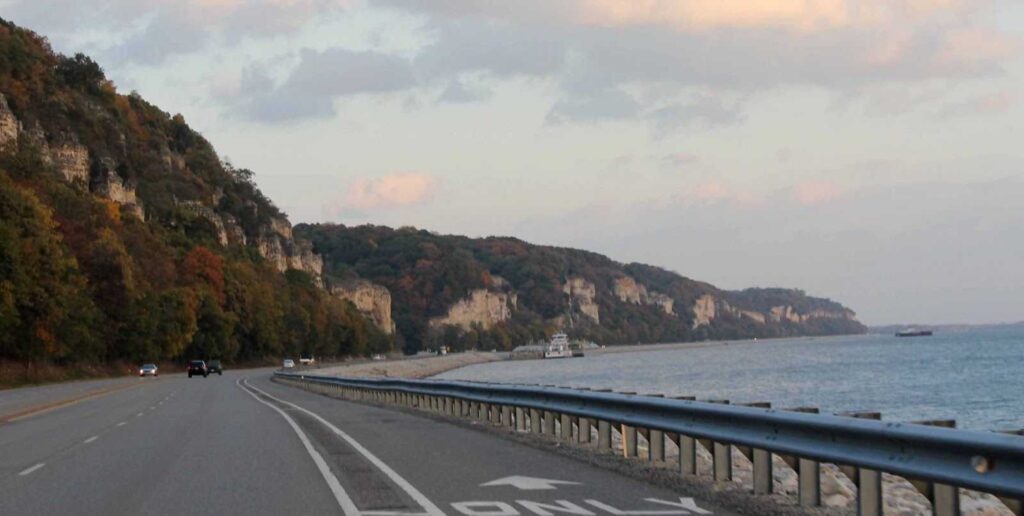
The complete Great River Road follows the Mississippi through ten states, but the southern section from St. Louis to New Orleans is more practical for a one- or two-week vacation.
The character changes as you move south:
- St. Louis provides river and westward-expansion history.
- Memphis centers the journey on blues, soul music, and barbecue.
- Natchez has a walkable historic district and river views.
- Louisiana introduces Cajun and Creole food, wetlands, and bayou landscapes.
- New Orleans is a natural endpoint for live music, museums, and neighborhood exploration.
Do not treat plantations as decorative roadside stops. Look for sites that explain enslavement and the lives of the people who worked the land, not only the architecture of the main house.
Near New Orleans, the covered pontoon boat swamp tour provides a calmer alternative to a high-speed airboat. At the time checked, the family-friendly join-in tour had a 4.8 rating from 83 reviews and started at $33.23 per person. Wildlife sightings are never guaranteed, and weather can affect the experience.
How to Choose the Right USA Road Trip
Choose the Pacific Coast Highway if ocean scenery and attractive small towns matter more than hiking. Pick Utah or Arizona for desert landscapes and national parks. Yellowstone works better for wildlife, while Glacier is stronger for alpine scenery and a shorter summer trip.
Route 66 suits travelers interested in road history, old motels, neon signage, and small communities. The Blue Ridge Parkway is a better fit when you want a slower mountain drive with frequent overlooks.
For a first road trip in the United States, avoid combining distant regions. California, the Southwest, Florida, New England, and the Rocky Mountains each deserve a separate journey.
FAQ
What is the best road trip in the USA for first-time visitors?
The Pacific Coast Highway is a manageable first choice because it combines major cities, coastal scenery, and frequent services. Arizona and Utah are better for travelers whose main priority is national parks.
How many days do you need for a USA road trip?
Five to ten days is enough for a focused regional route. A complete Route 66 journey usually needs at least two weeks. Trying to cross the country in one week leaves little time for meaningful stops.
Is it cheaper to rent a car or join guided tours?
A rental car usually offers better value for a multi-day route, particularly for two or more travelers. Guided day tours can make sense in places where parking is difficult, the driving day is extremely long, or nobody in the group wants to drive.
When is the best time for a USA road trip?
Spring and fall work well for many routes because temperatures are milder and crowds may be smaller. Mountain roads such as Going-to-the-Sun Road have a much shorter summer season. Coastal and desert routes require separate weather planning.
Can these routes be completed with an electric vehicle?
Many can, but charging coverage varies. California and major urban corridors are generally easier than remote sections of Wyoming, Montana, Utah, or historic Route 66. Plan chargers before departure and keep an alternative station in reserve.