Affiliate Note: Some links may be affiliate links. We may earn a small commission at no extra cost to you, and we only share recommendations we believe are useful.
Exploring Diverse Solo Female Travel Ideas for Every Style
Traveling alone gives you the freedom to build a trip around your own interests, energy, comfort level, and pace. Solo female travel does not have to begin with an ambitious journey across the world. A long weekend in a walkable city, a simple train trip, or a structured retreat can be an easier first step.
Confidence usually develops through experience rather than appearing before departure. Navigating a station, choosing where to eat, changing plans, solving small problems, and realizing you can handle unfamiliar situations gradually makes independent travel feel more natural.
The best solo female travel ideas also depend on what you actually enjoy. One traveler may want mountain trails and sunrise hikes; another may prefer cafés, galleries, markets, and boutique hotels. Some women enjoy meeting people every evening, while others value solitude. The eight ideas below offer different ways to travel independently, from beginner-friendly city breaks to guided outdoor adventures.
Table of Contents
Why Solo Female Travel Can Be So Rewarding
Traveling alone changes the way you make decisions. Instead of balancing another person's schedule and preferences, you choose whether to hike, sleep late, spend hours in a museum, linger over lunch, or change the day's plans completely.
One of the biggest benefits of traveling alone as a woman is learning how well you can handle unfamiliar situations. Confidence grows through sensible choices: understanding transportation, asking for help, recognizing when something feels wrong, changing plans without panic, and trusting your judgment.
Solo trips can also make meeting people easier. Without a built-in travel companion, you may naturally speak more with guides, restaurant staff, shop owners, or other travelers. At the same time, traveling alone helps you discover what you genuinely enjoy when nobody else's travel style influences your decisions.
What Makes a Great Solo Female Adventure?
A good solo trip is not necessarily the most impressive or difficult one. The transportation, accommodation, costs, activities, and general environment should match your experience and comfort level.
Solo female-friendly destinations often have walkable areas, reliable transportation, plenty of accommodation options, organized tours, and clear visitor information. These features cannot guarantee a problem-free journey, but they remove unnecessary complications.
Your interests matter just as much. A destination known for nightlife may be popular but disappointing if you would rather spend your days exploring bookstores, mountains, museums, or cafés. Choose the type of daily experience you actually want.
Leave some flexibility too. One or two anchor activities each day can provide structure without turning your vacation into a rigid schedule.
1. Take a Culture-Filled City Break
A city break is one of the easiest introductions to solo female travel because you have many activities within a relatively small area. Museums, markets, walking tours, cafés, parks, historic districts, theaters, and shopping streets give you plenty to do alone.
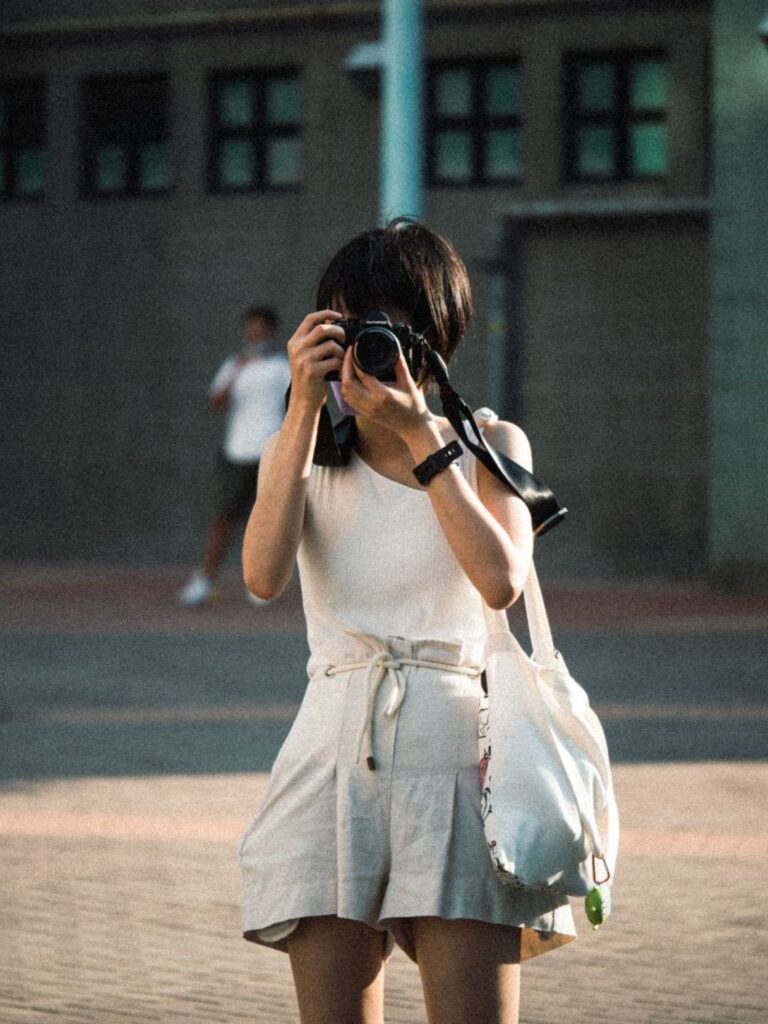
Cities such as Copenhagen, Vienna, Singapore, Tokyo, Lisbon, Edinburgh, Seoul, Amsterdam, and Melbourne often appeal to independent travelers because they combine cultural attractions with established tourism infrastructure. Conditions still vary by neighborhood, so research the exact area where you plan to stay, transportation after dark, and how easily you can reach the attractions that interest you.
For a first city trip, staying fairly central can be worth paying a little more. Walking back to your accommodation after dinner may feel much easier than navigating several late-night transportation connections.
City breaks are also good places to become comfortable dining alone. Cafés, markets, food halls, ramen counters, tapas bars, and restaurants with counter seating are low-pressure options. Soon, eating while watching city life may become one of your favorite parts of traveling independently.
2. Escape to a Peaceful Island or Coastal Town
Not every adventure needs complicated sightseeing. A compact coastal town or island can offer a simple combination of beaches, scenic walks, restaurants, and relaxing activities without constant transportation planning.
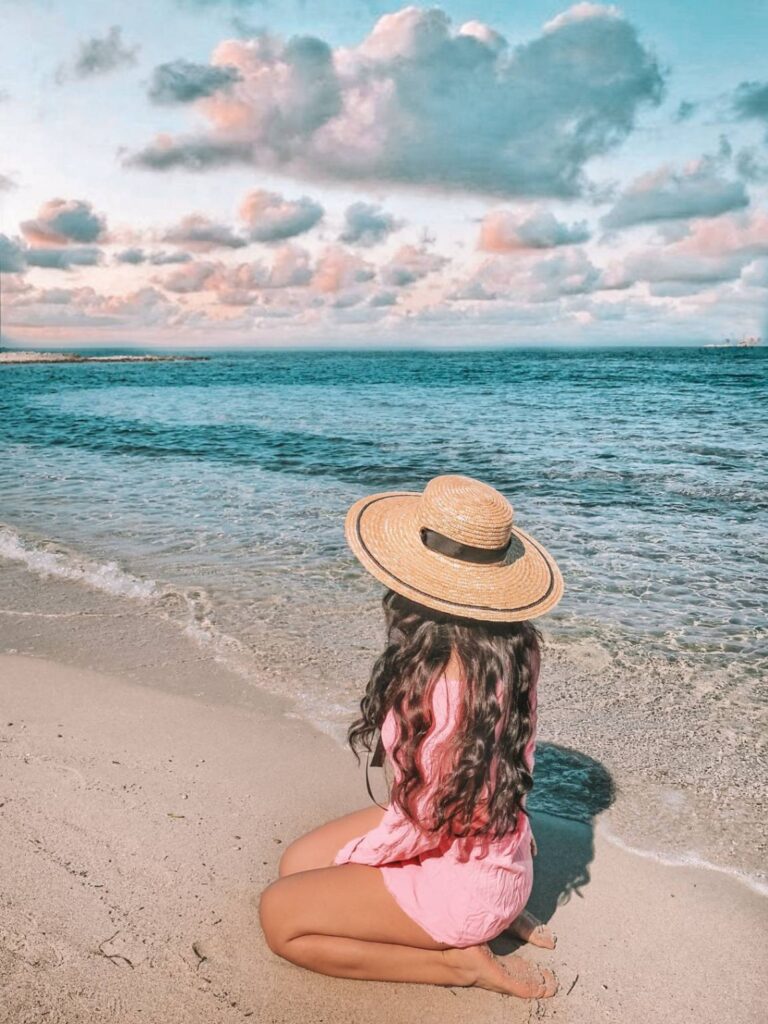
This type of solo female vacation is especially appealing when you want mental space. A day might include coffee by the water, reading on the beach, paddleboarding, wandering through town, and watching the sunset. There is no need to turn every hour into an attraction.
If you are not renting a vehicle, choose the destination carefully. Some beach regions are spread out and require taxis or scooters. A compact town where restaurants, accommodation, beaches, and basic services are within walking distance is usually easier.
One or two organized activities can add a social element. A snorkeling excursion, sailing trip, yoga class, surf lesson, or small-group boat tour provides company for a few hours while allowing you to return to your own schedule afterward.
3. Join a Guided Hiking or Trekking Adventure
If mountains appeal to you more than museums, a guided hiking trip can combine solo travel with professional organization. You arrive independently, while guides handle much of the route planning, transportation, trail logistics, and sometimes meals or accommodation.
Options range from day hikes and walking weekends to multi-day treks with luggage transfers. Choose according to your fitness, hiking experience, weather tolerance, and comfort with remote environments rather than selecting the trail that sounds most impressive.
Check the operator carefully. Look for clear difficulty ratings, guide qualifications, group sizes, emergency procedures, transportation arrangements, equipment requirements, cancellation policies, and recent traveler reviews. For high-altitude or remote trips, find out how medical problems and sudden weather changes are handled.
Guided hiking can also be surprisingly social. Groups often include other people traveling alone, and conversation tends to happen naturally while walking. You still get the satisfaction of taking yourself somewhere challenging without tackling unfamiliar wilderness entirely by yourself.
4. Plan a Scenic Train Journey
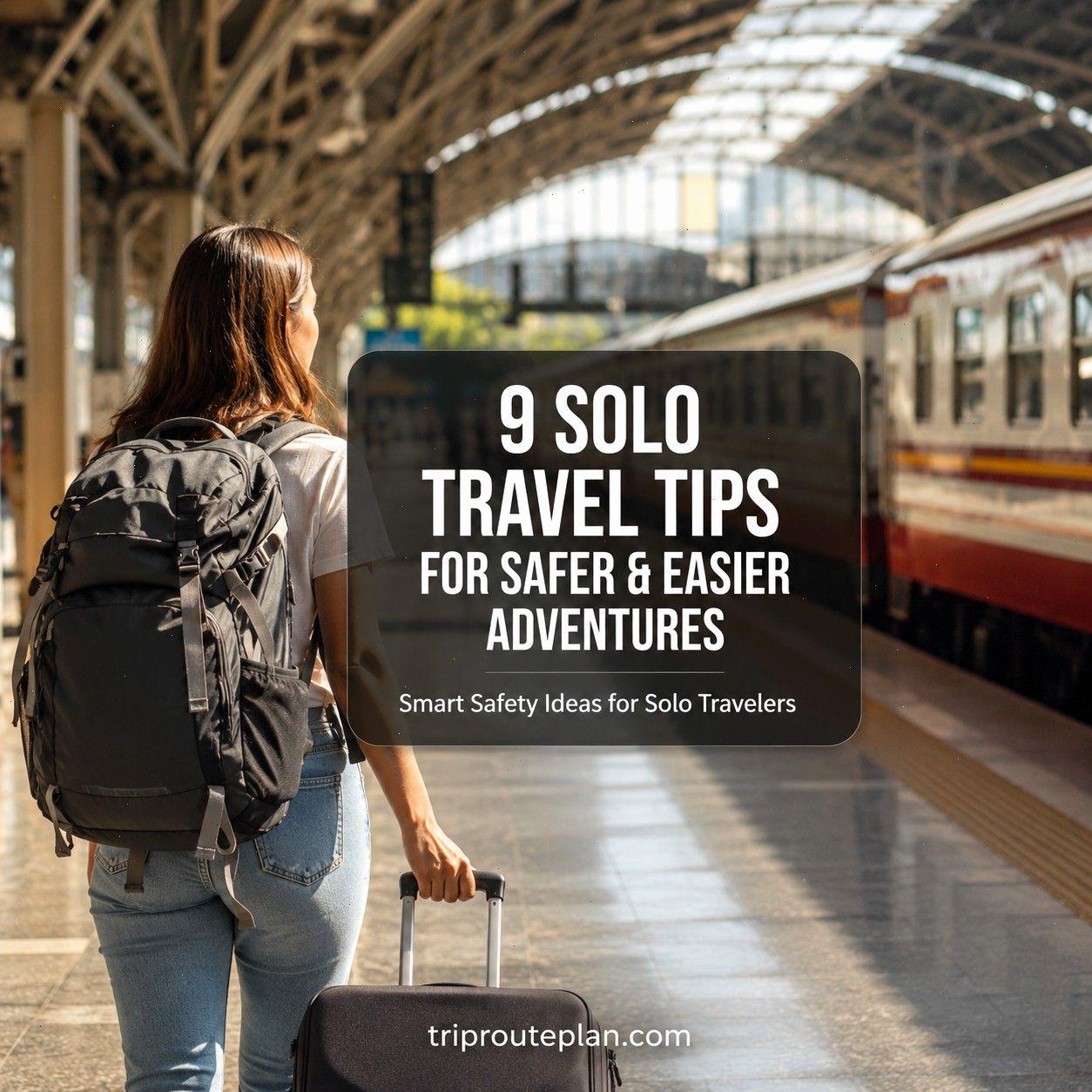
Train travel combines transportation with sightseeing and can be especially comfortable for solo travelers. Instead of worrying about unfamiliar roads, parking, navigation, or rental-car rules, you can watch the landscape, read, listen to music, or simply relax.
You might connect two cities by a scenic railway, create a week-long route with several stops, or travel through most of a country by train. Switzerland is known for dramatic alpine journeys, Japan has an extensive rail system, and Scotland offers routes through rugged landscapes. Many other European countries are also well suited to multi-city rail travel.
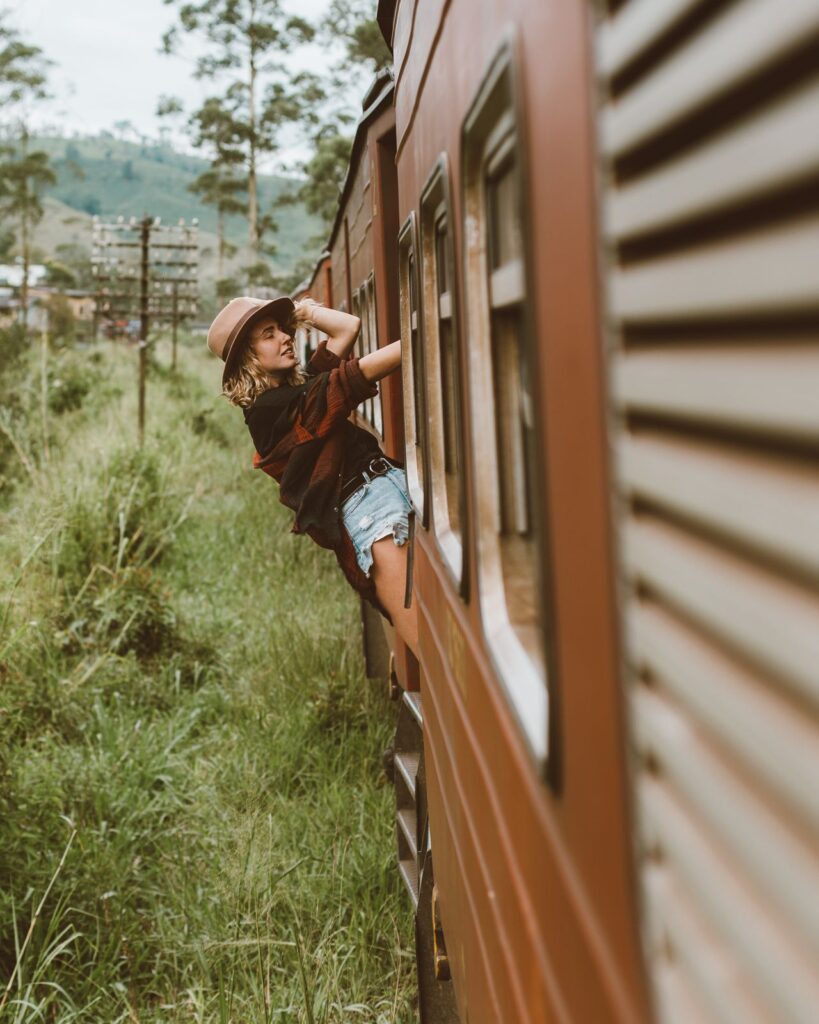
For a first solo trip, avoid itineraries built around extremely tight connections. Give yourself enough time to find the correct platform, save tickets offline, download useful maps, and confirm which station you need when a city has several.
Pack lightly enough that you can lift and move your luggage independently. Train journeys quickly make every unnecessary item feel heavier.
5. Book a Wellness Retreat
A wellness retreat can be ideal if you want to travel alone without planning every meal and activity yourself. Depending on the property, your schedule might include yoga, meditation, spa treatments, fitness classes, nature walks, creative workshops, organized meals, or plenty of free time.
Do not assume every place using the word “wellness” offers the same experience. Some are luxury resorts, while others are rustic community retreats. Some focus heavily on meditation or spirituality; others feel more like relaxing vacations with optional classes. Review the schedule, accommodation, meals, group activities, and cancellation terms before booking.
Be cautious with programs promising dramatic medical, detoxification, psychological, or healing results without credible evidence. If health, dietary, mobility, or other personal requirements may affect your participation, discuss them with the property beforehand.
A retreat can be a gentle introduction to women's solo travel because you arrive independently but already have a structure around you. Classes, communal meals, staff support, and other guests make it easier to balance independence with casual social interaction.
6. Explore a Food-Focused Destination
Food gives a solo trip an easy theme. You can organize your days around markets, cooking classes, bakeries, cafés, vineyards, street-food areas, neighborhood restaurants, or regional specialties.
A small-group food tour can be particularly useful early in the trip. Besides introducing local dishes, a good guide can explain neighborhoods, dining customs, markets, and places worth visiting again. It also provides a natural opportunity to meet other travelers.
Bangkok, Osaka, Mexico City, Bologna, Istanbul, Penang, Hanoi, San Sebastián, and Taipei are famous for distinctive food cultures, but almost any region can support a food-focused trip. Look beyond a checklist of famous dishes and notice how locals actually eat: breakfast traditions, seasonal ingredients, markets, café culture, and dinner habits.
Solo dining often becomes easier once curiosity replaces self-consciousness. Counter seating, markets, casual cafés, food halls, and cooking classes are especially comfortable for people eating alone.
7. Try a Workation or Slow-Travel Experience
If your work situation and destination rules allow it, a solo workation or longer stay can let you experience everyday life somewhere new rather than racing between attractions.

Staying for several weeks removes much of the friction caused by constantly changing hotels. You learn the neighborhood, transportation, supermarkets, cafés, and routines instead of repeatedly packing, checking in, and figuring everything out again.
Choose accommodation for practical living rather than vacation photos. Reliable internet, a comfortable workspace, laundry facilities, groceries, cooking facilities, and transportation access may matter more during a longer stay than a dramatic view.
Check visa, immigration, tax, employment, and remote-work requirements through official sources because tourist permission does not necessarily cover every type of remote work.
Longer trips may also include occasional loneliness or travel fatigue. Build routines by visiting a coworking space, joining language exchanges, taking regular fitness classes, or returning to the same café. Slow travel shows that independence does not always have to look adventurous.
8. Take a Nature and Wildlife Adventure
A nature-focused solo trip might involve whale watching, a safari, kayaking through wetlands, staying near rainforest, exploring national parks, photographing wildlife, or spending time somewhere with exceptional night skies.
For wildlife activities, reputable guides and responsible operators are especially important. Choose companies that prioritize safety and animal welfare. Avoid experiences that depend on touching, holding, feeding, riding, or provoking wild animals simply to create photographs.
Independent visits to parks and wilderness areas require additional preparation. Check trail difficulty, daylight hours, weather, water availability, wildlife precautions, mobile coverage, transportation, and local emergency procedures. Let someone know your plans when appropriate.
You do not need to tackle extreme routes to have a meaningful nature adventure. Staying at a comfortable lodge, taking guided excursions, and exploring well-marked trails can provide memorable experiences without adding unnecessary risk.
How to Plan a Solo Female Trip Without Overplanning It
Research can easily become overwhelming. Focus first on the parts that would create real problems if left unresolved: transportation to the destination, accommodation, arrival logistics, and activities that genuinely require advance reservations.
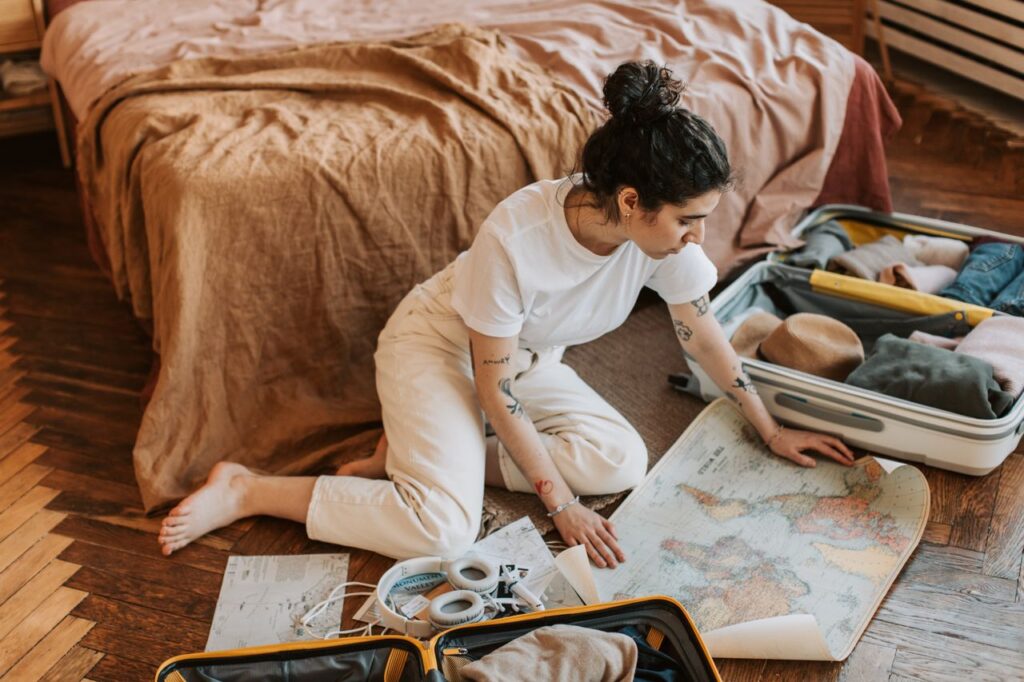
Know how you will get from your arrival point to your accommodation, especially if you land late. Keep the address and contact information available offline and identify two or three experiences that matter most.
Then plan around anchor activities rather than filling every hour. A morning walking tour, afternoon cooking class, or day trip can provide enough structure while leaving room to decide what you feel like doing afterward.
Prepare for common problems without building the entire trip around fear. Keep copies of important documents, carry more than one payment method, know local emergency procedures, and understand your travel insurance coverage. If you want travel medical and trip protection, you can review an EKTA travel insurance policy before departure and compare the coverage with your actual needs.
The goal of planning is to create enough security that you can enjoy being spontaneous once you arrive.
Solo Female Travel Safety Habits That Build Confidence
Safety deserves attention, but broad labels such as “safe country” or “unsafe city” are rarely enough. Conditions can vary by neighborhood, transportation method, time of day, weather, and current events. Check official travel advisories and recent local information before departure.
Choose accommodation with strong recent reviews and convenient transportation. Arrive during daylight when practical, keep valuables discreet, download offline maps, keep your phone charged, and know how you plan to return to your accommodation before staying out late.
If you want reliable mobile data for live maps, transportation apps, bookings, and messaging after arrival, setting up an Airalo eSIM before departure can reduce your dependence on public Wi-Fi or finding a physical SIM immediately.
Trusting your instincts does not mean assuming everyone is dangerous. It means giving yourself permission to leave situations that feel wrong. You do not owe strangers details about where you are staying, and you can change taxis, decline invitations, move to a busier place, or spend money on safer transportation without apologizing.
Sharing basic itinerary and accommodation information with someone you trust can also add reassurance. Solo female travel safety works best when practical precautions become routine rather than dominating the entire experience.
How to Keep a Solo Adventure Affordable
Some costs are harder to divide when you travel alone. A hotel room, taxi, private transfer, or rental car may cost almost the same for one person as for two. The advantage is that you control every spending decision.
Accommodation is often the best place to compare options. Many hostels offer private rooms as well as dormitories, while guesthouses, simple hotels, university accommodation in some seasons, and longer-stay apartments can provide good value. Compare the full cost rather than the nightly rate alone; a cheap room far outside the center may require enough transportation spending to erase the savings.
Traveling during shoulder season can lower accommodation and transportation costs while avoiding peak crowds. Public transportation, local markets, lunch specials, free walking routes, and inexpensive museums can also stretch your budget.
Decide what deserves your money. You might choose simple accommodation so you can afford a memorable diving trip, guided trek, or food tour. Another traveler may prefer a comfortable hotel and inexpensive days exploring neighborhoods, markets, parks, and beaches. Budget travel is about spending intentionally, not spending as little as possible.
Conclusion: Your Best Solo Trip Is the One That Fits You
There is no correct level of difficulty for solo female travel. A three-night city break can feel as significant to a first-time traveler as a month-long journey does to someone with years of experience.
Start with something that feels exciting but manageable. That might be a nearby city, a wellness retreat, a coastal town, a scenic rail journey, or a guided hiking trip. Confidence develops through repetition rather than proving how fearless you can be.
You are also allowed to change your mind while traveling. Leave an attraction early, upgrade your accommodation, cancel an evening plan, take a taxi instead of walking, join a group tour when you want company, or spend an afternoon doing nothing.
Pick one of these eight ideas and imagine an ordinary day there rather than the perfect social-media version. If that day sounds enjoyable, you may already have the foundation for your next solo adventure.
FAQ
What Is the Best Type of Trip for a First-Time Solo Female Traveler?
For many first-time solo female travelers, a short city break is an easy place to begin because accommodation, transportation, restaurants, tours, and activities are usually readily available. A city is not automatically the right answer for everyone, though: if busy streets and public transportation make you uncomfortable, a wellness retreat or compact coastal town may feel easier, while someone who hikes regularly at home might prefer a guided trekking weekend. Keep the first journey simple by choosing one destination, arriving during daylight when practical, and knowing exactly how to reach your accommodation. A three-to-five-day trip can be long enough to experience independent travel without committing to several weeks away.
How Can a Woman Stay Safe While Traveling Alone?
Start with destination-specific research by checking current official travel advisories, transportation information, accommodation reviews, and relevant local laws or cultural expectations. Stay somewhere convenient and well connected, keep your phone charged, save offline maps, protect important documents, maintain access to backup money, and use reputable transportation services. Avoid becoming so intoxicated that your ability to make decisions or get back safely is significantly reduced. Most importantly, change course when something feels uncomfortable: decline invitations, switch seats, enter a staffed public place, call your accommodation, or choose safer transportation. Smart solo travel is about reducing avoidable risks while still enjoying the destination.
Is Solo Female Travel Lonely?
Sometimes, especially on longer trips when you may miss having someone to share dinner, a funny experience, or an unexpected problem with. Traveling alone can also make meeting people easier because walking tours, food tours, cooking classes, hostel common areas, coworking spaces, hiking groups, workshops, and language exchanges create natural opportunities for conversation. It helps to distinguish loneliness from solitude, since reading on a train, wandering through a museum at your own pace, or watching a sunset alone can feel restorative rather than lonely. If you start feeling isolated, call someone at home, join an activity, visit a social café, or take a group tour. Independent travel does not require avoiding human connection.
How Much Should I Budget for a Solo Trip?
There is no useful universal daily budget because costs vary significantly by destination, season, transportation, accommodation, exchange rates, and activities. Build your budget by category, including transportation to the destination, accommodation, local transportation, food, attractions, tours, connectivity, travel insurance, visas when required, and an emergency cushion. Solo travelers should pay particular attention to accommodation and private transportation because those costs are not divided with a companion. Leave enough flexibility for unexpected expenses such as a missed train, medical need, damaged luggage, weather disruption, or deciding that taking a taxi home would be safer or more comfortable.
How Do I Become Confident Enough to Travel Alone?
You do not need to feel completely confident before your first trip because confidence usually develops after completing manageable challenges. Start close to home if necessary by exploring your own city alone, eating at a restaurant by yourself, visiting a museum, taking a train to a nearby town, or spending a weekend away. Preparation also helps: learn how transportation works, choose reliable accommodation, keep useful information available offline, and create a simple itinerary without researching every possible negative scenario. Your first solo trip may include nervous moments, but a few days later you may find yourself navigating breakfast, transportation, sightseeing, and dinner without thinking much about whether you can do it alone. You will simply be traveling.