Affiliate Note: Some links may be affiliate links. We may earn a small commission at no extra cost to you, and we only share recommendations we believe are useful.
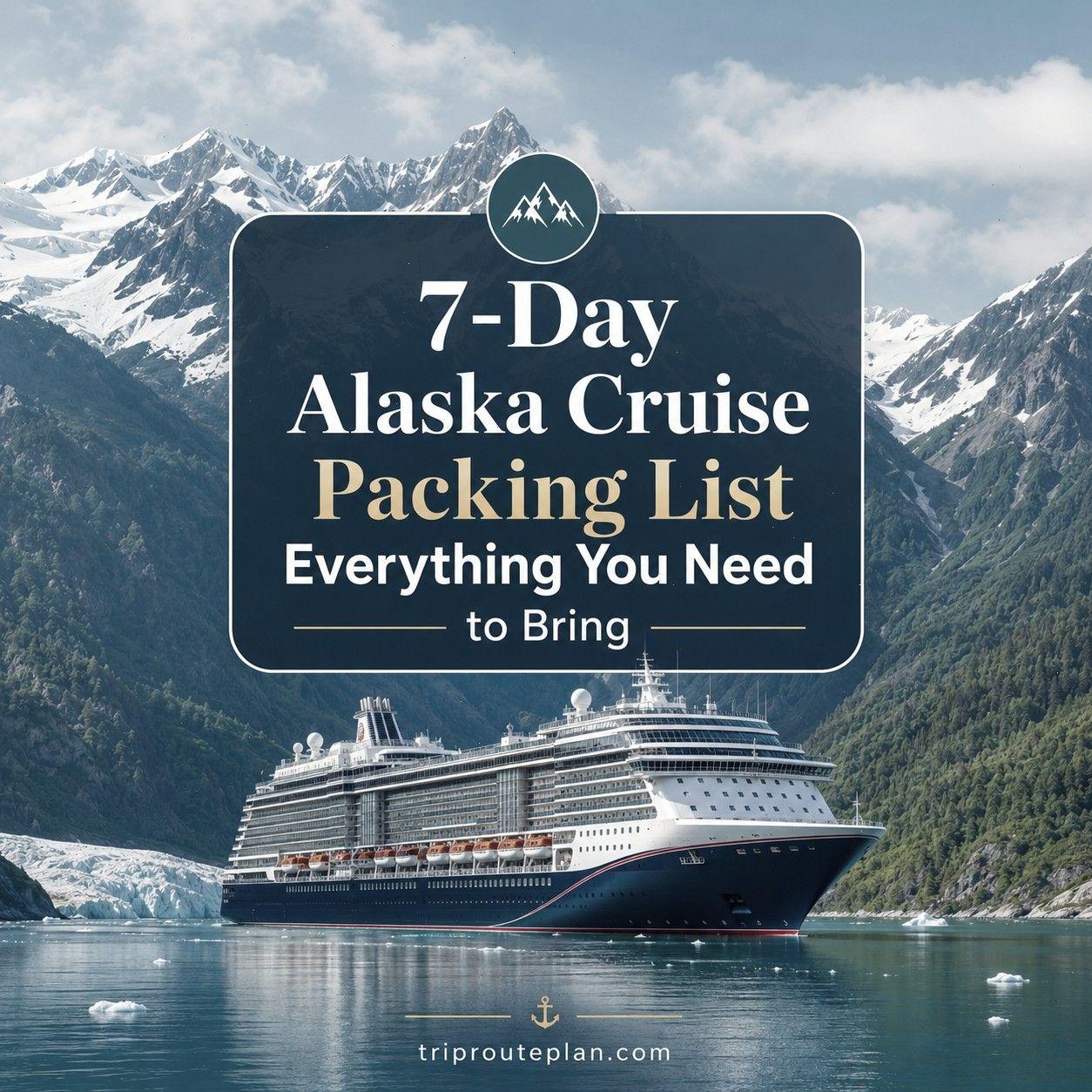
Preparing Your 7-Day Alaska Cruise Packing List
Packing for Alaska is different from packing for a typical warm-weather cruise. During one seven-day sailing, you could experience sunshine, drizzle, chilly glacier-viewing weather, windy decks, mild afternoons, and cool evenings, all on the same itinerary.
The goal is not to bring a huge suitcase filled with winter clothing. Instead, pack versatile layers, reliable rain protection, comfortable shoes, and a few Alaska-specific essentials that can handle changing conditions.
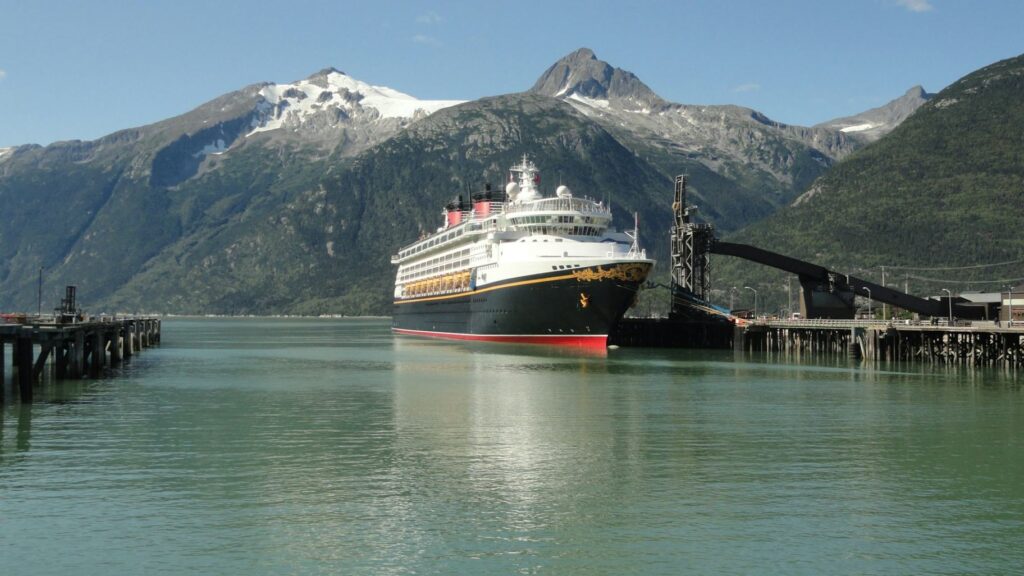
If this is your first trip north, the official Travel Alaska Inside Passage guide is useful for understanding the climate, ports, outdoor activities, and landscapes you may encounter along a typical cruise route.
This complete 7-day Alaska cruise packing list covers what to wear, what to carry on excursions, what belongs in your embarkation-day bag, which documents and electronics to bring, and what you can probably leave at home.
Table of Contents
Quick Answer: What Should You Pack for a 7-Day Alaska Cruise?
For a seven-day Alaska cruise, prioritize layered clothing, a waterproof jacket, comfortable waterproof footwear, warm accessories, binoculars, a daypack, medications, travel documents, and a few smart-casual outfits for evenings onboard.

Your core Alaska cruise essentials should include:
- Waterproof hooded rain jacket
- Fleece, sweater, or lightweight insulated jacket
- Moisture-wicking base layers
- Short- and long-sleeve shirts
- Comfortable travel or hiking pants
- Waterproof walking shoes
- Warm hat
- Lightweight gloves
- Sunglasses
- Sunscreen
- Binoculars
- Small backpack or day bag
- Portable phone charger
- Prescription medications
- Cruise and travel documents
The most important packing principle is simple:
Pack layers, not bulk.
That approach also matches Alaska-specific packing recommendations published by major cruise operators such as Holland America Line's Alaska packing guide.
What to Wear on an Alaska Cruise
Alaska cruise clothing should be comfortable, practical, and easy to layer. You want to be able to adjust your outfit without returning to your cabin every time the temperature, wind, or rain changes.
A typical daytime outfit might be:
T-shirt or base layer + fleece + waterproof jacket + travel pants + comfortable waterproof shoes.
If the temperature rises, remove the fleece. If the wind picks up or rain moves in, put your waterproof shell back on.
That flexibility is far more useful than relying on one heavy coat.
Start With a Moisture-Wicking Base Layer
Your first layer sits closest to your skin and helps regulate temperature while keeping you more comfortable during active excursions.
Good options include:
- Lightweight synthetic tops
- Merino wool layers
- Performance shirts
- Breathable long-sleeve shirts
You do not necessarily need thermal underwear every day. A lightweight base layer that can also be worn alone gives you more options.
Add an Insulating Mid-Layer
Your second layer traps warmth and can usually be worn on its own during mild weather.
Good choices include:
- Fleece jacket
- Lightweight sweater
- Packable puffer
- Insulated vest
A fleece is especially practical because it works under a rain shell without taking up as much suitcase space as a heavy winter jacket.
Finish With a Waterproof Outer Layer
A hooded waterproof jacket is one of the most useful items you can bring on an Alaska cruise.
Look for something that blocks both rain and wind without being so bulky that it fills half your suitcase. A shell that packs down easily is useful on excursions because you can store it in your day bag when conditions improve.
A practical Alaska layering system is:
Base layer + warm mid-layer + waterproof shell.
Check the Weather Before You Finish Packing
Do not pack solely according to monthly temperature averages. Conditions can vary significantly from one cruise to another, and weather in one port may be different from conditions farther north or south.
A few days before departure, check the current forecasts for your individual ports through the National Weather Service.
For example, if rain is expected during most of your time in Southeast Alaska, quick-drying pants and waterproof footwear become more valuable. If several mild, dry days are forecast, you may be able to reduce the number of heavier layers.
Also check wind and precipitation, not only the daytime high. A temperature that looks comfortable on paper can feel much cooler on an exposed ship deck.
Check the forecast again shortly before leaving home because Alaska weather can change quickly.
Do You Need a Heavy Winter Coat on an Alaska Cruise?
For most travelers cruising Alaska during the main season, a massive winter coat is not necessary.
Several lighter layers are usually more versatile because conditions can change quickly. You may feel chilly while watching glaciers from an open deck in the morning and comfortable in just a shirt and fleece later in the day.
A heavier insulated jacket may make sense if you:
- Get cold easily
- Travel very early or late in the cruise season
- Book a cold-weather excursion
- Expect to spend significant time outdoors
- Plan to remain on exposed decks for long periods
For most travelers, a lightweight insulated jacket paired with a waterproof shell provides more flexibility than one oversized coat.
Warm accessories can also make a major difference without taking much suitcase space. A knit hat and lightweight gloves are often more useful than adding another bulky jacket.
What Shoes Should You Pack for a 7-Day Alaska Cruise?
Most travelers only need two or three pairs of shoes.
Footwear should match what you actually plan to do ashore rather than every activity you might possibly encounter.
Waterproof Walking Shoes
This should be your primary footwear.
You may walk on wet sidewalks, docks, nature paths, viewing platforms, wooden boardwalks, and uneven surfaces.
Choose shoes that are:
- Already broken in
- Comfortable for several hours of walking
- Water-resistant or waterproof
- Supportive
- Equipped with reasonable traction
Avoid making brand-new shoes your main excursion footwear. Blisters can make a port day miserable even if the shoes themselves are technically perfect for the weather.
Hiking Shoes or Boots
Bring dedicated hiking footwear if your excursions involve:
- Longer hikes
- Rugged terrain
- Muddy trails
- Steep paths
- Backcountry activities
Otherwise, sturdy waterproof walking shoes may be sufficient.
Check excursion descriptions before packing heavy boots. If your cruise activities mostly involve towns, sightseeing vehicles, visitor centers, and short paved paths, hiking boots may spend the entire week in your cabin.
Casual or Dinner Shoes
One lightweight pair of flats, loafers, casual sneakers, or dress shoes should cover most onboard evenings.
Choose a pair that works with more than one outfit so you do not need separate shoes for every dinner.
Alaska Cruise Rain Gear Checklist
Rain protection deserves its own place on an Alaska cruise packing list, particularly for itineraries through Southeast Alaska.
Pack:
- Waterproof hooded jacket
- Waterproof or water-resistant shoes
- Quick-drying travel pants
- Optional waterproof over-pants
- Waterproof pouch for valuables
- Backpack rain cover if needed
- Compact umbrella if desired
A hooded jacket is generally more practical than relying solely on an umbrella because it keeps your hands free and works better when conditions are windy.
For especially wet excursions, waterproof over-pants can be useful, but they are not essential for every traveler. Check what your planned activities involve before adding another specialty item.
What to Pack in Your Alaska Cruise Day Bag
Your excursion bag should remain light enough to carry comfortably for several hours.
A small backpack or practical crossbody bag usually works better than a large tote, especially if you need both hands free.
Pack:
- Waterproof jacket
- Extra fleece or warm layer
- Reusable water bottle
- Sunglasses
- Sunscreen
- Lip balm
- Phone
- Portable charger
- Binoculars
- Camera
- Cruise card
- Required identification
- Prescription medication
- Small snack where permitted
Do not fill your day bag simply because you have space. The more walking you plan to do, the more important it becomes to carry only what you are likely to use.
Keep rain protection and frequently used items near the top instead of burying them underneath extra clothing.
Travel Documents and Cruise Essentials
This is one area where you should never rely on a generic packing checklist alone.
Documentation requirements can depend on your citizenship, embarkation and disembarkation ports, itinerary, and whether the cruise visits Canada or another country.
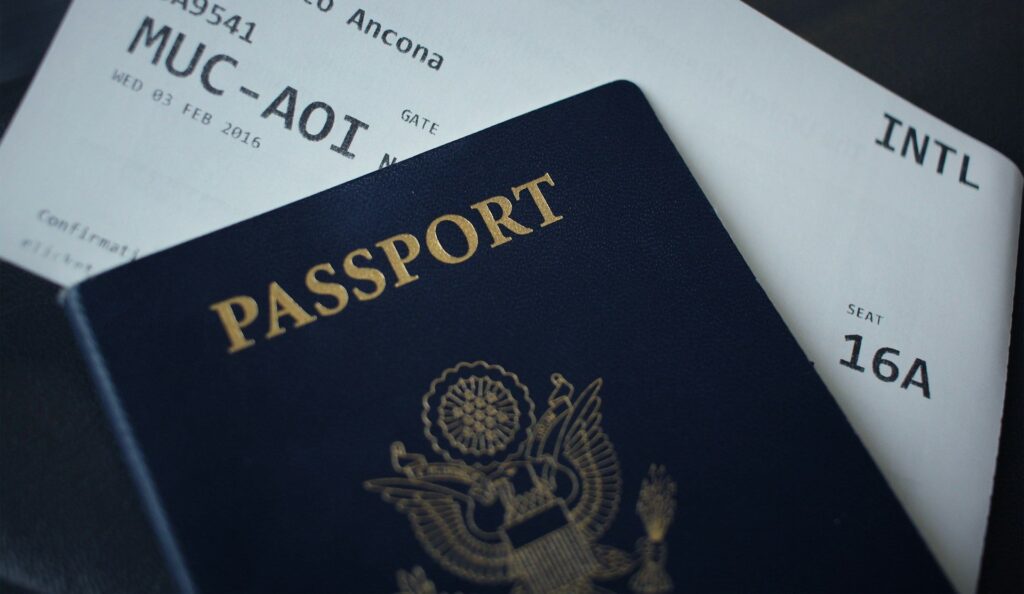
U.S. travelers can review the current U.S. Customs and Border Protection guidance for cruise travel documents before departure.
Your document checklist may include:
- Passport
- Government-issued photo identification
- Required citizenship documentation
- Cruise boarding documents
- Airline confirmations
- Hotel confirmations
- Excursion confirmations
- Travel insurance details
- Credit/debit cards
- Emergency contact information
Even when an itinerary may qualify for specific closed-loop cruise documentation rules, carrying a valid passport can make unexpected international travel disruptions easier to manage.
If you decide to purchase travel insurance for medical expenses or other covered travel disruptions, you can also review policies from EKTA before departure. Read the policy terms, exclusions, limits, and cruise-related coverage carefully rather than assuming every plan covers the same situations.
Keep digital copies of important documents, but do not depend exclusively on your phone. A dead battery, damaged device, or connectivity problem can make paper backups useful.
Electronics and Cruise-Line Restrictions
Bring the electronics you genuinely expect to use:
- Smartphone
- Phone charger
- Portable power bank
- Camera
- Spare batteries
- Memory cards
- Headphones
- Smartwatch charger
- E-reader or tablet
A portable charger is especially useful during long port days when you may use your phone for photos, maps, messaging, and excursion details.
If your itinerary includes a Canadian port or your regular mobile plan has limited coverage while traveling, check roaming terms before sailing. Travelers who need data outside their normal plan can consider setting up an Airalo eSIM before departure so maps, messaging, and booking information remain accessible where supported.
Download any important documents or maps you may need offline as well. Cell service can be inconsistent in remote parts of Alaska, and an eSIM cannot create coverage where no network is available.
Be careful with power strips, extension cords, heating appliances, irons, steamers, and similar devices.
Cruise lines maintain their own safety policies, and the rules are not necessarily identical across companies. Before sailing, check your carrier's current prohibited-items list. For example, travelers can review the latest guidance from Princess Cruises or Holland America Line when sailing with those lines.
Checking the policy before you pack is much easier than having an item confiscated or held during embarkation.
What to Put in Your Cruise Carry-On Bag
Do not place everything important in checked luggage.
Keep these essentials with you:
- Passport and identification
- Cruise documents
- Prescription medication
- Wallet
- Phone
- Portable charger
- Valuable electronics
- Waterproof jacket
- One change of clothes
- Essential toiletries
- Swimsuit if desired
Cruise lines may deliver checked luggage to your stateroom later in the day, so your carry-on should contain everything you would need for your first several hours onboard.
Medication, documentation, expensive electronics, and anything difficult to replace should stay with you rather than entering checked baggage.
If you plan to use a pool, hot tub, or spa immediately after boarding, keeping your swimsuit in your carry-on can also save you from waiting for your suitcase.
What to Wear to Dinner on an Alaska Cruise
Evening dress depends on your cruise line.
A simple strategy is to pack:
- 1–2 smart-casual outfits
- 1 optional dressier outfit
- 1 pair of versatile evening shoes
Do not assume every Alaska cruise has the same formal-night rules.
For example, Holland America currently distinguishes between casual daytime attire, smart-casual evenings, and designated Dressy Nights. Travelers sailing with the line can check its current dress-code guidance before deciding how much evening wear to bring.
Other cruise lines may use different names and different standards.
The same principle applies regardless of company: check your particular cruise line and sailing before filling your suitcase with formalwear.
Unless you personally enjoy dressing up, there is usually little reason to pack multiple formal outfits that can only be worn once.
What to Pack for Juneau, Ketchikan and Skagway
Your ports and planned excursions can influence what belongs in your suitcase and day bag.
The clothing needed for a relaxed walk through town is different from what you may want for whale watching, a glacier excursion, a wilderness hike, or a mountain railway trip.
Juneau

Juneau excursions commonly revolve around glaciers, whale watching, hiking, sightseeing, and outdoor adventures.
Flexible layers and comfortable shoes are particularly useful because your day may combine transportation, outdoor viewpoints, boat travel, and walking.
Before choosing excursions, explore the official Travel Alaska guide to Juneau to see what types of activities fit your itinerary.
For whale-watching trips, bring a warm outer layer even when the weather in town feels mild. Conditions on the water may feel cooler, particularly when the boat is moving.
Ketchikan

Keep rain protection readily accessible when exploring Ketchikan.
A waterproof hooded jacket and appropriate footwear are especially useful for walking around town and visiting surrounding natural areas.
The official Travel Alaska Ketchikan guide can help you plan around hiking, wildlife viewing, cultural attractions, and Misty Fjords excursions.
If your plans include Misty Fjords, check the excursion details carefully before deciding what additional gear to carry. Klook currently lists Misty Fjords flightseeing options from Ketchikan, including excursions with transportation from the cruise-ship area.
For an excursion where most of your time is spent in a vehicle, boat, or aircraft, ordinary waterproof walking shoes may be more practical than heavy hiking boots.
Skagway

Skagway days can involve historic sightseeing, rail journeys, hiking, and excursions into mountainous terrain.
Pack layers you can add or remove as your activity and elevation change.
For port planning, see Travel Alaska's Skagway guide before deciding whether ordinary walking shoes or more substantial hiking footwear makes sense.
If you are taking a rail or sightseeing excursion, keep a warm layer accessible even if the weather near the ship initially feels comfortable. Conditions can become cooler as you travel inland or gain elevation.
Binoculars and Camera Gear
Binoculars are one of the most Alaska-specific items worth making room for.
Wildlife may appear far from the ship or viewing platform, and binoculars let you observe whales, birds, mountain goats, bears, waterfalls, glaciers, and shoreline details without relying on a phone camera's zoom.
Compact binoculars are usually easier to carry than a large heavy pair.
For photographers, bring:
- Camera body
- Preferred lens or lenses
- Spare battery
- Memory cards
- Lens cloth
- Weather-resistant camera bag or cover
Cold, damp conditions can affect batteries and equipment, so keep electronics protected when you are outside for extended periods.
If photography is not a major part of your trip, a smartphone may be all you need. Do not carry heavy camera equipment simply because Alaska is scenic if you know you will not enjoy using it.
Warm Accessories That Take Very Little Space
Small accessories can noticeably improve comfort on cold or windy days without occupying much room in your luggage.
Consider packing:
- Warm knit hat
- Lightweight gloves
- Scarf or neck gaiter
- Warm socks
- Sunglasses
These are particularly useful for glacier viewing, whale watching, early morning excursions, and time spent on open decks.
A hat that covers your ears can make a bigger difference than adding yet another sweater.
Toiletries and Personal Items
Most cruise cabins provide basic toiletries, but the exact products differ by cruise line and cabin category.
Consider packing:
- Toothbrush and toothpaste
- Deodorant
- Preferred shampoo or conditioner
- Moisturizer
- Lip balm
- Sunscreen
- Razor
- Hairbrush or comb
- Contact lenses and solution
- Glasses
- Personal hygiene products
- Seasickness remedies if you use them
Alaska's cool weather does not eliminate sun exposure. Reflections from water and long periods outside can still lead to sunburn, so sunscreen and sunglasses belong on your packing list.
Dry air, wind, and cool temperatures can also make lip balm and moisturizer useful.
Medications and Basic Health Items
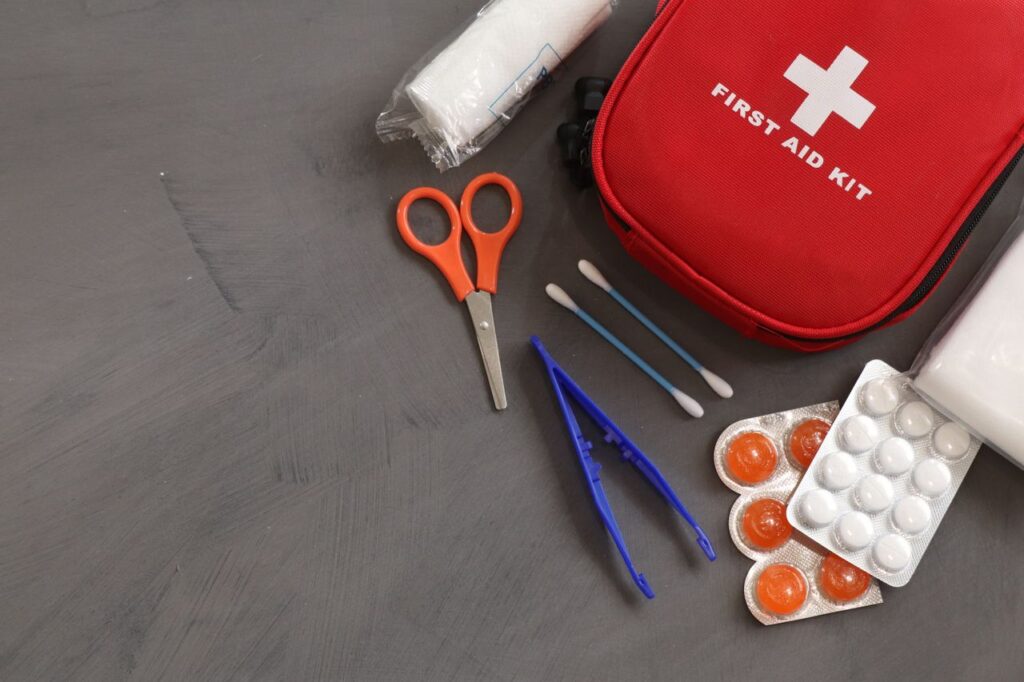
Bring enough prescription medication for the entire trip, ideally with a small extra supply in case travel is disrupted.
Keep essential medication in your carry-on rather than checked luggage.
Depending on your needs, you may also want:
- Pain reliever
- Motion-sickness medication
- Allergy medication
- Bandages
- Blister treatment
- Hand sanitizer
- Any personal medical supplies
Do not rely on buying a critical medication during the cruise. Availability in port can be limited, and pharmacies may not stock the same products or dosages you use at home.
Laundry and Rewearing Clothes
One of the easiest ways to avoid overpacking is to plan on rewearing outer layers and selected clothing.
You generally do not need seven different pairs of pants or seven different evening outfits.
Pants, sweaters, fleeces, jackets, and some tops can often be worn more than once.
Depending on your cruise ship, laundry options may include:
- Self-service laundry
- Paid laundry service
- Wash-and-fold packages
Check your cruise line before departure if you plan to rely on onboard laundry.
A small stain-removal pen can also be useful for keeping a limited travel wardrobe presentable.
What NOT to Pack for a 7-Day Alaska Cruise
Knowing what to leave behind can save just as much space as knowing what to bring.
Too Many Heavy Coats
One flexible layering system usually beats several bulky jackets.
A waterproof shell plus one warm mid-layer can handle a surprisingly wide range of conditions.
Seven Completely Different Outfits
Rewear outer layers and combine a smaller number of tops and bottoms.
Choose colors and pieces that work together rather than treating every day as a separate outfit.
Too Many Shoes
Two to three pairs are enough for most travelers.
Shoes consume a large amount of suitcase space, so each pair should have a clear purpose.
Excessive Formalwear
Verify your ship's actual dress code before packing several special-occasion outfits.
Many travelers can cover the entire week with one or two smart-casual combinations and an optional dressier look.
Bulky Specialty Adventure Gear
Check what your excursion operator provides first.
Some organized activities provide specialized boots, waterproof equipment, helmets, flotation devices, or safety gear.
There is no reason to transport bulky specialty equipment if it is already included.
Prohibited Electrical or Safety Items
Never assume an ordinary household or travel item is automatically permitted onboard.
Before closing your suitcase, visit your cruise line's official prohibited-items page and check restrictions covering:
- Electrical devices
- Heating appliances
- Extension cords
- Sharp objects
- Weapons
- Certain sprays
- Other controlled items
Cruise-ship safety rules can differ from airline rules, so checking both is important when you are flying to your departure port.
How to Avoid Overpacking for an Alaska Cruise
Follow these ten rules:
- Build everything around layers. Choose clothing that can be worn separately or combined as conditions change.
- Choose pieces that work in multiple outfits. Neutral, interchangeable clothing makes a seven-day wardrobe easier to manage.
- Limit yourself to two or three pairs of shoes. Every pair should have a clear purpose.
- Rewear pants, jackets, fleeces, and sweaters. These usually do not need to be replaced every day.
- Wear your bulkiest items during travel. A jacket and heavier shoes take up less suitcase space when you are wearing them.
- Use packing cubes for organization. They can separate clothing categories and make a small cabin easier to keep organized.
- Choose lightweight, quick-drying fabrics where practical. They handle damp conditions better and are easier to wash if necessary.
- Check what excursion operators provide. Do not pack specialty equipment that is already included with your tour.
- Review your cruise line's dress code and prohibited-items policy. This prevents unnecessary formal clothing and items you cannot bring onboard.
- Leave some suitcase space for souvenirs. Starting the trip with an overfilled bag makes the return journey harder.
Packing cubes, waterproof pouches, and similar organizers are useful only if they help you manage items you were already planning to bring. If you need them, you can compare specific travel organizers rather than adding extra accessories simply to fill suitcase space.
Sample Clothing List for a 7-Day Alaska Cruise
Exact quantities depend on your habits, planned activities, and access to laundry, but a practical starting point might include:
- 4–5 casual tops
- 2–3 long-sleeve shirts or base layers
- 1 fleece or warm sweater
- 1 lightweight insulated jacket
- 1 waterproof outer shell
- 2–3 pairs of travel pants
- 1 optional hiking outfit
- 1–2 smart-casual evening outfits
- 1 optional dressier outfit
- Underwear for the week
- Socks, including a few warm pairs
- Sleepwear
- Swimsuit
- Warm hat
- Lightweight gloves
This is not a strict formula. Someone planning several strenuous excursions may need more activewear, while a traveler focused on scenic sightseeing may need less.
The key is to avoid packing seven complete independent outfits when the same layers can be combined in different ways.
Final Thoughts: Pack for Layers, Rain and Adventure
A useful 7-day Alaska cruise packing list is not the one with the most items. It is the one that prepares you for changing conditions without forcing you to drag an oversized wardrobe from home.
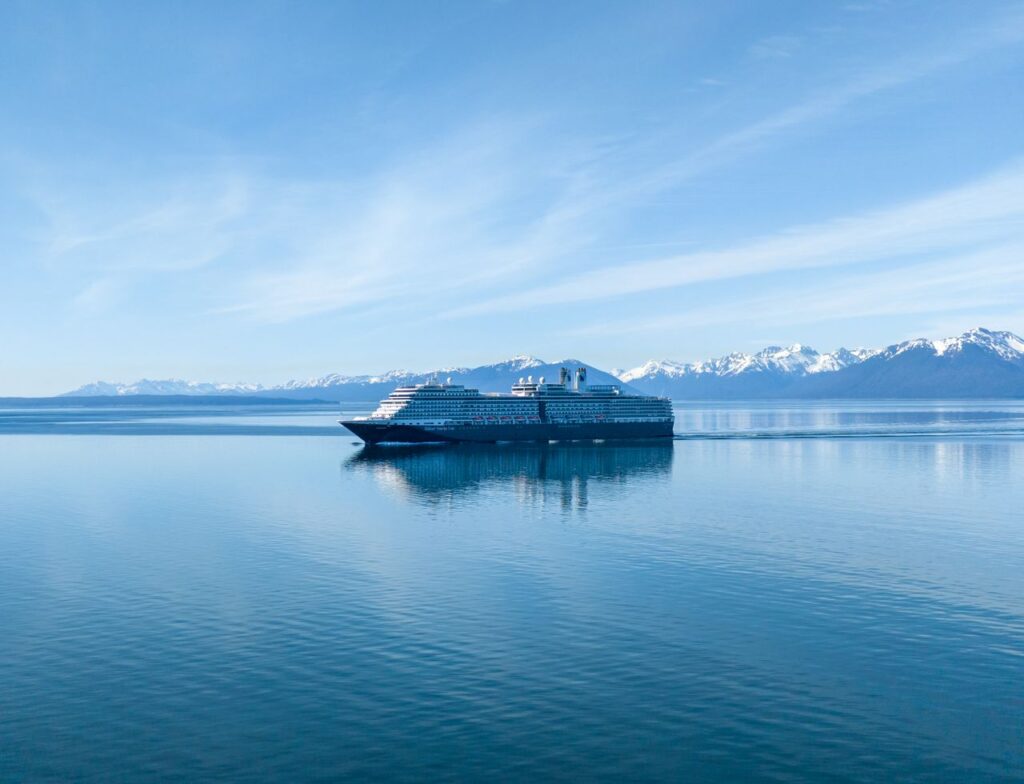
Build your suitcase around three essentials: layers, waterproof protection, and comfortable footwear.
Then add the items that fit your particular trip: warm accessories, binoculars, excursion gear, medications, travel documents, electronics, and a small number of evening outfits.
Before leaving home, make four final checks:
your cruise line's prohibited-items policy, your documentation requirements, your excursion instructions, and the latest weather forecast.
Also verify what your specific shore excursions provide. A hiking tour, whale-watching boat, glacier activity, and scenic railway journey can require very different clothing even when they depart from the same port.
The goal is not to prepare for every possible Alaska weather scenario with a separate outfit. It is to have a small collection of clothing and gear that can adapt from cold glacier mornings to mild afternoons in port and smart-casual evenings onboard.
Pack smart, leave a little room for souvenirs, and keep your rain jacket somewhere you can reach it.
Frequently Asked Questions About Packing for an Alaska Cruise
What should I pack for a 7-day Alaska cruise?
Pack interchangeable clothing layers, a waterproof hooded jacket, comfortable waterproof footwear, warm accessories, several casual tops, two or three pairs of pants, binoculars, a daypack, medication, travel documents, electronics, and one or two smart-casual outfits for evenings. Add specialized hiking clothing only if your planned excursions require it.
What is the most important thing to pack for an Alaska cruise?
A reliable waterproof outer layer is one of the most useful items. Pair it with a fleece or insulated mid-layer and lightweight base layer so you can adapt as temperatures and conditions change. Comfortable waterproof footwear is nearly as important if you plan to spend significant time ashore.
Do I need a winter coat for an Alaska cruise?
Usually, you do not need an extremely bulky winter coat during the main cruise season. A lightweight insulated jacket, warm fleece, and waterproof shell generally provide greater flexibility. Travelers who get cold easily, sail at the edges of the season, or book particularly cold outdoor activities may prefer additional insulation.
What shoes should I wear on an Alaska cruise?
Comfortable waterproof walking shoes are the most versatile option. Add hiking boots if your excursions involve rugged terrain and one casual or dressier pair for evenings onboard. Make sure your primary walking shoes are broken in before departure.
Should I bring binoculars on an Alaska cruise?
Yes. Compact binoculars can improve wildlife viewing because whales, bears, birds, and other animals may appear at a distance. They are also useful for viewing glaciers, mountains, waterfalls, and shorelines from the ship. If you already own a compact pair, Alaska is a trip where carrying them can genuinely be worthwhile.
What should I wear to see glaciers?
Wear a base layer, fleece, lightweight insulated jacket, waterproof or windproof outer layer, warm hat, gloves, long pants, and comfortable shoes. Open decks can feel considerably cooler than sheltered areas of the ship, especially when the ship is moving or wind is coming off the water. Keep your warm accessories accessible rather than packed deep inside your cabin suitcase.
Do I need formal clothes on an Alaska cruise?
It depends on your cruise line. Some ships schedule dressier evenings, while others maintain a more relaxed approach. Check your particular cruise line's current dress requirements before packing formal clothes. For many travelers, one versatile dressier outfit is enough.
Will I need waterproof pants?
Not everyone needs them. Quick-drying travel pants are sufficient for many sightseeing days. Waterproof over-pants become more useful if you plan long outdoor excursions in wet conditions, extended hiking, kayaking, or other activities where staying dry matters. Check the excursion operator's equipment list before buying or packing them.