Choosing Your Next Secret Place in the USA
Some places look interesting on a map but feel underwhelming after a long drive. Others make the detour worthwhile the moment you step out of the car, ferry, or small plane.
These secret places in the USA are not completely unknown. They are simply quieter, more remote, or harder to reach than the landmarks filling most first-time itineraries. Several require advance reservations, careful weather planning, or a willingness to travel beyond the nearest major city.
This guide compares ten unusual destinations by scenery, access, season, physical effort, and the amount of planning involved.
Table of Contents
Secret Places in the USA at a Glance
Place | State or territory | Best time | Physical effort | Main planning issue |
|---|---|---|---|---|
Dry Tortugas | Florida | November–April | Easy to moderate | Ferry or seaplane reservation |
Bisti/De-Na-Zin | New Mexico | Spring and fall | Moderate | Navigation and rough access roads |
Great Basin | Nevada | June–September | Easy to strenuous | Remote location and cave tickets |
Cumberland Island | Georgia | October–April | Moderate | Ferry capacity and limited services |
Apostle Islands | Wisconsin | June–September | Moderate to strenuous | Lake Superior conditions |
Craters of the Moon | Idaho | Late spring–fall | Easy to moderate | Seasonal roads and cave permit |
Channel Islands | California | Spring–fall | Moderate | Boat reservations and no island transport |
Chiricahua | Arizona | Spring and fall | Moderate to strenuous | Limited seasonal transport |
Magic Valley | Idaho | Spring–fall | Easy to moderate | Distances between natural sites |
El Yunque | Puerto Rico | Drier months | Moderate | Rain, slippery terrain, and route choice |
Conditions, availability, restrictions, and operating schedules were checked on August , 2026. Confirm current details before traveling.
1. Dry Tortugas National Park, Florida
Seventy miles west of Key West, Dry Tortugas National Park feels disconnected from the rest of Florida. Most day visitors arrive at Garden Key, where the enormous brick walls of Fort Jefferson rise beside clear Gulf water.
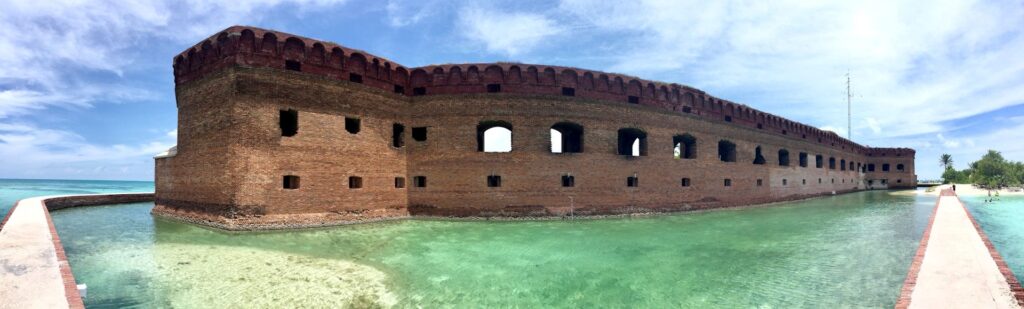
The setting is the main reason to make the trip. You can walk through the fort, snorkel close to shore, watch seabirds, and explore a national park without roads or private cars. It is a much slower experience than a typical Key West sightseeing day.
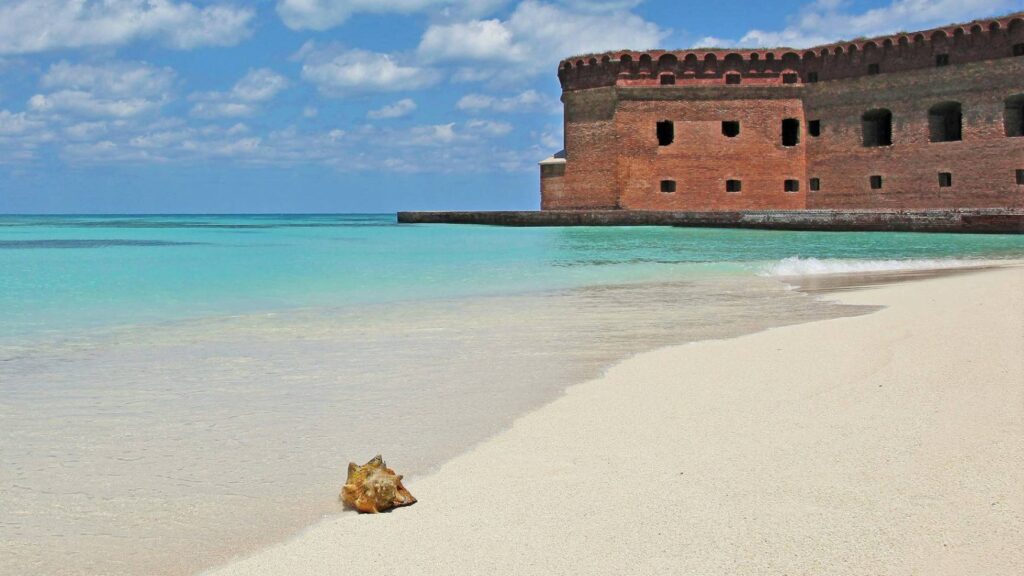
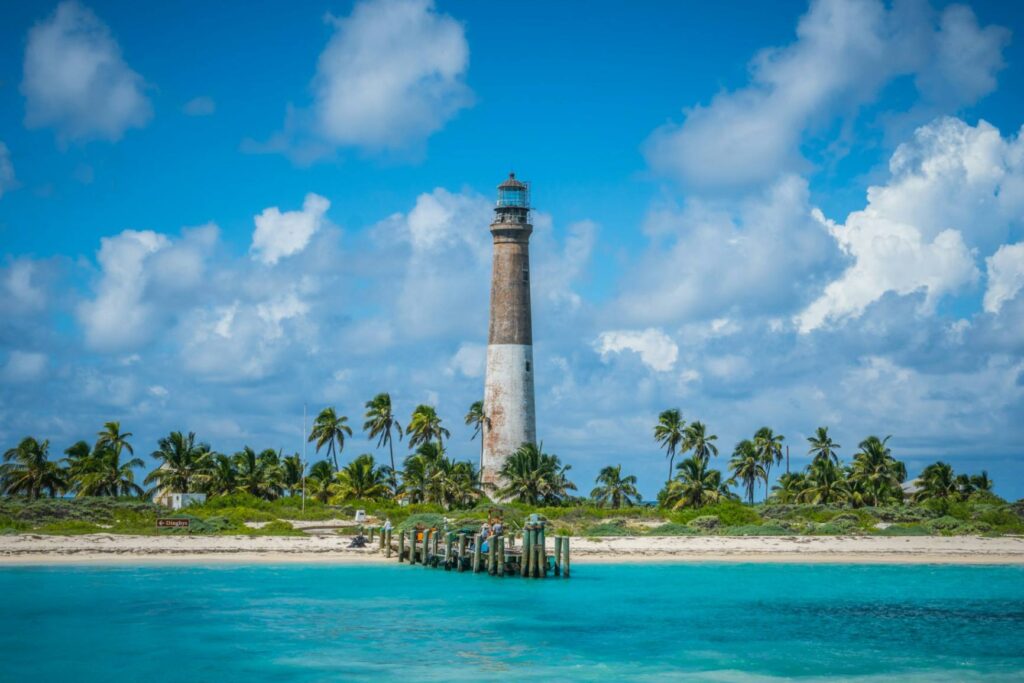
Getting there is also the biggest challenge. The park is accessible only by boat or seaplane. The commercial ferry ride takes about two hours each way and normally leaves day visitors roughly four and a half hours on Garden Key. Ferry places, especially camper transportation, can sell out months ahead.
Best for: couples, history lovers, snorkelers, and travelers who want an island day without a resort atmosphere.
Keep in mind: Ferry and seaplane passengers generally visit Garden Key rather than the park’s more distant islands. There is no reliable cell service, so download passes and essential information beforehand.
Check transportation and current access through the National Park Service Dry Tortugas guide.
2. Bisti/De-Na-Zin Wilderness, New Mexico
Bisti/De-Na-Zin is a maze of cracked earth, hoodoos, balanced rocks, petrified wood, and strangely eroded formations in northwestern New Mexico. It has no single famous viewpoint. The appeal comes from walking into the badlands and gradually discovering formations scattered across the open terrain.
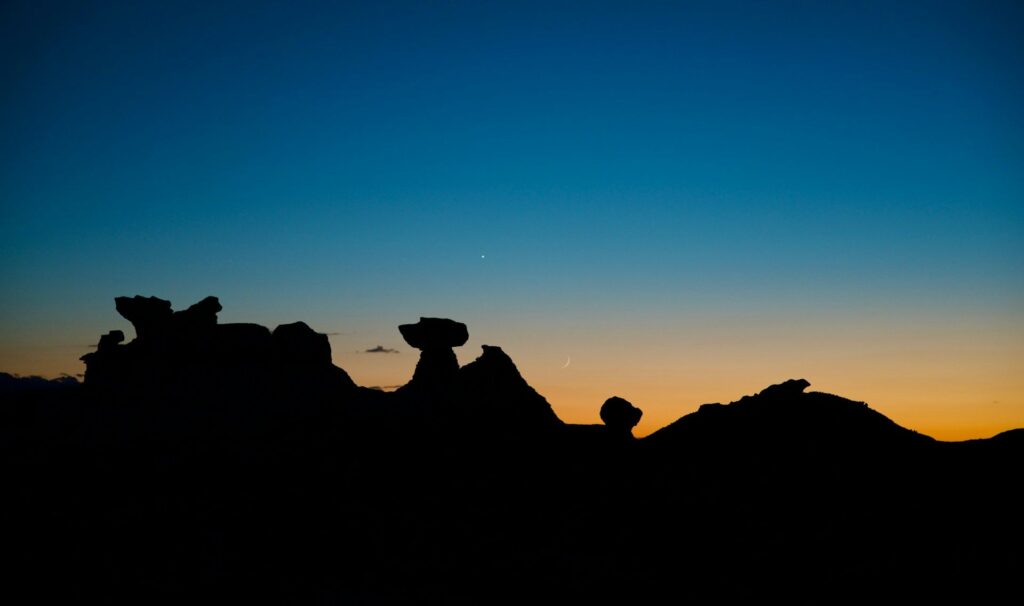
This is one of the least structured destinations in the roundup. There are no developed trails guiding visitors from one landmark to another. Shade, water, and facilities are extremely limited, while cell coverage cannot be trusted.
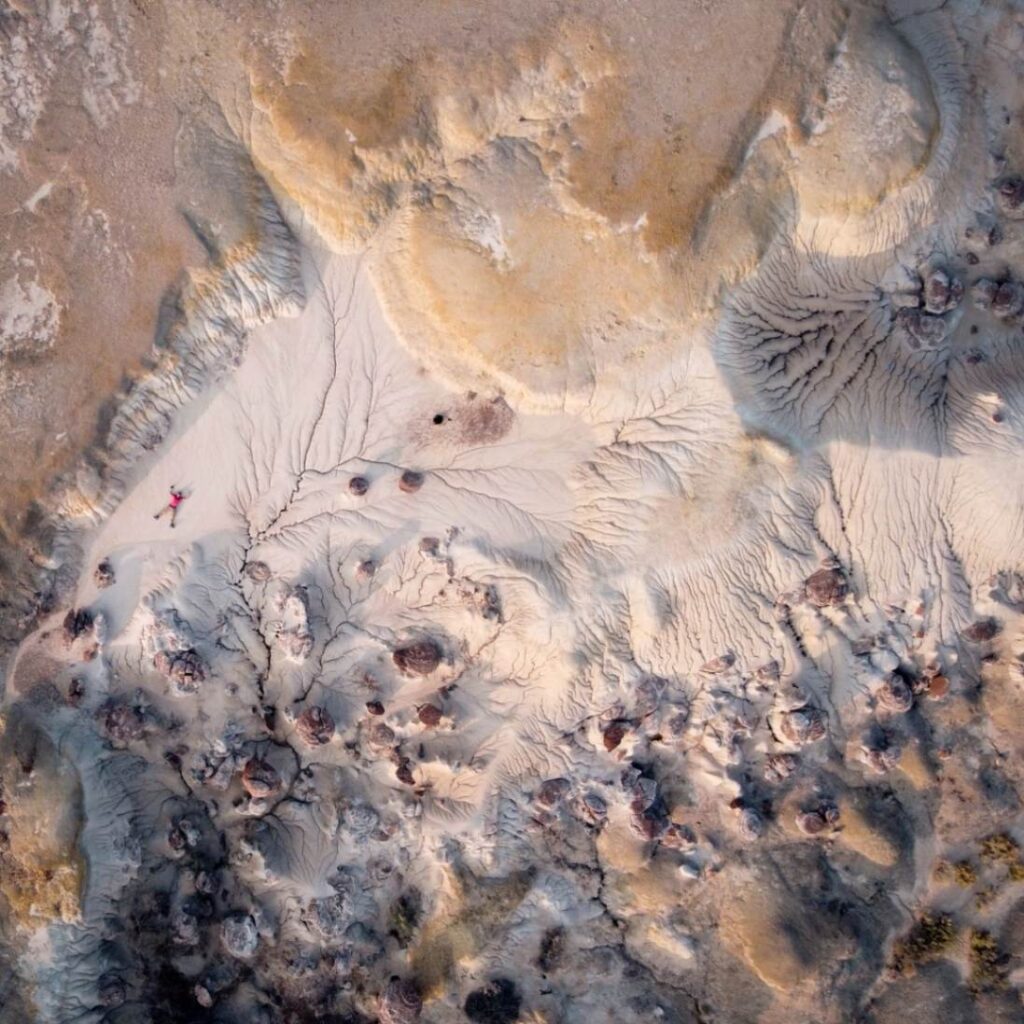
That lack of infrastructure creates a real sense of space, but it also makes navigation the deciding factor. Download an offline map, save the parking location, and carry more water than you expect to need. Avoid the area during storms or immediately after heavy rain because access roads and clay surfaces can become difficult.
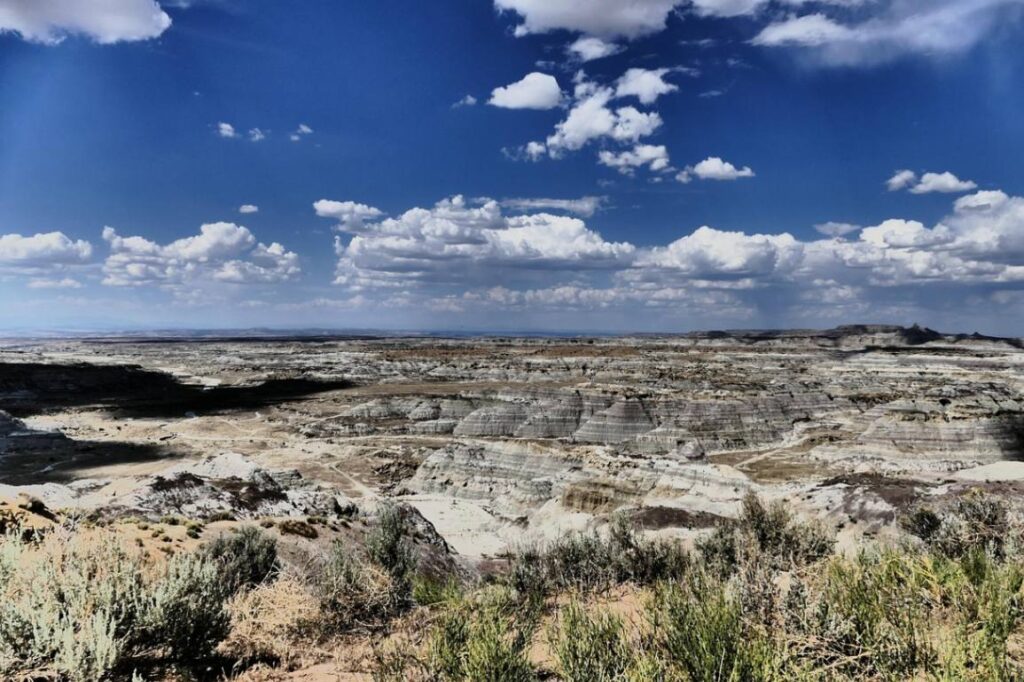
From Farmington, the Bureau of Land Management directs visitors south on NM-371 before turning onto County Road 7297 for the final approach to the Bisti parking area. Review the official Bisti/De-Na-Zin directions before leaving paved roads.
Best for: photographers, experienced independent travelers, and anyone comfortable navigating open desert.
Choose another place if: you need marked trails, accessible facilities, plentiful shade, or dependable phone service.
3. Great Basin National Park, Nevada
Great Basin receives far less attention than the national parks of neighboring Utah, yet it combines several landscapes that would normally require separate trips. Visitors can see ancient bristlecone pines, tour Lehman Caves, hike below Wheeler Peak, and stay after dark for remarkably clear night skies.
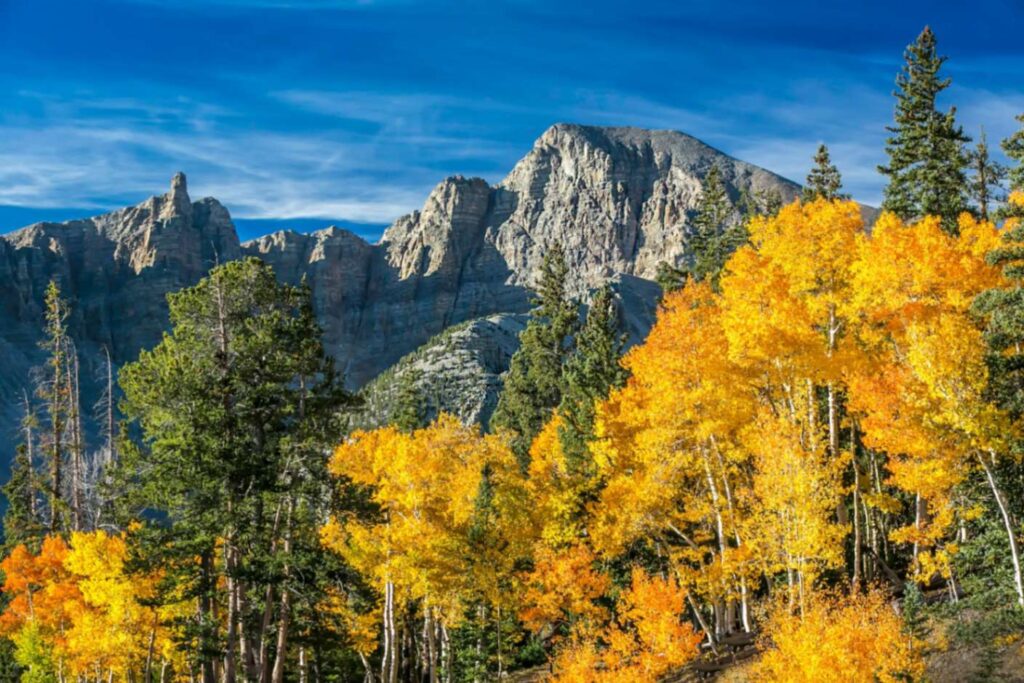
The park works particularly well for travelers crossing Nevada or combining Las Vegas with a quieter road trip. It does not work as a casual last-minute detour. Baker is remote, services are limited, and mountain weather can change quickly.
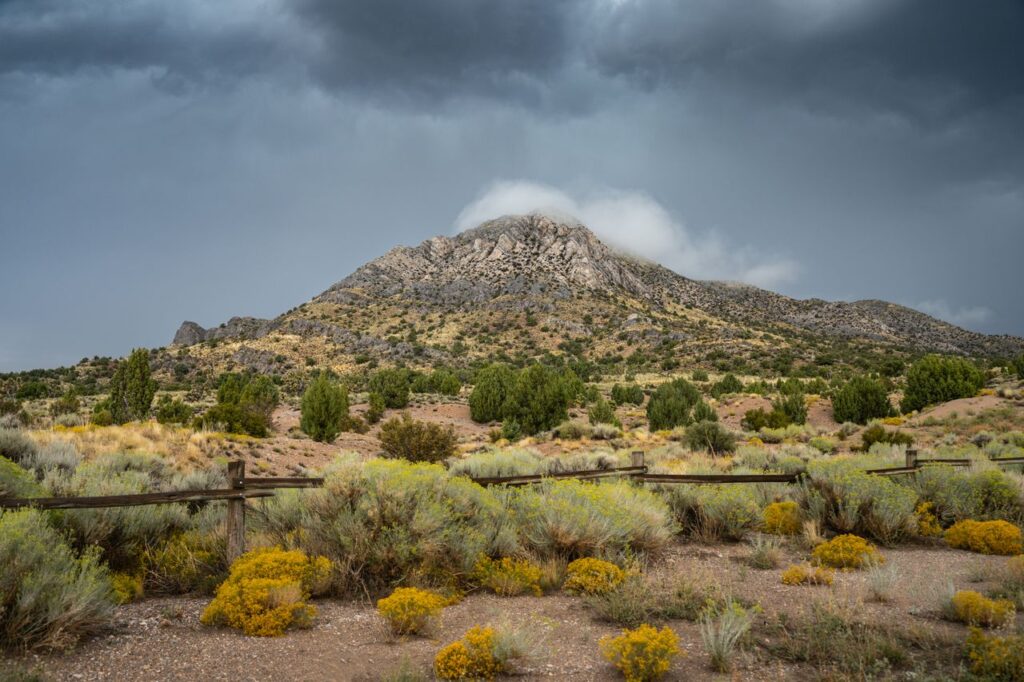
Lehman Caves requires special planning in 2026. The lighting replacement project has affected tour formats and dates, and reservations remain highly recommended. Walk-up spaces can disappear soon after the visitor center opens. Check the current Lehman Caves tour schedule before building the rest of your itinerary around the cave.
Best for: stargazing, alpine hiking, geology, and travelers who prefer quiet national parks.
Worth the drive because: one trip can include a cave, a high-elevation scenic road, ancient trees, and a night sky largely free of urban light.
4. Cumberland Island National Seashore, Georgia
Cumberland Island feels much farther from the mainland than the ferry crossing suggests. Maritime forest, broad beaches, historic ruins, wetlands, and long undeveloped stretches of coastline replace the restaurants and beach condos found elsewhere along the Southeast coast.
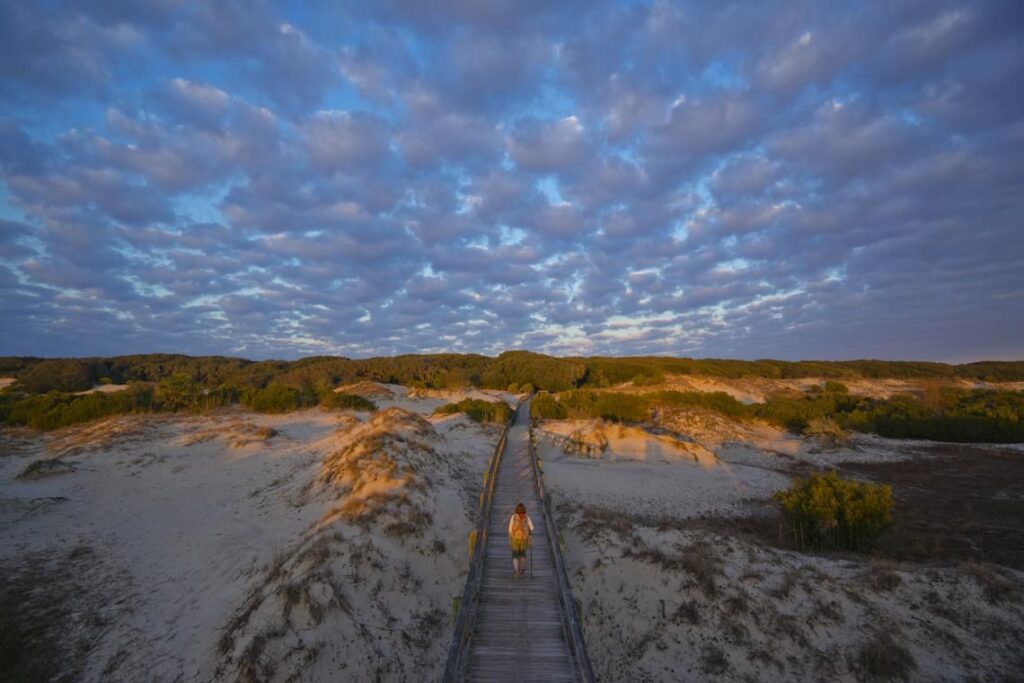
The Dungeness ruins are the island’s best-known landmark, but the journey between the dock, forest, ruins, and beach is what gives the day its character. Wildlife sightings are possible, although visitors should never treat wild animals as predictable attractions.
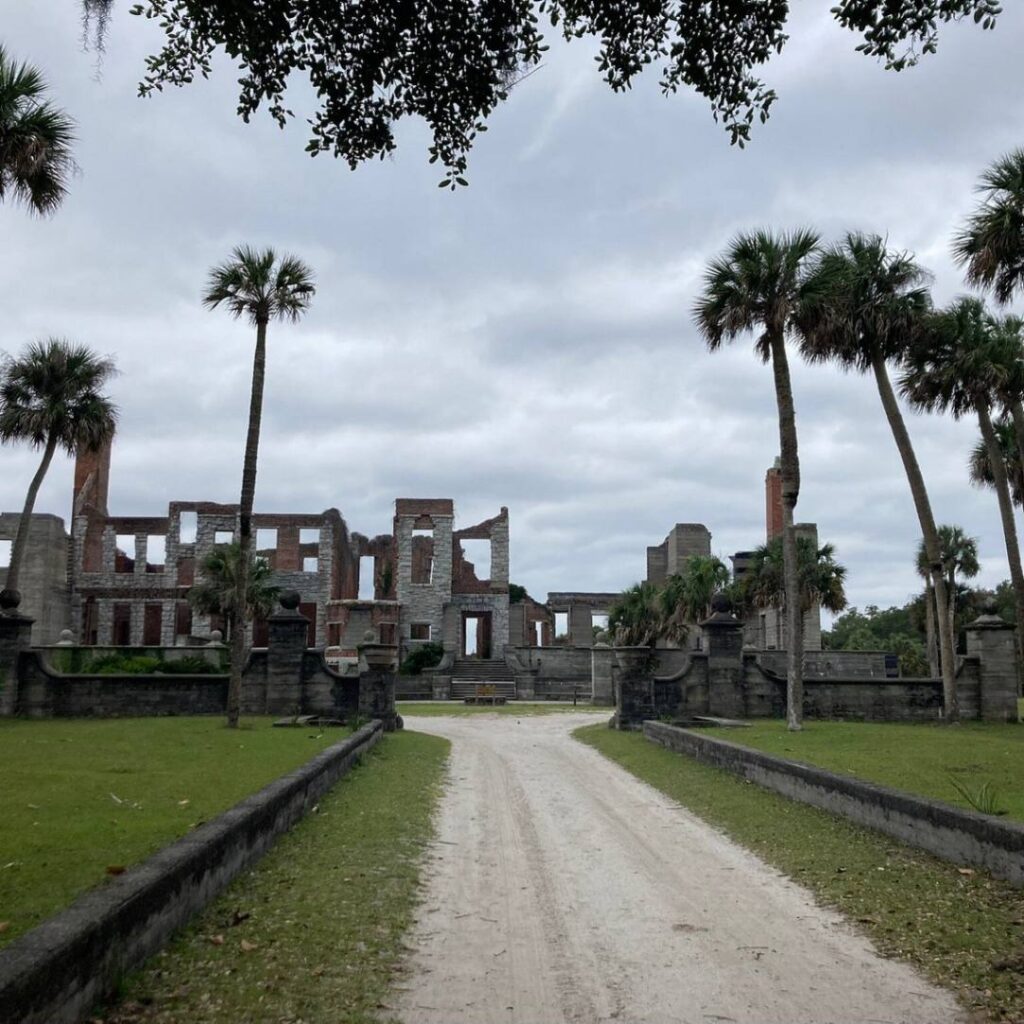
The passenger ferry leaves from St. Marys, Georgia. It is not a car ferry, and there are no shops waiting after arrival. Bring food, water, sunscreen, insect repellent, and everything else needed for the day. Ferry and bicycle reservations should be made in advance.
The National Park Service currently charges a separate entrance fee for visitors aged 16 and older. Check the ferry and reservation requirements before choosing a date.
Best for: quiet beach walks, couples, wildlife watchers, and overnight campers.
Keep in mind: distances feel longer in heat and humidity. A bicycle can help, but it must be reserved and is not practical for every trail or historic area.
5. Apostle Islands Sea Caves, Wisconsin
Along the Lake Superior shoreline, waves have carved arches, chambers, and passageways into layers of sandstone. The mainland caves near Meyers Beach can be seen from the water or from the Lakeshore Trail above the cliffs.
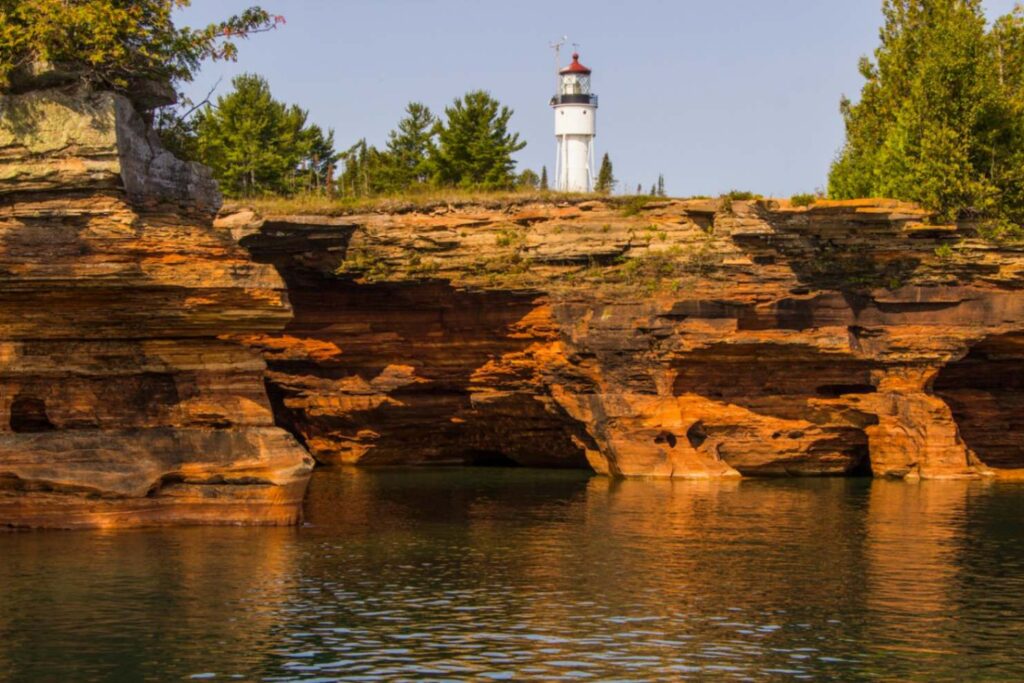
A guided sea-kayak trip provides the most intimate view when conditions cooperate. This is not a casual paddle on a protected lake. Cold water, sudden wind, reflected waves, and rough conditions near rock walls make suitable equipment and sound judgment essential.
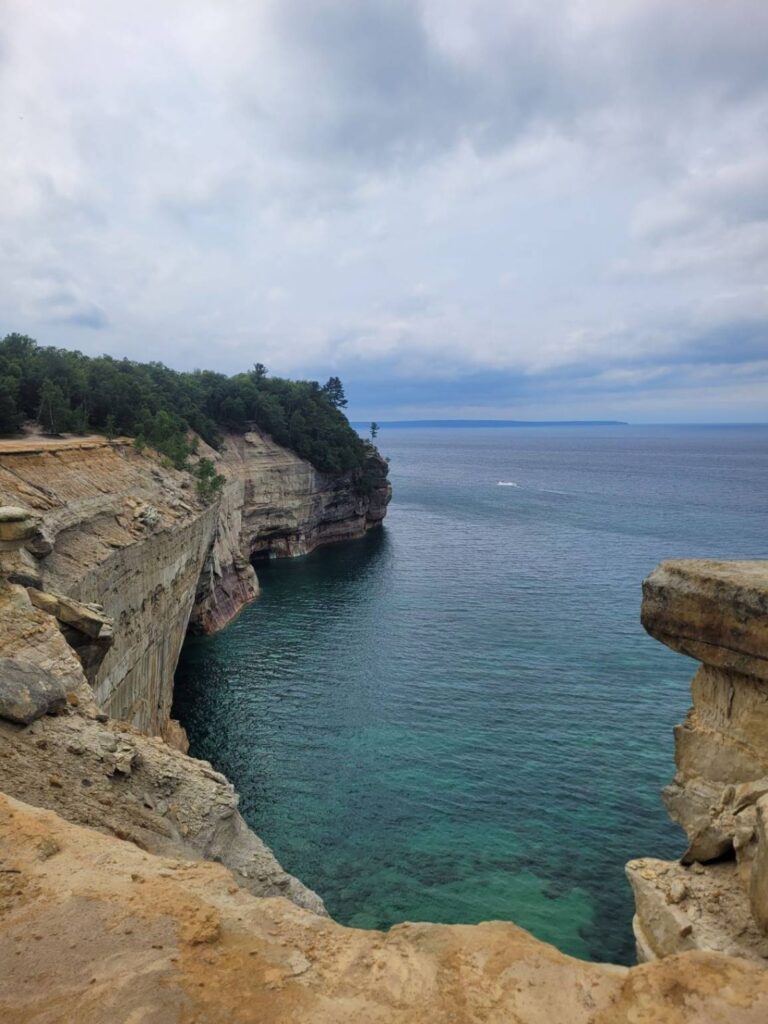
The National Park Service specifically warns against paddling to the caves alone. Open-cockpit kayaks, sit-on-top kayaks, canoes, paddleboards, and small open boats are not recommended for these waters. Check the real-time sea cave and wave conditions shortly before departure.
Travelers without appropriate Lake Superior experience can consider a guided Meyers Beach sea-cave kayak tour. Duration, price, age rules, and cancellation terms should be confirmed on the booking page.
Best for: active travelers with kayaking experience or visitors prepared to join a qualified guide.
Alternative: Hike the Lakeshore Trail for cliff-top views if wind or waves make paddling unsafe.
6. Craters of the Moon National Monument, Idaho
Craters of the Moon looks like a dark volcanic island surrounded by Idaho’s open grasslands. Its landscape includes lava flows, cinder cones, spatter cones, and underground lava tubes created by eruptions that ended thousands of years ago.
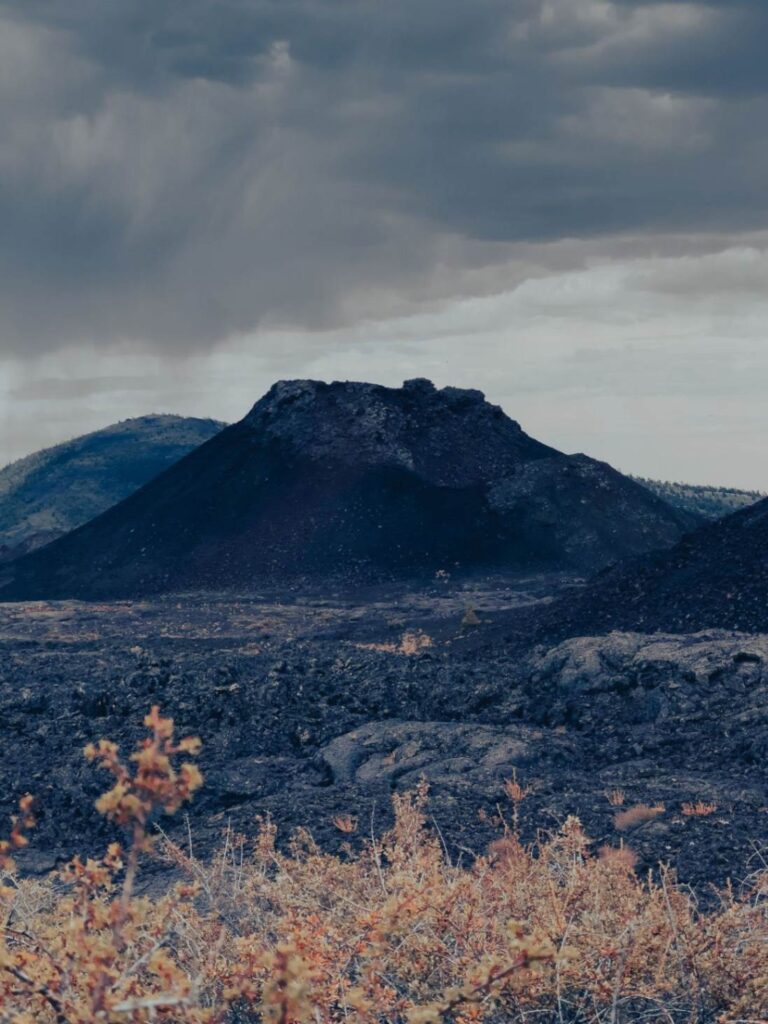
The Loop Road provides an approachable introduction, but walking onto the lava trails makes the landscape much more interesting. Indian Tunnel is the most accessible taste of the underground terrain when open, though visitors must be comfortable moving over uneven rock.
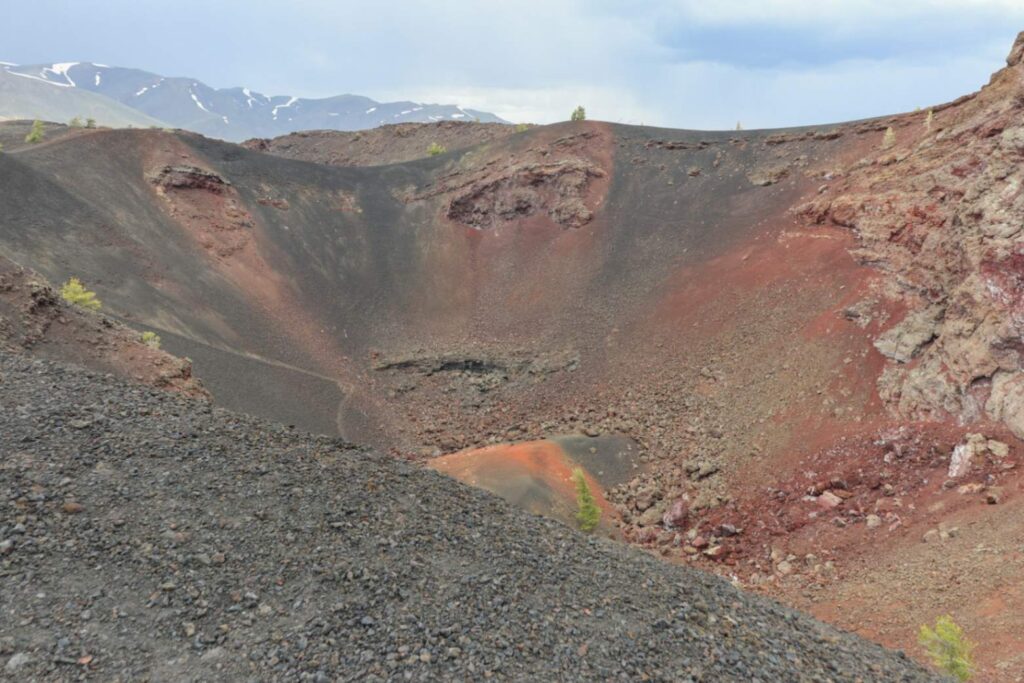
As of the latest 2026 update, Indian Tunnel and Dewdrop Cave are open. A free cave permit must be obtained in person at the visitor center. Other caves are closed. Equipment or clothing previously used in another cave cannot be taken underground because of measures intended to protect bats from white-nose syndrome.
Review current cave and road conditions before arriving.
Best for: families with older children, geology fans, road-trippers, and travelers interested in landscapes that look unlike the surrounding region.
Keep in mind: summer lava surfaces become extremely hot, while snow can close the Loop Road during the long winter season.
7. Channel Islands National Park, California
California’s Channel Islands sit within reach of the Southern California coast but receive only a fraction of the traffic seen at the state’s famous mainland parks. Santa Cruz Island is usually the most practical choice for a first visit, with coastal hiking, sea caves, cliffs, and opportunities to see island wildlife.
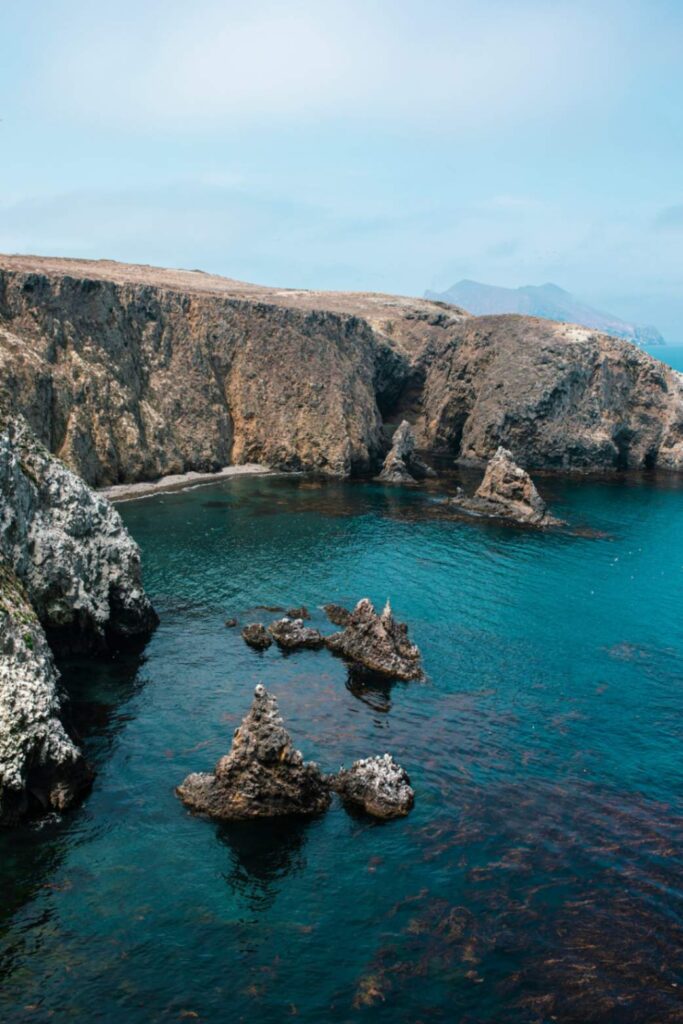
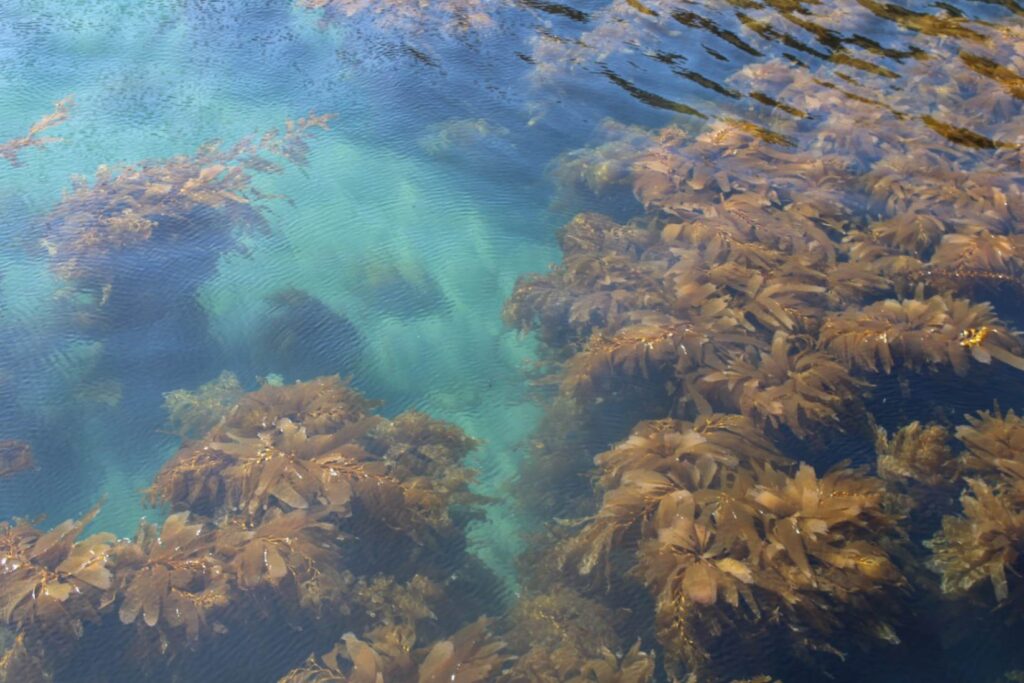
The trip requires more preparation than a normal beach day. Advance boat reservations are required, and there is no public transportation after reaching the islands. Visitors travel on foot or by kayak. Services are limited, and the return boat will not wait for someone who misjudges a hiking route.
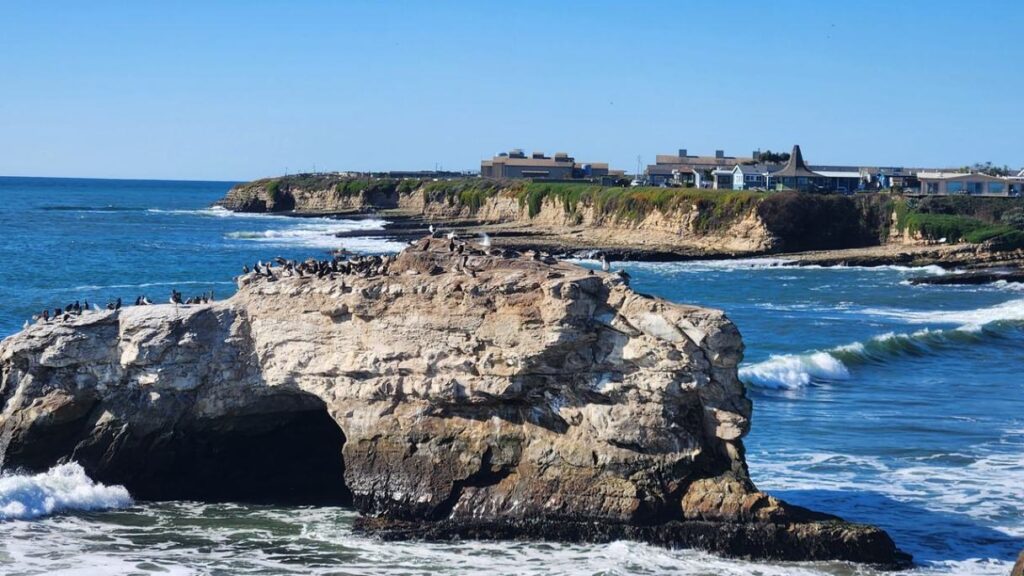
Boat schedules vary by island. Some destinations have only occasional seasonal service, while damaged facilities can suspend landings entirely. Start with the official island transportation information rather than choosing an island from photographs alone.
Best for: coastal hiking, kayaking, wildlife, and travelers willing to trade convenience for a quieter environment.
Best first-trip strategy: Choose Santa Cruz Island, reserve transportation early, and plan a route with enough time to return to the landing area.
8. Chiricahua National Monument, Arizona
Chiricahua National Monument protects a landscape of narrow rock columns and balanced formations shaped by volcanic activity and erosion. Trails weave between the formations rather than viewing them only from a distant overlook.
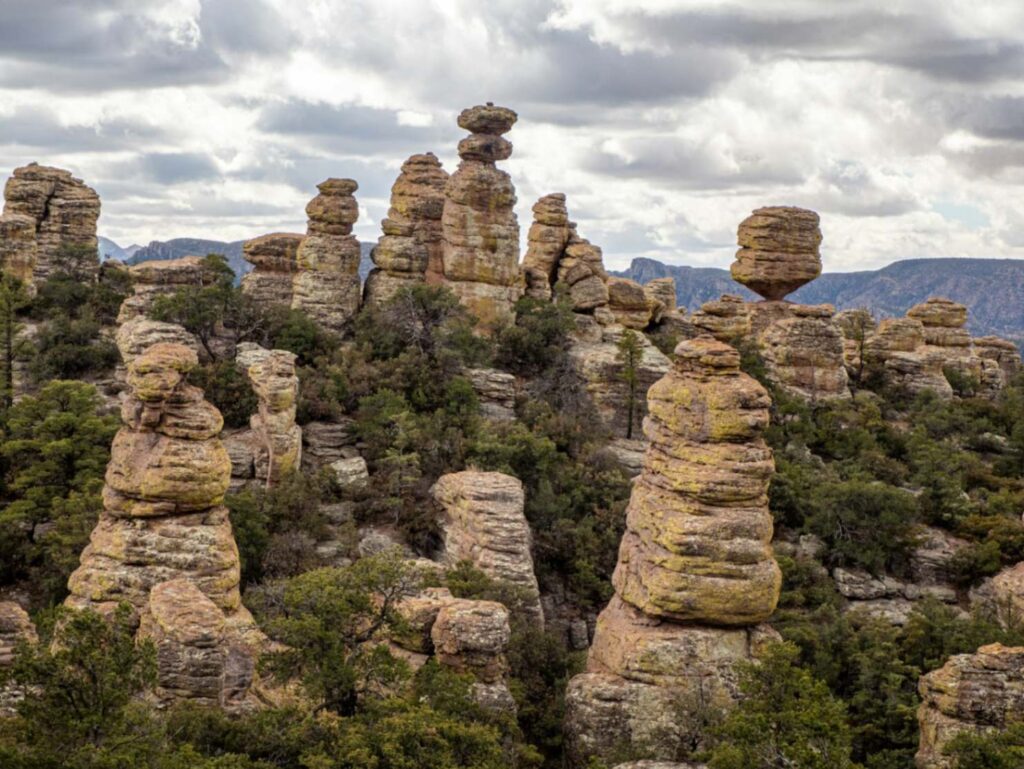
The Echo Canyon and Heart of Rocks areas provide the strongest sense of walking through the formations. Routes can be combined into longer loops, but elevation, sun exposure, and the return climb should be considered before committing to a full-day hike.
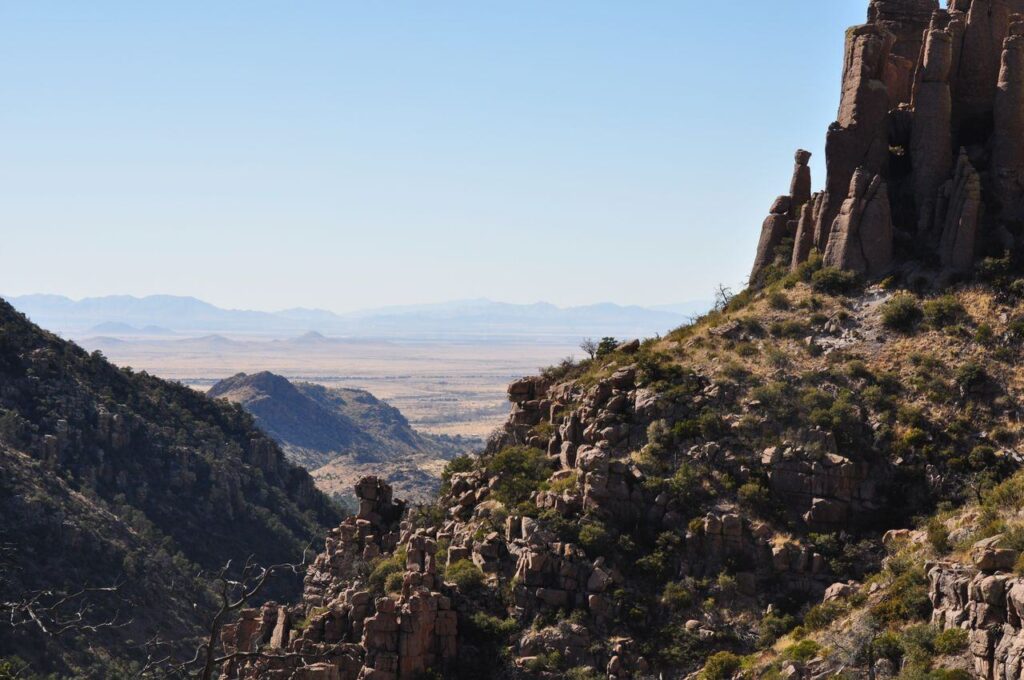
Do not assume a shuttle will shorten the route. The park reported that its hiker transport was not operating regularly, although limited service has appeared on selected dates. Check the current Chiricahua visitor information and treat any shuttle as a bonus rather than part of the plan.
Best for: hikers, photographers, and Arizona road trips beyond the Grand Canyon and Sedona.
Choose carefully: Shorter trails around Massai Point are more manageable for a relaxed visit. The longer trail network is better for visitors prepared for sustained hiking.
9. The Waterfalls and Canyons of Magic Valley, Idaho
Southern Idaho’s Magic Valley hides deep river canyons, springs emerging from basalt walls, waterfalls, and historic sections of the Oregon Trail. Shoshone Falls gets most of the attention, but places such as Malad Gorge, Thousand Springs, Balanced Rock, and less-visited overlooks make the wider region worth more than a quick stop.
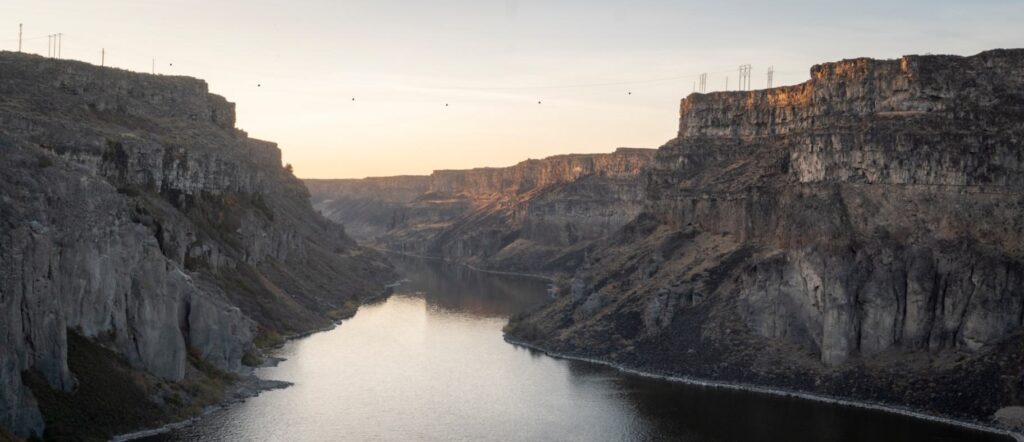
The difficulty is not access to a single attraction. It is understanding how to connect sites spread across the area without wasting the day on backtracking. Waterfall volume also changes with the season and water management.
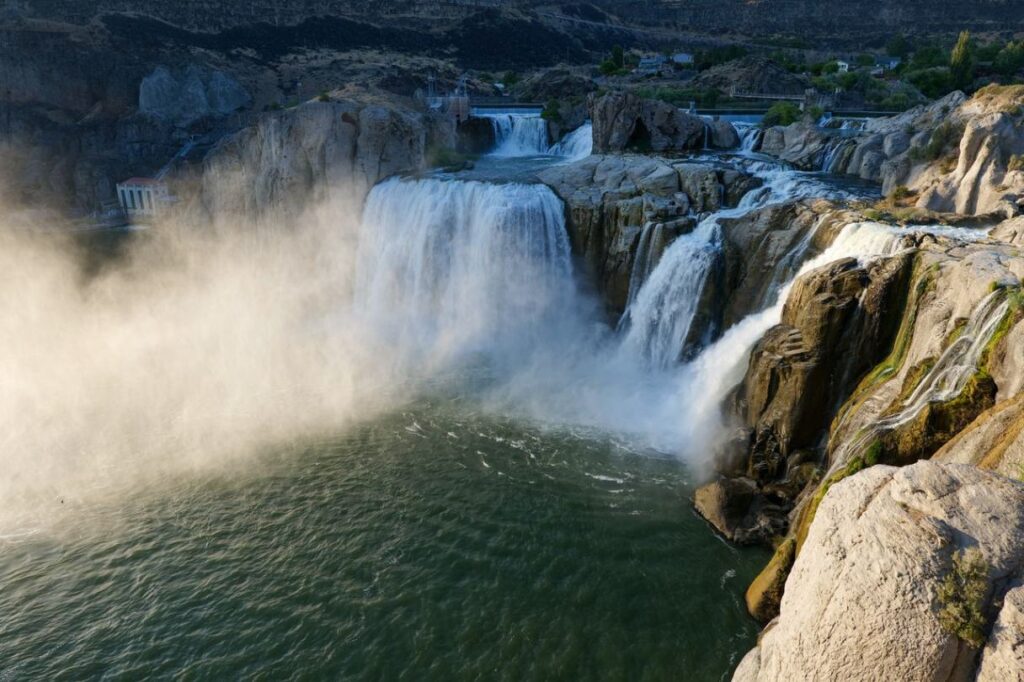
A guided off-the-beaten-path half-day tour from Twin Falls can simplify the route for travelers who do not want to research every turnoff. Confirm its current itinerary, price, meeting point, and accessibility before booking.
Best for: road-trippers, families, and travelers combining Idaho with Yellowstone, Salt Lake City, or the Pacific Northwest.
Why it deserves a separate trip: the region has enough geological variety for a full day, even if Shoshone Falls is not at peak flow.
10. El Yunque Beyond the Main Stops, Puerto Rico
El Yunque is hardly unknown, but much of its traffic follows a small number of established viewpoints and trails. Guided routes outside the most crowded stops can introduce visitors to river pools, waterfalls, and forest paths that are difficult to judge from a basic tourist map.
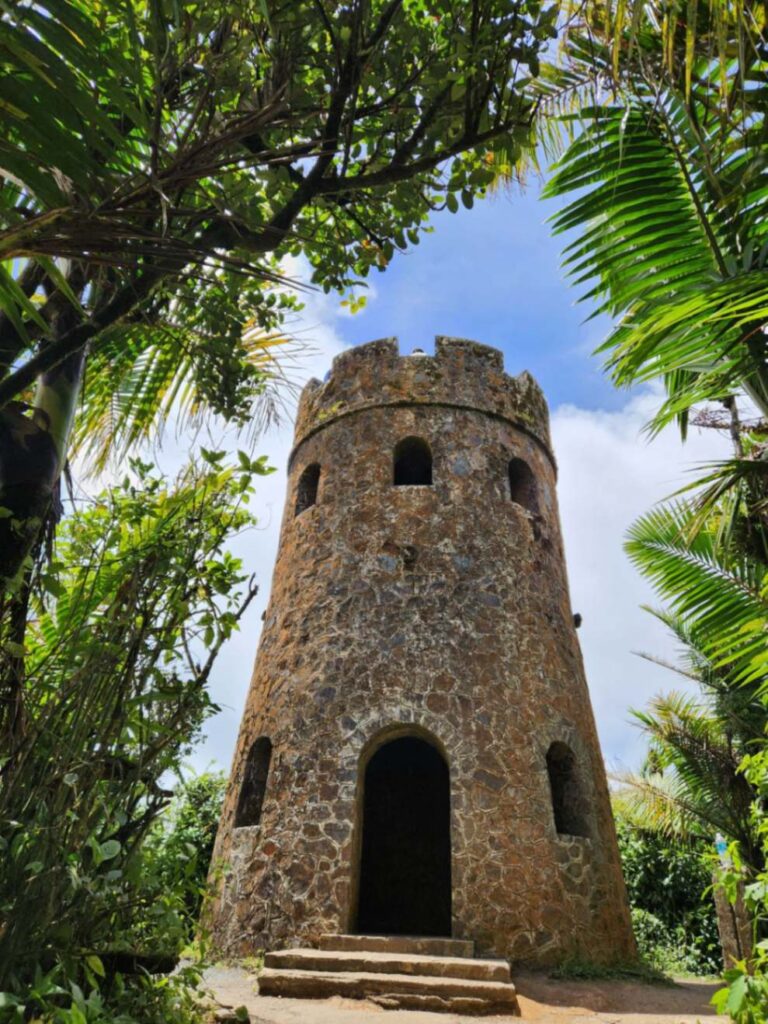
This is one place where “secret” should not be confused with unrestricted. Tropical rain can quickly change river conditions, and unofficial shortcuts may cross sensitive areas or private land. Slippery rocks and sudden water-level changes are more important than the length of the walk.

The El Yunque off-the-beaten-path tour from San Juan currently lists an eight-hour format with hiking, waterfalls, river pools, transportation, and an English- and Spanish-speaking guide. Check the exact pickup zone, minimum age, footwear requirements, and weather policy before booking.
Best for: active couples, small groups, and travelers staying in San Juan without a rental car.
Choose another experience if: you are uncomfortable on muddy ground, cannot manage uneven trails, or need a fully accessible route.
How to Choose the Right Place
Choose Dry Tortugas when the journey itself is part of the experience and you have time to reserve transportation.
Choose Cumberland Island for a quieter coastal day with less expense and travel time than a flight or seaplane excursion.
Choose Bisti/De-Na-Zin if solitude and photography matter more than facilities. Great Basin is the safer choice when you want dramatic scenery with developed campgrounds and marked trails.
Choose Apostle Islands for a guided water adventure. Channel Islands works better when coastal hiking and a full island day are the priorities.
Choose Craters of the Moon or Magic Valley for a family road trip. Both can be explored without an extremely demanding hike, although cave and waterfall conditions vary.
Choose Chiricahua for a serious hiking day and El Yunque for a tropical route where a guide and transportation can remove much of the logistical work.
What to Check Before Leaving
- Whether transportation requires a separate reservation
- Seasonal ferry, boat, cave, or road schedules
- Weather and marine forecasts
- Entrance fees and separate activity charges
- Availability of food, drinking water, fuel, and restrooms
- Offline navigation and emergency contact options
- Trail distance, elevation, and surface conditions
- Required permits or cave screening
- Age, footwear, swimming, and fitness restrictions
- Cancellation rules for weather-dependent activities
Some links in this article may be affiliate links. If you purchase through them, we may earn a small commission at no extra cost to you. Thanks for supporting our work.
Frequently Asked Questions
What are the best secret places to visit in the USA?
Dry Tortugas, Bisti/De-Na-Zin Wilderness, Great Basin, Cumberland Island, Craters of the Moon, and Chiricahua are strong choices for travelers seeking unusual scenery and fewer crowds. The right option depends on whether you prefer islands, deserts, caves, hiking, or kayaking.
Which destination is best for a short trip?
Craters of the Moon and Magic Valley work well within a broader road trip. Dry Tortugas, Cumberland Island, and Channel Islands require transportation reservations and normally deserve a full day.
Which places are suitable for families?
Craters of the Moon, selected Magic Valley stops, and the easier areas of Great Basin can work well for families. Cave rules, heat, exposed terrain, and minimum ages for guided activities should be checked individually.
Can these places be visited without a tour?
Most can. Bisti/De-Na-Zin demands confident navigation, while Apostle Islands kayaking and unfamiliar El Yunque routes are safer and easier to understand with an experienced guide. Dry Tortugas and the island parks still require commercial transportation unless you have access to a private boat.
How far ahead should transportation be booked?
Book ferries, concessionaire boats, seaplanes, and cave tours as soon as the trip dates are fixed. Dry Tortugas camper transport and popular island departures can fill well ahead of time.
Are these destinations truly uncrowded?
No destination remains quiet every day. Weekends, holidays, peak waterfall periods, and favorable kayaking conditions can draw more visitors. Early starts and weekday visits usually provide a calmer experience.
If this is your first off-the-beaten-path trip, Great Basin or Craters of the Moon offers the easiest balance of unusual scenery and established infrastructure. For a journey that feels genuinely removed from everyday travel, Dry Tortugas, Bisti/De-Na-Zin, and Cumberland Island justify the extra planning.