

Choosing Your Best Nature Travel Destination in the USA
A trip built around nature can mean very different things in the United States. One week might involve geysers and bison in Wyoming; another could be spent walking through a tropical wetland in Florida or watching tidewater glaciers from a boat in Alaska.
The best nature travel destinations in the USA are not interchangeable, though. Some work well for a relaxed scenic drive. Others demand early reservations, long transfers, careful weather planning, or enough fitness for steep trails. This guide compares 12 standout destinations by landscape, ideal season, trip length, physical demands, and the easiest way to experience each place.
Table of Contents
Freshness note: Park conditions, road access, tour prices, ratings, and availability were checked on August, 2026. Always confirm current conditions before leaving.
Quick Picks for Different Types of Nature Trips
| Best for | Destination | Why choose it |
|---|---|---|
| First national park trip | Yosemite, California | Famous scenery, easy valley viewpoints, and trails at several difficulty levels |
| Wildlife | Yellowstone, Wyoming, Montana, and Idaho | Large mammals plus an unusual geothermal landscape |
| Desert scenery | Grand Canyon, Arizona | Immense scale, accessible rim views, and hikes from easy to strenuous |
| Mountains and lakes | Glacier, Montana | Alpine roads, turquoise lakes, and more than 700 miles of trails |
| Tropical nature | Hawaiʻi Volcanoes, Hawaiʻi | Lava-shaped terrain, rainforest, coastline, and active volcanic processes |
| Coastal scenery | Acadia, Maine | Granite coast, forest, islands, and compact driving distances |
| Water-based wildlife trip | Kenai Fjords, Alaska | Glaciers, marine wildlife, and fjords seen most effectively by boat |
| Family-friendly wetlands | Everglades, Florida | Short boardwalks, paddling routes, and wildlife viewing near South Florida cities |
| Dramatic day hikes | Zion, Utah | Narrow canyons and high overlooks with routes for different fitness levels |
| Fall color | Great Smoky Mountains, Tennessee and North Carolina | Forested ridges, waterfalls, and broad seasonal color |
| Otherworldly geology | Bryce Canyon, Utah | Dense fields of hoodoos and excellent sunrise viewpoints |
| Rainforest and wild coast | Olympic, Washington | Three distinct ecosystems within one road-trip loop |
How These Destinations Were Selected
The list favors places with a strong natural identity rather than destinations that happen to have one photogenic viewpoint. Each choice offers a worthwhile multi-day trip, several ways to explore, and enough contrast to help travelers choose by season and travel style. Current access issues, driving time, weather exposure, and the availability of guided experiences were also considered.
1. Yellowstone National Park, Wyoming, Montana, and Idaho
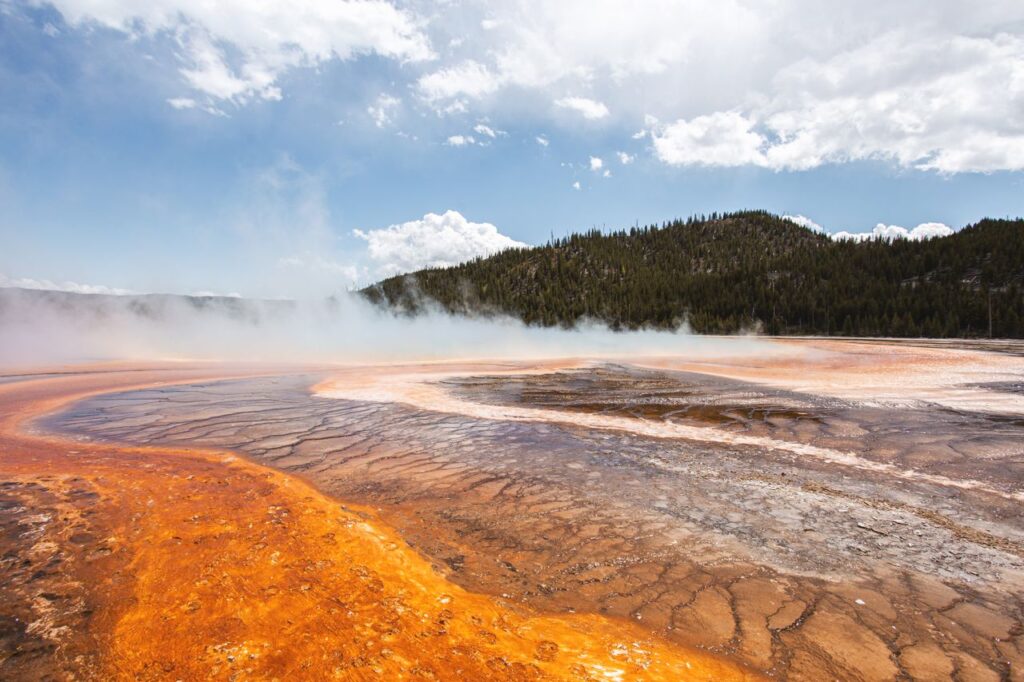
Yellowstone earns its place near the top because it combines two trips that would be remarkable on their own. The geothermal side includes Old Faithful, colorful hot springs, mud pots, and steaming basins. The wildlife side brings opportunities to see bison, elk, bears, wolves, and pronghorn in large, open valleys.
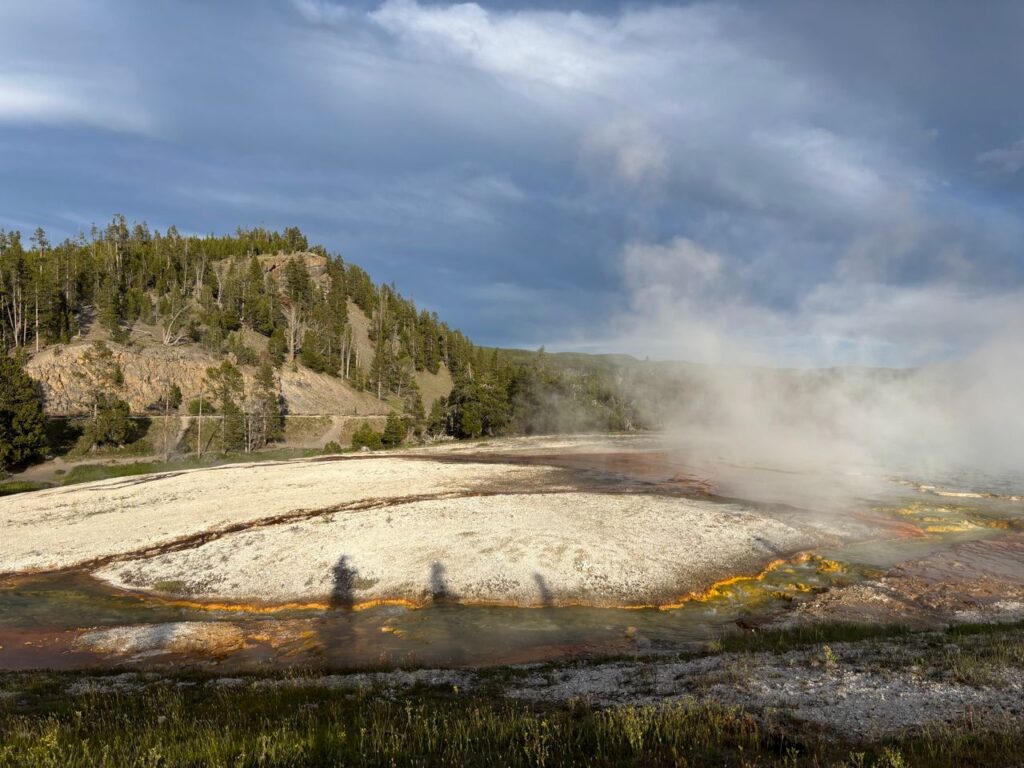
Allow at least three full days. The park is enormous, and traffic slows when wildlife appears near the road. Base location matters: West Yellowstone is convenient for geyser basins, while Gardiner places you near Mammoth Hot Springs and the road toward Lamar Valley.
Best time: Late May through September for broad road access; late spring and fall for fewer crowds and active wildlife.
Good fit if you: want wildlife and geology in one trip, do not mind long scenic drives, and can start early.
Keep in mind: Most roads close to regular vehicles for winter. For 2026, major routes have different opening and closing dates, while the North Entrance to Northeast Entrance road remains the principal year-round corridor. Check the official Yellowstone road status before committing to a route.
A guided option: Upper Loop and Lamar Valley from West Yellowstone
This active van tour focuses on the northern side of the park and Lamar Valley, where a guide can help with wildlife spotting and reduce the burden of driving. It is a better match for wildlife-focused visitors than for someone whose priority is Old Faithful and the southern geyser basins.
Link: Upper Loop Tour and Lamar Valley from West Yellowstone
Bottom line: Choose a guided wildlife day if spotting animals matters more than covering every famous landmark. A self-drive trip gives more flexibility, but it is easier to miss distant animals without local knowledge and optics.
2. Yosemite National Park, California
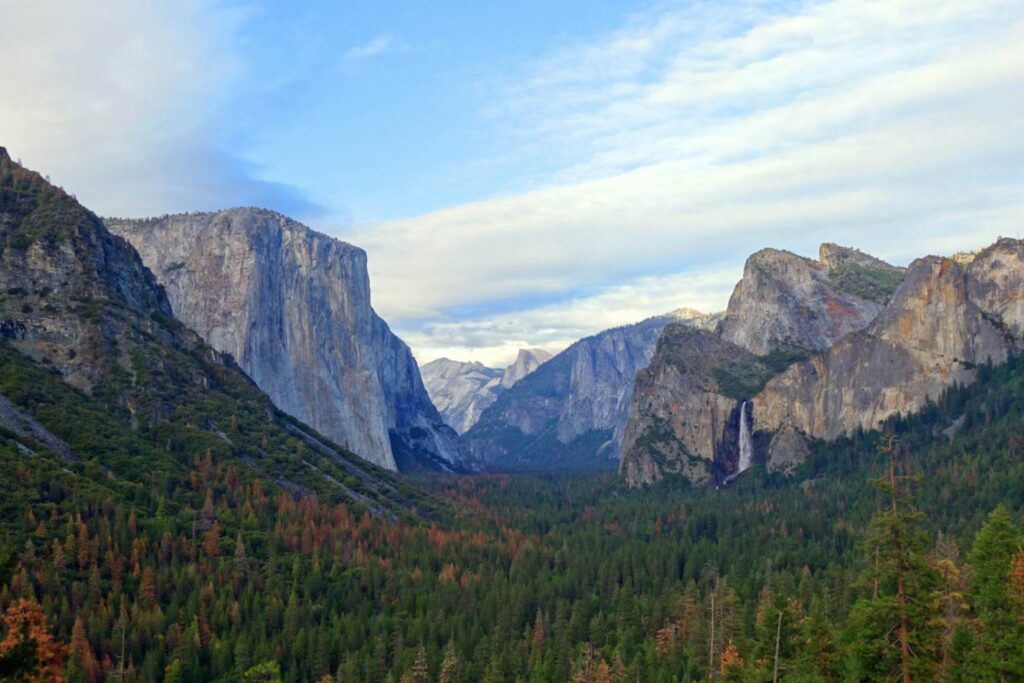
Yosemite Valley puts several celebrated sights within a relatively compact area: El Capitan, Half Dome, Yosemite Falls, meadows, and the Merced River. The wider park adds giant sequoias, high-country lakes, and granite viewpoints that feel far removed from the busy valley floor.
Spring is strongest for waterfalls. Summer opens more high-elevation roads and trails, although it also brings peak crowds. Fall is calmer, with cooler hiking weather, while winter transforms the valley but limits access elsewhere.
Ideal trip length: Two to four days.
Good fit if you: want an easy introduction to national parks, enjoy photography, or need a mix of accessible viewpoints and challenging hikes.
Keep in mind: Yosemite is open year-round, but snow can close some roads from roughly November into May or June. Review the official operating and road information before traveling.
A guided option: Yosemite National Park Guided Day Trip from San Francisco
This coach trip combines about an hour of guided sightseeing and photo stops with three hours of independent time in Yosemite Valley. The coach has air conditioning and a restroom. It solves the driving problem for travelers staying in San Francisco, but the day is long and the time inside the valley is limited.
Link: Yosemite National Park Guided Day Trip
Good fit if you: have one open day in San Francisco and do not want to rent a car.
Pick another format if: you want long hikes, sunrise photography, or time in the high country. For those goals, stay near the park for at least two nights.
3. Grand Canyon National Park, Arizona
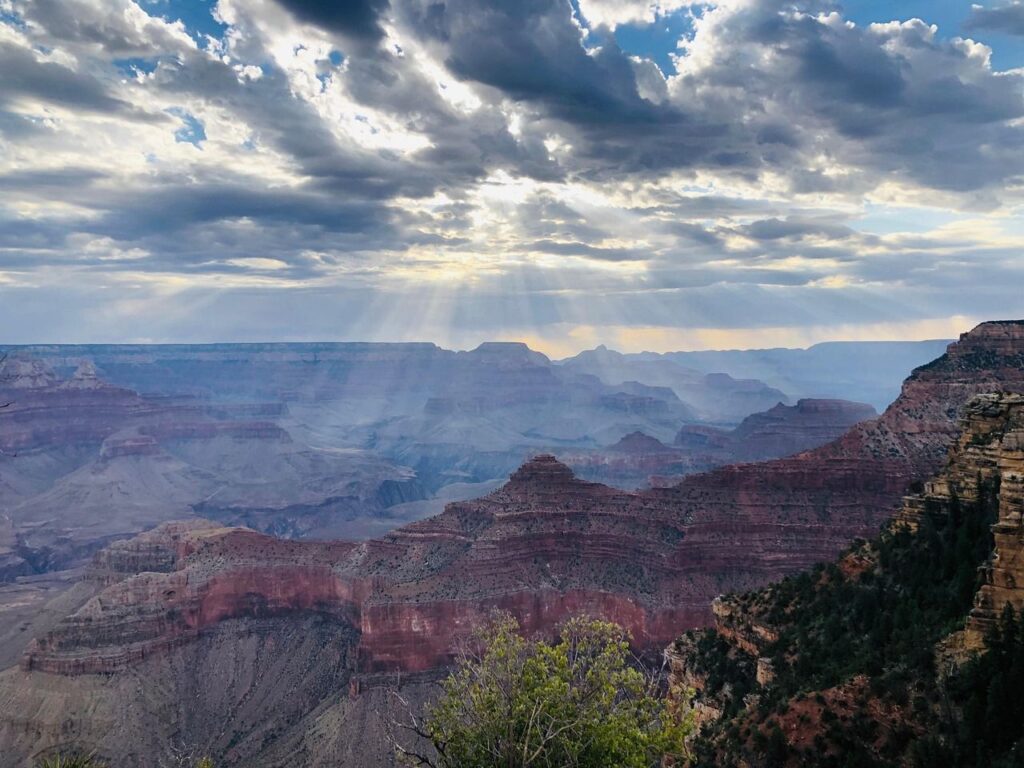
The Grand Canyon is easy to underestimate on a map. The South Rim alone has miles of viewpoints, a seasonal shuttle system, scenic drives, and trails that descend into a much hotter environment. First-time visitors do not need a strenuous hike to appreciate the scale; rim walks and overlooks already deliver the defining experience.
Best time: April to May and September to October for milder conditions. Winter can be beautiful but icy. Summer is suitable for rim sightseeing, not casual midday hiking deep into the canyon.
Good fit if you: want monumental scenery, a road-trip anchor, or a destination that works for both non-hikers and experienced hikers.
Critical 2026 note: The National Park Service warns against strenuous inner-canyon hiking between 10 a.m. and 4 p.m. during extreme summer heat. Temperatures in the shade can reach 109°F. The North Rim has reopened for limited 2026 use, but potable water is unavailable there. Read the current Grand Canyon conditions and carry adequate water.
A guided option: Grand Canyon South Rim from Las Vegas
The current listing runs about 13 hours, includes coach transportation, lunch, and Wi-Fi, and was listed from $94 per person with a 4.8/5 rating from roughly 2,100 reviews at the time of checking.
Link: Grand Canyon National Park South from Las Vegas with Lunch and Wi-Fi
Pros: No rental car, a high review count, and a clear fit for travelers based in Las Vegas.
Cons: A very long day with substantial time on the road. It is sightseeing rather than an in-depth hiking trip.
Bottom line: This is the practical choice for a first South Rim look from Las Vegas. Stay overnight near the canyon if sunrise, sunset, or trail time matters.
4. Glacier National Park, Montana
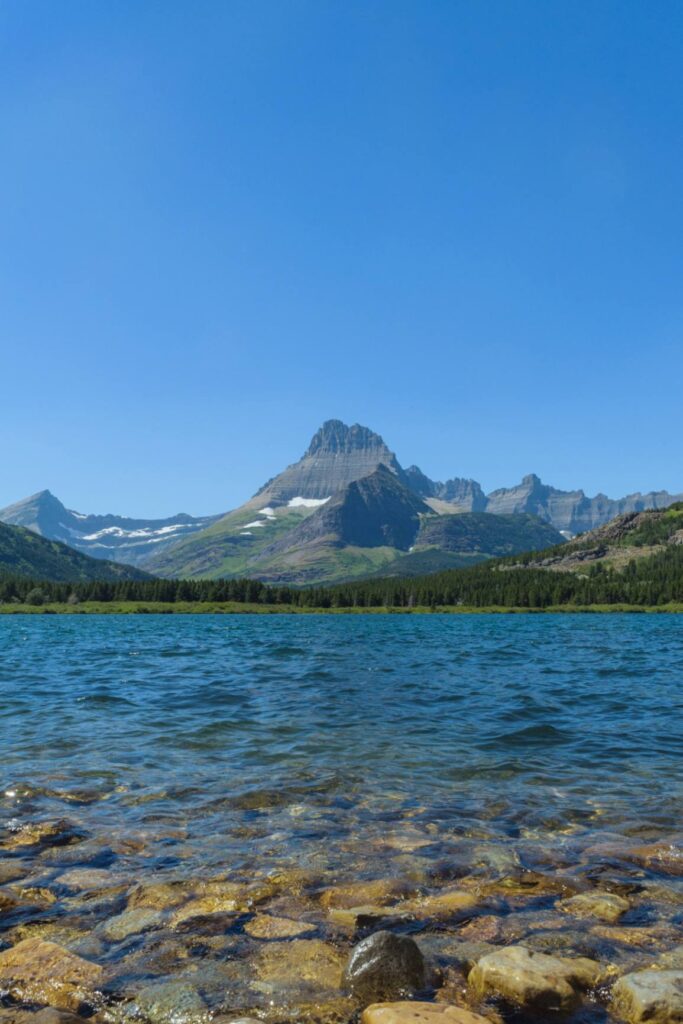
Glacier has sharp alpine ridges, glacial lakes, wildlife, and one of the country’s most scenic mountain roads. Going-to-the-Sun Road crosses the Continental Divide and connects many classic viewpoints, but the park is more rewarding when travelers leave the car for a trail or lake outing.
Best time: July through September for the highest chance of full road and trail access. Early summer can still bring snow at elevation.
Ideal trip length: Three to five days, especially if visiting both the west and east sides.
Good fit if you: prioritize hiking, mountain photography, clear lakes, and cooler summer temperatures.
Keep in mind: Road access, construction, parking, and reservation systems can change by season. Glacier has more than 700 miles of trails, but not every area is practical on a short trip. Start with one region rather than trying to drive the entire park every day. Use the official Glacier planning page for current vehicle rules.
5. Kenai Fjords National Park, Alaska
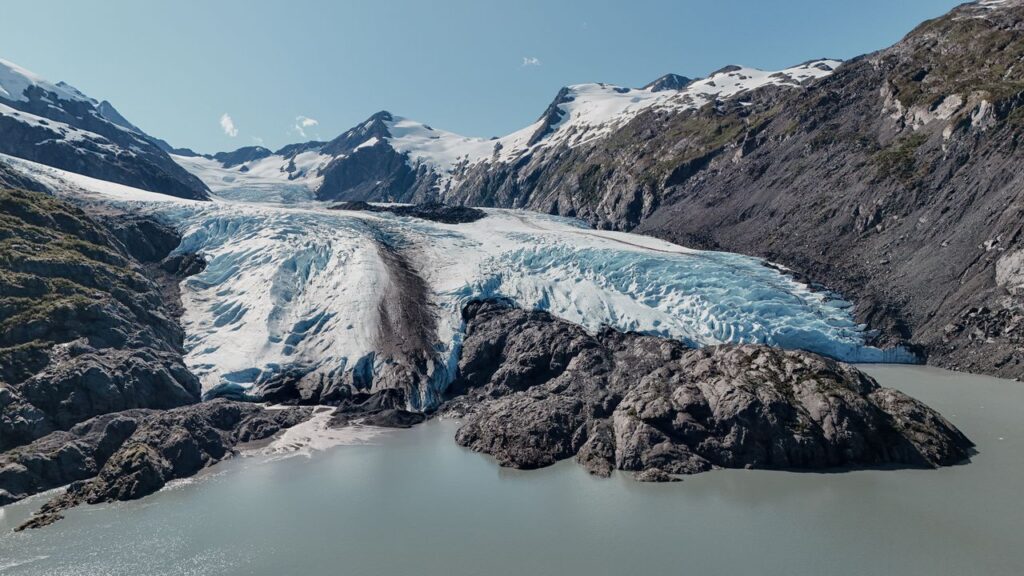
Kenai Fjords is where mountains, ice, and the ocean meet. The Harding Icefield can be approached on foot from the Exit Glacier area, but much of the park’s defining scenery is reached from Seward by boat. A cruise may pass tidewater glaciers while searching for whales, sea otters, seals, and seabirds.
Best time: June through August for the broadest cruise schedule and milder conditions.
Ideal trip length: Two or three nights in Seward, allowing a weather buffer.
Good fit if you: want a boat-centered nature trip, marine wildlife, or an Alaska experience without a multi-day backcountry expedition.
A guided option: Kenai Fjords Glacier and Wildlife Cruise
This cruise departs from Seward and focuses on alpine and tidewater glaciers, fjords, birds, and marine wildlife. Lunch is included on the currently listed version.
Link: Kenai Fjords National Park Glacier and Wildlife Cruise
Keep in mind: Wildlife is never guaranteed, and sea conditions affect comfort. Confirm cruise length, vessel, cancellation terms, and seasickness precautions before paying.
Bottom line: A cruise is the most efficient way to understand the scale of Kenai Fjords. Travelers who dislike boats may prefer Exit Glacier and the Harding Icefield Trail, but that is a different experience.
6. Hawaiʻi Volcanoes National Park, Hawaiʻi
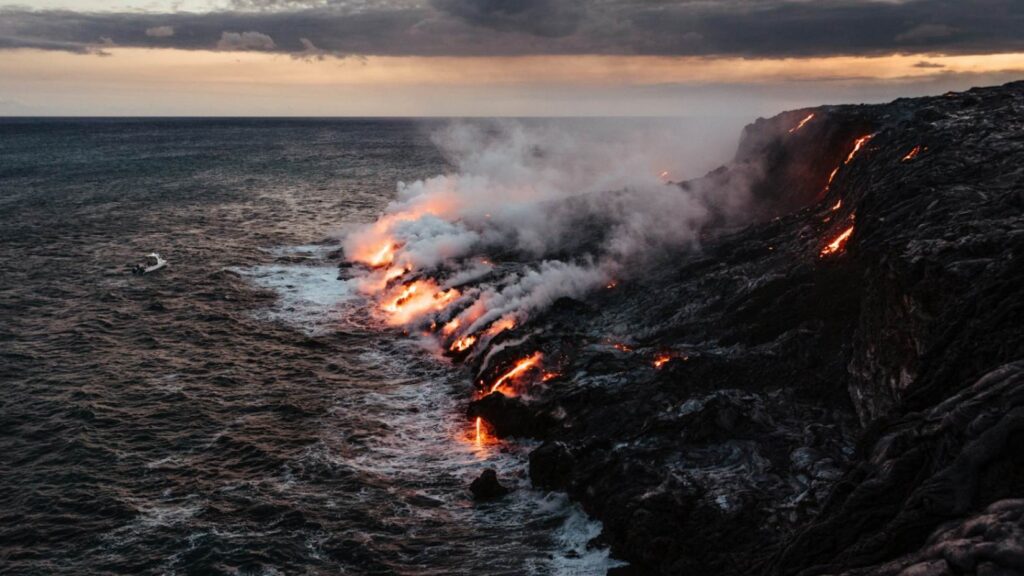
This park stretches from sea level to the summits of Kīlauea and Mauna Loa. Visitors can move between rainforest, lava fields, crater views, petroglyphs, and a stark volcanic coast. The landscape is active rather than frozen in the past, so no article can promise visible lava on a particular date.
Best time: Year-round. Conditions vary more by elevation, wind, rain, and volcanic activity than by a conventional four-season calendar.
Ideal trip length: One full day at minimum; two days for trails and the coast.
Good fit if you: are interested in geology, want a nature trip that differs from a mainland national park, or are already planning a Big Island vacation.
Safety note: Kīlauea has erupted intermittently, with pauses that can last days or weeks. Volcanic gas, tephra, poor air quality, and temporary closures can affect a visit. Check current park alerts and the linked USGS volcano updates on the morning of your trip.
A guided option: Big Island Volcano and Stargazing Tour with Dinner
The listing combines volcano-focused sightseeing with evening stargazing. At the time of checking, it ran about 12 hours, held a 4.8/5 rating from 32 reviews, and started around $292.41 per person.
Link: Big Island Volcano and Stargazing Tour with Dinner
Good fit if you: want a full guided day and do not mind a late return.
Pick another option if: you prefer short walks at your own pace, are sensitive to altitude or volcanic air, or have young children who will struggle with a 12-hour outing.
7. Zion National Park, Utah
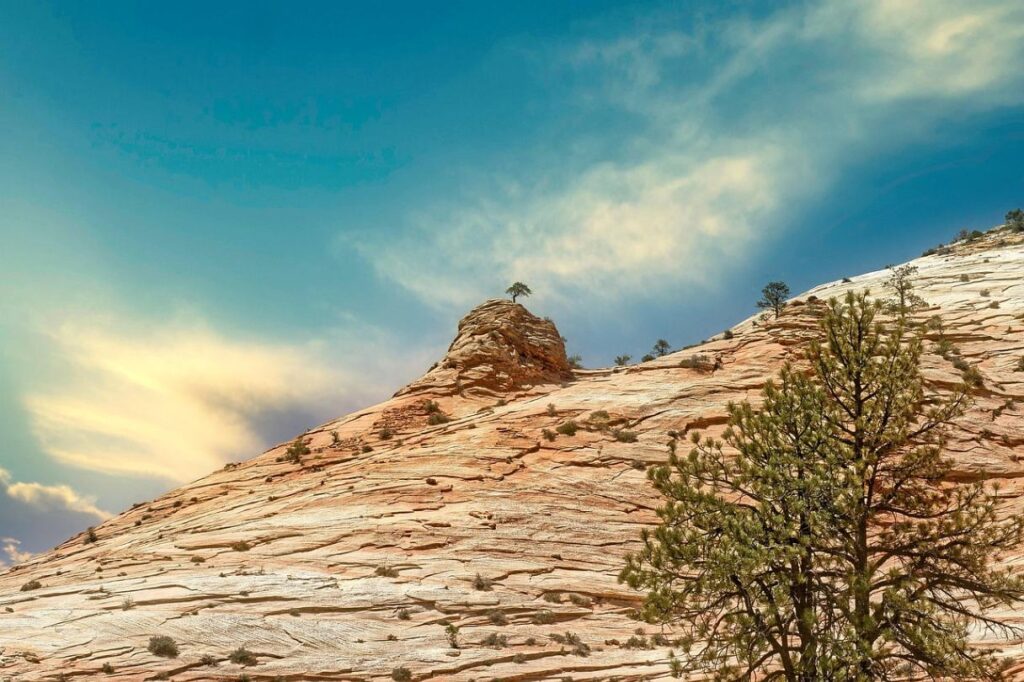
Zion’s sandstone walls rise directly above the canyon floor, making the scenery feel immediate even before a hike begins. Popular routes range from the Riverside Walk to exposed high-elevation trails. The Narrows adds a different challenge because much of the route is in the river and depends on flow, weather, and flash-flood risk.
Best time: April to May and September to October. Summer is hot and crowded, while winter can bring ice to higher trails.
Ideal trip length: Two or three days.
Good fit if you: enjoy hiking and want dramatic scenery within a relatively compact park.
A guided option: Bryce Canyon and Zion from Las Vegas
This join-in day tour visits both parks, includes pickup and lunch, and runs approximately 14 hours. The checked price began at $204.45 per person, with free cancellation shown up to two days before the selected date.
Link: Bryce Canyon and Zion National Parks Day Tour
Pros: Two very different landscapes in one day and no need to drive back to Las Vegas tired.
Cons: The schedule leaves limited time in each park and is poorly suited to serious hiking.
Bottom line: Use this as a scenic sampler. For Angels Landing, the Narrows, or sunrise at Bryce, plan separate overnight stays and check permit and trail conditions directly with the park.
8. Olympic National Park, Washington
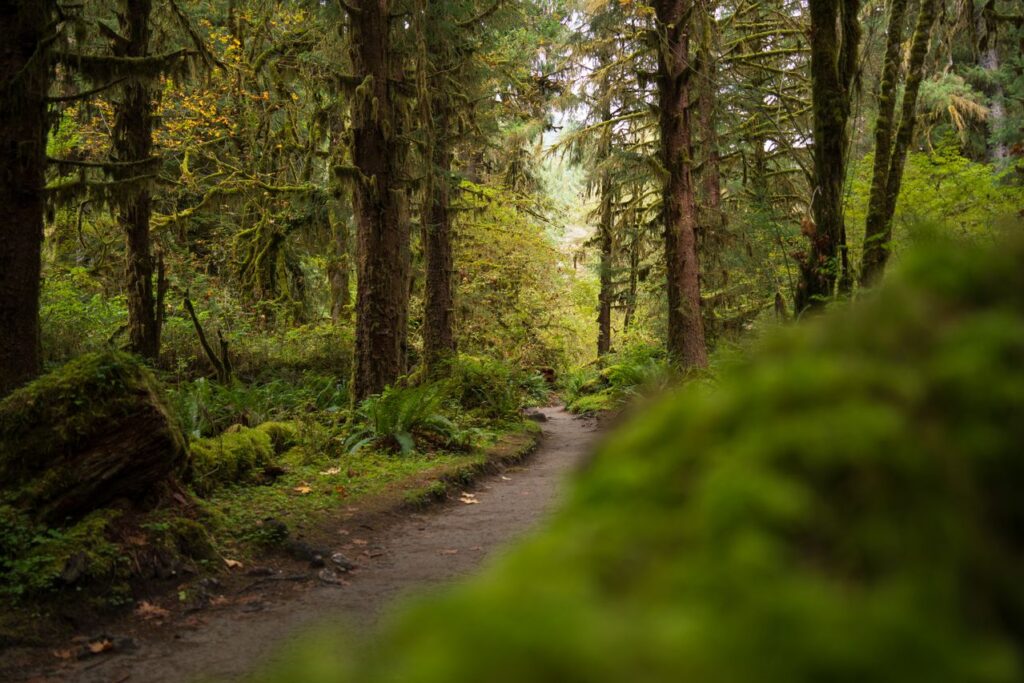
Olympic works like three destinations joined by a road trip: glacier-cut mountains, temperate rainforest, and a wild Pacific coast. Hurricane Ridge, the Hoh Rain Forest, and beaches such as Rialto are far apart, so the park rewards travelers who move bases rather than commute from one hotel.
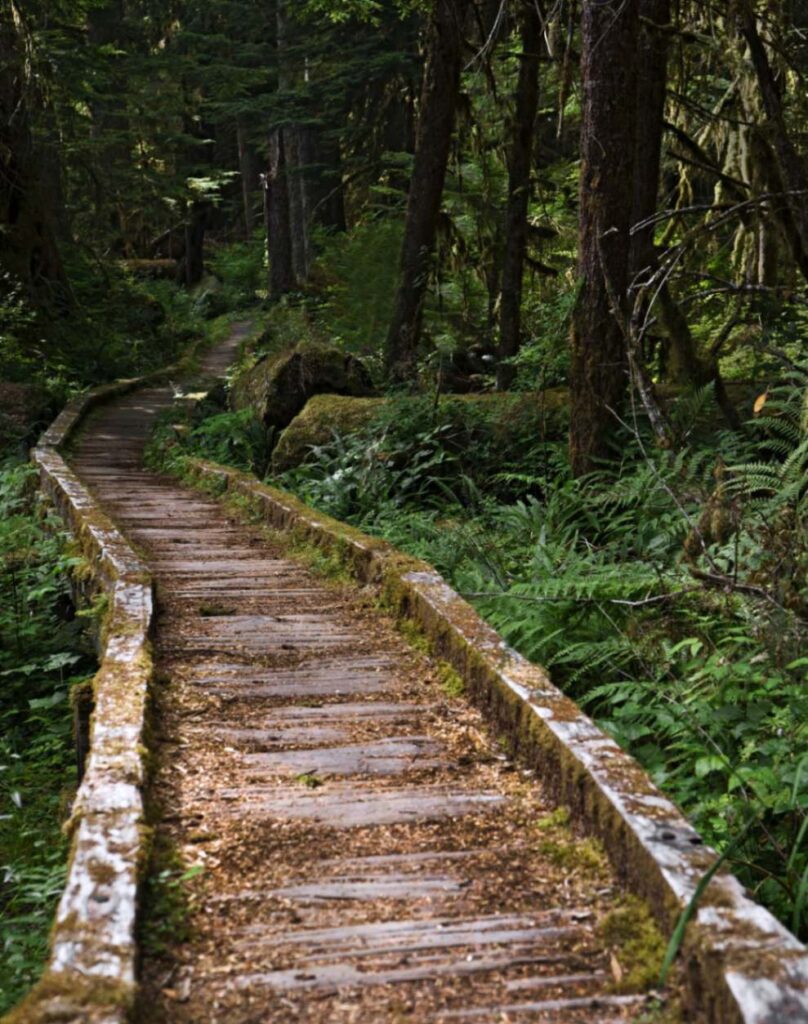
Best time: July through September for drier weather and broad access. Spring is lush and good for waterfalls, but rain is common.
Ideal trip length: Three to five days.
Good fit if you: want ecological variety, misty forest, tide pools, and a slower road trip.
Keep in mind: Driving distances are the main planning trap. Check tide tables for beach walks, store food securely, and do not schedule the rainforest and a distant beach as if they were neighboring attractions.
9. Everglades National Park, Florida

The Everglades is a shallow, slow-moving wetland rather than a conventional swamp. Its appeal is in observation: alligators, crocodiles, manatees, turtles, wading birds, mangroves, and subtle changes between freshwater sloughs and Florida Bay.
Best time: December through April for lower humidity, fewer mosquitoes, and stronger wildlife viewing around shrinking water sources.
Ideal trip length: One to three days, depending on whether you combine Shark Valley, the Homestead entrance, and the Gulf Coast.
Good fit if you: enjoy wildlife, paddling, birding, or an easy nature add-on to Miami and the Florida Keys.
A guided option: Everglades Airboat, Wildlife Exhibit, and Roundtrip Bus
The current experience includes transportation from Miami, a 45-minute airboat ride, a wildlife exhibit, and a group photo. It was listed from $47.27 per person with a 4.4/5 rating from 1,851 reviews when checked.
Link: Everglades Airboat, Wildlife Exhibit and Roundtrip Bus
Keep in mind: An airboat ride is a short introduction, not a complete Everglades visit. Wildlife sightings vary, and the meeting and return schedule should be confirmed carefully.
Bottom line: This format works for a visitor with half a day and no car. Choose a ranger walk, tram ride, kayak trip, or longer park visit if ecology and quiet wildlife observation are the priorities.
10. Acadia National Park, Maine
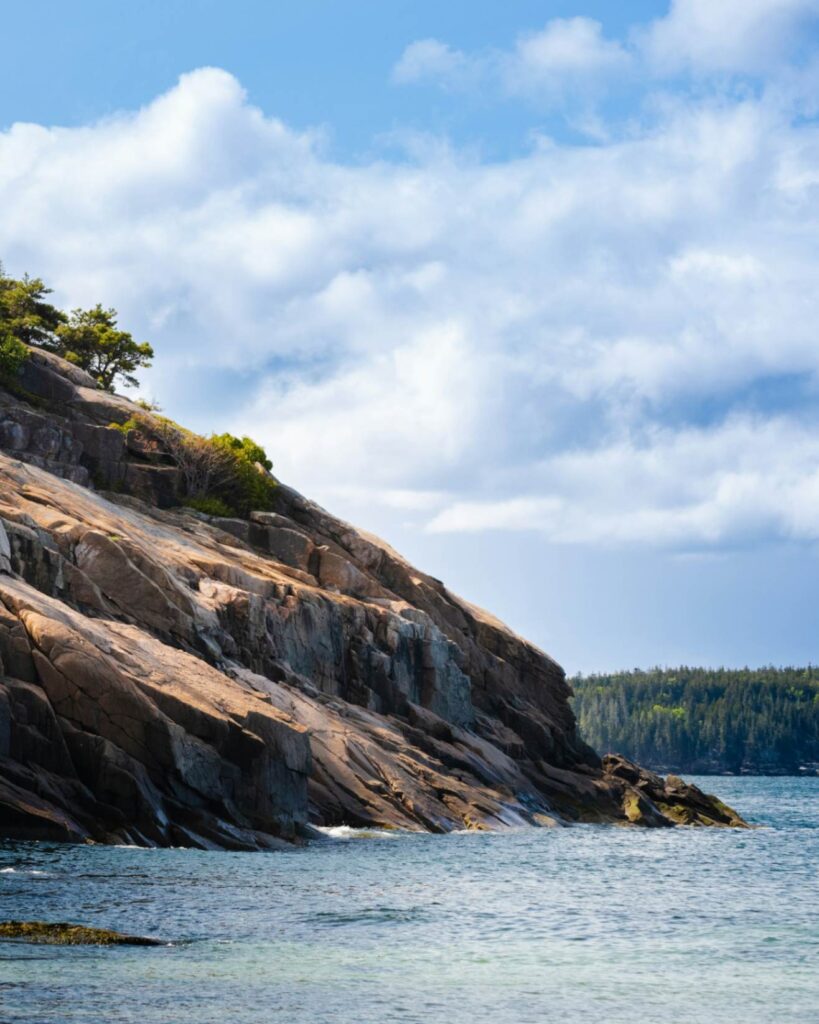
Acadia packs granite peaks, forest, ponds, carriage roads, and Atlantic shoreline into a manageable part of Mount Desert Island. It is one of the easier parks to combine with small-town restaurants and comfortable lodging in Bar Harbor.
Best time: June through October. September and early October balance mild weather with fall color, although foliage dates vary.
Ideal trip length: Two to four days.
Good fit if you: want coastal scenery, moderate hikes, cycling, or a nature trip that does not require remote backcountry travel.
A guided option: Frenchman Bay windjammer sailing trip
This 1.5-to-2-hour sailing trip leaves from Bar Harbor Inn Pier and views Acadia from Frenchman Bay and the Porcupine Islands. Guests are instructed to arrive 45 minutes before departure, and late boarding is not permitted.
Link: Windjammer Sailing Trip in Maine
Good fit if you: want a relaxed coastal perspective after a morning hike.
Keep in mind: It does not replace time inside the national park, and missed departures are not eligible for a refund or rebooking under the listed terms.
11. Great Smoky Mountains National Park, Tennessee and North Carolina
The Smokies trade the stark cliffs of western parks for layered ridges, dense forest, waterfalls, historic buildings, and remarkable biodiversity. Scenic roads make the park approachable, but short walks quickly reveal mossy streams and quieter forest.
Best time: April and May for wildflowers, June for long days, and October for fall color. Peak foliage weekends can bring heavy traffic.
Ideal trip length: Two to four days.
Good fit if you: are planning a family road trip, prefer forest and waterfalls, or live within driving distance of the Southeast.
Keep in mind: Do not build the trip around one predicted foliage date. Elevation changes the timing, and weather shifts the season. Start early for Cades Cove and popular trailheads.
12. Bryce Canyon National Park, Utah
Bryce is smaller than many parks in this guide, but its amphitheaters filled with hoodoos look unlike any other major American landscape. Viewpoints are accessible along the rim, while trails such as Navajo Loop and Queen’s Garden descend among the formations.
Best time: May through October for hiking, with spring and fall offering cooler temperatures. The high elevation means snow and ice can arrive earlier than travelers expect.
Ideal trip length: One or two days.
Good fit if you: want sunrise photography, unusual geology, or a compact stop on a Utah road trip.
Keep in mind: Bryce and Zion pair well geographically, but seeing both properly in one day is difficult. The guided Las Vegas option above is convenient for an overview; an overnight stay creates space for the rim at sunrise and a trail below it.
Nature Destination Comparison
| Destination | Best months | Minimum useful stay | Main experience | Physical level |
| Yellowstone | May–September | 3 days | Wildlife and geothermal basins | Easy to moderate |
| Yosemite | April–October | 2 days | Granite valley, waterfalls, hiking | Easy to strenuous |
| Grand Canyon | April–May, Sept.–Oct. | 2 days | Rim views and canyon hiking | Easy to strenuous |
| Glacier | July–September | 3 days | Alpine roads, lakes, trails | Moderate to strenuous |
| Kenai Fjords | June–August | 2 days | Glacier cruise and marine wildlife | Easy by boat; strenuous on trail |
| Hawaiʻi Volcanoes | Year-round | 1 day | Volcanic terrain and rainforest | Easy to moderate |
| Zion | April–May, Sept.–Oct. | 2 days | Canyon hiking | Easy to strenuous |
| Olympic | July–September | 3 days | Rainforest, mountains, coast | Easy to moderate |
| Everglades | December–April | 1 day | Wetlands and wildlife | Easy to moderate |
| Acadia | June–October | 2 days | Rocky coast and forest | Easy to moderate |
| Great Smoky Mountains | April–May, October | 2 days | Forest, ridges, waterfalls | Easy to strenuous |
| Bryce Canyon | May–October | 1 day | Hoodoos and rim views | Easy to moderate |
How to Choose the Right USA Nature Destination
Choose Yellowstone if wildlife is the main goal and you can accept long driving days. Pick Yosemite for the most straightforward first national park experience, especially when the group includes people with different hiking abilities.
For a summer mountain trip, Glacier offers the strongest alpine feel, while Olympic provides more variety and a milder coastal climate. Kenai Fjords is the clearest choice when glaciers and marine wildlife justify a flight to Alaska.
Traveling in winter changes the ranking. Everglades is at its most comfortable during the dry season, and Hawaiʻi Volcanoes works year-round as long as current volcanic and air-quality conditions are checked. The desert parks are often better in spring or fall than at the height of summer.
Families with younger children may find Acadia, Great Smoky Mountains, and the accessible parts of Yosemite easier than a trip centered on exposed hikes in Zion or deep-canyon routes at the Grand Canyon.
What to Check Before Booking
- Road and trail status: Snow, wildfire, floods, rockfall, construction, and volcanic activity can change access quickly.
- Timed entry and permits: An entrance pass does not automatically include every reservation or hiking permit.
- True driving time: Mountain roads and wildlife traffic make map estimates unreliable.
- Tour price basis: Confirm whether the displayed amount is per person, per vehicle, or per private group.
- What admission covers: Some tours include park entry, while others collect it separately.
- Pickup details: “Pickup available” may mean a limited set of hotels or a central meeting location.
- Fitness and exposure: Heat, altitude, river current, slippery rock, and long periods without shade matter more than trail mileage alone.
- Cancellation rules: Weather-dependent cruises and outdoor tours may have product-specific terms.
- Wildlife expectations: No ethical operator can guarantee a wild-animal sighting.
Make the Choice by Landscape, Not by Fame
For a first national park trip, Yosemite offers the easiest balance of recognizable scenery and flexible activity levels. Yellowstone is the more distinctive choice for wildlife, Kenai Fjords is worth the extra logistics for ice and marine life, and the Everglades makes the most sense for a winter escape.
Before paying for flights or a tour, verify the park’s current access page, the exact meeting point, what admission is included, and whether the season fits the experience you want. That short check prevents the most common mistake: reaching the right destination at the wrong time.
Some links in this article may be affiliate links. If you purchase through them, we may earn a small commission at no extra cost to you. Thanks for supporting our work.
Frequently Asked Questions
What is the best nature destination in the USA for a first trip?
Yosemite is one of the easiest first choices because major scenery is visible from the valley floor, while optional trails range from short walks to demanding climbs. Yellowstone is a stronger pick when wildlife and geothermal features matter more than hiking.
Which US nature destination is best in summer?
Glacier, Olympic, Yellowstone, and Kenai Fjords make strong summer trips because high roads, trails, and boat schedules are most likely to be available. Conditions still change, and July and August are busy.
Where should I go for nature in the USA during winter?
The Everglades is comfortable in its dry season, Hawaiʻi offers year-round access, and the Grand Canyon’s South Rim can be striking under snow. Winter weather creates icy roads and trail hazards at higher elevations.
Do national parks require reservations in 2026?
Some parks and individual attractions use timed entry, vehicle reservations, permits, or tour bookings. Rules differ by location and date. Check the park’s official NPS page and Recreation.gov before finalizing lodging.
Is a guided tour worth booking?
A guided tour is most useful when transportation is difficult, wildlife spotting requires experience, or the landscape is best seen by boat. Self-driving is usually better when hiking flexibility, sunrise, and sunset are the priorities.
How many days are needed for a nature-focused USA trip?
Allow at least one week for two nearby parks, or 10 to 14 days for a broader regional road trip. Trying to combine distant headline destinations usually turns the vacation into a sequence of airports and highways.