

Why These USA Bucket List Destinations Are Worth the Trip
Some places look impressive in photos but feel strangely flat once you arrive. The destinations on this list do the opposite. The scale of the Grand Canyon, the steam rising across Yellowstone, and the first glimpse of Manhattan from the water all make more sense in person.
These USA bucket list destinations cover national parks, famous cities, coastal drives, islands, and landscapes that feel unlike anywhere else in the country. The goal is not to race through all of them. It is to find the places that match the way you actually like to travel, then give each one enough time to be worth the journey.
Table of Contents
USA Bucket List Destinations at a Glance
| Destination | State or region | Best for | Good trip length | Best general season |
|---|---|---|---|---|
| Grand Canyon | Arizona | Huge landscapes and first-time park trips | 2–3 days | Spring and fall |
| New York City | New York | Landmarks, food, museums, neighborhoods | 4–6 days | Spring and fall |
| Yellowstone | Wyoming, Montana, Idaho | Wildlife and geothermal scenery | 3–5 days | Late spring to early fall |
| Maui | Hawaii | Beaches, scenic drives, and easy variety | 5–7 days | Year-round |
| Yosemite | California | Granite cliffs, waterfalls, and hiking | 3–4 days | Late spring through fall |
| New Orleans | Louisiana | Food, live music, and distinctive culture | 3–4 days | Fall through spring |
| Pacific Coast Highway | California | A classic American road trip | 5–8 days | Spring through fall |
| Washington, DC | District of Columbia | Museums and American history | 3–5 days | Spring and fall |
| Zion | Utah | Canyon hiking and dramatic drives | 2–3 days | Spring and fall |
| Alaska and Denali | Alaska | Wildlife and true wilderness scale | 7–10 days | June through early September |
| Charleston | South Carolina | Architecture, food, and a slower pace | 3–4 days | Spring and fall |
| Hawaiʻi Volcanoes | Hawaii Island | Volcanic landscapes and geology | 2–3 days | Year-round |
| Chicago | Illinois | Architecture, museums, and lakefront city life | 3–4 days | Late spring through early fall |
| Glacier | Montana | Alpine roads, lakes, and mountain trails | 3–4 days | Summer to early fall |
| Las Vegas and the Southwest | Nevada, Arizona, Utah | Entertainment plus desert road trips | 4–7 days | Fall through spring |
1. Grand Canyon, Arizona
The Grand Canyon belongs on a first USA bucket list because its dimensions are difficult to grasp from a screen. From the South Rim, layers of rock fall away toward the Colorado River, and the light changes the canyon hour by hour.
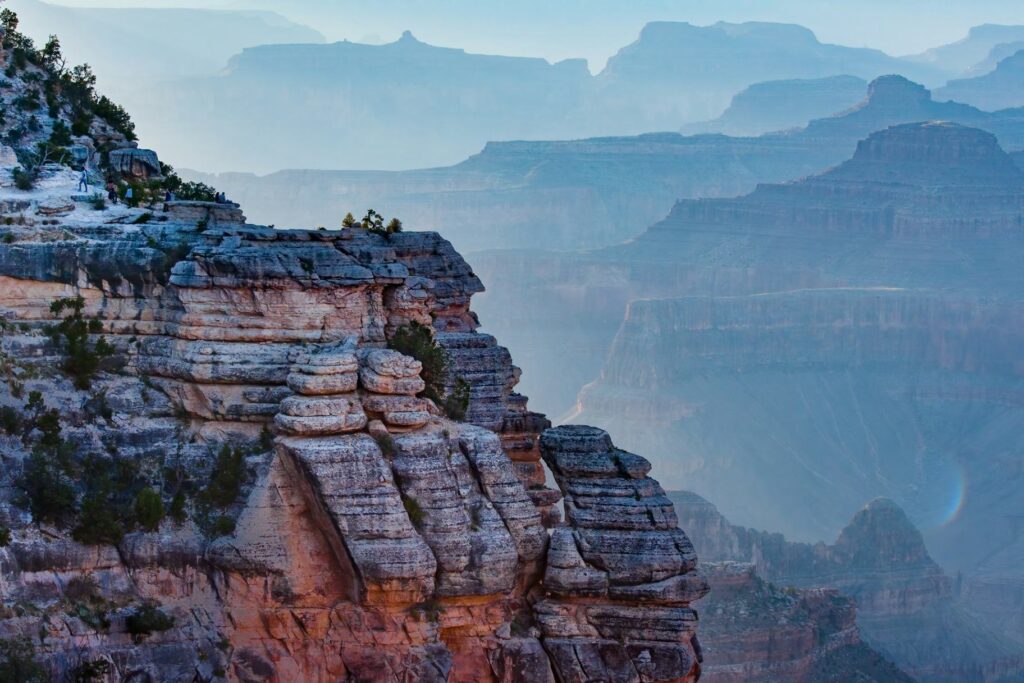
For a first visit, base yourself near the South Rim. Walk part of the Rim Trail, stop at viewpoints along Hermit Road or Desert View Drive, and stay for both sunset and the darker sky that follows. A short hike below the rim can add perspective, but remember that the return is uphill and usually takes longer.
The South Rim is open year-round. The North Rim is more seasonal and takes longer to reach. For 2026, the National Park Service says the North Rim reopened on May 15. No timed-entry reservation is required for the park, though lodging and camping should be booked well ahead. During busy periods, arriving before midmorning or later in the afternoon can reduce entrance delays. (Grand Canyon trip planning)
Best for: first-time national park visitors, photographers, families, and road trippers.
Do not rush it: two nights let you see the canyon in different light instead of treating it as a roadside stop.
2. New York City, New York
New York earns its place through variety. A morning can begin in Central Park, continue through an art museum, and end over noodles in Queens or a Broadway show in Midtown. The famous sights matter, but the city becomes more enjoyable when each day is organized around one or two nearby neighborhoods.
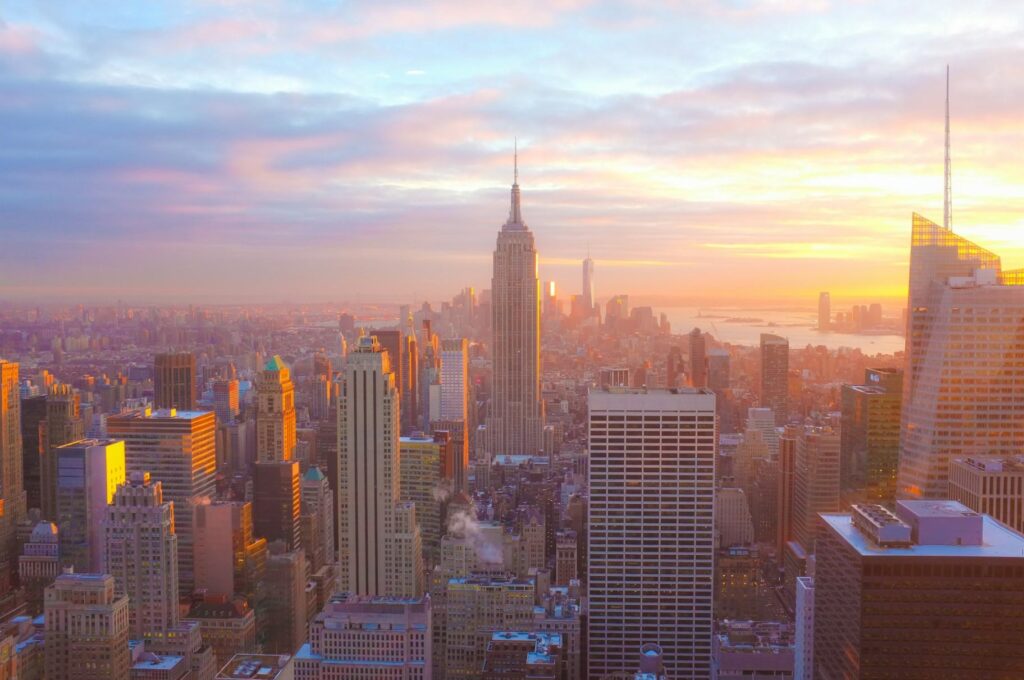
First-time visitors usually want the skyline, Times Square, Central Park, the Brooklyn Bridge, and Lower Manhattan. Add one major museum and leave room for a neighborhood that fits your interests, whether that is Harlem, Greenwich Village, Williamsburg, or Jackson Heights.
If the Statue of Liberty is a priority, use the authorized ferry and reserve pedestal or crown access early. Crown access involves 162 steps above the statue's feet and has no elevator. Ferry tickets are required to reach Liberty and Ellis islands, while the National Park Service does not charge separate museum admission. (Statue of Liberty visitor information)
Best for: travelers who like food, art, theater, shopping, and busy days.
Plan around location: staying near a subway line is usually more useful than choosing a hotel simply because it is close to Times Square.
3. Yellowstone National Park
Yellowstone is more than Old Faithful. The park combines geysers, hot springs, waterfalls, broad valleys, and some of the most rewarding wildlife viewing in the lower 48 states. Bison often appear close to the road, while bears and wolves require more patience, distance, and luck.
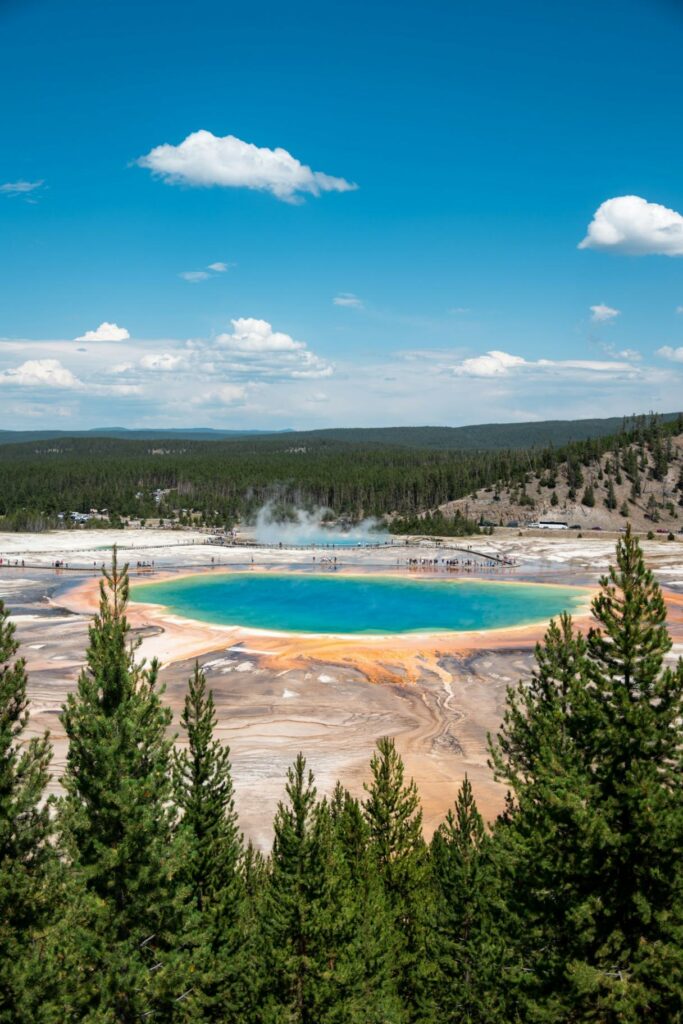
Allow at least three full days. One day can cover the Old Faithful and Upper Geyser Basin area, another the Grand Canyon of the Yellowstone, and another Hayden or Lamar Valley. Trying to drive the entire park in one day usually means seeing most of it through a windshield.
Vehicle reservations are not required in 2026, but an entrance pass is. Lodging fills quickly, and nearly all campsites need advance reservations. Road openings and closures change with weather, so check current conditions shortly before departure. (Yellowstone planning guide)
Best for: wildlife watchers, families, geology fans, and travelers willing to start early.
Keep your distance: wildlife is wild even when it appears calm or stands near a parking area.
4. Maui, Hawaii
Maui works well for travelers who want a beach trip without spending every day on the same beach. The island combines snorkeling, volcanic highlands, roadside waterfalls, small towns, and long coastal views.

The Road to Hana is the island's famous drive, but it is better when treated as a full day rather than a checklist of stops. Haleakalā offers a completely different landscape above the clouds. On the coast, choose a few beaches and snorkeling areas instead of crossing the island repeatedly.
Build some flexibility into the schedule. Weather, surf, road conditions, and local access guidance can change. Respect closures and private property, and choose locally owned businesses where possible. Maui also rewards slower travel: one unplanned afternoon often feels better than another packed driving day.
Best for: couples, honeymoon trips, families, and travelers who want nature with comfortable lodging.
Stay longer: five to seven nights make the travel time worthwhile and leave room for a weather change.
5. Yosemite National Park, California
Yosemite Valley delivers several famous views within a relatively compact area: El Capitan, Half Dome, Yosemite Falls, and meadows along the Merced River. Beyond the valley, Tioga Road and Glacier Point reveal a much larger park when seasonal roads are open.
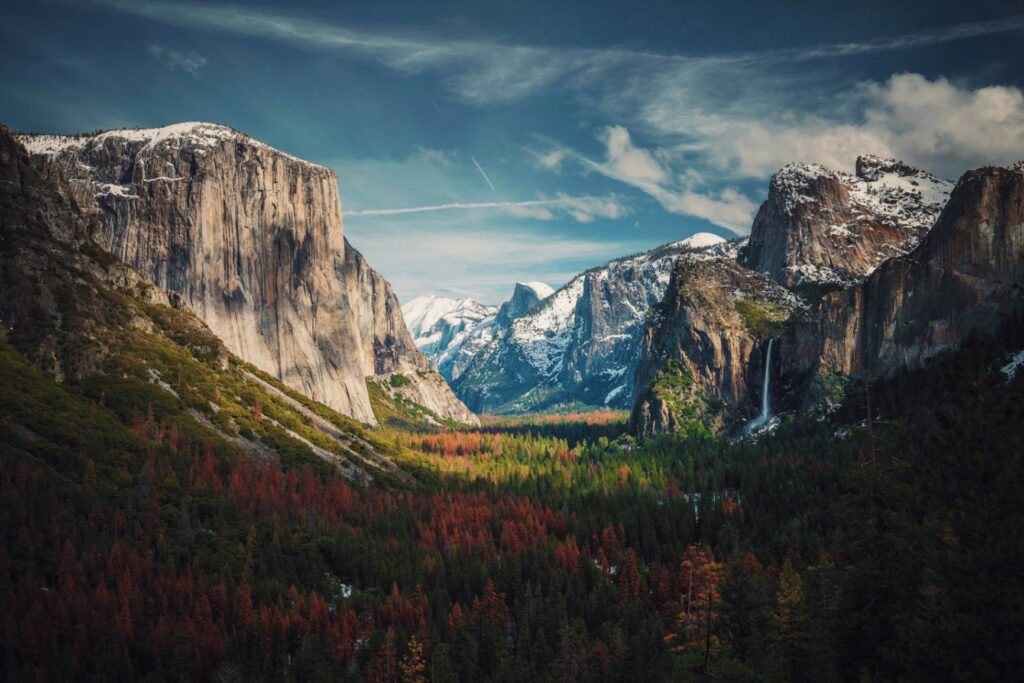
Waterfalls are generally strongest in spring and early summer. Later summer brings easier access to high-country roads and trails, while fall can mean lighter crowds and lower water levels. Winter transforms the valley but limits access elsewhere.
Yosemite does not require an advance vehicle reservation in 2026, though the entrance fee still applies. Lodging and campgrounds remain difficult to secure, and the park recommends reserving overnight stays early. A permit is still required for the Half Dome cables route. (Yosemite reservations and permits)
Best for: hikers, photographers, families, and travelers planning their first California national park trip.
Avoid the midday parking hunt: arrive early, then use park transportation or explore on foot where available.
6. New Orleans, Louisiana
New Orleans is one of the few American cities where food, music, architecture, and daily street life feel inseparable. The French Quarter is the obvious starting point, but the city becomes more interesting once you also spend time in the Marigny, Garden District, City Park, or along Magazine Street.
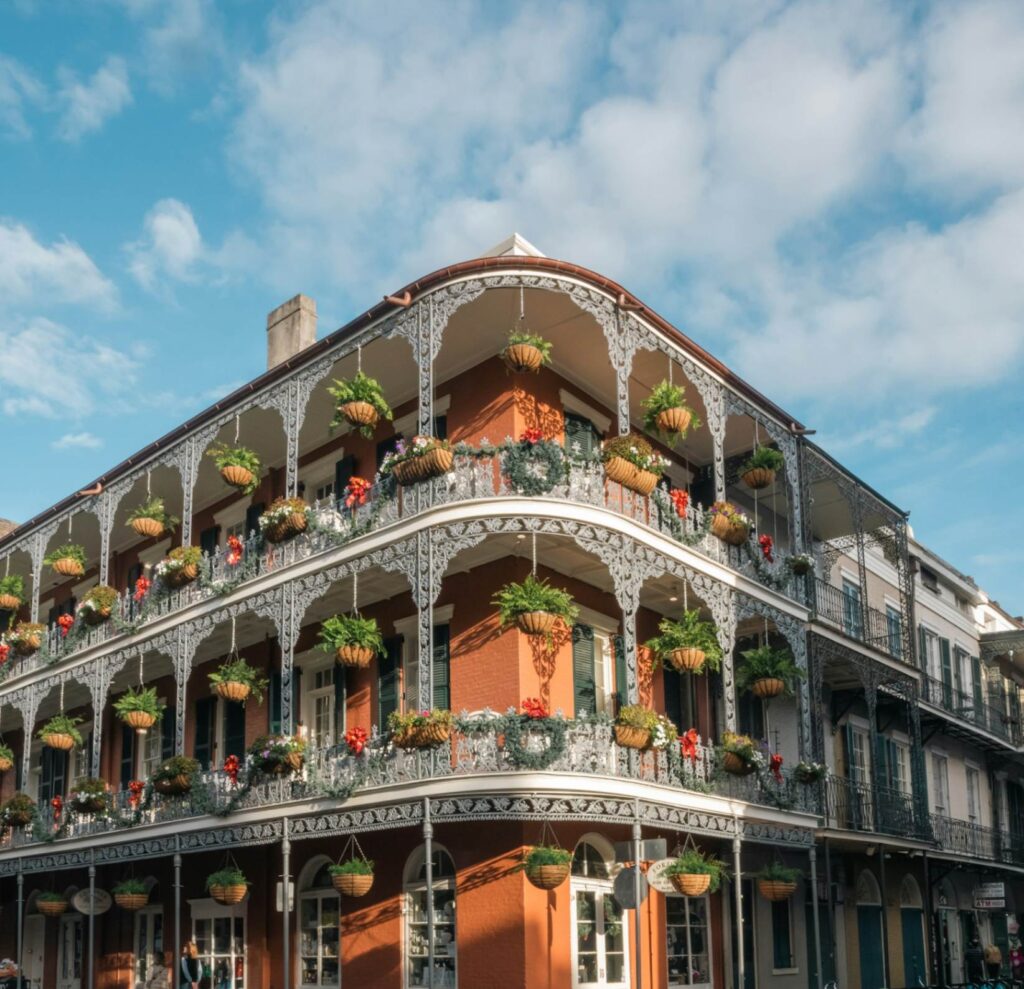
Plan around meals and live music rather than collecting landmarks. Ride the St. Charles streetcar, hear jazz in a venue where listening matters, and try dishes tied to the region instead of filling the schedule with generic attractions. Early morning is a particularly pleasant time to see the French Quarter before the busiest hours.
Hot, humid summers and hurricane-season disruptions require flexibility. Fall through spring generally brings more comfortable walking weather, though major festivals can raise hotel prices and crowd levels.
Best for: food travelers, couples, music fans, and anyone who prefers character over polished uniformity.
Look beyond Bourbon Street: it is one slice of the city, not the whole New Orleans experience.
7. Pacific Coast Highway, California
California's coastal highway is a journey rather than a single destination. The strongest itinerary connects places such as San Francisco, Monterey, Big Sur, Santa Barbara, and Los Angeles, with enough time for overlooks, beaches, redwood groves, and small coastal towns.
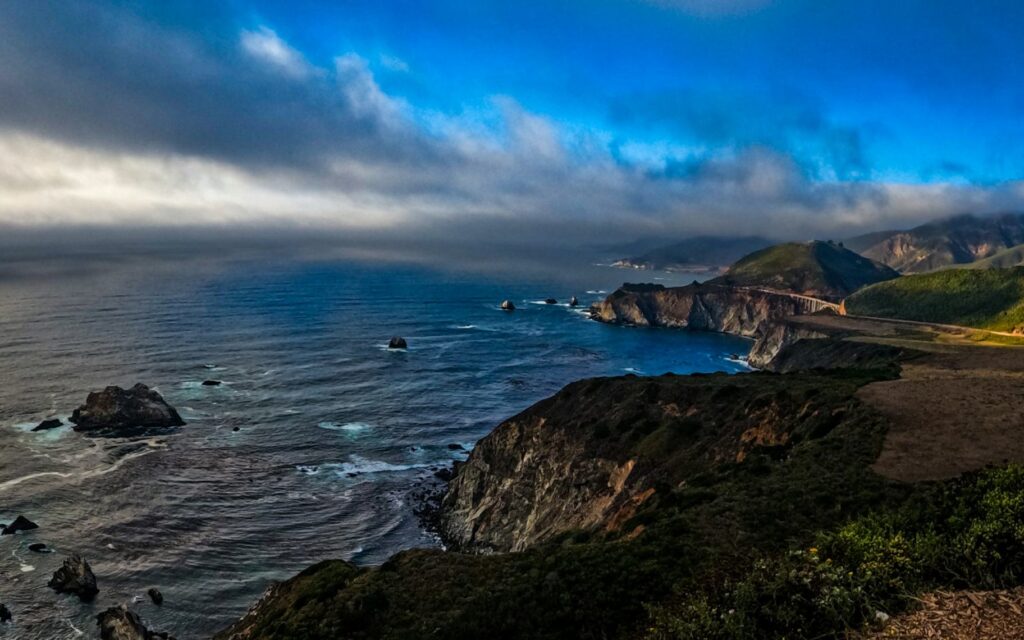
Five to eight days is a sensible range for a one-way trip. Driving fewer miles each day matters because the road is winding, stops take longer than expected, and coastal fog can change the view. Avoid building an itinerary that requires arriving at every hotel after dark.
Highway closures can affect Big Sur after storms, landslides, or road work. Check official California road conditions before committing to the route and again shortly before departure. If a section is closed, change the itinerary rather than trusting an unofficial detour on a navigation app.
Best for: couples, photographers, convertible-daydreamers, and travelers who enjoy the drive itself.
Book strategically: lodging in smaller coastal communities is limited and can be expensive on weekends.
8. Washington, DC
Washington, DC combines national monuments, major museums, and walkable neighborhoods in a trip that can be surprisingly affordable once lodging is covered. Many Smithsonian museums charge no admission, so visitors can choose shorter, focused visits instead of forcing an entire museum into one day.
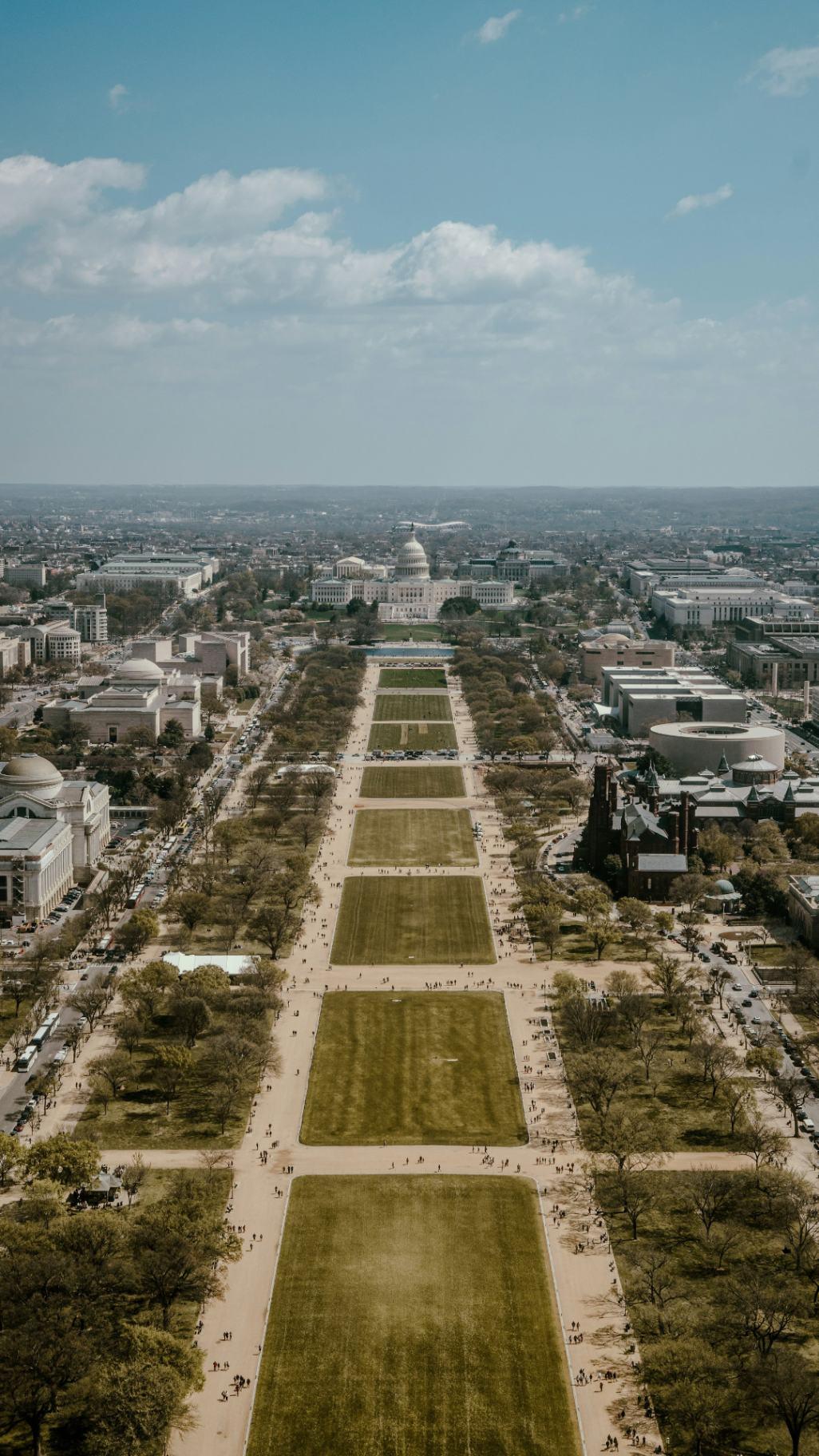
Start with the National Mall, but divide it across multiple days. Pair the western monuments with one museum, then use another day for the Capitol area, the Library of Congress, and a different neighborhood. Georgetown, Dupont Circle, and the Wharf offer a break from memorial-to-memorial sightseeing.
Spring cherry blossoms are beautiful but draw heavy crowds and depend on weather. Fall offers another strong combination of comfortable temperatures and good walking conditions. Some government sites require advance tours or security procedures, so verify rules before the trip.
Best for: families, history travelers, museum lovers, and multigenerational trips.
Wear practical shoes: distances around the Mall are longer than they appear on a map.
9. Zion National Park, Utah
Zion's sandstone walls rise sharply around a narrow canyon, creating a park that feels dramatic even on short, easy walks. The Riverside Walk, Canyon Overlook area, and viewpoints along the shuttle route give non-hikers plenty to see, while Angels Landing and the Narrows require more preparation.
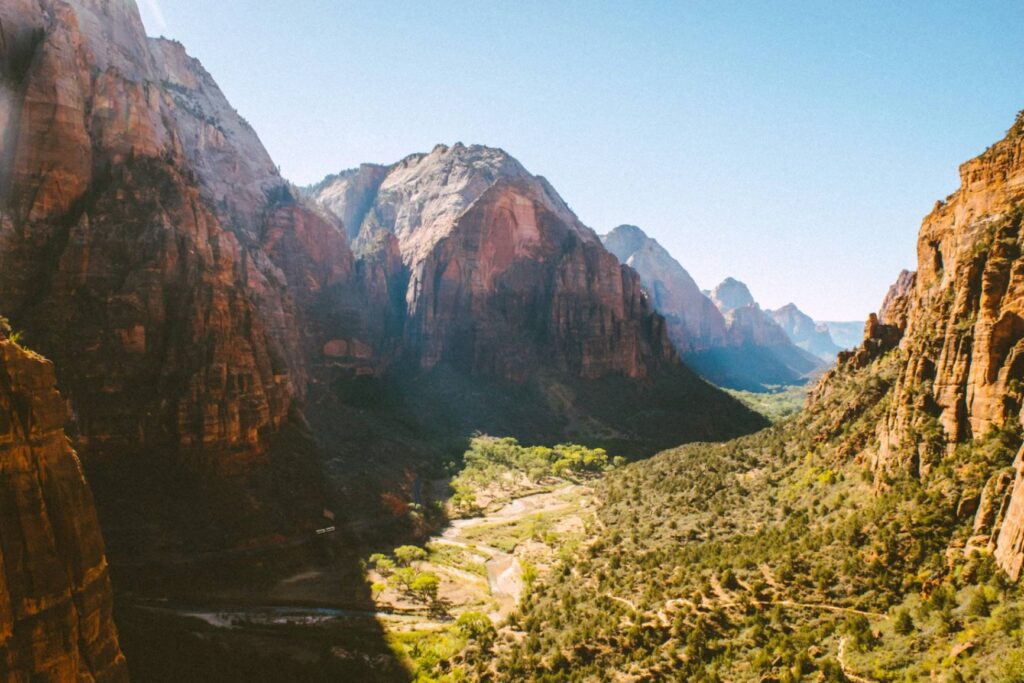
For much of the year, the free Zion Canyon shuttle replaces private vehicles on Zion Canyon Scenic Drive. In 2026, no ticket or reservation is needed to enter most areas or ride the shuttle, though a park entrance fee applies. Angels Landing requires a separate permit. (Zion shuttle and trip planning)
Spring and fall usually offer better hiking temperatures than midsummer, but conditions still vary. Flash-flood risk matters in narrow canyons, and winter ice can make exposed routes dangerous.
Best for: hikers, active couples, families with older children, and Southwest road trips.
Stay in or near Springdale: it simplifies early starts and reduces time spent searching for parking.
10. Alaska and Denali National Park
Alaska is the choice when the bucket-list goal is scale. Mountains, tundra, glaciers, and wildlife are spread across long distances, so a successful trip needs more time than a typical city break. Denali fits naturally into a route with Anchorage, the Kenai Peninsula, or Fairbanks.
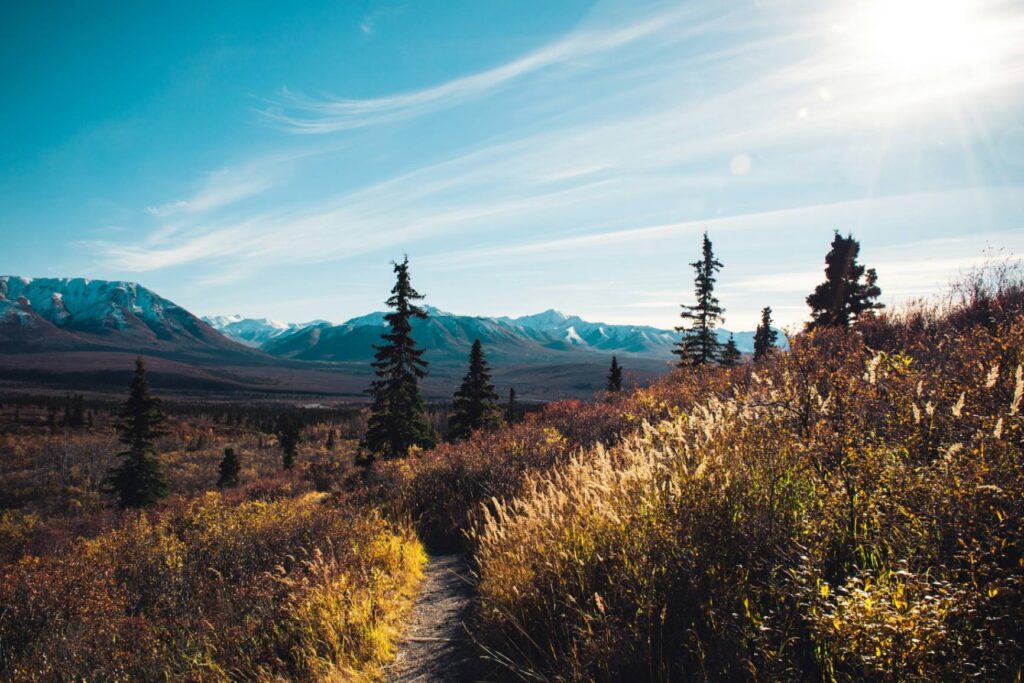
Most of Denali Park Road is not open to private cars in summer. Visitors use transit or narrated buses to reach deeper sections. For summer 2026, the road remains closed at Mile 43 because of the Pretty Rocks landslide, and the main visitor season runs from May 20 into mid-September. (Denali current conditions)
Seven to ten days is a useful minimum for an Alaska trip involving Denali, especially if flights, rail travel, or a coastal section are included. Build a buffer around weather-dependent activities. The mountain itself is often hidden by clouds, and that does not make the wider landscape a failed trip.
Best for: wildlife watchers, train travelers, hikers, and travelers comfortable with variable weather.
Reserve the structure first: book transport and hard-to-find lodging before filling in smaller activities.
11. Charleston, South Carolina
Charleston is a good counterpoint to the country's giant parks and fast-moving cities. Its appeal lies in walkable streets, preserved architecture, Lowcountry food, waterfront views, and the layered history of the city and surrounding region.
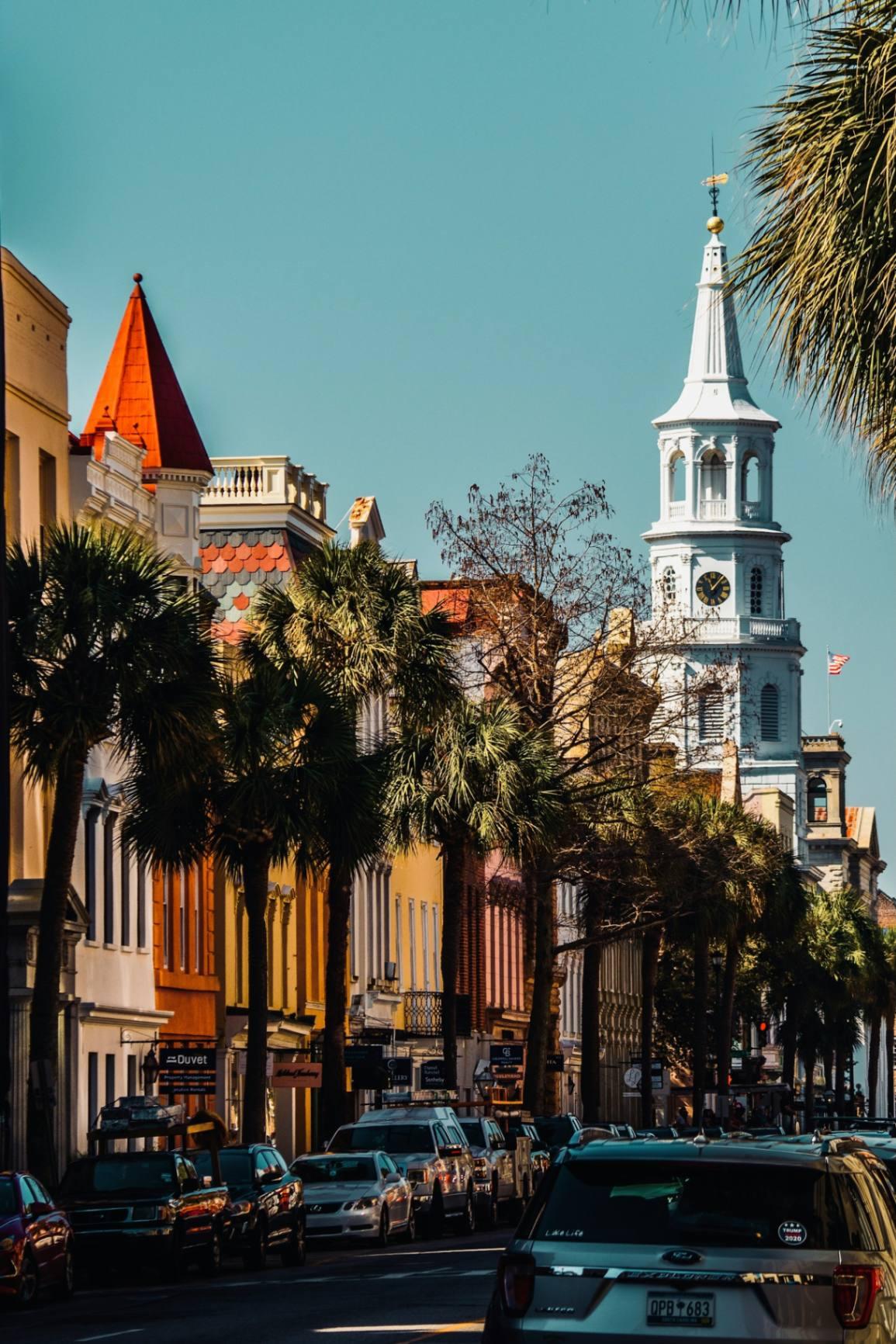
Spend time south of Broad, visit a historic site with thoughtful interpretation, and leave the peninsula for a wider view of the Lowcountry. The nearby sea islands and beaches can extend a city weekend, while food-focused travelers can build an entire itinerary around seafood, Gullah Geechee influences, and local markets.
Spring is popular for gardens and mild weather. Fall can also be pleasant, while summer brings heat, humidity, and storm risk. Historic homes and narrow sidewalks vary in accessibility, so travelers with mobility needs should confirm details directly.
Best for: couples, food travelers, history-focused trips, and long weekends.
Choose context over decoration: the city's beauty is only part of its story, and the strongest visits make room for its difficult history too.
12. Hawaiʻi Volcanoes National Park, Hawaii
Hawaiʻi Volcanoes National Park feels less like a single attraction and more like a landscape in motion. Craters, lava fields, rainforest, steam vents, and the long descent toward the coast reveal how volcanic activity continues to shape Hawaii Island.
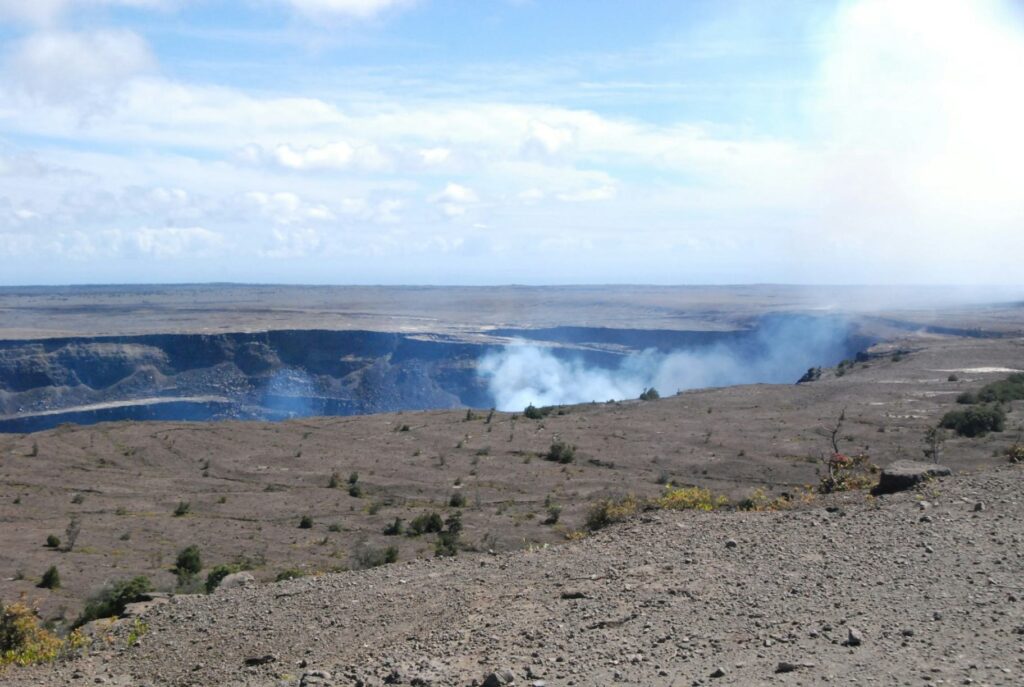
Kīlauea and Mauna Loa are active volcanoes, but visible lava is never guaranteed. Check current eruption status and air quality instead of planning around old photos or social-media clips. The park advises having a backup plan because weather, closures, congestion, and volcanic conditions can change quickly. Parking near popular summit sites is often limited from late morning through midafternoon. (Hawaiʻi Volcanoes trip planning)
Bring layers and rain protection. The summit can be cool and wet even when the coast is warm. Two days allow time for crater views, short walks, Chain of Craters Road, and changing conditions.
Best for: geology fans, families, hikers, and travelers building a Hawaii Island road trip.
Respect closures: volcanic gases, unstable ground, and hidden cracks are real hazards, not suggestions to step around a rope for a better photo.
13. Chicago, Illinois
Chicago offers the culture and energy of a major American city with an unusually open lakefront. Its architecture, neighborhoods, music history, museums, and food make it more than a quick stop between the coasts.
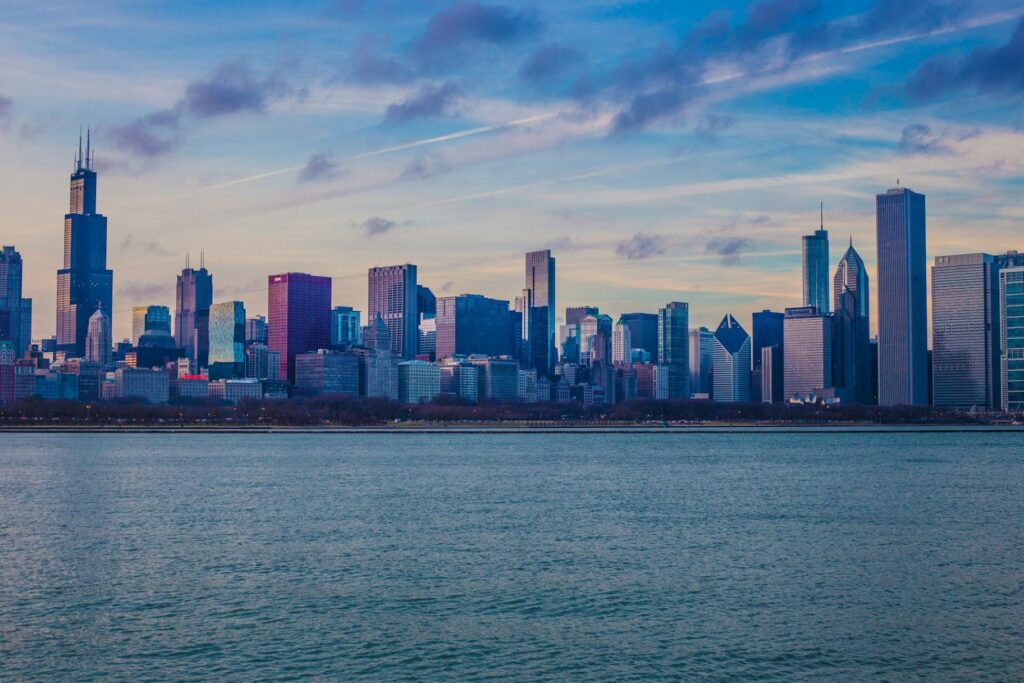
An architecture river cruise is one of the clearest introductions to the city. Add the Art Institute, Millennium Park, the Lakefront Trail, and one or two neighborhoods away from downtown. Pilsen, Hyde Park, Andersonville, and Logan Square each provide a different reason to leave the Loop.
Late spring through early fall is ideal for the lakefront, outdoor dining, and festivals. Winter can be rewarding for museums and lower hotel demand, but wind and snow change how much ground is comfortable to cover.
Best for: architecture fans, food travelers, museum lovers, and summer city breaks.
Do not spend the whole trip downtown: Chicago's neighborhoods are a large part of what makes the city worth revisiting.
14. Glacier National Park, Montana
Glacier National Park combines turquoise lakes, sharp mountain ridges, waterfalls, and one of the country's most scenic drives. Going-to-the-Sun Road is the headline experience, but the park's real reward comes from stopping, walking, and letting the high-country scenery unfold slowly.
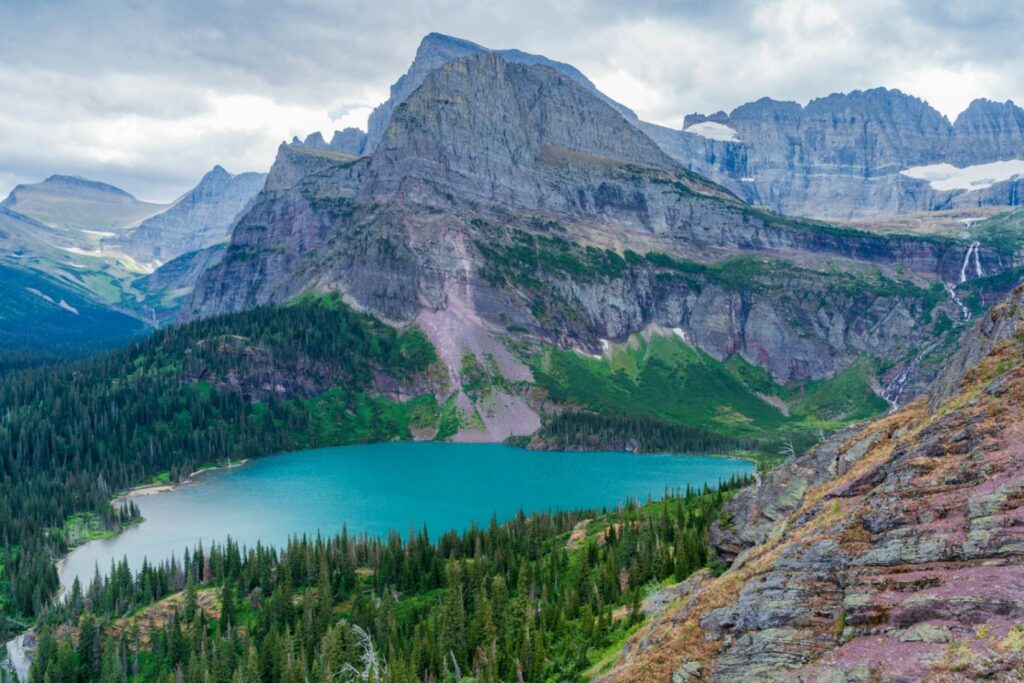
Summer is the easiest season for full road access, though snow determines when alpine sections open. Popular trailheads and parking areas fill early. Vehicle-entry policies have changed across recent seasons, so check the park's current reservation page before booking lodging or building a fixed daily plan.
Allow three or four days and consider splitting the stay between different sides of the park. This reduces backtracking and makes it easier to explore areas such as Many Glacier and Lake McDonald without spending most of the day in the car.
Best for: hikers, mountain-road enthusiasts, wildlife watchers, and active families.
Prepare for rapid changes: mountain weather can turn a warm morning into a cold, wet afternoon.
15. Las Vegas and the Desert Southwest
Las Vegas makes a surprisingly useful base for a broader Southwest trip. The city supplies shows, restaurants, and resort time, while nearby desert landscapes offer a complete change of pace. Red Rock Canyon and Valley of Fire fit shorter outings; Zion, the Grand Canyon, and Death Valley require more time and season-aware planning.
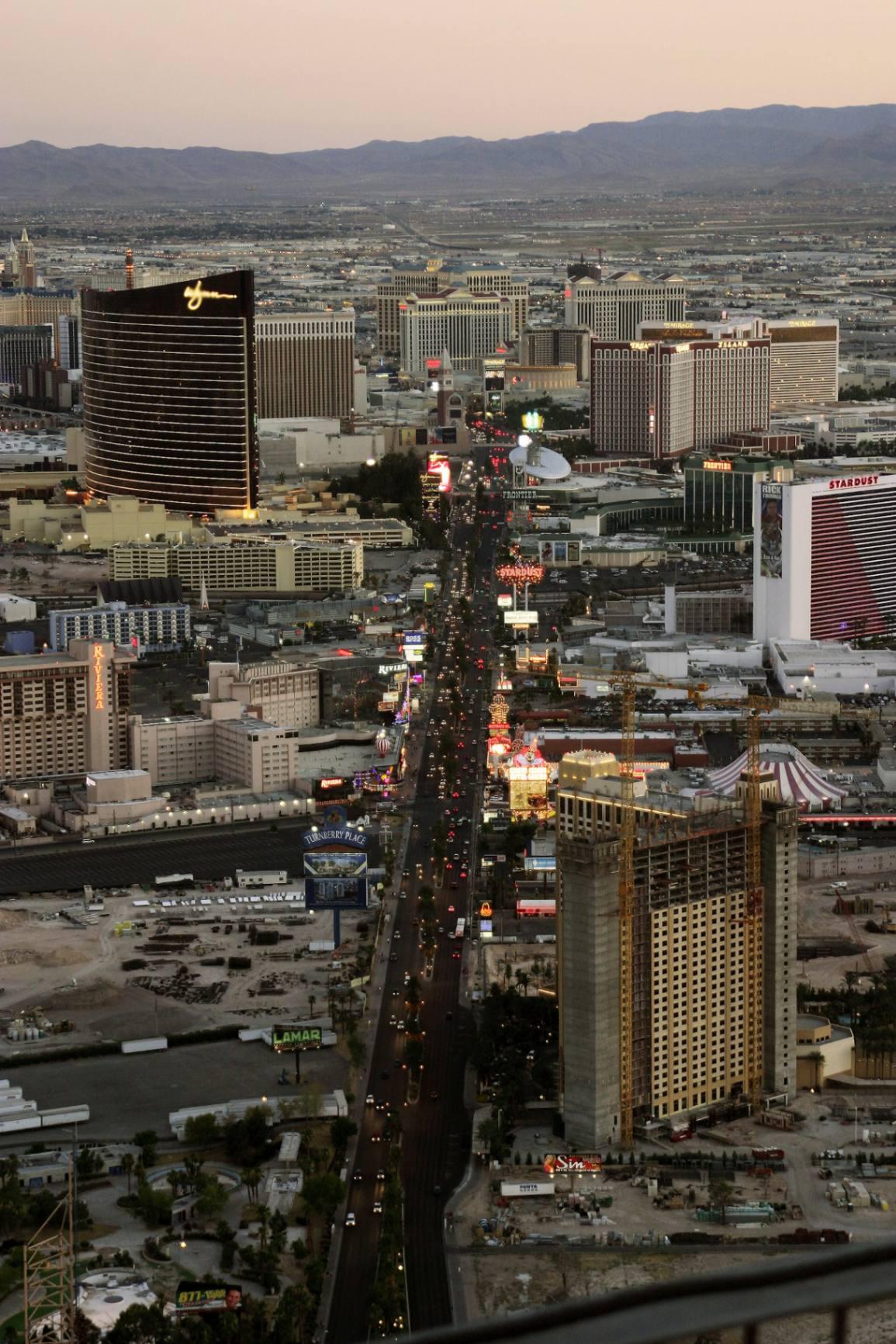
Two or three nights in Las Vegas is enough for many travelers. Add several days if the trip includes a national park loop. Avoid treating distant parks as effortless day trips simply because a map shows a drivable route. Entrance lines, scenic stops, heat, and limited daylight all extend the day.
Fall through spring is generally the better period for desert exploration. Summer heat can be dangerous, especially in low-elevation parks. Carry more water than seems necessary, protect against sun exposure, and avoid depending on cell service in remote areas.
Best for: couples, friend trips, entertainment, food, and first-time Southwest road trips.
Separate city and park days: a late show followed by a pre-dawn hiking departure rarely makes a good combination.
Start With the Trip That Fits You Now
For a first big landscape, choose the Grand Canyon. For a trip filled with food, museums, and neighborhoods, start with New York or New Orleans. If wildlife is the reason you travel, give Yellowstone several days rather than squeezing it into a rushed loop.
The most useful bucket list is not the longest one. Pick a destination that fits your time, budget, mobility, and preferred pace, then plan enough breathing room to experience it beyond the main photo stop.
Frequently Asked Questions
What is the number one bucket list destination in the USA?
There is no single choice that fits every traveler, but the Grand Canyon is the most broadly appealing first pick. It has a strong sense of scale, works for different fitness levels, and fits naturally into an Arizona or Southwest road trip.
What are the best USA bucket list destinations for first-time visitors?
New York City, the Grand Canyon, Yellowstone, Yosemite, Washington, DC, and New Orleans provide a balanced introduction to American cities, landscapes, history, and regional culture.
Which destinations are best for families?
Washington, DC works well because many museums are free, while Yellowstone, the Grand Canyon, Yosemite, and Maui can suit families who prefer outdoor trips. Match hikes and driving time to the youngest traveler rather than building the plan around adult endurance.
How many days do you need for a USA bucket list trip?
A single city or compact park trip usually needs three to five days. A road trip works better with at least seven days. Alaska, Hawaii, and multi-park Western itineraries often justify ten days or more because travel between stops takes a significant share of the trip.
What is the best month to travel around the USA?
September is one of the most flexible months for many regions, with warm weather in much of the country and fewer school-holiday crowds. It is not universal, however. It overlaps with Atlantic hurricane season, can bring wildfire smoke in the West, and may be late for some Alaska services.
Do national parks require reservations?
Rules vary by park, season, road, campground, and activity. Yosemite and Yellowstone do not require vehicle-entry reservations in 2026, while specific hikes, campgrounds, or other parks may still use permits or timed entry. Always check the official page for the exact park and dates.