

How to Choose the Best Places to Visit in the USA
The best places to visit in the USA can feel almost impossible to narrow down. One trip might take you past Manhattan skyscrapers and Broadway theaters, while another leads through geyser basins, desert canyons, tropical beaches, or quiet mountain towns.
That variety is what makes traveling across the United States so rewarding. You can plan a city break, national park adventure, beach vacation, scenic road trip, or food-focused weekend without leaving the country.
This USA bucket list brings together destinations that offer more than a famous photo opportunity. Each place has enough character, scenery, and memorable experiences to justify building an entire trip around it.
Table of Contents
Best Places to Visit in the USA at a Glance
| Destination | Best for | Ideal trip length | Best general season |
|---|---|---|---|
| New York City | Culture, food and landmarks | 4–6 days | Spring or fall |
| Grand Canyon | Dramatic scenery and hiking | 2–3 days | Spring or fall |
| Yellowstone | Wildlife and geothermal landscapes | 3–5 days | Late spring to early fall |
| Yosemite | Waterfalls, granite cliffs and hiking | 3–4 days | Late spring or fall |
| Hawaii | Beaches, volcanoes and island scenery | 7–10 days | Year-round |
| San Francisco | City views and coastal drives | 3–4 days | Early fall |
| New Orleans | Food, music and historic neighborhoods | 3–4 days | Winter or spring |
| Glacier National Park | Alpine scenery and hiking | 3–5 days | Summer |
| Charleston | Architecture, history and Southern food | 3–4 days | Spring or fall |
| Las Vegas | Entertainment and desert day trips | 3–4 days | Fall through spring |
| Acadia National Park | Coastal hiking and New England scenery | 3–4 days | Summer or early fall |
| Washington, D.C. | Museums and American history | 3–5 days | Spring or fall |
| Alaska | Wildlife and wilderness | 7–14 days | Summer |
| Florida Keys | Tropical road trips and water activities | 4–7 days | Winter or spring |
| Great Smoky Mountains | Forest drives and accessible hiking | 3–5 days | Spring or fall |
1. New York City, New York
Best for: First-time visitors, culture, food and urban sightseeing
Recommended stay: 4–6 days
New York City belongs on almost every American travel bucket list. Its best-known landmarks are impressive, but the real attraction is the variety packed into five boroughs.

A first trip usually includes Central Park, Times Square, the Empire State Building, the Statue of Liberty and the September 11 Memorial. Add at least one major museum, a Broadway performance and a walk across the Brooklyn Bridge.
Do not spend the entire visit moving between attractions in Midtown Manhattan. Leave time for the West Village, Lower East Side, Harlem, Williamsburg or another neighborhood that gives you a more local view of the city.
The official NYC tourism organization provides maps and visitor guides covering attractions across all five boroughs, making it useful for planning beyond Manhattan.
Do not miss
- Sunrise or sunset from an observation deck
- A walk through Central Park
- The Metropolitan Museum of Art
- Brooklyn Bridge and Brooklyn Heights
- A neighborhood food tour
Planning tip: Group attractions by neighborhood. Crossing Manhattan several times in one day wastes valuable sightseeing time.
2. Grand Canyon National Park, Arizona
Best for: Scenic overlooks, hiking and first-time national park trips
Recommended stay: 2–3 days
No photograph fully prepares you for the scale of the Grand Canyon. The changing light reveals layers of red, orange and purple rock, while viewpoints along the rim make the landscape accessible even to travelers who are not planning a difficult hike.
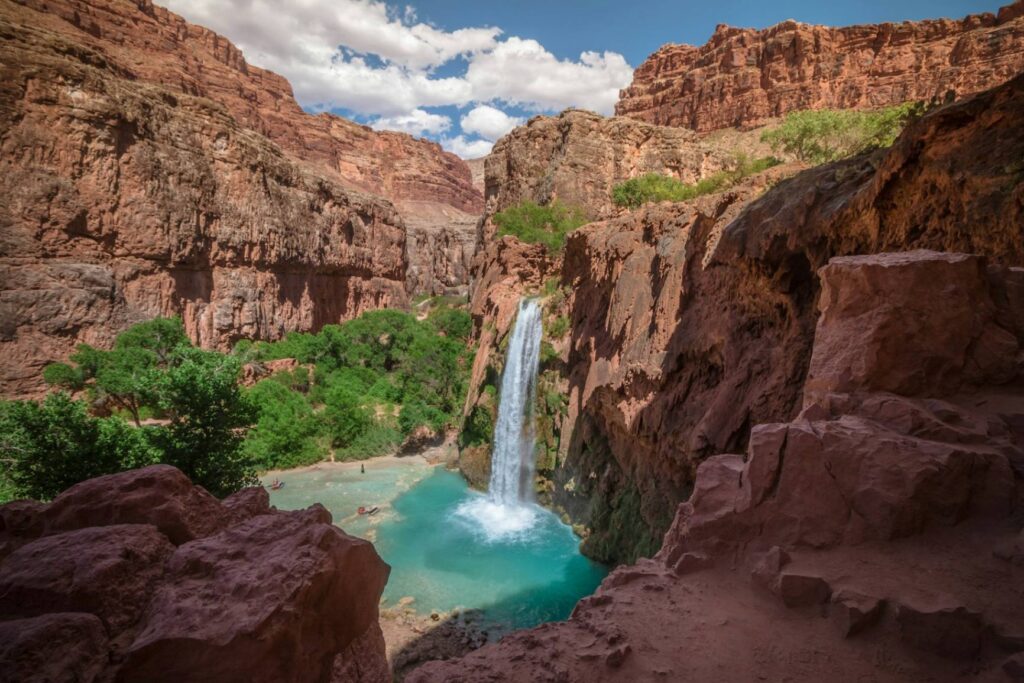
Most first-time visitors choose the South Rim. It remains open throughout the year and has the broadest range of lodging, food and visitor services. Reservations are strongly recommended during the busier spring, summer and fall periods.
Start with Mather Point, Yavapai Point and the viewpoints along Hermit Road. Walk part of the Rim Trail, then return to a favorite overlook for sunset.
Hiking below the rim is a completely different experience, but distances can be misleading. Descending is easier and faster than climbing back out, especially in hot weather. A full rim-to-river hike should never be treated as a casual day trip.
Do not miss
- Sunrise at Mather Point
- The Rim Trail
- Desert View Watchtower
- Hermit Road viewpoints
- A short hike below the rim
Planning tip: The South Rim and North Rim are separated by the canyon. Driving between them takes several hours, so they should not be treated as two nearby viewpoints.
3. Yellowstone National Park, Wyoming, Montana and Idaho
Best for: Wildlife, geysers and unusual natural landscapes
Recommended stay: 3–5 days
Yellowstone looks like several national parks combined into one. Its landscapes include geothermal basins, waterfalls, forests, lakes, mountains and open valleys filled with wildlife.
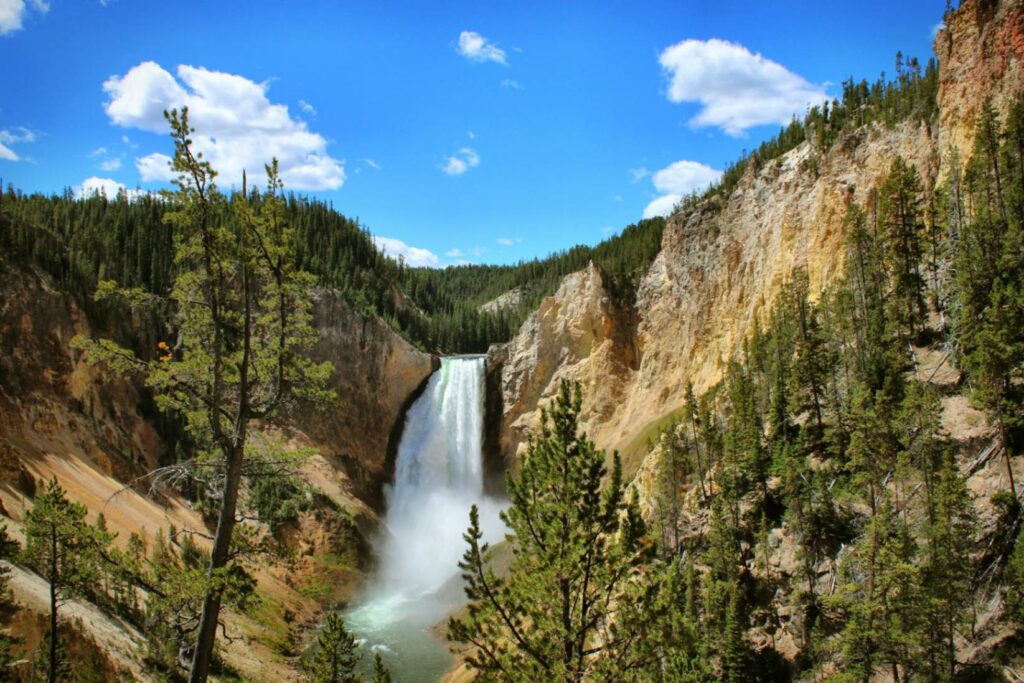
Old Faithful is the best-known attraction, but it is only a small part of the experience. Grand Prismatic Spring, the Grand Canyon of the Yellowstone, Mammoth Hot Springs, Hayden Valley and Lamar Valley all deserve time.
Plan your days by geographic area rather than trying to cross the entire park repeatedly. Distances are long, traffic can build around wildlife sightings, and scenic stops often take longer than expected.
Most roads are generally open to regular vehicles from spring through early November, while winter access is much more restricted. The route between the North Entrance and the northeast section is typically the only road open to ordinary traffic throughout the year, weather permitting.
The National Park Service recommends entering before 7 a.m. or after noon and avoiding the busiest attractions between roughly 10 a.m. and 4 p.m. during peak season.
Do not miss
- Old Faithful and Upper Geyser Basin
- Grand Prismatic Spring
- Lamar Valley
- Hayden Valley
- Yellowstone Lake
- Grand Canyon of the Yellowstone
Planning tip: Stay in more than one part of the park when possible. Changing accommodations can reduce daily driving considerably.
4. Yosemite National Park, California
Best for: Waterfalls, granite cliffs, photography and hiking
Recommended stay: 3–4 days
Yosemite National Park is one of the best vacation spots in the USA for travelers who want dramatic scenery without spending every day on a difficult trail.
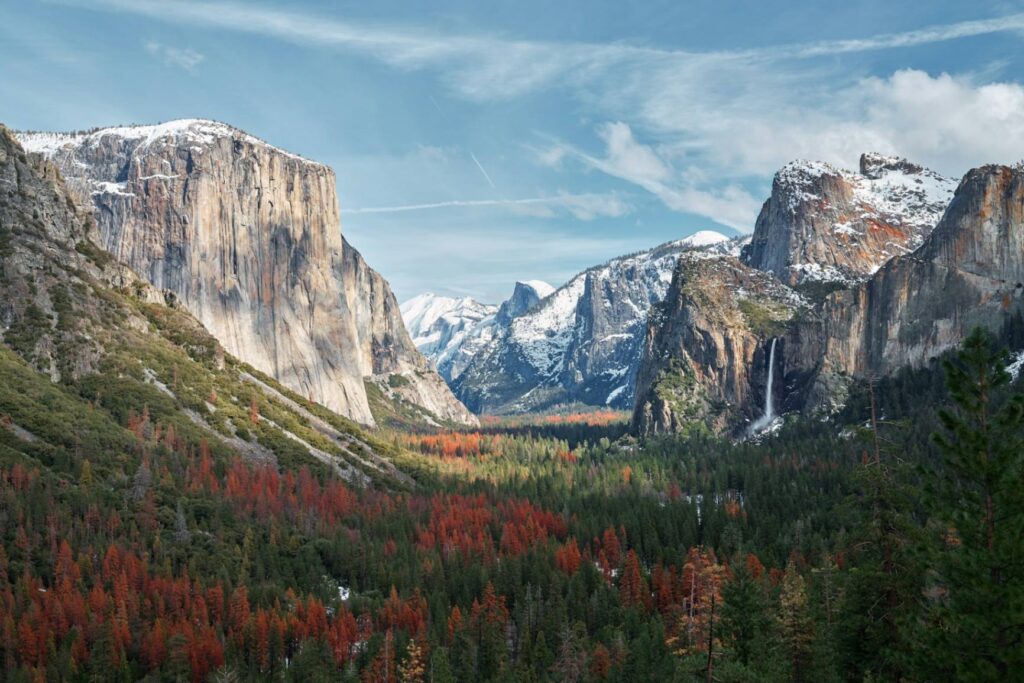
Yosemite Valley contains many of the park’s defining views: El Capitan, Half Dome, Bridalveil Fall and Yosemite Falls. Tunnel View offers the classic wide-angle scene, while Valley View is especially beautiful around sunrise or sunset.
The park covers nearly 1,200 square miles and extends far beyond the valley. Depending on seasonal road access, you can also visit Glacier Point, Tuolumne Meadows and Mariposa Grove.
Spring is especially appealing when waterfalls are powerful. Summer provides wider access to higher elevations but brings heavier crowds. Fall is quieter, although waterfalls may have less water. Winter transforms the valley but can introduce snow, storms and significant travel restrictions.
Yosemite does not require a vehicle-entry reservation in 2026, although separate permits or reservations are still necessary for certain activities, overnight stays and the Half Dome cables route.
Do not miss
- Tunnel View
- Yosemite Falls
- Glacier Point when accessible
- Mariposa Grove
- Mist Trail
- Sunset at Valley View
Planning tip: Arrive in Yosemite Valley early. Parking becomes more difficult as the day progresses, particularly during weekends and summer holidays.
5. Hawaii
Best for: Beaches, volcanoes, tropical scenery and couples
Recommended stay: 7–10 days
Hawaii combines relaxing beaches with some of the most distinctive landscapes in the United States. The biggest planning decision is choosing the right island rather than trying to visit too many.

Oahu works well for first-time visitors who want beaches, city amenities, cultural attractions and a broad choice of restaurants. Maui combines scenic drives, resorts and outdoor activities. The Island of Hawaii offers volcanic terrain and wide-open landscapes, while Kauai is known for lush cliffs, hiking and a quieter atmosphere.
A week is usually enough for one island. For two islands, allow at least nine or ten days so that flights, hotel changes and rental-car logistics do not consume too much of the trip.
Do not miss
- Waikiki and the North Shore on Oahu
- Hawaiʻi Volcanoes National Park
- The Nā Pali Coast on Kauai
- Haleakalā National Park
- Local food markets and small-town restaurants
- A snorkeling or sailing trip
Planning tip: Do not judge distances only by mileage. Island roads may be narrow, winding or slow, especially around popular coastal routes.
6. San Francisco, California
Best for: City views, architecture, food and coastal road trips
Recommended stay: 3–4 days
San Francisco is compact enough for a long weekend but varied enough to feel different from one neighborhood to the next.

The Golden Gate Bridge is the obvious starting point. Walk part of the bridge, see it from Crissy Field and visit a viewpoint in the Marin Headlands for a wider perspective.
Other highlights include Alcatraz Island, Chinatown, North Beach, the Ferry Building and the Painted Ladies. Riding a cable car is touristy, but it remains one of the most memorable ways to experience the city’s hills.
San Francisco also works as the beginning of a longer California itinerary. From here, travelers can continue toward Napa Valley, Point Reyes, Monterey, Big Sur or Yosemite.
Do not miss
- Golden Gate Bridge
- Alcatraz Island
- Ferry Building
- Chinatown and North Beach
- Lands End
- A ride on a historic cable car
Planning tip: Pack layers in every season. Conditions can change significantly between the waterfront, downtown and neighborhoods closer to the Pacific Ocean.
7. New Orleans, Louisiana
Best for: Live music, distinctive food and historic neighborhoods
Recommended stay: 3–4 days
New Orleans has one of the most recognizable personalities of any American city. Music spills out of small clubs, historic homes line shaded streets, and meals often become the main event of the day.

The French Quarter is essential, but Bourbon Street should not define the whole visit. Walk through the quieter residential blocks, visit Jackson Square and explore the Mississippi Riverfront.
Frenchmen Street is a better introduction to the local live-music scene for many visitors. The Garden District offers grand homes and oak-lined streets, while neighborhoods such as Marigny and Bywater reveal another side of the city.
Build your itinerary around food as much as sightseeing. Gumbo, jambalaya, po’boys, muffulettas, beignets and Creole dishes all tell part of the city’s story.
Do not miss
- French Quarter
- Frenchmen Street
- Garden District
- National WWII Museum
- A jazz performance
- A guided food or history tour
Planning tip: Summer can be extremely hot and humid. Winter and spring are generally more comfortable for long walking days.
8. Glacier National Park, Montana
Best for: Mountain scenery, alpine lakes and hiking
Recommended stay: 3–5 days
Glacier National Park is one of the most striking places to see in America, particularly for travelers who enjoy mountain roads and day hikes.
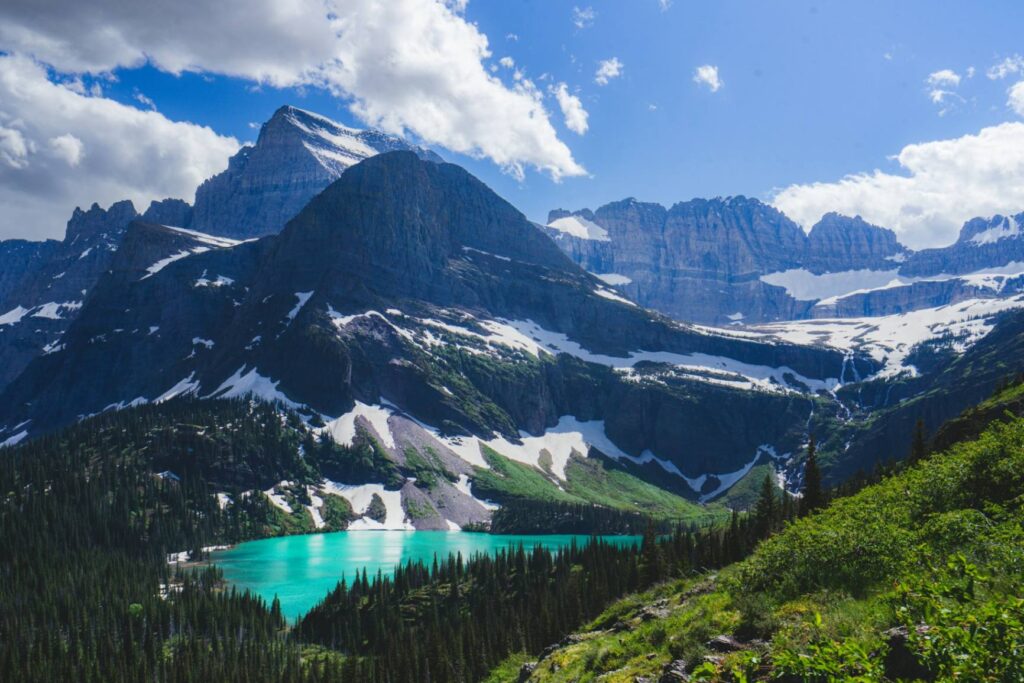
Going-to-the-Sun Road crosses the heart of the park and connects many of its most dramatic viewpoints. Stops around Logan Pass, Lake McDonald and St. Mary Lake make the drive a full-day experience rather than a simple route between two points.
The park is divided into distinct areas, including West Glacier, St. Mary, Many Glacier and Two Medicine. Many Glacier is particularly rewarding for hiking and wildlife viewing, but reaching it takes additional time.
Do not miss
- Going-to-the-Sun Road
- Logan Pass
- Lake McDonald
- Many Glacier
- Hidden Lake Overlook
- St. Mary Lake
Planning tip: Mountain weather changes quickly, and high-elevation roads may open late in the season. Verify access before building the entire itinerary around one route.
9. Charleston, South Carolina
Best for: Architecture, history, food and romantic weekends
Recommended stay: 3–4 days
Charleston combines preserved architecture, coastal scenery and one of the strongest food scenes in the American South.
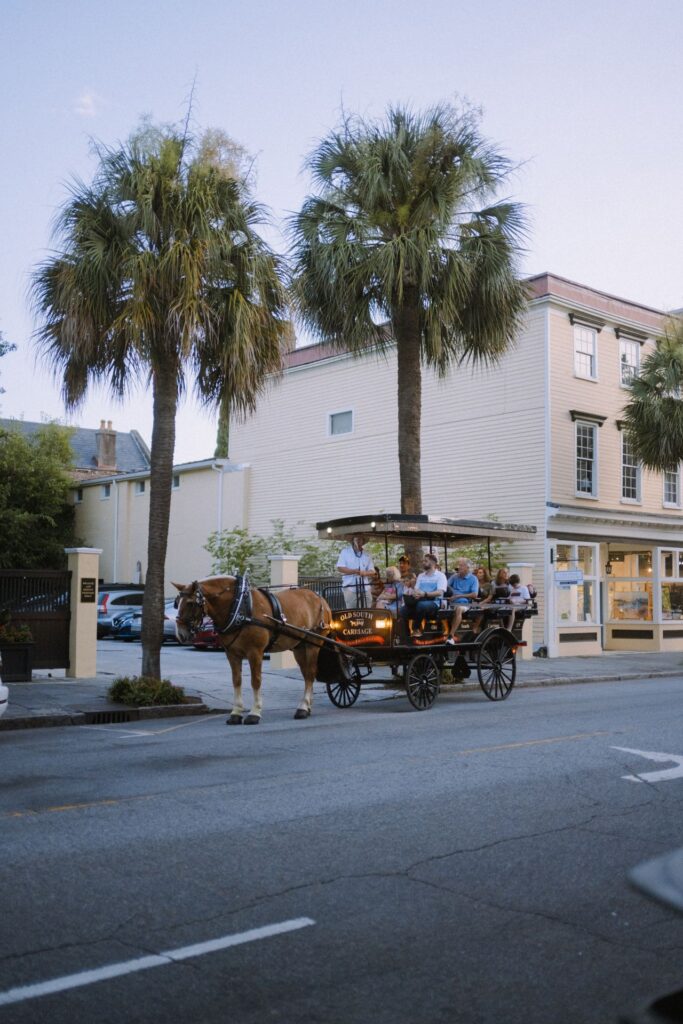
The historic district is easy to explore on foot. Rainbow Row, the Battery and the streets south of Broad are among the most photographed areas, but the small lanes, courtyards and churchyards are equally memorable.
A guided walking tour is worthwhile because much of Charleston’s story is not immediately visible from its attractive buildings. Choose a tour that discusses the city’s colonial history, African American heritage and role in the domestic slave trade rather than presenting only a romanticized version of the past.
Outside the center, visit one of the nearby beaches or continue to destinations such as Sullivan’s Island, Folly Beach or the marshes surrounding the city.
Do not miss
- The Battery
- Rainbow Row
- Waterfront Park
- Charleston City Market
- A historical walking tour
- A Lowcountry meal
Planning tip: Stay within or close to the historic district when possible. You will be able to reach many restaurants and landmarks without driving.
10. Las Vegas, Nevada
Best for: Entertainment, nightlife and desert day trips
Recommended stay: 3–4 days
Las Vegas is more versatile than its casino reputation suggests. The Strip delivers elaborate resorts, shows, restaurants and nightlife, while the surrounding desert provides an easy escape from the crowds.

Spend one day exploring the major resort areas, but avoid trying to walk the entire Strip in a single afternoon. Buildings that appear close together can be separated by long blocks, pedestrian bridges and resort interiors.
Downtown Las Vegas has a different atmosphere, with Fremont Street, historic casinos and newer restaurants. For outdoor scenery, Red Rock Canyon is close enough for a half-day trip.
Las Vegas also works as a base or gateway for Valley of Fire State Park, Death Valley, Zion National Park and the Grand Canyon.
Do not miss
- Bellagio fountains
- A major show or concert
- Fremont Street
- Red Rock Canyon
- The Neon Museum
- A day trip into the desert
Planning tip: Resort fees and parking charges can significantly change the final hotel cost. Compare the complete price rather than the advertised nightly rate.
11. Acadia National Park, Maine
Best for: Coastal hiking, scenic drives and fall travel
Recommended stay: 3–4 days
Acadia National Park combines rocky coastline, forest trails, mountain viewpoints and the charm of nearby Bar Harbor.
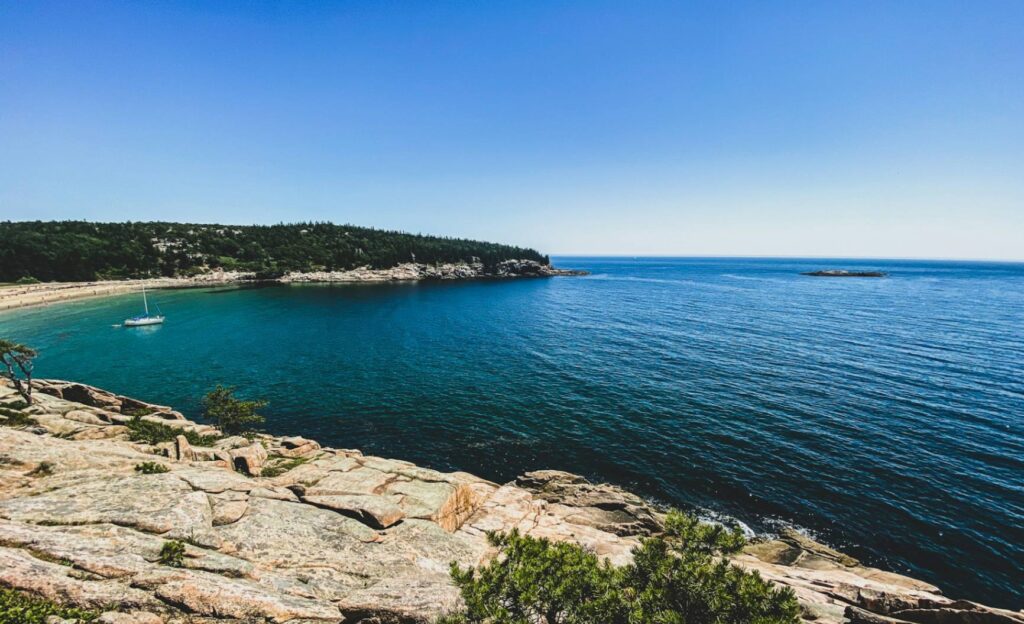
The Park Loop Road connects many of the best-known sights, including Sand Beach, Thunder Hole and Jordan Pond. Cadillac Mountain offers wide views across the islands and Atlantic coastline.
The park is compact compared with many western national parks, but summer traffic can slow travel. Use the seasonal Island Explorer shuttle when it fits your route.
Acadia is especially attractive in early fall, when cooler temperatures and changing leaves make hiking more comfortable. Bar Harbor provides restaurants, accommodations and boat tours just outside the park.
Do not miss
- Cadillac Mountain
- Jordan Pond
- Ocean Path
- Park Loop Road
- Bass Harbor Head Light
- Carriage roads
Planning tip: Reserve more than one morning for Cadillac Mountain-area views. Fog can completely hide the scenery on some days.
12. Washington, D.C.
Best for: Museums, monuments and American history
Recommended stay: 3–5 days
Washington, D.C. is one of the best places to visit in the USA for travelers who enjoy history and museums.
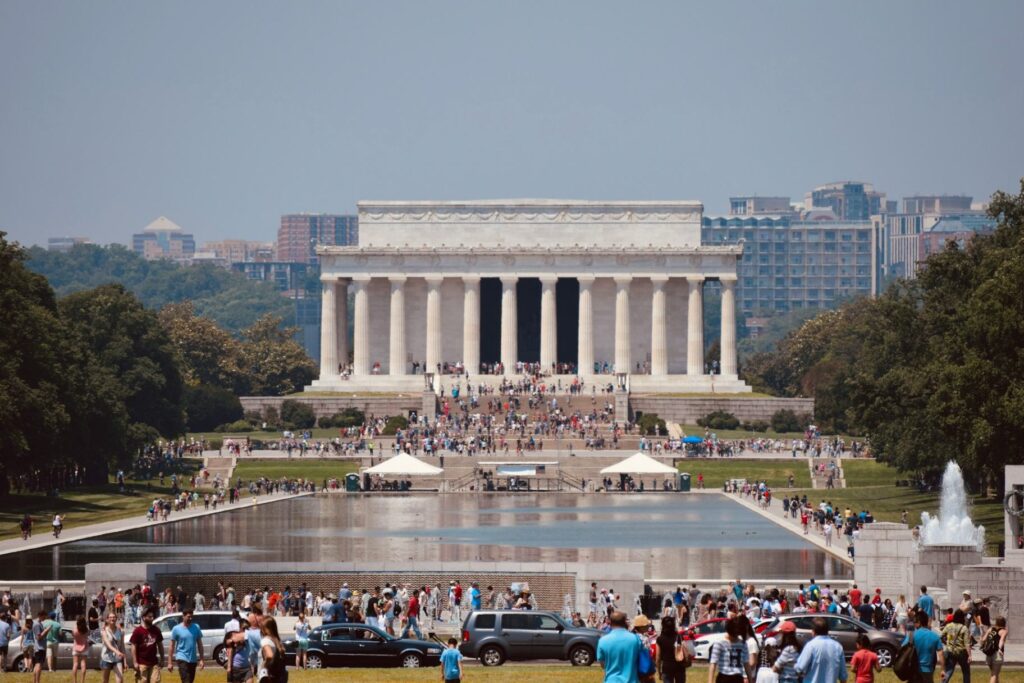
The National Mall connects many of the city’s major landmarks, including the Lincoln Memorial, Washington Monument, United States Capitol and several Smithsonian museums.
Because many museums have free admission, the city can offer excellent value compared with other major American destinations. However, popular institutions may still use timed-entry passes or advance reservations.
Beyond the Mall, explore Georgetown, Dupont Circle, Capitol Hill and the Wharf. Arlington National Cemetery is located across the Potomac River and can be combined with nearby memorials.
Do not miss
- Lincoln Memorial
- National Museum of American History
- National Museum of African American History and Culture
- United States Capitol area
- Library of Congress
- Georgetown
Planning tip: Do not schedule several large museums in one day. Two museums plus an outdoor monument walk is usually a more realistic pace.
13. Alaska
Best for: Wilderness, wildlife, glaciers and once-in-a-lifetime trips
Recommended stay: 7–14 days
Alaska is not a single destination but an enormous collection of regions that require careful planning. A first trip often combines Anchorage, the Kenai Peninsula and Denali, or focuses on a cruise through Southeast Alaska.
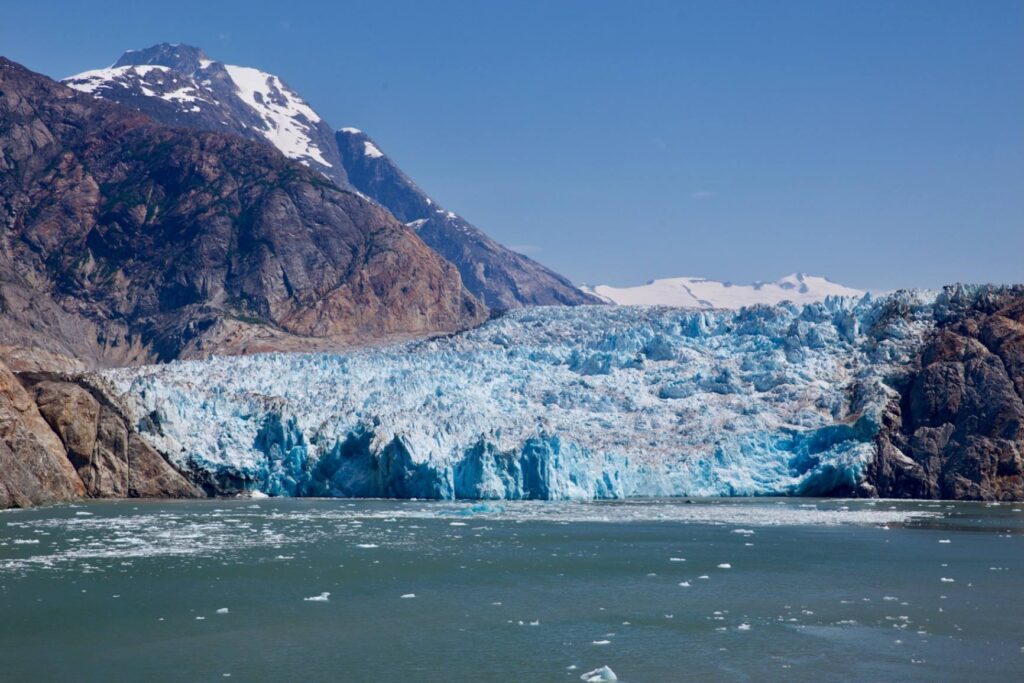
Travelers come for glaciers, whales, bears, mountain scenery and a sense of scale that is difficult to experience elsewhere in the country.
A road-based trip offers more flexibility and works well around Anchorage, Seward, Homer and Denali. Cruises provide easier access to coastal communities and glacier-filled waterways, although port time can be limited.
The best itinerary depends on your main goal. Wildlife viewing, hiking, fishing, rail travel and glacier excursions may lead to completely different routes.
Do not miss
- Kenai Fjords
- Denali region
- Alaska Railroad
- Prince William Sound
- Glacier viewing
- A guided wildlife excursion
Planning tip: Avoid filling every day with long-distance transfers. Alaska’s distances are substantial, and weather can delay flights, boats and excursions.
14. Florida Keys, Florida
Best for: Tropical road trips, snorkeling and relaxed vacations
Recommended stay: 4–7 days
The Overseas Highway turns the Florida Keys into one of the most distinctive road trips in the United States.

Key Largo is a popular base for diving and snorkeling. Islamorada has fishing, waterfront dining and a relaxed resort atmosphere. Marathon offers convenient access to beaches and family-friendly activities, while Key West combines historic homes, nightlife and sunset celebrations.
The drive from mainland Florida to Key West can technically be completed in a day, but rushing misses the point. Stop for seafood, short walks, bridges and waterfront views.
Do not miss
- Overseas Highway
- John Pennekamp Coral Reef State Park
- Seven Mile Bridge
- Bahia Honda State Park
- Key West Historic District
- Sunset at Mallory Square
Planning tip: Book accommodations before driving the full route. Lodging can be expensive and limited during holidays and peak winter periods.
15. Great Smoky Mountains National Park, Tennessee and North Carolina
Best for: Forest scenery, scenic drives and family trips
Recommended stay: 3–5 days
Great Smoky Mountains National Park is a strong choice for travelers who want an accessible national park vacation in the eastern United States.
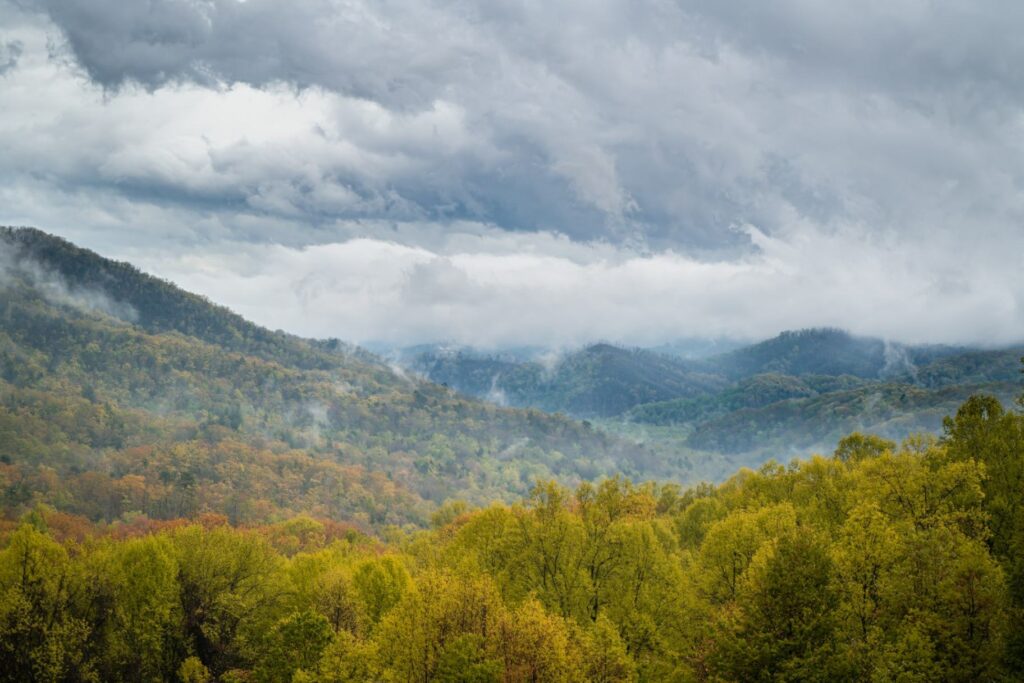
The park is known for forested ridgelines, misty valleys, waterfalls and historic buildings. Newfound Gap Road provides a scenic crossing between Tennessee and North Carolina, while Cades Cove combines wildlife viewing with preserved homes, churches and mountain scenery.
Popular trails range from short waterfall walks to longer climbs. Clingmans Dome—officially restored to its Cherokee name, Kuwohi—offers one of the broadest elevated views in the region.
Nearby Gatlinburg and Pigeon Forge provide extensive lodging and entertainment, while quieter communities on the North Carolina side offer a slower experience.
Do not miss
- Cades Cove
- Newfound Gap Road
- Kuwohi
- Roaring Fork Motor Nature Trail
- Laurel Falls area
- Historic cabins and churches
Planning tip: Start scenic drives early. Traffic around Cades Cove and the most popular trailheads can become heavy later in the day.
How to Choose the Right USA Bucket List Destination
The right destination depends less on which place is considered “the best” and more on the type of trip you want.
Choose New York City, New Orleans or Washington, D.C. when museums, food, architecture and culture matter most.
Choose Yellowstone, Yosemite, Glacier or the Grand Canyon for a national park adventure with unforgettable scenery.
Choose Hawaii or the Florida Keys for warm weather, beaches and water activities.
Choose Charleston or San Francisco for a shorter trip that combines strong food, walkable neighborhoods and nearby day trips.
Choose Alaska when you have more time and want the trip itself to feel like a major expedition.
Best Places to Visit in the USA by Season
Spring
Spring works particularly well for Washington, D.C., Charleston, New Orleans, the Grand Canyon and Yosemite Valley. Temperatures are often comfortable, although mountain roads may remain closed.
Summer
Summer offers the widest access to Glacier, Yellowstone, Alaska, Acadia and high-elevation parts of Yosemite. It is also the busiest and often most expensive period.
Fall
Fall is ideal for New York City, Acadia, the Great Smoky Mountains, San Francisco and many desert destinations. Cooler temperatures make city walking and hiking more enjoyable.
Winter
Winter is a good time for Hawaii, the Florida Keys, New Orleans and Las Vegas. Snow transforms mountain parks, but road closures and limited services require more preparation.
Practical Tips for Planning a USA Bucket List Trip
Do not combine too many regions
The United States is much larger than many first-time visitors expect. New York City, Yellowstone and the Grand Canyon cannot be combined casually without multiple flights and substantial travel time.
Build each trip around one region, or use a logical road-trip corridor.
Reserve national park lodging early
Hotels and campgrounds inside major parks frequently fill months ahead. Staying outside the entrance can work, but it may add one or two hours of driving each day.
Check official conditions
Road access, trail closures, wildfire conditions, snow and permit rules can change. Check official park and transportation websites shortly before departure.
Leave room for weather
Outdoor destinations are rarely predictable enough for a minute-by-minute itinerary. Add a flexible day or create backup options for poor visibility, storms or extreme temperatures.
Plan around experiences, not checklists
Seeing five viewpoints quickly is not always better than spending an afternoon on one trail, beach or neighborhood. The most memorable trips usually include some unstructured time.
Read More: After exploring these unforgettable trips, you might also be interested in discovering some truly 10 Unique Travel Destinations in the USA That Feel Unreal for an otherworldly experience.
Final Thoughts
The best places to visit in the USA reveal how varied one country can be. New York City delivers constant energy, Yellowstone feels almost otherworldly, Hawaii offers tropical landscapes, and the Grand Canyon makes even experienced travelers stop and stare.
You do not need to see every destination in one journey. Start with the experience that excites you most, give it enough time, and build the rest of the itinerary around it.
Whether your bucket list begins with a sunrise over the Grand Canyon, live jazz in New Orleans or a drive through the mountains of Glacier National Park, the United States offers enough variety for a lifetime of trips.
Frequently Asked Questions
What is the number one place to visit in the USA?
There is no single destination that works for everyone. New York City is one of the strongest choices for culture and landmarks, while Yellowstone, Yosemite and the Grand Canyon are better for natural scenery.
What are the best places to visit in the USA for first-time travelers?
New York City, Washington, D.C., the Grand Canyon, San Francisco and one major national park make excellent first-time choices because they offer recognizable landmarks and straightforward travel infrastructure.
What are the best vacation spots in the USA for couples?
Hawaii, Charleston, New Orleans, San Francisco and the Florida Keys are particularly suitable for couples because they combine scenery, restaurants and memorable activities.
Which US national park should I visit first?
Yosemite is a good first national park for waterfalls and accessible viewpoints. Yellowstone is best for wildlife and geothermal scenery, while the Grand Canyon works well for a shorter national park trip.
How many days are needed for a USA vacation?
Allow at least seven to ten days for a regional trip. Two weeks provides more flexibility for a road trip or a combination of several nearby destinations.
What is the best month to travel around the USA?
September is one of the most versatile months. Many destinations have pleasant weather, summer crowds begin to decline, and mountain regions are often still accessible. Conditions vary considerably by region, so the best month depends on the route.