Affiliate Note: Some links may be affiliate links. We may earn a small commission at no extra cost to you, and we only share recommendations we believe are useful.
Why the Right Travel Essentials Make Every Vacation Easier
A vacation is supposed to feel like an escape, not a traveling obstacle course. Yet plenty of trips begin with frantic suitcase searches, missing chargers, forgotten medication, airport purchases that cost three times what they should, and the uncomfortable realization that the one thing you desperately need is sitting safely on your bathroom counter at home. The good news? A smoother trip rarely requires packing more. It requires packing more intentionally. The best travel essentials are the items that solve predictable problems before those problems have a chance to interrupt your vacation.
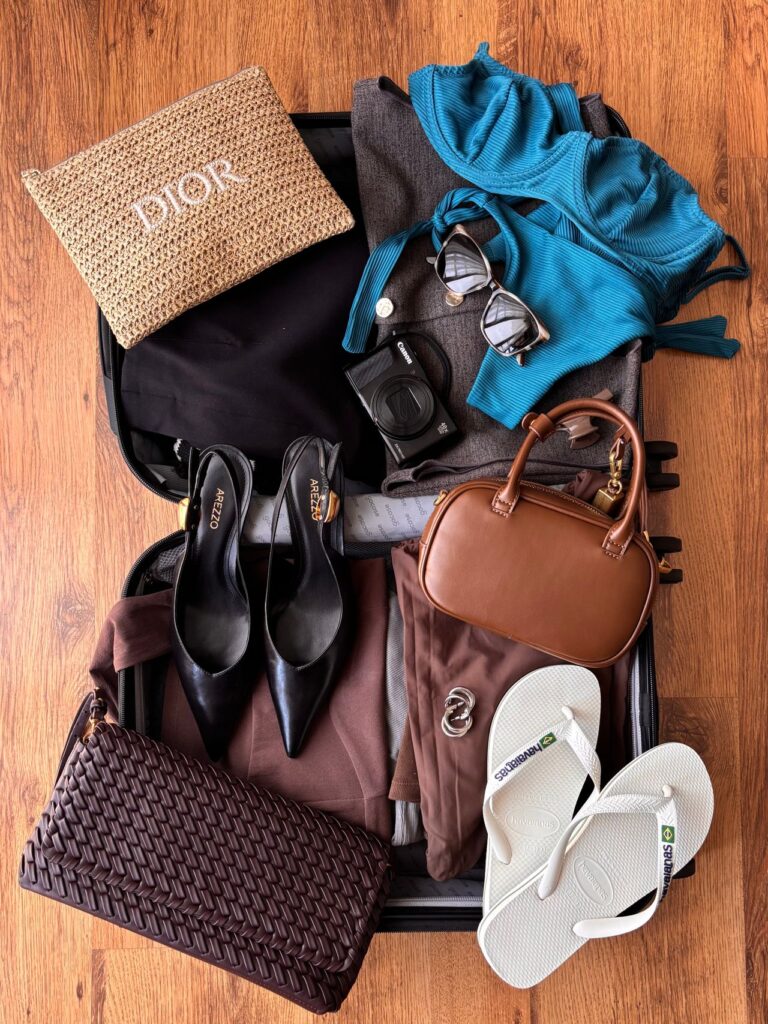
Think about packing like building a small safety net around your trip. Your passport keeps the journey moving, a reliable charger keeps your digital life functioning, a water bottle helps you stay comfortable, and a backup payment method protects you when a card suddenly decides not to cooperate. None of these items feels particularly glamorous while you're packing them, but they can become priceless at exactly the right moment. That is the difference between filling a suitcase and preparing intelligently.
This guide covers 10 travel essentials for a smooth, stress-free vacation, whether you're heading to a tropical resort, exploring a busy city, traveling internationally, taking a road trip, or escaping for a quiet weekend. You'll also learn what belongs in your carry-on, how to reduce unnecessary luggage, and how to build enough flexibility into your packing system to handle the little surprises that inevitably appear.
The goal is not to prepare for every imaginable disaster. You don't need to pack as though you're establishing a new civilization on another continent. Instead, you want a compact collection of dependable items that covers your identity, comfort, health, money, communication, hydration, and emergency needs. Get those basics right, and you'll have far more mental space for the reason you're traveling in the first place: enjoying yourself.
Table of Contents
1. Travel Documents and Secure Digital Backups
Your clothes can be replaced. Your toothbrush can be replaced. Even a lost charger is usually just an inconvenience. Travel documents belong in a different category because losing access to them can affect flights, border crossings, hotel check-ins, rental vehicles, insurance claims, and the ability to prove your identity. For that reason, travel documents should sit at the top of any vacation packing checklist, especially for international travel.
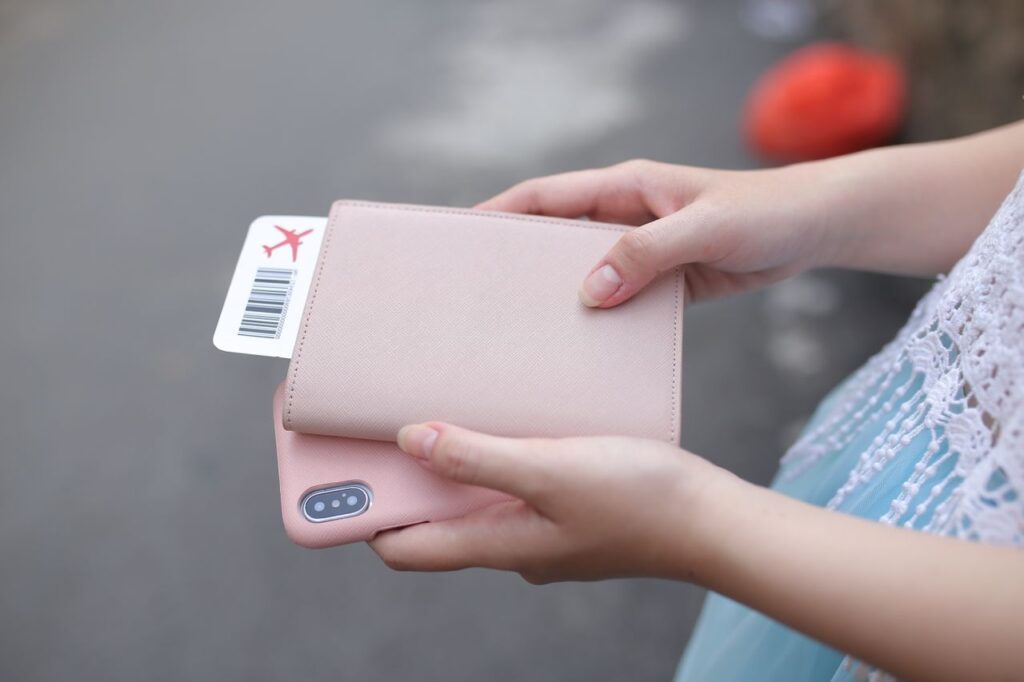
Your exact document set will depend on the destination, but it may include a passport, government-issued identification, visa or entry authorization, driver's license, insurance information, transportation reservations, accommodation confirmations, and any documentation required for medications or special circumstances. Check your passport's expiration date well before departure because some destinations require it to remain valid for a specific period beyond your travel dates. Entry rules can change, so destination-specific requirements should always be verified through official government and transportation sources before traveling.
Digital redundancy makes the system significantly stronger. Keep secure electronic copies of essential documents somewhere you can access even if your physical wallet or bag disappears. A password-protected cloud account is generally more useful than keeping the only copies on the same phone you might lose. You can also share appropriate copies or itinerary details with a trusted person at home. Avoid casually storing sensitive identity documents in unsecured photo galleries, public computers, or unprotected email accounts.
Organization is just as valuable as duplication. Use one dedicated passport wallet, zippered compartment, or document organizer instead of scattering papers between different luggage pockets. During transit, keep essential identity documents with you rather than inside checked luggage. The system should be simple enough that you could find your passport while tired, distracted, and standing in a crowded terminal.
Before leaving home, perform one final document check rather than relying on memory. Physically touch each crucial item: passport, identification, wallet, required travel authorization, and reservation information. It sounds almost comically simple, but that ten-second ritual can prevent one of the most stressful ways to begin a vacation.
2. Lightweight, Reliable Luggage

Luggage is more than a container; for several days or weeks, it becomes the mobile infrastructure of your trip. Poorly designed luggage turns stairs, railway platforms, narrow hotel corridors, cobblestone streets, and crowded transportation into unnecessary workouts. Reliable luggage, by contrast, fades into the background. It rolls when you want it to roll, fits where it should fit, protects your belongings, and doesn't force you to wrestle with broken handles on the first day of vacation.
Choose your suitcase based on the trip rather than automatically reaching for the largest bag you own. A short urban vacation may be easier with a carry-on suitcase and personal item, while an extended trip involving special equipment or colder clothing may justify checked luggage. Pay attention to airline baggage size and weight limits, particularly when flying with multiple carriers because policies can differ. A lightweight empty suitcase is especially helpful because every kilogram or pound of luggage construction subtracts from what you can actually pack.
Internal organization is where packing cubes can become surprisingly useful. They don't magically make an unlimited amount of clothing fit into a tiny bag, but they do separate categories and reduce the daily suitcase explosion. Instead of excavating half your luggage to find one shirt, you can keep tops in one cube, undergarments in another, and miscellaneous items in a smaller pouch. Compression cubes can reduce bulk for soft garments, although they don't reduce weight, an important distinction if your airline has strict baggage limits.
Durability matters more than cosmetic perfection. Look for strong zippers, sturdy handles, reliable wheels, reinforced seams, and construction appropriate for your travel style. Hard-shell luggage offers useful structure, while soft-sided designs can provide external pockets and a little more flexibility. Neither is universally superior.
Most importantly, leave some space. A suitcase packed like a pressure vessel before departure gives you nowhere to put souvenirs, snacks, purchases, or clothing you repack less elegantly on the return journey. A little unused capacity can make your entire trip feel easier.
3. A Compact Toiletry and Personal-Care Kit
A well-built travel toiletry kit should feel like a miniature version of your normal routine, not a portable bathroom cabinet. The temptation is to pack for every possible personal-care scenario, especially when you have a large collection of products at home. The result is often a heavy pouch filled with bottles you barely use. Instead, focus on products you use consistently and quantities that realistically match the length of your vacation.
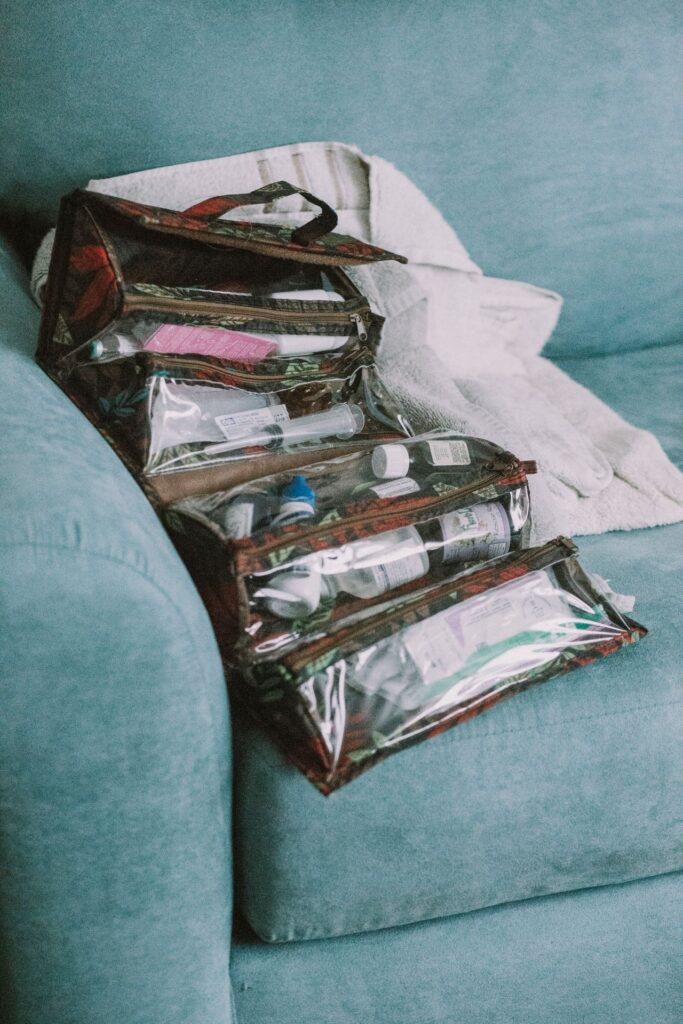
Common essentials include a toothbrush, toothpaste, deodorant, face cleanser, moisturizer, sunscreen, hair-care products, basic grooming items, and any personal hygiene products you depend on. Refillable travel containers can dramatically reduce bulk if you don't need full-size bottles. For air travel, remember that security restrictions may apply to liquids, aerosols, gels, creams, and pastes in cabin baggage, and rules can vary by airport or country. Check the requirements of the relevant airport or security authority before departure rather than assuming the regulations you remember from a previous trip are still identical.
Leak protection deserves more attention than it usually receives. Air-pressure changes, loose caps, and luggage being stored at strange angles can transform shampoo into an enthusiastic suitcase-wide participant. Tighten lids, use reliable containers, and place potentially messy liquids inside a sealed or water-resistant pouch. Keeping toiletries separate from electronics and important documents adds another layer of protection.
Try to avoid creating an enormous “just in case” collection. Hotels frequently provide some basics, and everyday products can usually be purchased at your destination. The exceptions are specialized products your skin, hair, or health genuinely depends on. If replacing a particular item would be difficult or disruptive, bring enough from home.
One practical trick is to maintain a partially stocked travel toiletry bag between trips. When the essentials already have a dedicated place, packing becomes faster and the odds of forgetting something decrease. Just check expiration dates and refill low containers before departure. Your future self, getting ready for an early flight, will be extremely grateful.
4. Essential Travel Technology and Charging Gear
Modern travel has quietly become dependent on a small ecosystem of electronics. Your phone may contain boarding passes, hotel confirmations, maps, ride-hailing apps, translation tools, banking access, restaurant reservations, photographs, and emergency contacts. When its battery disappears, several unrelated conveniences can disappear with it. That makes a compact travel tech kit one of the most valuable things you can pack.
Start with the obvious equipment: your phone, charging cable, and wall charger. Then consider the devices you'll genuinely use, such as wireless earbuds, a tablet, e-reader, camera, smartwatch, or laptop. The key word is genuinely. Electronics create weight quickly, and traveling with three devices that perform nearly the same job often means spending more time protecting and charging equipment than enjoying it.
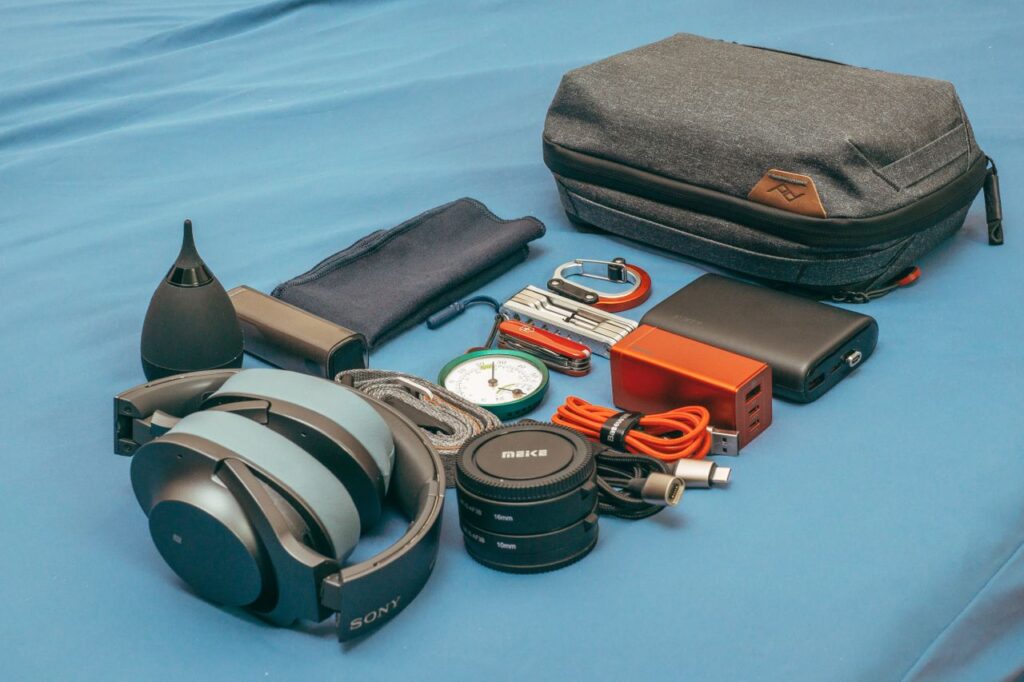
For international trips, investigate the plug types and electrical standards used at your destination. A universal travel adapter can be useful across multiple countries, but remember that a plug adapter and a voltage converter are not the same thing. An adapter changes the physical connection; it does not automatically make incompatible electrical devices safe to use with another voltage. Many modern phone and laptop chargers support a broad input-voltage range, but you should check the specifications printed on your actual equipment before plugging it in.
A compact power bank is another excellent addition for long travel days. Navigation, photography, mobile data, and video can drain a battery much faster than normal daily use. Airlines often have specific safety rules governing spare lithium batteries and power banks, including where they may be carried and capacity restrictions, so verify your carrier's current policy before flying.
For international travel, arranging mobile data before departure can make maps, messaging, translation apps, and booking confirmations easier to access as soon as you arrive. Setting up an Airalo eSIM before the trip can be more convenient than searching for a physical SIM card after landing.
Finally, simplify your cable situation. A small cable organizer or zippered pouch prevents chargers from becoming a knot at the bottom of your backpack. Label similar-looking adapters if necessary, download essential offline maps or reservation details before departure, and install software updates while you're still on reliable home Wi-Fi. Technology should support the trip rather than becoming another thing that needs constant management.
5. A Practical Health and First-Aid Kit
You don't need to carry a miniature emergency department in your suitcase, but a small travel first-aid kit can save an enormous amount of inconvenience. Travel exposes you to unfamiliar food, disrupted sleep, long walking days, changing weather, different environments, and minor injuries that seem to appear precisely when the nearest pharmacy is closed. Having a few familiar supplies available lets you deal with simple problems quickly and get back to your vacation.
Start with any prescription medications you require. These are far more important than generic first-aid supplies because replacement abroad may be difficult, restricted, or impossible without local medical assistance. Keep essential medication in your carry-on rather than checked luggage, and consider bringing an appropriate buffer in case your return is delayed. Depending on the medication and destination, documentation or restrictions may apply, particularly for controlled substances. Check official destination requirements before traveling and keep medicines appropriately labeled.
A basic personal kit might include adhesive bandages, blister treatment, antiseptic wipes, pain relief you normally tolerate, medication for motion sickness or digestive discomfort if relevant, and any allergy products you routinely use. Your personal health history should shape the kit. Someone prone to migraines will pack differently from someone managing seasonal allergies or sensitive skin.
Sun and insect protection belong in the health category too. Appropriate sunscreen, insect repellent, lip protection, and after-sun care may be more useful on certain trips than half the items in a conventional first-aid box. Climate and itinerary matter. Hiking through humid forests creates different needs from spending a weekend at an indoor conference.
Avoid treating a travel kit as a substitute for medical care. Serious symptoms, injuries, allergic reactions, or illness need qualified professional attention. Before international travel, it can also be useful to research how emergency care works at your destination and whether any health precautions or recommended vaccinations apply. A good health kit handles the small disruptions; good planning helps you respond appropriately when the problem isn't small.
6. Comfort Essentials for Flights, Trains, and Long Journeys
The difference between an exhausting travel day and a tolerable one can come down to a handful of small comfort items. Airports are noisy, plane cabins can be chilly, train seats aren't always designed with human anatomy in mind, and an overnight journey can turn eight ordinary hours into what feels like a minor geological era. Travel comfort essentials won't turn economy seating into a luxury hotel, but they can make your body much happier when the journey stretches on.

A supportive travel pillow is useful if you can actually sleep with one. This sounds obvious, yet many travelers pack bulky pillows because travel checklists tell them to, then never use them. Inflatable or compressible options are attractive when space matters. An eye mask can help with bright cabins or accommodation where curtains aren't as effective as advertised, while earplugs or noise-reducing headphones can create a small bubble of calm during crowded transportation.
Layers are equally valuable. Temperature varies dramatically between departure points, aircraft cabins, outdoor transfers, and destinations. A light sweater, hoodie, shawl, or packable jacket gives you control without requiring an entirely separate outfit. Comfortable socks can make long flights more pleasant, and loose-fitting clothing generally handles extended sitting better than something you spend six hours adjusting.
Think about sensory comfort as well. Download a playlist, audiobook, movie, or book before departure instead of assuming entertainment will always be available. Pack a pen if arrival paperwork may be required. Keep lip balm and a small permitted moisturizer accessible on dry journeys. These tiny choices can have an outsized effect because discomfort accumulates. One minor irritation barely matters; five simultaneous irritations can make a short journey feel miserable.
The best comfort kit is personal. If neck pillows annoy you, leave yours at home. If silence matters more than sleep, prioritize good headphones. If you get cold easily, bring an extra layer. Packing for comfort works best when you stop following generic advice blindly and pay attention to what actually bothers you during travel.
7. Secure Money, Cards, and a Backup Payment Method
Few travel problems create instant anxiety quite like being unable to access money. Cards can be declined, ATMs can malfunction, digital wallets may not work everywhere, and a misplaced wallet can turn an ordinary sightseeing day into a stressful logistical problem. The solution isn't carrying a giant pile of cash. It's building payment redundancy so one failure doesn't remove every financial option at once.
Bring at least one primary payment method and, when possible, a separate backup. If you travel with multiple cards, storing them in different secure locations can reduce the impact of losing a wallet. A backup card sitting directly beside your primary card isn't much of a backup if the entire wallet disappears. Depending on the destination, carrying a modest amount of local currency can also be useful for transportation, tips, small businesses, markets, or systems that don't accept your preferred payment method.
Before traveling, understand your card's foreign transaction fees, ATM fees, and relevant security features. Some financial institutions allow travel-related controls or instant card locking through their apps. Make sure you can access whatever authentication method your bank requires while abroad. If account recovery depends entirely on a phone number or device you cannot access, a simple card issue can become more complicated than necessary.
Physical security deserves a sensible middle ground. You don't need to walk through every destination clutching your wallet like a priceless artifact, but crowded attractions and public transportation justify awareness. Use bags that close securely, avoid flashing large quantities of cash, and don't leave financial items unattended in easily accessible places. Hotel safes or other secure storage may be appropriate for backups, depending on the situation.
Digital security is part of financial preparation too. Use device locks, strong account security, and caution on unfamiliar networks. Avoid entering sensitive financial information on random shared computers. Money is most useful when you don't have to think about it constantly, and a resilient payment setup gives you exactly that freedom.
8. A Reusable Water Bottle and Travel-Friendly Snacks
Travel has a remarkable ability to disrupt the routines that normally keep you comfortable. You leave home before breakfast, spend hours in transit, walk farther than expected, and suddenly realize at 3:30 p.m. that your body has been operating on one coffee and airport optimism. A reusable water bottle and a small supply of practical snacks can prevent that familiar crash and keep your energy much steadier throughout the day.
An empty reusable bottle is particularly useful during air travel because you can often take it through security empty and fill it afterward where safe drinking water is available. Once you reach your destination, however, confirm that local tap water is safe to drink before refilling from an ordinary faucet. Water quality and traveler guidance differ substantially around the world. In destinations where tap water isn't recommended, use an appropriate safe source rather than assuming your usual routine applies.
Choose a bottle that fits your actual travel style. An enormous insulated bottle may keep water cold beautifully but become annoying after several hours of carrying it. A lightweight bottle is easier for sightseeing, while a collapsible option saves space when empty. Leak resistance is non-negotiable if the bottle will share a backpack with electronics or documents.
Snacks deserve similar practicality. Nuts, protein bars, crackers, dried fruit, or other shelf-stable foods can bridge awkward gaps between meals. Be mindful of allergies and any destination restrictions on bringing agricultural or food products across borders. Fresh produce, meats, seeds, and similar items can be regulated or prohibited, particularly on international trips, so check customs requirements before carrying food into another country.
The goal isn't to replace the joy of eating locally. Quite the opposite. Emergency snacks stop you from choosing the first mediocre meal you see simply because you're starving. When your basic hunger and hydration are handled, you can take your time finding the café, market stall, or restaurant you actually wanted to experience.
9. A Versatile Day Bag for Sightseeing
Your suitcase does the heavy lifting between destinations, but your travel day bag is the item you'll interact with constantly. It holds your phone, wallet, water, sunglasses, tickets, sunscreen, camera, light layer, snacks, and all the small objects that migrate in and out of your hands while you're exploring. Choosing the wrong one can mean sore shoulders, constant rummaging, or worrying about security. The right bag becomes almost unnoticeable.
Start with size. Bigger isn't automatically better. An oversized backpack invites you to carry unnecessary weight, while an extremely small bag can force you to leave useful items behind. For most sightseeing days, you want enough room for the essentials plus a little extra space for a small purchase or removed clothing layer. Compartments help prevent the bottom of the bag from becoming an archaeological site of receipts, charging cables, and lip balm.
Security features can be useful in crowded environments, although common sense matters more than gimmicks. Zippers, interior pockets, and a design that stays reasonably close to your body can make opportunistic access more difficult. Crossbody bags distribute access differently from backpacks, while small backpacks may feel more comfortable over long walking distances. The ideal choice depends on your body, destination, and itinerary.
Comfort should be tested before the vacation. Load the bag with roughly what you plan to carry and wear it around for an hour. A strap that feels fine for five minutes may become irritating after an afternoon of museums and neighborhoods. Adjustable straps and lightweight materials make a noticeable difference.
Weather resistance is another useful feature. A sudden rain shower shouldn't immediately threaten your passport, phone, or camera. You don't necessarily need a fully waterproof expedition pack, but water-resistant material or a small rain cover can offer peace of mind. The best day bag is essentially a portable command center: organized enough to find things quickly, light enough to forget you're wearing it, and secure enough to let you focus on where you're going.
10. Travel Insurance and Emergency Information
Travel insurance is one of those purchases you hope becomes completely unnecessary. Nobody comes home excited because they paid for coverage they never used, yet that's actually the ideal outcome. Its purpose is to protect against potentially expensive or disruptive situations that fall outside the comfortable assumptions of a normal vacation. Depending on the policy, coverage may address certain medical emergencies, cancellations, interruptions, delays, baggage problems, or other specified events.
The phrase travel insurance covers many different products, so don't assume every policy includes the same protections. Read the terms, exclusions, deductibles, benefit limits, and claim requirements before purchasing. If you have pre-existing medical conditions, plan adventurous activities, rent vehicles, take cruises, or travel to remote destinations, those details may affect which coverage is appropriate. Some benefits may already exist through a credit card, health plan, employer, or other service, but the scope can vary dramatically.
If you still need coverage for the trip, you can review an EKTA travel insurance plan alongside other options, paying particular attention to medical coverage, exclusions, benefit limits, deductibles, and claim requirements.
Emergency information belongs beside your insurance planning. Keep the relevant policy number and assistance contact details somewhere accessible. Save the address and phone number of your accommodation, emergency contacts at home, and appropriate local emergency numbers. International travelers may also want the contact information for their embassy or consular services. Don't store every critical detail exclusively on a phone that could run out of battery, break, or disappear.
A small printed emergency card can be surprisingly valuable. Include important contact information and, when medically appropriate, essential allergy or health information someone might need if you cannot easily communicate. Keep sensitive information limited to what is genuinely useful and protect private details appropriately.
Insurance doesn't remove risk, and it certainly doesn't guarantee that every unfortunate situation will be reimbursed. What it can do is provide a structured source of help when an eligible problem occurs. Combined with accessible emergency information, it turns a vague “I hope nothing goes wrong” approach into a more resilient plan.
Carry-On vs. Checked Luggage: Where Your Essentials Belong
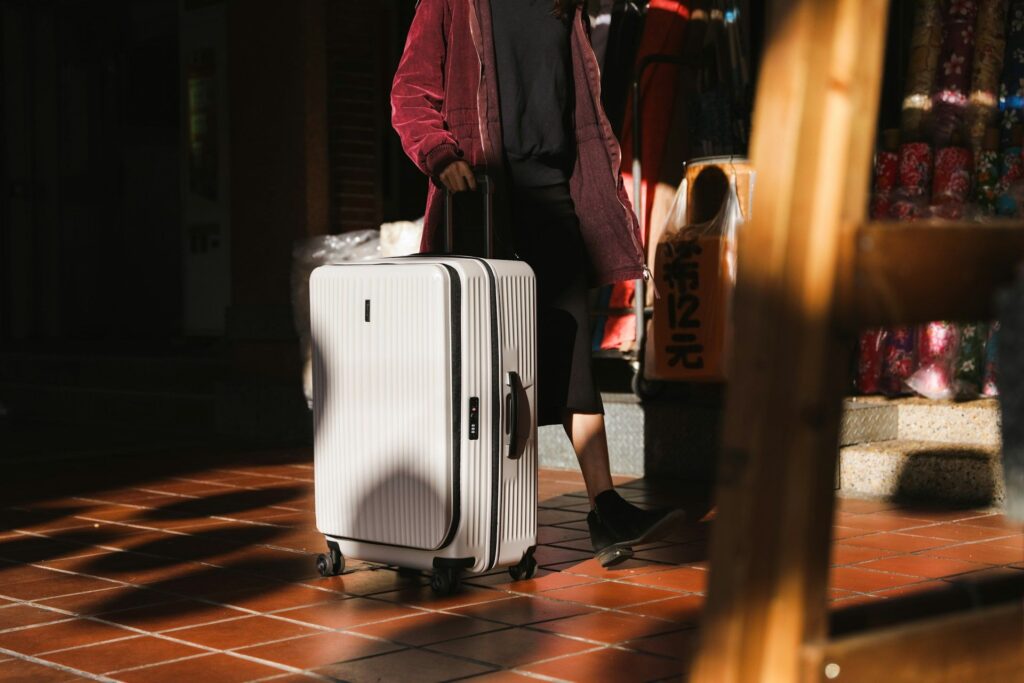
Packing the right items matters, but where you pack them can matter just as much. Imagine arriving at your destination while your checked suitcase decides to take an unscheduled vacation somewhere else. If your passport, medication, charger, clean underwear, and every payment method are inside that suitcase, a baggage delay becomes dramatically more stressful. A smart carry-on strategy protects the things you can't comfortably spend a day or two without.
Critical travel documents, required medication, valuables, keys, payment methods, essential electronics, and other difficult-to-replace belongings should generally remain with you when permitted. It's also wise to keep enough basic personal items to survive a baggage delay. That might mean a change of underwear, a lightweight shirt, permitted toiletries, and anything essential to your immediate comfort or health. Travelers heading directly to an important event may want to keep the necessary outfit or key clothing in cabin baggage when practical.
Checked luggage is better suited to replaceable items that are allowed under transportation rules and aren't urgently needed during transit. Most clothing, extra shoes, and larger permitted toiletries often fit naturally there. Always check airline and security regulations because some items are restricted, prohibited, or specifically required to travel in either cabin or checked baggage.
Item | Carry-On | Checked Bag |
|---|---|---|
Passport and identification | Yes | Avoid |
Essential medication | Yes | Avoid when possible |
Phone and primary charger | Yes | Avoid |
Backup payment method | Yes, securely | Generally avoid |
One change of basic clothing | Recommended | Additional clothing |
Large permitted toiletries | If within cabin rules | Usually more practical |
Valuable electronics | Prefer carry-on | Avoid when possible |
Nonessential clothing and shoes | Limited quantities | Yes |
Remember that cabin baggage policies differ between airlines, ticket classes, aircraft types, and routes. Your perfect packing system only works if the bag is actually allowed onboard. Before leaving, verify size, weight, liquid, battery, and restricted-item rules with the companies and authorities relevant to your journey.
Conclusion: Pack Smarter and Enjoy the Journey
A stress-free vacation doesn't begin with owning the fanciest suitcase, buying every gadget promoted on social media, or preparing for an improbable catalogue of disasters. It begins with covering the fundamentals well enough that ordinary travel problems stay ordinary. Your 10 core travel essentials—documents, reliable luggage, toiletries, technology, health supplies, comfort gear, secure payment options, hydration and snacks, a versatile day bag, and appropriate insurance information—create the practical foundation.
The most useful packing mindset is simple: protect what is difficult to replace, organize what you'll use frequently, and question everything else. If an item is heavy, bulky, easy to buy at your destination, and unlikely to be used, it probably doesn't deserve prime suitcase space. If something protects your health, identity, finances, communication, or ability to continue the trip, it deserves much more attention. This is why a tiny backup bank card can be more valuable than three extra outfits, and why a phone charger matters more than another pair of “maybe I'll wear these” shoes.
Good packing also becomes easier through repetition. Save a master vacation packing checklist on your phone. Keep a dedicated toiletry pouch. Store travel adapters and cables together. After each trip, make a note of what you wished you'd packed and what never left your suitcase. Within a few vacations, you'll have a personalized system that fits your habits far better than any generic packing list.
And remember that a little imperfection is completely normal. You may forget something eventually. Weather may change, a restaurant may close, or transportation may be delayed despite flawless preparation. The purpose of packing intelligently isn't to control every minute of the vacation. It's to give yourself enough flexibility that small surprises don't hijack the experience.
Pack the essentials, leave a little room in the suitcase, and leave even more room in the itinerary. The best travel memories usually aren't created by the objects you carried with you. They're created because you were prepared enough to stop worrying about those objects and pay attention to where you were.
Find Cheaper Flights for Your Vacation
If your vacation starts with a flight, comparing routes and fares before booking can help you see whether changing the departure time, airport, or connection produces a better option. You can compare flight options with Aviasales before choosing your itinerary.
Frequently Asked Questions
What Are the Most Important Travel Essentials to Pack?
The most important items are travel documents, medication, money, phone, charger, basic toiletries, comfortable clothing, and a backup payment method. Keep critical items in your carry-on so they stay accessible.
How Can I Avoid Overpacking for a Vacation?
Pack clothes that mix and match, limit shoes, and bring only items you know you will use. Check your itinerary before packing and remove duplicate or “just in case” items.
What Should Always Be Packed in a Carry-On Bag?
Keep your passport, wallet, medication, phone, charger, valuables, and one change of clothes in your carry-on. These items are especially important if checked luggage is delayed.
How Early Should I Start Packing for a Trip?
Start planning about a week before departure and pack most items one or two days before leaving. This gives you enough time to replace anything missing.
What Travel Items Are Commonly Forgotten?
Commonly forgotten items include chargers, toothbrushes, medication, sunglasses, travel adapters, headphones, and reusable water bottles. A simple packing checklist helps prevent last-minute mistakes.