Affiliate Note: Some links may be affiliate links. We may earn a small commission at no extra cost to you, and we only share recommendations we believe are useful.
Why These 5 Travel Essentials for Women Matter on Every Trip
Packing for a trip often turns into a battle between preparation and overpacking. You want enough clothing, toiletries, technology, and backup items to feel ready for anything, but you also want to avoid dragging a suitcase that feels as if you packed your entire apartment. That is why choosing the right travel essentials for women matters more than bringing a large number of things. A handful of well-chosen items can solve several problems at once and work across very different types of travel.
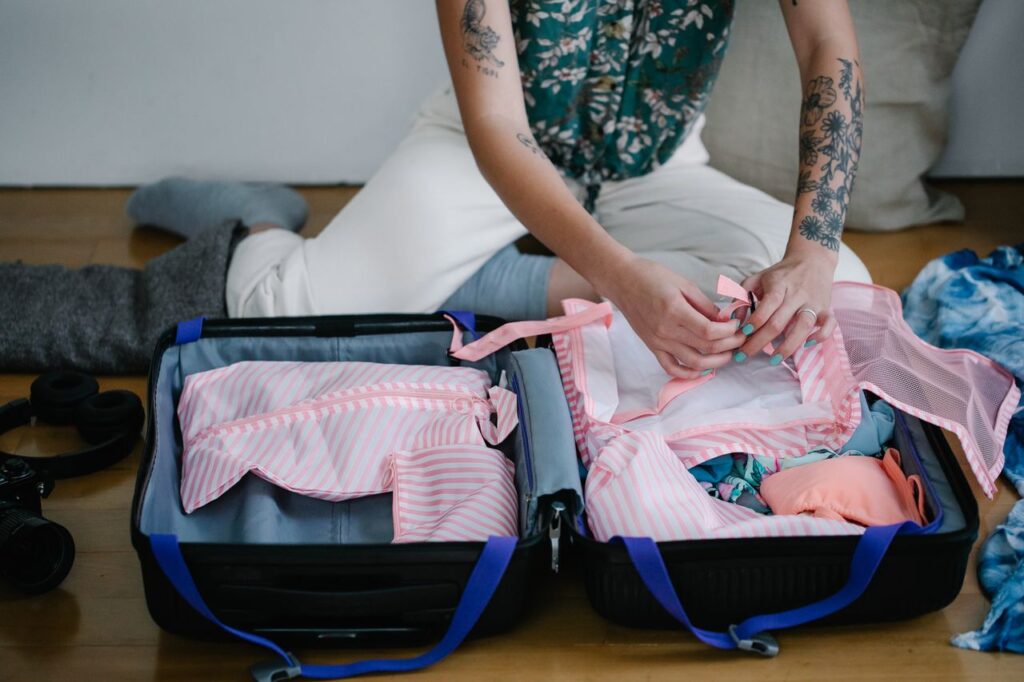
Whether you are heading on a city break, beach vacation, work trip, cruise, road trip, or international adventure, the same basic needs follow you. You need to keep important belongings secure, stay comfortable, look after your health, keep devices charged, and organize documents and money. Instead of packing for every possible scenario, it makes more sense to build a flexible system around these core needs.
This guide focuses on five essential categories rather than five specific products. That makes the advice useful regardless of your destination, budget, or travel style. You can adjust each category to suit your trip without rebuilding your entire packing strategy from scratch.
Table of Contents
Travel Essential 1: A Versatile, Secure Personal Bag
Your personal bag carries the items you cannot afford to lose access to: passport, wallet, phone, medication, travel documents, and charging equipment.
Choose a crossbody bag, backpack, sling, or tote that has a secure closure, useful compartments, comfortable straps, and enough room for daily necessities.
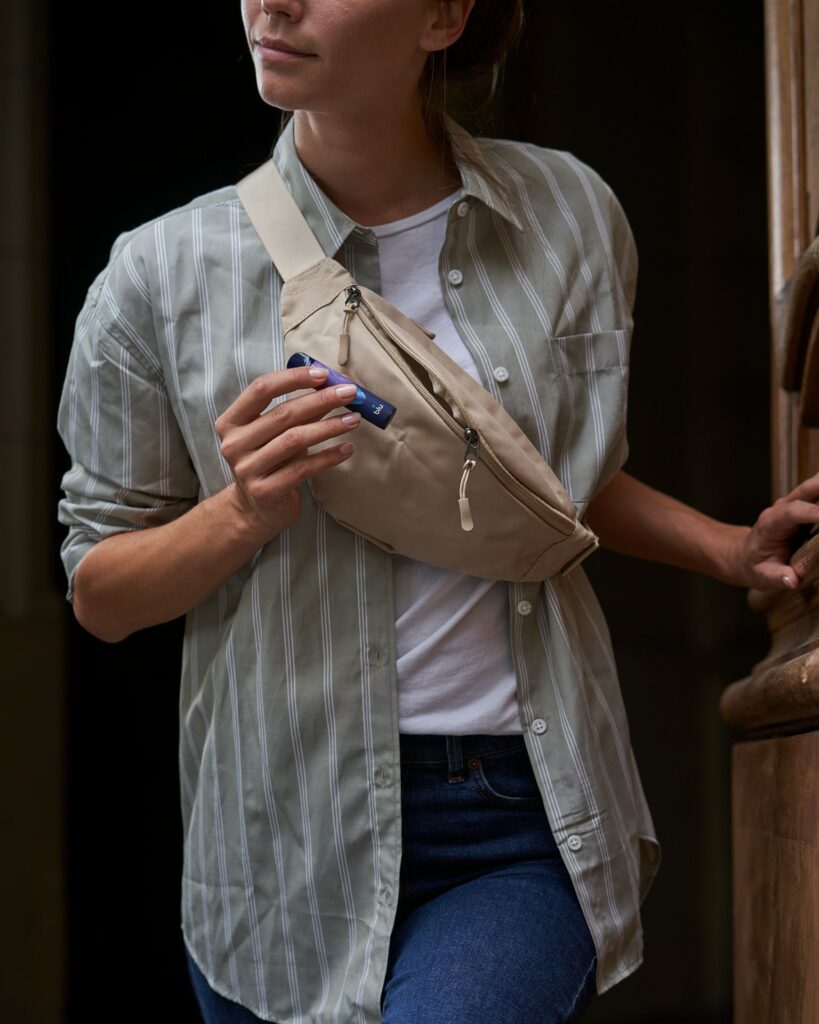
In crowded airports, stations, markets, and public transport, zippered compartments are preferable to open bags.
Avoid choosing an oversized bag simply because it offers more space. More capacity usually encourages more unnecessary packing.
How to Choose the Right Travel Bag for Your Trip
Match the bag to the itinerary. A small crossbody works well for sightseeing, while a backpack may be better for long walking days.
Business travelers may need a padded laptop compartment, while beach travelers may benefit from water-resistant materials.
Before buying or packing a bag, lay out everything you plan to carry during the day. Choose the smallest size that holds those items comfortably.
Prioritize:
- secure zippers;
- interior pockets for cards and documents;
- adjustable or padded straps;
- lightweight construction;
- weather-resistant fabric when needed.
A travel bag should be comfortable enough to carry for several hours without becoming a burden.
If you arrive before hotel check-in or have several hours after checkout, you also do not need to carry your suitcase around the city all day. Short-term luggage storage can be useful during sightseeing days, stopovers, and long gaps between checkout and departure.
Find luggage storage near you with Radical Storage →
What to Keep in Your Personal Bag While Traveling
Keep anything essential for your identity, health, money, communication, or onward travel close to you.
Your core items should include your passport or ID, wallet, phone, essential medication, travel documents, charger, and portable power bank.
Carry at least two payment methods when possible and store the backup separately.
Depending on the journey, add sunglasses, tissues, sanitizer, lip balm, headphones, a snack, and a reusable water bottle.
Prescription medication and irreplaceable valuables should normally stay with you rather than in checked luggage.
Travel Essential 2: A Compact Health and Personal-Care Kit
A small health issue can quickly disrupt a trip, so your travel kit should cover both daily needs and the minor problems you commonly experience.
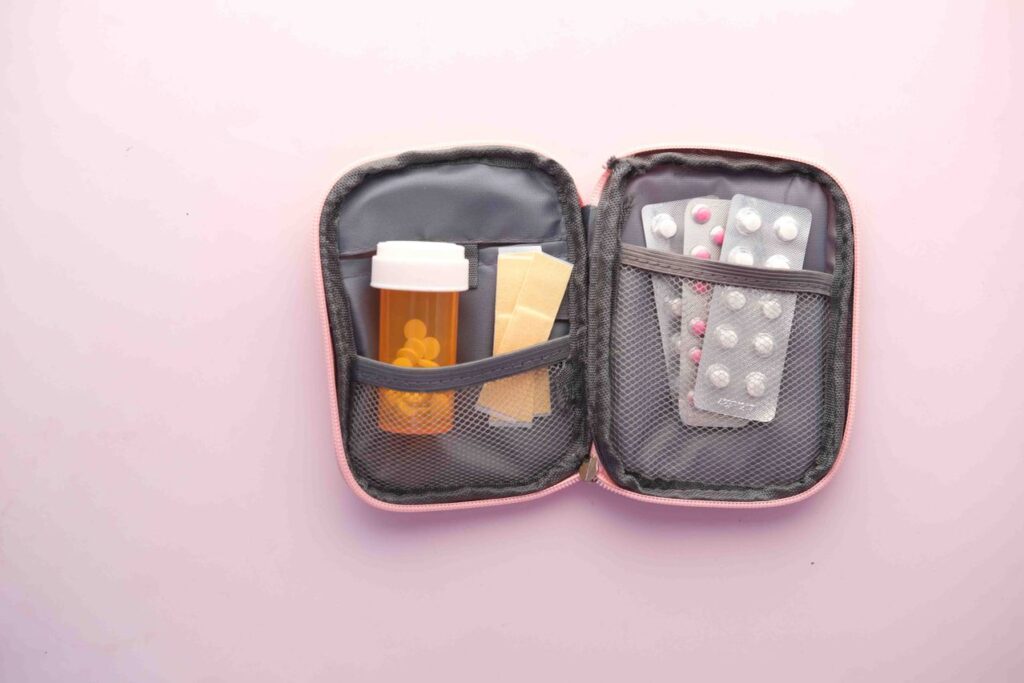
Start with prescription medication and basic hygiene products. Add only the skincare, menstrual products, and wellness items you genuinely use.
A practical kit may include:
- prescription medication;
- toothbrush and toothpaste;
- deodorant;
- menstrual products;
- pain relief appropriate for you;
- allergy or motion-sickness medication if needed;
- bandages and blister patches;
- sunscreen.
Your destination matters. A remote hiking trip requires more preparation than a city break where pharmacies are easy to find.
Building a Simple Skincare and Hygiene Routine for Travel
There is little reason to carry your entire bathroom shelf.
Keep travel skincare focused on the essentials: cleanser, moisturizer, sunscreen, and any treatment product you already use regularly.
Choose travel-size containers or multipurpose products where practical. Solid toiletries can reduce liquid volume and leakage, but test unfamiliar products before leaving home.
Adjust your routine to the climate. Hot and humid destinations may require lighter products, while cold or dry environments may call for stronger moisturization.
The objective is to maintain your normal hygiene and skincare routine with the fewest products necessary.
Menstrual, Medication, and Everyday Wellness Essentials
Bring enough prescription medication for the trip and reasonable delays.
Depending on your medication and destination, keeping it in original packaging with relevant documentation may be useful.
If your period may occur during the trip, carry enough of your preferred products to avoid relying on unfamiliar brands or availability at your destination.
Build the rest of your health kit around your own history.
If you regularly deal with migraines, allergies, motion sickness, digestive discomfort, or blisters, prepare for those specific issues rather than packing a generic mini-pharmacy.
Health essentials should take priority over optional clothing, cosmetics, and accessories.
Travel Essential 3: A Reliable Portable Power Setup
A phone is now much more than a phone while traveling.
It may contain your boarding pass, hotel reservation, maps, payment apps, translations, transportation information, and emergency contacts.
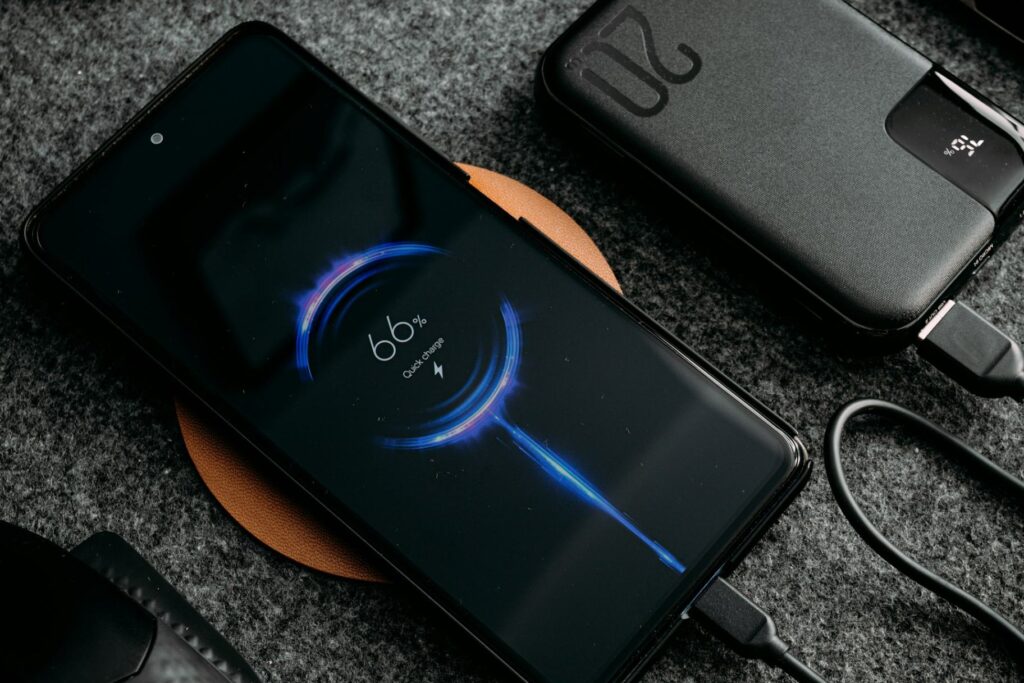
Your core charging setup should include a wall charger, appropriate cable, and portable power bank.
If you travel with several devices, a multi-port charger can replace several separate plugs.
Keep all cables and adapters together in a small tech pouch so they are easy to locate.
The Tech Accessories That Earn Their Place in Your Luggage
Only bring technology you expect to use repeatedly.
For most travelers, a power bank, multi-port charger, headphones or earbuds, and essential cables are enough.
A luggage tracker can be useful if you check baggage frequently.
A backup charging cable is also worth considering because it takes little space and can prevent a major inconvenience.
Download reservations, maps, tickets, and other critical information for offline access before traveling. This protects you from poor Wi-Fi, dead zones, and roaming problems.
Staying connected abroad can be just as important as keeping your phone charged. If your phone supports eSIM, you can set up mobile data before departure instead of searching for a local SIM card after arrival.
Check Yesim eSIM plans for your destination →
Avoid gadgets that require more managing than they are worth.
International Travel and Charging Without the Headache
For international travel, check which electrical outlets are used at your destination.
A plug adapter allows your plug to fit a different socket, but it does not automatically convert voltage.
Many modern phone and laptop chargers support multiple voltages, but heat-producing appliances such as some hair dryers or styling tools may not.
Check the electrical specifications before plugging them in abroad.
A universal adapter can be useful when visiting several countries.
Charge important devices before flights, train journeys, excursions, and other long travel days instead of assuming an outlet will always be available.
Travel Essential 4: Comfortable, Adaptable Clothing Layers
Travel clothing should be comfortable, easy to combine, and suitable for changing temperatures.
Instead of packing separate outfits for every day, build a small wardrobe where most pieces work together.
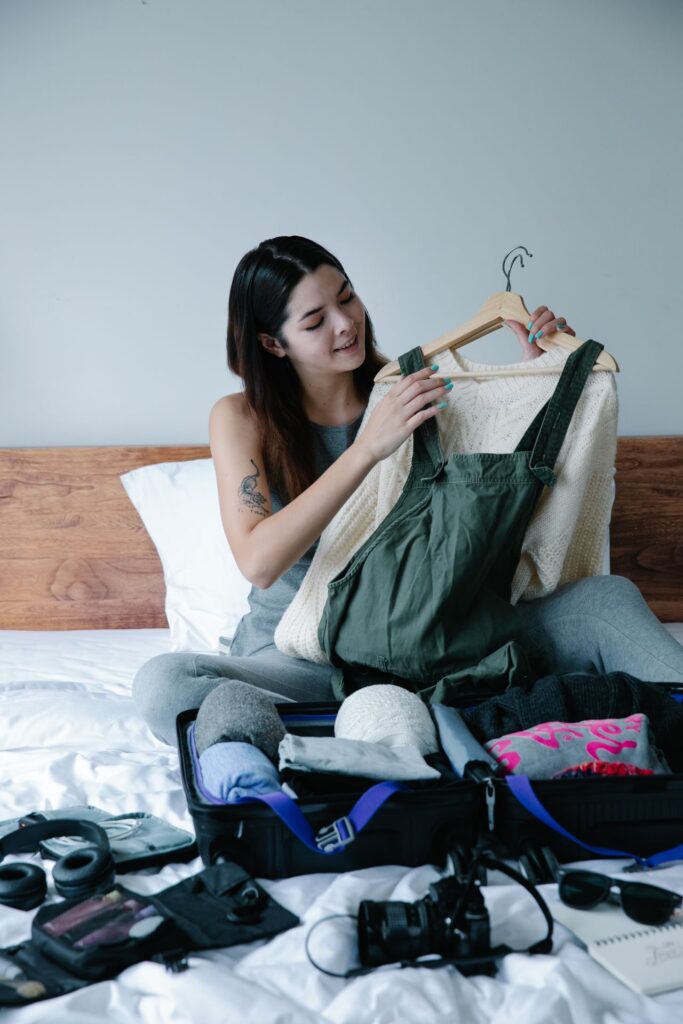
Choose breathable, wrinkle-resistant, and reasonably quick-drying fabrics when possible.
Pack layers such as a cardigan, overshirt, lightweight jacket, or scarf for cold planes, air-conditioned spaces, and cooler evenings.
A simple color palette makes mixing clothes easier and reduces the number of pieces you need.
Building a Small Travel Wardrobe That Actually Works
Start with your itinerary.
Identify what you genuinely need for sightseeing, dinners, business meetings, beaches, hiking, or formal events.
Then look for overlap.
One pair of trousers may work during the day and at dinner. A button-down shirt can work as a normal top, light layer, or beach cover-up.
Build around several tops, fewer bottoms, one or two layers, and specialized clothing only when your itinerary requires it.
On longer trips, plan to wash and rewear clothing rather than carrying a new outfit for every day.
Choosing Travel Shoes Without Sacrificing Comfort or Style
Shoes take up substantial suitcase space, so choose them carefully.
For many trips, two or three pairs are enough.
Your primary walking shoes should already be broken in and comfortable over long distances.
A neutral sneaker can work for airports, sightseeing, and casual meals, while sandals, flats, hiking shoes, or formal footwear can be added according to the itinerary.
Consider the actual terrain. Cobblestones, steep streets, rain, beaches, and hiking trails require different footwear.
Wear your bulkiest shoes during transit when practical and avoid packing pairs that only work with one outfit.
Travel Essential 5: A Personal Safety and Organization System
Good travel safety depends more on preparation and habits than on carrying specialized equipment.
Know how you will get from the airport or station to your accommodation.
Save the address and relevant directions offline.
Research transportation options before arriving, particularly if you land late at night.
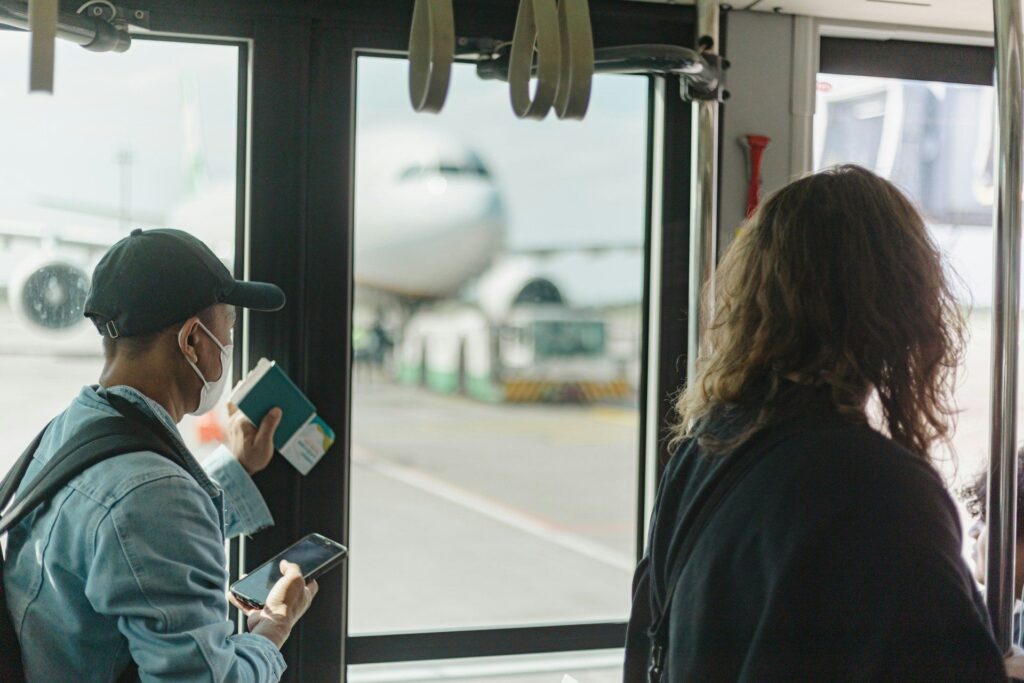
For late arrivals or unfamiliar destinations, booking your airport transfer before departure can make the first part of the trip much simpler. It also means you know how you are getting to your accommodation before you land.
For late-night arrivals or unfamiliar airports, you can arrange an airport transfer with Kiwitaxi before departure so your transportation to the accommodation is already planned.
Keep your passport, cards, cash, and emergency information organized.
Avoid storing every payment method in the same place. Carry a backup card separately.
Secure digital copies of important documents can also be useful if originals are lost.
Simple Safety Habits That Make Travel Less Stressful
Keep your bag zipped in crowded places and avoid leaving your wallet or phone in exposed pockets.
At restaurants and cafés, keep your bag somewhere you can see or control it.
Before leaving trains, taxis, planes, restaurants, or hotel rooms, check for your phone, wallet, documents, and other essentials.
For solo trips, sharing key itinerary information with someone you trust may be sensible.
For outdoor travel, add route planning, weather checks, hydration, and appropriate equipment.
The safest habits are usually simple ones repeated consistently.
Organizing Documents, Money, and Emergency Information
Give every important item a fixed location.
Keep your passport in the same secure compartment instead of moving it between bags and pockets.
Carry more than one payment option and store your backup separately. Keep only the amount of cash you realistically need.
Save secure digital copies of important reservations, insurance information, and travel documents.
A printed emergency card with key phone numbers and accommodation details can provide backup if your phone is lost, damaged, or unavailable.
Flight disruptions can also become part of travel planning. If you experience a significant delay or cancellation, services such as AirHelp can help you check whether the flight may qualify for compensation.
Before leaving accommodation, perform the same basic check: passport, wallet, phone, medication, charger, keys, and tickets.
How to Adapt These Five Essentials to Every Kind of Trip
The five categories stay the same; only their contents change.
For a city break, prioritize a lightweight bag, walking shoes, compact toiletries, a power bank, and versatile layers.
For business travel, add polished clothing, laptop protection, and reliable charging.
For a beach vacation, focus on sunscreen, swimwear, sandals, lightweight clothing, and water-resistant storage.
A road trip may require a vehicle charger, water, snacks, and roadside essentials.
If your road trip begins after a flight, you can compare rental cars on Localrent, paying attention to luggage space, pickup location, mileage terms, and other rental conditions before choosing a vehicle.
For outdoor travel, prioritize appropriate footwear, weather protection, hydration, navigation, and emergency planning.
For international travel, add passports, required documents, adapters, backup payment options, and offline information.
Trip length does not need to multiply your luggage.
On longer journeys, laundry is usually more efficient than packing significantly more clothing.
Conclusion
The best travel essentials for women are not necessarily the newest gadgets or most fashionable packing accessories. They are the items and systems that consistently make travel smoother: a secure personal bag, compact health kit, dependable charging setup, adaptable clothing, and sensible safety organization.
These five categories work for beach holidays, city breaks, road trips, cruises, business travel, and international adventures because they address needs that barely change. You always need access to important belongings, basic health supplies, reliable technology, comfortable clothing, and organized documents.
Packing this way also makes travel feel mentally lighter. You spend less time searching through luggage, worrying about forgotten items, or managing unnecessary belongings. That leaves more energy for the destination itself.
Before your next trip, build these five foundations first. Add destination-specific extras only when they truly earn their space. Good packing is not about bringing everything. It is about bringing enough of the right things that you can stop thinking about your luggage once the journey begins.
Find Cheaper Flights for Your Vacation
If you are still choosing how to reach your destination, compare flight options with Aviasales to review different routes, travel dates, and departure options before booking.
Frequently Asked Questions
What are the five most important travel essentials for women?
A secure personal bag, compact health and personal-care kit, portable charging setup, comfortable layered clothing, and an organized safety system cover many of the most common travel needs.
What should a woman keep in her personal bag while traveling?
Prioritize identification, passport or travel documents, wallet, phone, essential medication, charging equipment, and a few small comfort items such as tissues, sanitizer, or lip balm.
How can women avoid overpacking?
Choose a coordinated wardrobe, pack according to real itinerary activities, limit shoes, select multi-purpose pieces, and plan to rewear or wash clothing during longer trips.
What extra items are useful for international travel?
Depending on the destination, you may need a passport, visa documents, plug adapter, backup payment options, travel-insurance details, offline maps, and destination-specific health preparation.
What are the best safety essentials for solo female travelers?
A secure bag, reliable phone charging, backup payment method, offline directions, emergency contacts, and consistent organization habits can be especially useful. Destination-specific safety items should always be chosen with local laws and transport rules in mind.