Affiliate Note: Some links may be affiliate links. We may earn a small commission at no extra cost to you, and we only share recommendations we believe are useful.
Why a Smart Travel Essentials Checklist Matters
A practical travel essentials checklist keeps the items that matter most from becoming last-minute afterthoughts. Forgetting an extra shirt is inconvenient; forgetting your passport, prescription medicine, bank card, or charger can disrupt the entire trip. The goal is not to prepare for every possible scenario but to prioritize things that are essential, versatile, compact, or difficult to replace.
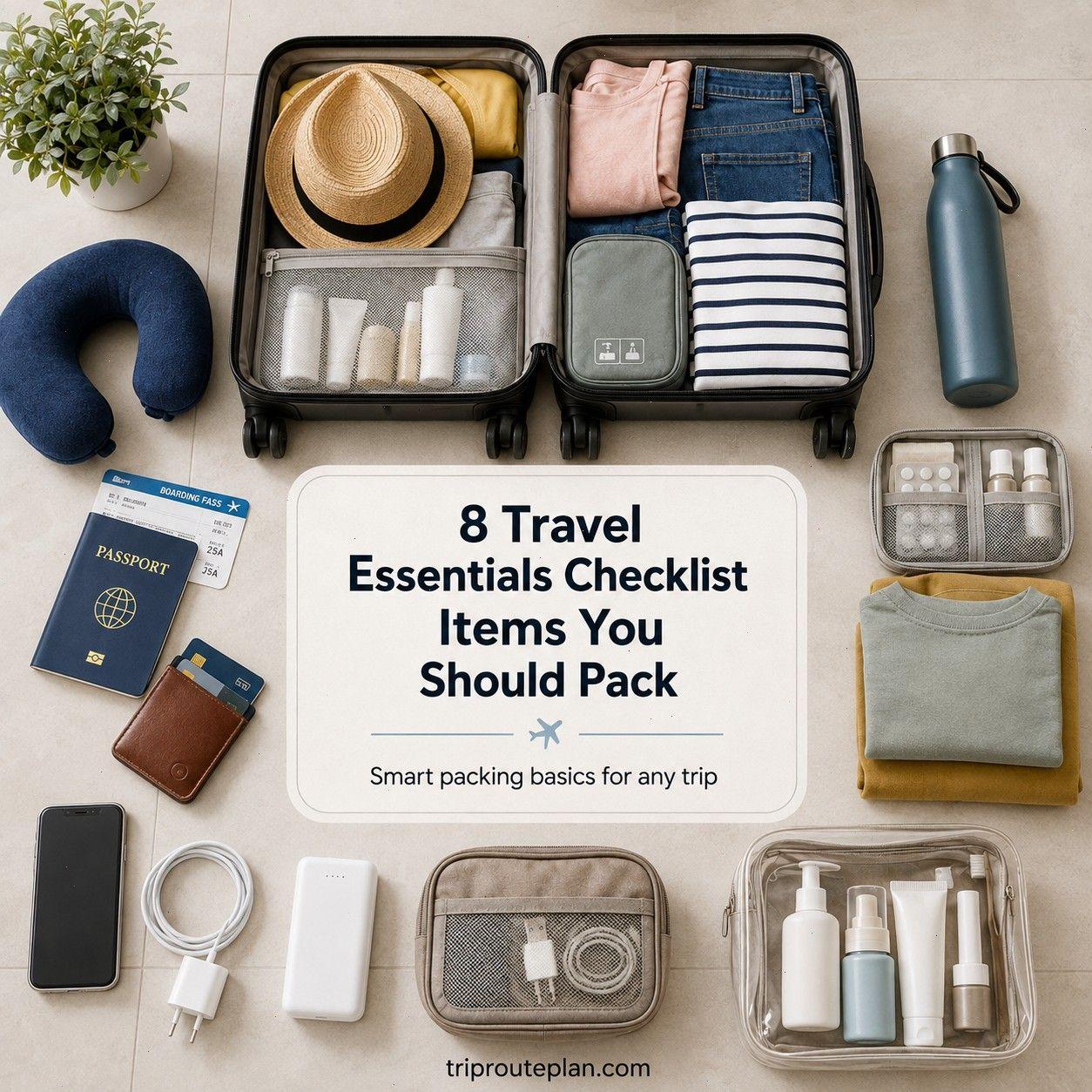
The eight categories below provide a reliable foundation for weekend breaks, international vacations, business travel, road trips, and longer adventures. Adjust them for your destination, weather, activities, accommodation, and personal needs.
Table of Contents
1. Travel Documents and Identification
Travel documents belong at the top of your checklist because forgetting them can prevent you from traveling at all.
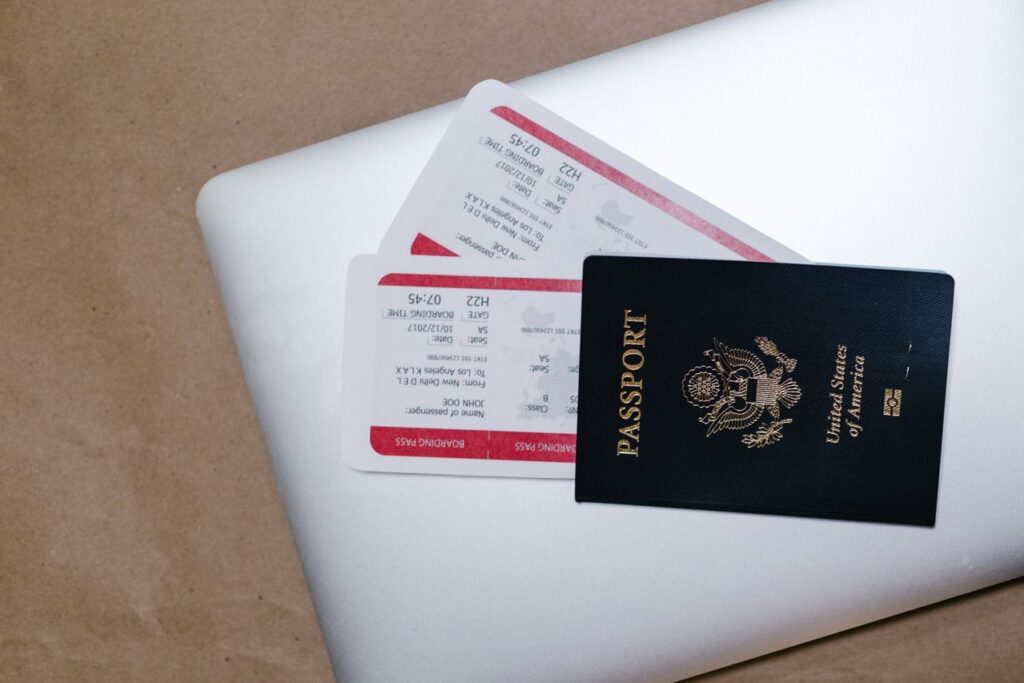
For international trips, check your passport well before departure, including its expiration date. Some destinations require passport validity beyond your planned stay. Visa and travel authorization requirements also vary by nationality and destination, so verify current rules through official government or embassy sources, including requirements for transit countries when relevant.
Depending on the journey, you may also need:
- Government-issued identification
- Driver's license or international driving permit
- Visa or travel authorization
- Travel insurance information
- Cruise or rail documents
- Activity permits
- Documentation required when traveling with children
Keep flight, train, accommodation, rental vehicle, transfer, and tour confirmations accessible. Save important information offline or take screenshots of booking numbers, addresses, and arrival instructions in case mobile internet is unavailable.
Critical documents should normally stay in your personal item or carry-on, not checked baggage. Use a secure, consistent pocket or organizer so you can reach them quickly without constantly moving them between bags.
Keep Digital and Physical Backups
Create secure digital copies of documents that would be difficult to replace, including your passport identification page, visas, driver's license, and insurance information. Store them somewhere you can access even if your primary phone is lost, such as protected cloud storage.
A physical photocopy of your passport can also be useful when dealing with an embassy, insurer, accommodation provider, or local authorities after a loss. It does not replace the original, and it should be stored separately.
Save essential phone numbers outside your regular contacts list as well. Consider recording your bank, insurer, airline, accommodation, emergency contacts, and relevant embassy or consular details.
Avoid scattering sensitive copies through your luggage or storing them in unsecured accounts. Backups are valuable only when they are both accessible to you and protected from everyone else.
2. Money, Bank Cards, and Emergency Funds
Do not rely on a single payment method when traveling. Card acceptance, banking networks, cash usage, and ATM availability can vary, and even a normally reliable card may be blocked or declined unexpectedly.
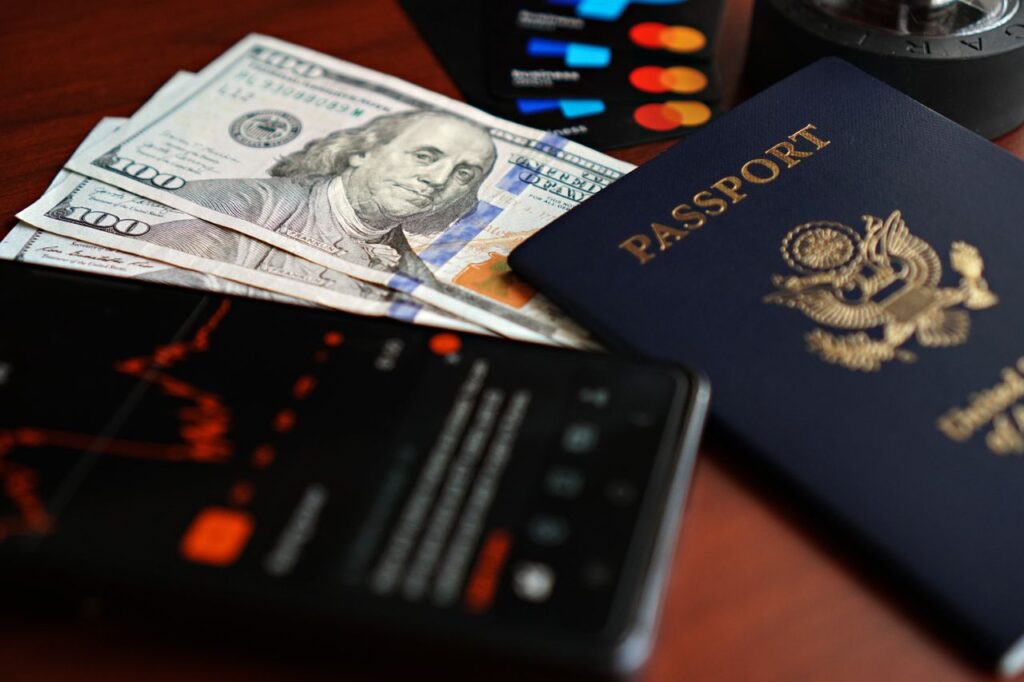
Before an international trip, check your card's foreign transaction fees, ATM charges, exchange-rate policies, and fraud protection. These costs can become significant when the same card is used repeatedly for accommodation, restaurants, transportation, and shopping.
If possible, carry a second card from a different account or payment network and store it separately from your primary wallet. This gives you another option if a card is lost, stolen, blocked, or rejected.
A modest amount of local currency or emergency cash can also be useful for small shops, local markets, transportation, tips, rural businesses, or temporary network outages. You do not need to carry large amounts simply for reassurance.
When withdrawing money abroad, check ATM fees and pay attention to offers to convert the transaction into your home currency. Convenient-looking conversion options are not automatically the best value.
Build a Simple Travel Money Backup System
The main rule is simple: do not keep all your financial resources in one place.
Carry your primary card and everyday spending money somewhere secure and convenient. Keep your backup card and emergency funds in another secure location.
Before departure, learn how to freeze or report each card. Many banking apps allow temporary card locking, but save your bank's contact information separately in case your wallet and phone disappear together.
A basic trip budget can also help. Estimate what you expect to spend on accommodation, food, transportation, activities, shopping, and emergencies. Detailed tracking is optional; the purpose is simply to prevent your discretionary budget from disappearing halfway through the trip.
Keep your system simple enough to repeat. Complicated hiding places are not useful if you forget to retrieve the money before checking out.
3. Phone, Chargers, Power Bank, and Travel Adapter
Your smartphone may serve as your boarding pass, map, camera, translator, payment method, transit planner, hotel key, entertainment system, and emergency communication device. Keeping it powered therefore matters more during travel than it might during an ordinary day.
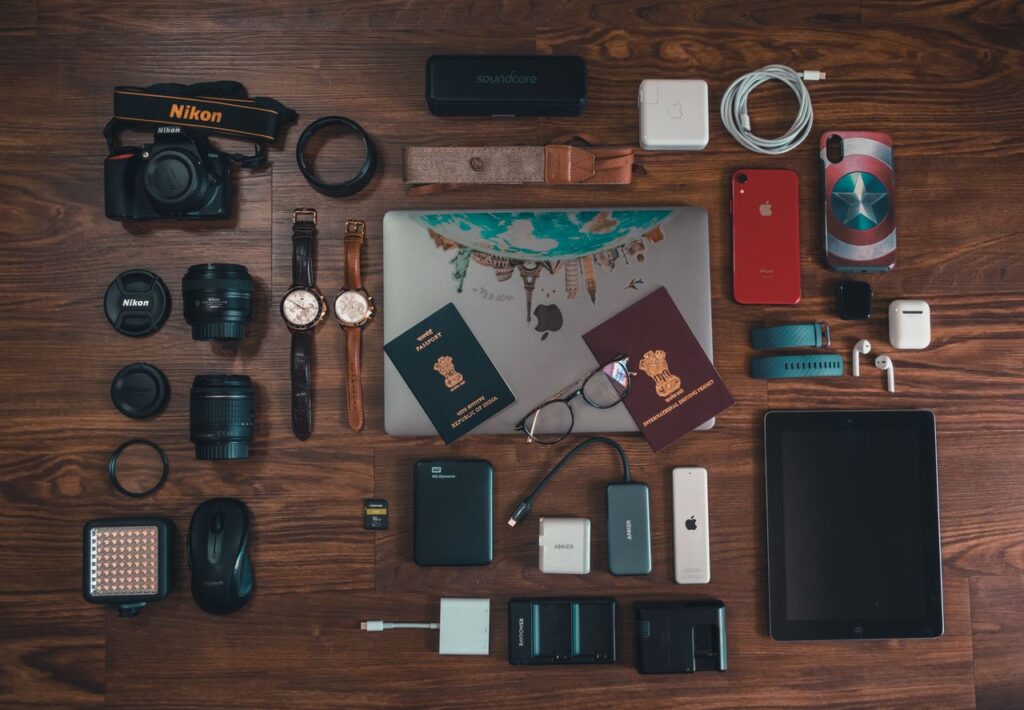
Pack the correct charging cable and wall charger, and inspect both before leaving. If several devices can share a multi-port or USB-C charger, consolidating your charging setup can reduce the number of plugs and cables in your bag.
A portable power bank is especially useful during long sightseeing or transportation days when navigation, photography, mobile data, and high screen brightness can drain your phone quickly.
Check airline and aviation authority requirements for power banks and spare lithium batteries before flying, including restrictions on capacity and checked baggage.
International travelers should also verify the destination's plug type and voltage standard. A plug adapter changes the socket connection but does not necessarily convert voltage. Check the input specifications of laptops, chargers, hair tools, and other electrical devices before using them abroad.
Choose the Right Charging Setup for Your Destination
Pack only the electronics you expect to use and see which devices can share cables or chargers.
A universal adapter may make sense for multi-country trips, while a destination-specific adapter can be smaller for a single-country vacation. Check charger wattage too; a charger suitable for a phone may not provide enough power for a laptop.
Create a simple routine while traveling: charge your phone overnight, recharge the power bank when needed, and return cables to the same compartment after use. This reduces the chance of leaving a charger plugged into a hotel wall.
Prepare your phone before departure as well. Download offline maps, booking information, transportation apps, boarding passes, and entertainment where useful.
If you expect to rely on live navigation, messaging, booking apps, or ride services abroad, arrange your connectivity before departure. You can set up an Airalo eSIM before the trip so mobile data is available after arrival without searching for a physical SIM card.
4. Essential Medications and a Compact First-Aid Kit
Prescription medications deserve priority because replacing them during a trip can be difficult or, in some destinations, impossible without medical assistance.
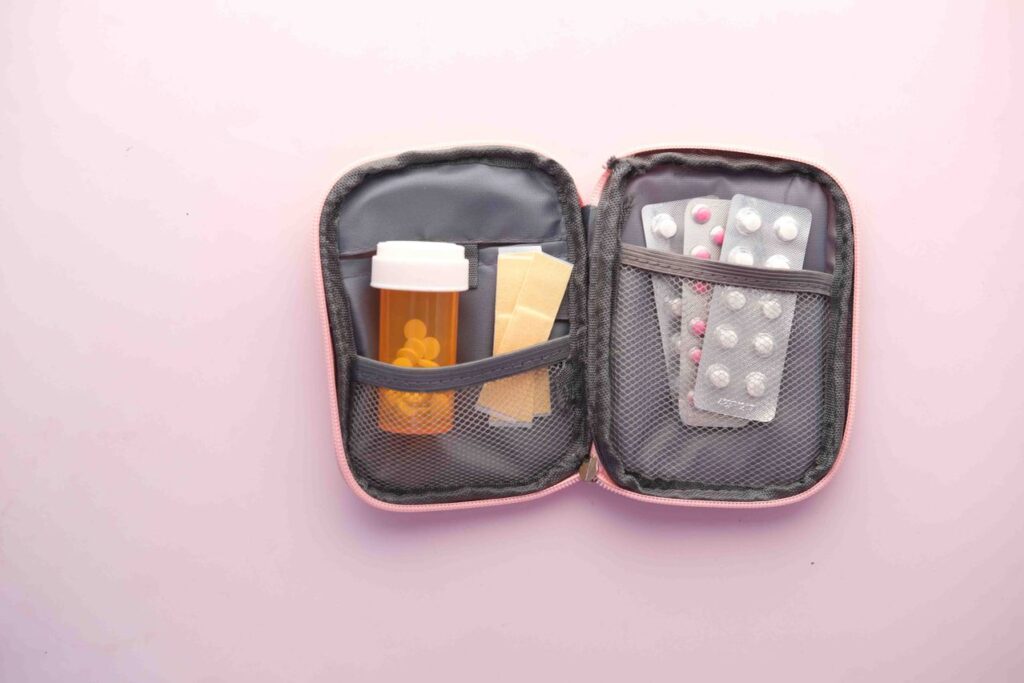
Check your supply early enough to renew prescriptions before departure. Pack enough for the planned trip and discuss an appropriate contingency for delays with your healthcare provider when necessary.
A compact first-aid kit should match your destination and activities rather than trying to cover every medical possibility. Depending on your needs, it might contain:
- Adhesive bandages
- Blister treatment
- Antiseptic supplies
- Familiar pain relief medicine
- Motion-sickness remedies
- Allergy medication
- Other products you already use safely
International travelers should check destination regulations for prescription medicines. A medication commonly used at home may be controlled or restricted elsewhere, particularly controlled substances, injections, or larger quantities.
Keep essential medicine in your carry-on rather than depending on checked baggage, which can be delayed or temporarily inaccessible. Plan carefully for anything requiring refrigeration or special storage.
If you still need coverage, you can review travel insurance options from EKTA and compare medical benefits, exclusions, limits, and emergency-assistance terms before departure.
Pack Prescription Medicines the Right Way
Where practical, keep medication in clearly labeled original packaging, especially when crossing international borders. Original labels can help identify the medicine, prescription holder, and dosage.
Carry a prescription copy or doctor's letter when your medication or destination makes documentation advisable. Using the medicine's generic name can be useful because brand names vary between countries.
Travelers carrying needles, injectable medicines, controlled substances, or temperature-sensitive drugs may require additional preparation.
Time zones can also affect dosing schedules. If a medication must be taken at strict intervals, ask a doctor or pharmacist how to adjust the timing rather than guessing during the trip.
Follow storage requirements carefully. Cars, luggage compartments, and direct sunlight can become much hotter than expected.
Anything you may urgently need—including inhalers, epinephrine auto-injectors, glucose supplies, or essential daily medication—should remain accessible while you travel.
5. Versatile Clothing and Comfortable Footwear
Clothing often occupies more luggage space than anything else, so it is one of the easiest categories to streamline.
Instead of packing an independent outfit for every day, build a small travel wardrobe of interchangeable pieces. Coordinating tops, bottoms, and layers produce more outfit combinations with fewer garments.
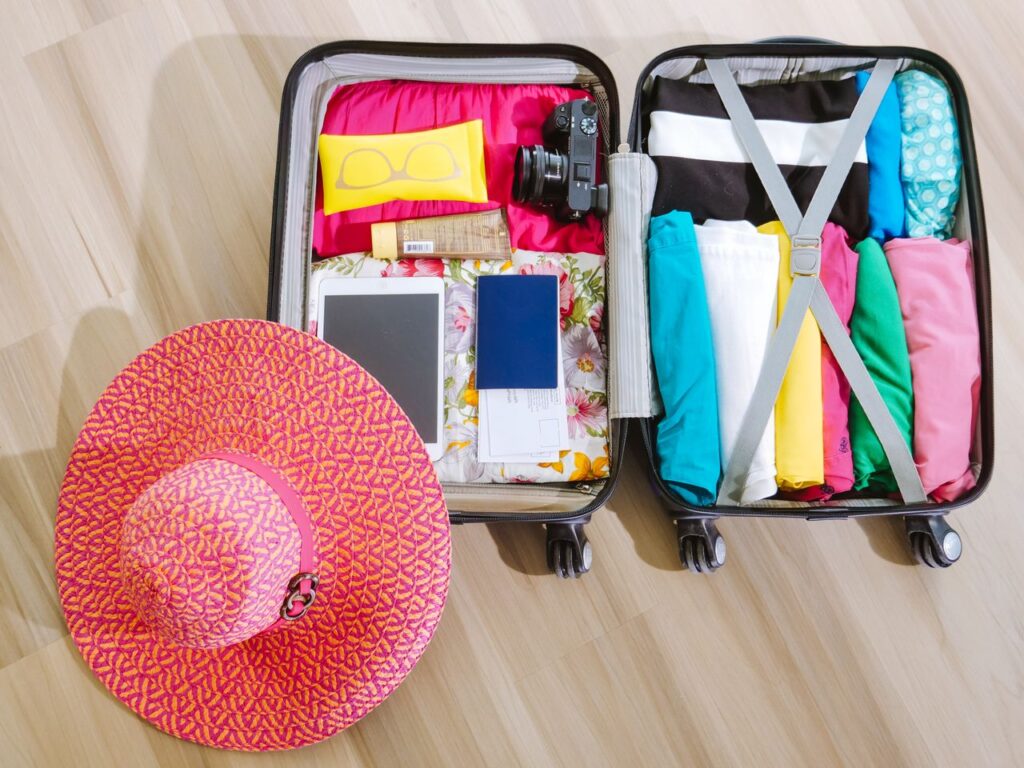
Choose clothing according to both weather and activities. Consider evening temperatures, rain, air-conditioned interiors, cultural dress expectations, outdoor activities, and any formal plans rather than relying only on the daytime forecast.
Comfort matters, especially on trips involving long walks or frequent public transportation. Clothes that restrict movement, wrinkle badly, or require constant adjustment often stay in the suitcase.
Coordinating colors simplify mixing and matching, while quick-drying fabrics are useful if you plan to wash clothes during the journey.
Be particularly selective with footwear because shoes are bulky and heavy. For many trips, one pair of comfortable walking shoes plus one destination-specific pair is enough. The second pair might be sandals, trail shoes, formal footwear, or something weather-resistant.
Avoid testing brand-new shoes on a trip where you expect to walk all day.
Use the Layering Method to Pack Less
Layering allows a smaller wardrobe to handle changing conditions.
Begin with comfortable base garments, add a warmer middle layer when required, and carry an outer layer suitable for wind or rain. The exact combination depends on the climate, but several coordinated layers are usually more versatile than one bulky garment.
Layering is especially useful when a day includes cool mornings, warm afternoons, heavily air-conditioned interiors, and colder evenings.
Wear bulky practical items such as a jacket or sturdy footwear while traveling when that saves useful luggage space.
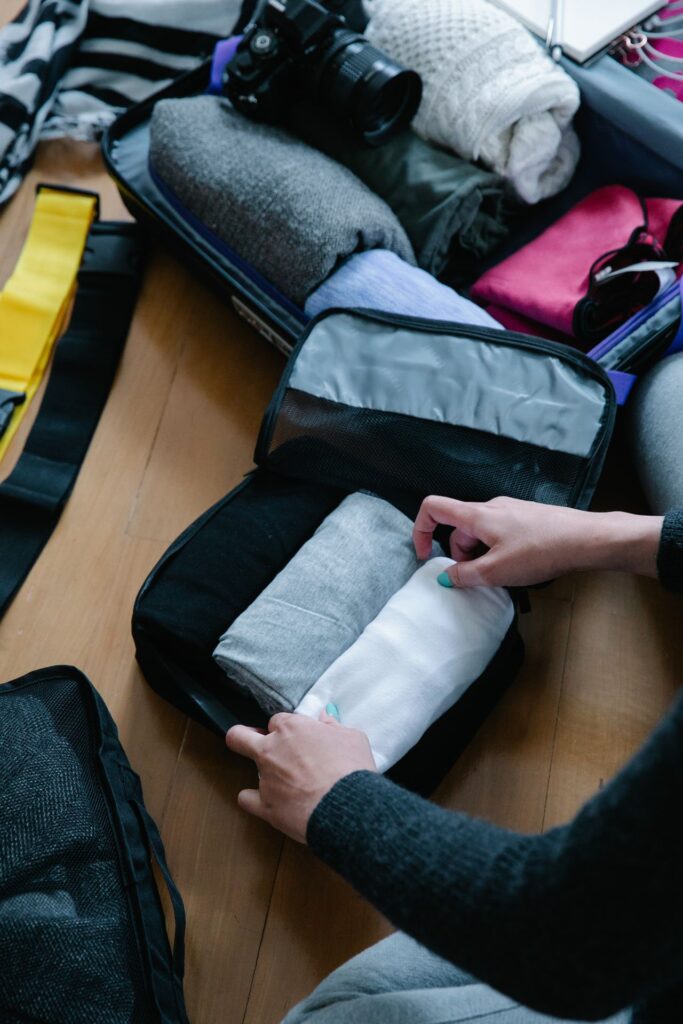
Packing cubes can help separate tops, bottoms, underwear, sleepwear, or clean and worn clothing. They improve organization, though they do not reduce your luggage's actual weight.
For longer trips, planning to do laundry once can eliminate several days' worth of unnecessary clothing.
6. Toiletries and Personal Hygiene Essentials
Toiletries become bulky because many individually small products quickly add up. Pack around your normal routine rather than transferring your entire bathroom cabinet into your suitcase.
A basic travel toiletry kit may include:
- Toothbrush and toothpaste
- Deodorant
- Essential skin-care products
- Hair-care products
- Grooming supplies
- Sunscreen
- Personal hygiene items
- Contact lens supplies when needed
Carry-on travelers should check current airport and aviation rules for liquids, aerosols, gels, and container sizes before departure because screening requirements can vary.
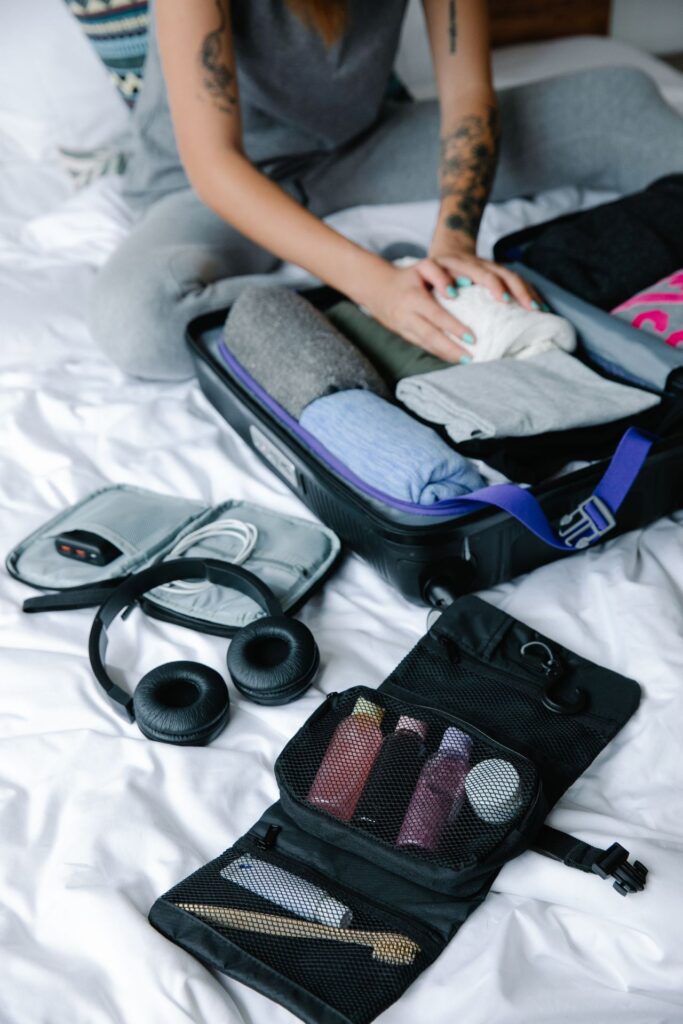
Prevent leaks by tightening caps and placing vulnerable bottles inside sealed pouches. Keep liquids separated from documents and electronics whenever possible.
Check what your accommodation already supplies. There is little reason to carry products that will reliably be waiting in your hotel room.
Prioritize specialty products and things your skin, hair, or routine genuinely depends on. Most ordinary toiletries can be purchased at the destination if necessary.
Make Your Toiletry Bag Smaller and Smarter
Travel-size bottles or reusable containers can dramatically reduce toiletry weight on short trips because you carry only the amount of product you expect to use.
Solid shampoo, bar soap, cleansing bars, and solid deodorant may also reduce liquids and leak risk when these products work well for you.
Choose multipurpose products only when they genuinely replace something else in your routine. A product you never use at home is unlikely to become useful simply because you are traveling.
Keep a small selection of frequently needed hygiene items accessible during flights and long train journeys. If you check a suitcase, carrying enough essentials for the first day can make a baggage delay much easier to handle.
After the trip, notice what remained unused. Removing those products from your next packing list is one of the easiest ways to gradually travel lighter.
7. Reusable Water Bottle and Travel Snacks
Water and a small amount of food can make delays, long transportation days, and extended sightseeing much more comfortable.
A reusable water bottle works well on many trips when safe drinking water and refill facilities are available. When airport liquid restrictions apply, take it through security empty and refill it afterward.
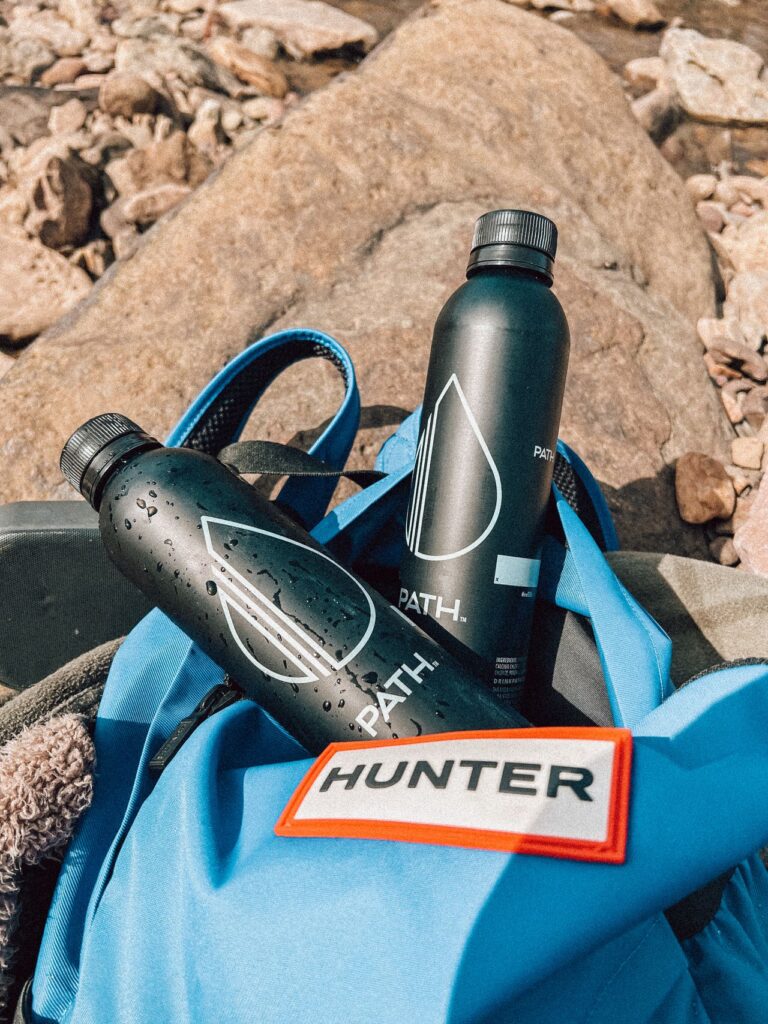
Choose the size for the itinerary rather than assuming larger is better. One liter of water weighs roughly one kilogram, so carrying a huge bottle all day can add unnecessary weight.
Hydration deserves extra attention during flights, hot weather, long walks, and strenuous outdoor activities. Where tap-water safety is uncertain, follow reliable local health advice and use an appropriate safe water source.
Travel-friendly snacks such as packaged crackers, nuts, dried fruit, or bars can help when connections are tight or food options are unavailable.
When crossing borders, check agricultural and biosecurity rules. Fresh fruit, meat, dairy products, seeds, and other foods may be restricted or require declaration.
Stay Hydrated Without Overpacking
Match your water setup to your environment.
For an urban city break, a compact bottle may be enough because refill opportunities are frequent. Hiking, remote road trips, hot climates, and areas with limited infrastructure require more careful water planning.
Collapsible bottles save space when empty, while insulated bottles maintain temperature longer. Filter bottles can be useful in specific environments, but do not assume one filter makes every water source safe; different technologies remove different contaminants.
Most ordinary sightseeing trips do not require elaborate hydration supplements. Physical exertion, substantial sweating, illness, or specific medical needs may change those requirements.
Refill before long journeys where permitted and combine hydration in hot weather with shade, appropriate clothing, sunscreen, and sensible activity planning.
8. Security and Organization Accessories
Simple organization habits usually provide more practical travel security than carrying a collection of complicated anti-theft gadgets.
Choose an everyday backpack, crossbody bag, sling, or tote that is comfortable for extended use and has secure compartments for your phone, wallet, passport, and keys. Zippers or secure closures can be especially useful in crowded environments.
Small luggage locks may provide basic deterrence or work well for hostel lockers and compatible luggage. When flying, make sure your locking method complies with relevant security requirements.
Packing cubes, zip pouches, and cable organizers also improve security indirectly because consistent storage makes missing items easier to notice.
Use a luggage tag with enough information to help someone contact you without displaying unnecessary personal details. Compatible electronic luggage trackers can provide additional location information, but they supplement rather than replace normal airline baggage procedures.
Develop a few consistent habits:
- Close your bag immediately after removing something.
- Check seat pockets before leaving planes and trains.
- Inspect the hotel safe before checkout.
- Keep documents in the same secure compartment.
- Confirm your phone, wallet, passport, and bags whenever you change locations.
These routines often prevent more problems than specialized travel accessories.
Small Travel Accessories That Prevent Big Problems
A few inexpensive accessories can solve common problems without adding much weight.
Zippered pouches keep chargers organized. Resealable bags can isolate wet swimwear or leaking products. A lightweight foldable tote works for groceries, beach trips, shopping, or unexpected extra items.
Earplugs and an eye mask take up little room and can improve comfort on flights, trains, in hostels, or in bright hotel rooms. A pen and a few tissues are similarly small but surprisingly useful.
Avoid turning travel accessories into another source of overpacking. Before adding a specialized gadget, ask whether it solves a problem you have actually experienced or reasonably expect on this trip.
The most useful accessories are the ones that quietly keep important belongings organized, protected, and easy to find.
Conclusion
A reliable travel essentials checklist focuses first on the things that protect your ability to travel, pay, communicate, manage your health, and stay comfortable.
Before closing your suitcase, check these eight categories:
- Travel documents, identification, visas, and booking information
- Bank cards, payment options, and emergency funds
- Phone, charging cables, power bank, and required travel adapter
- Prescription medications and an appropriate first-aid kit
- Versatile clothing and comfortable footwear
- Toiletries and personal hygiene products
- Reusable water bottle and suitable travel snacks
- Security and organization accessories
Then personally confirm the items that would be difficult to replace once your journey has started: passport, wallet, medication, phone, and charger.
Once those essentials are secured, resist adding unnecessary “just in case” items. Good packing should leave you prepared without making your luggage harder to manage.
Find Cheaper Flights for Your Vacation
If you are still planning how to reach your destination, you can compare flight options with Aviasales to review different routes, dates, and fares before booking.
FAQ
1. What are the most important things to pack for any trip?
Start with identification and travel documents, payment methods, essential medication, your phone, and charging equipment because these can be difficult or disruptive to replace. Then add clothing, footwear, toiletries, and necessities specific to the destination and planned activities.
2. How early should I start packing for a trip?
Review passports, visas, travel authorizations, prescriptions, insurance, and destination requirements well in advance, particularly for international travel. A few days before departure, check the weather and pack most clothing and toiletries. Keep a short last-minute checklist for things you still use at home, such as your charger and toothbrush.
3. Is it better to travel with a carry-on or checked luggage?
It depends on the trip. Carry-on luggage can reduce baggage waiting time and encourages lighter packing, making it convenient for shorter journeys. Checked luggage provides more capacity for longer trips, cold-weather clothing, or specialized equipment. Always check your airline's current size, weight, fee, and restricted-item rules. Keep identification, important medication, valuables, and critical electronics with you whenever regulations permit.
4. What should I avoid packing when trying to travel light?
Remove duplicate “just in case” items first. Multiple bulky shoes, excessive clothing, full-size toiletries for short trips, unnecessary electronics, and products already supplied by your accommodation consume space quickly. Favor interchangeable clothing and consider doing laundry during longer trips.
5. What essentials should always stay in my carry-on bag?
Keep items you would struggle to replace or manage without during the first day: passport or identification, wallet and cards, phone, important documents, medication, valuables, and necessary electronics. A charging cable, permitted power bank, basic toiletries, and a simple change of clothing can also help if checked baggage is delayed.