Affiliate Note: Some links may be affiliate links. We may earn a small commission at no extra cost to you, and we only share recommendations we believe are useful.
Why These Carry-On Packing Essentials Make Travel Easier
Carry-on only travel can make a trip faster, cheaper, and easier to manage, but it requires more deliberate packing. With limited space, every item needs to justify its place.
A good carry-on packing list is not about squeezing as much as possible into a smaller suitcase. It is about choosing versatile clothing, compact gear, and practical essentials that work together. These 10 travel packing essentials help you travel lighter without sacrificing comfort.
Table of Contents
Why Carry-On Only Travel Changes the Way You Pack
A smaller bag creates a natural limit. Instead of packing backup outfits, extra shoes, and bulky toiletries “just in case,” you have to decide what you will actually use.
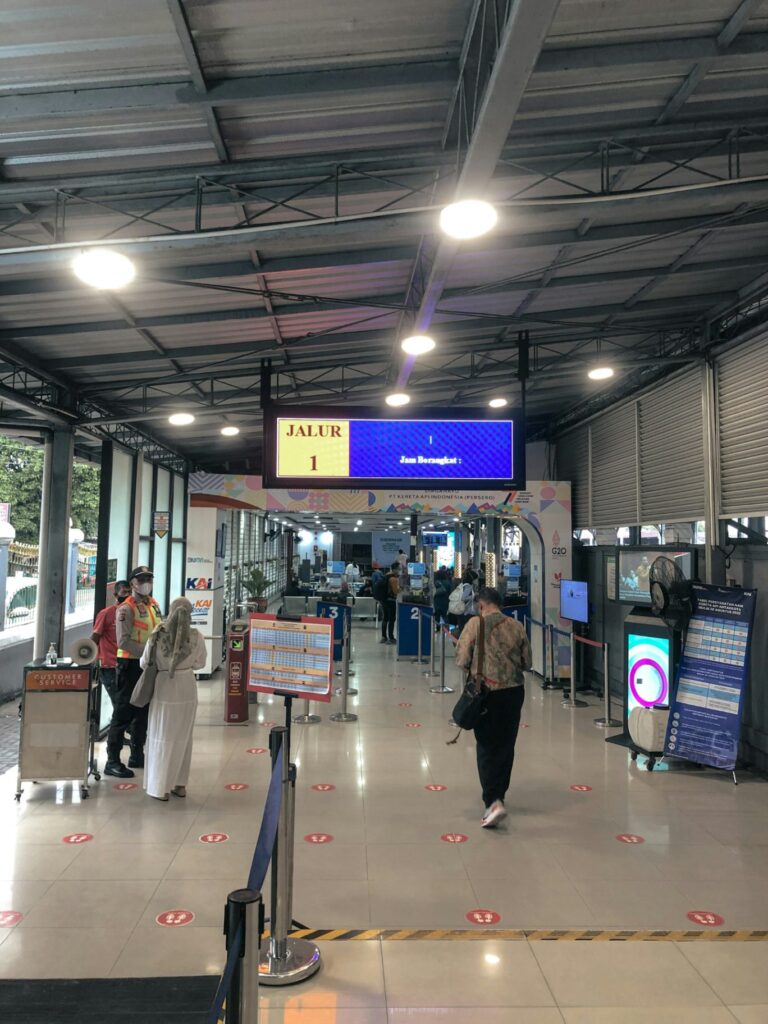
That usually means easier airport transfers, fewer baggage fees, simpler train journeys, and less time managing luggage. Keeping your belongings in the cabin also reduces your dependence on checked-baggage systems during connections.
The biggest shift is learning to ask, “Will I use this enough to carry it throughout the trip?” That mindset is the foundation of minimalist travel packing.
The Real Benefits of Traveling Lighter
Mobility is the biggest advantage. You can leave the airport without waiting at baggage claim, move through train stations more easily, walk to accommodation when practical, and change hotels without hauling a large suitcase.
Carry-on travel can also reduce checked-bag fees, especially when several flights are involved. A smaller wardrobe and organized toiletries make daily routines easier as well.
Most importantly, fewer belongings give you flexibility. Your luggage stops determining whether you can take the stairs, catch an earlier train, or walk across town.
1. A Lightweight, Airline-Friendly Carry-On Bag
Your bag is the foundation of the entire system. A heavy suitcase uses part of your weight allowance before you pack anything, while an uncomfortable backpack can make transfers miserable.
Wheeled carry-ons work well in airports and cities with smooth surfaces. Travel backpacks are useful for stairs, public transportation, uneven streets, and frequent accommodation changes.
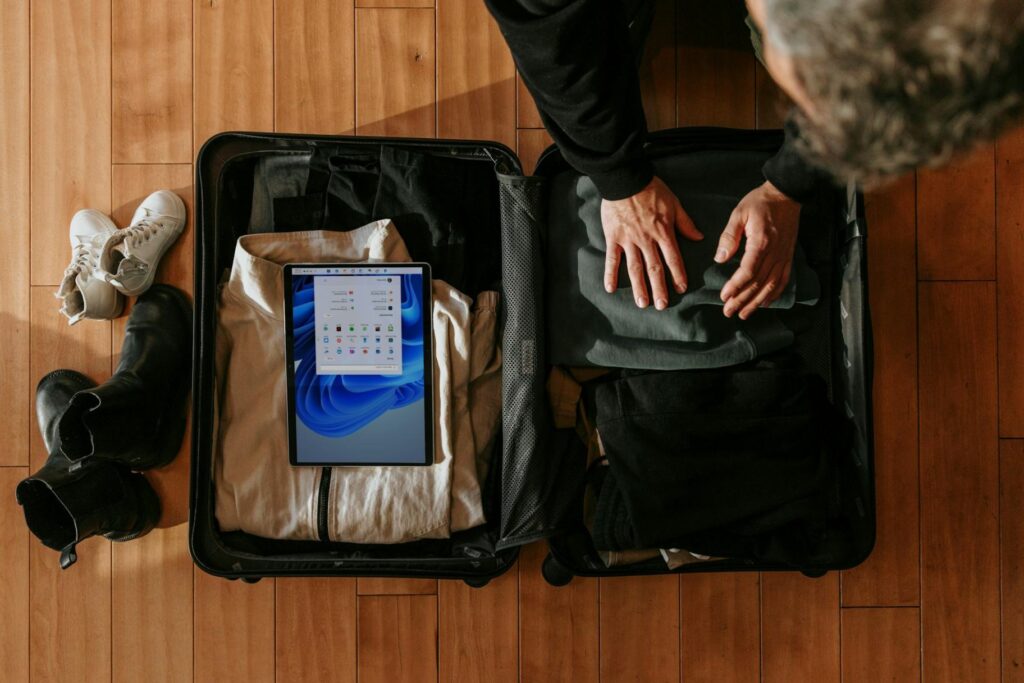
Whichever style you choose, prioritize low empty weight, durable construction, and easy access. A clamshell opening, compression straps, secure laptop sleeve, sturdy handles, and reliable zippers are usually more valuable than decorative features.
Choose a bag based on your actual needs rather than the maximum size you think an airline will allow.
Choosing the Right Size, Shape, and Features
There is no universal carry-on size or weight standard. Check the policies of the airlines on your itinerary, particularly when flying low-cost carriers.
If you regularly use different airlines, a slightly smaller bag may provide more flexibility than one built around a single carrier's maximum allowance.
Rectangular designs tend to use space efficiently. Backpack travelers should look for comfortable shoulder straps and a supportive back panel. For wheeled luggage, prioritize strong wheels and a reliable telescoping handle.
2. Packing Cubes for Smarter Organization
Packing cubes keep clothing grouped and make it easier to unpack only what you need. A simple system might include one cube for tops, another for bottoms and underwear, and a smaller pouch for socks or sleepwear.
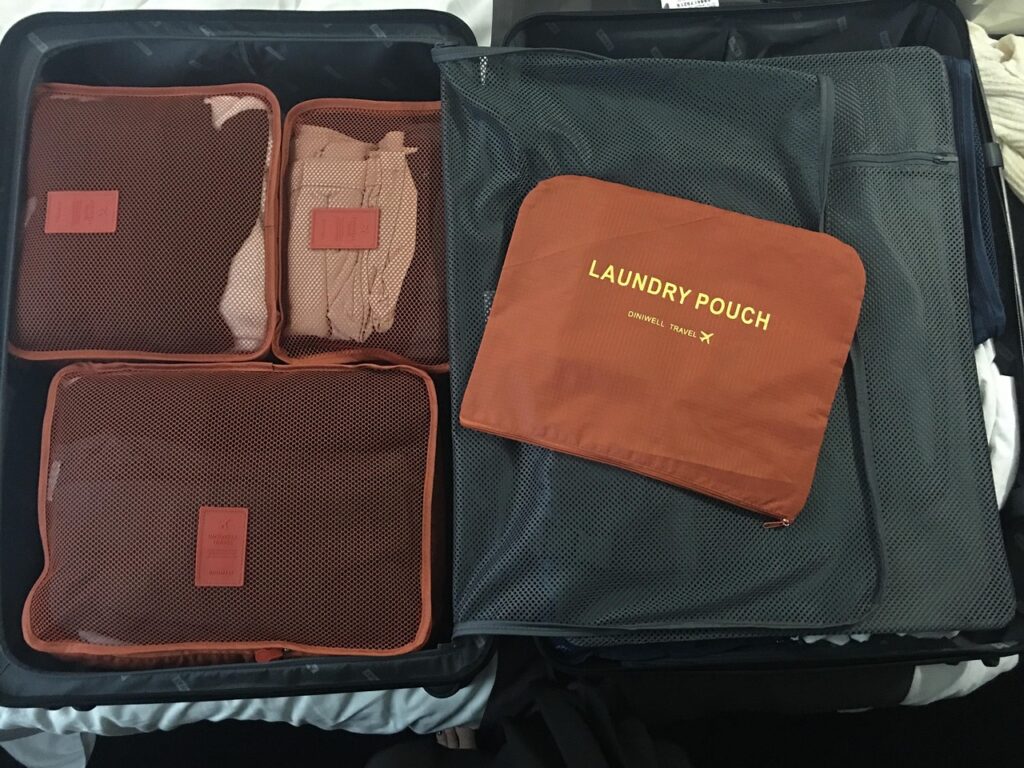
Compression cubes can reduce the volume of bulky clothing, but they do not reduce weight. Creating extra space is useful only if you resist filling it with more unnecessary items.
Packing cubes are especially helpful on multi-stop trips because you can remove individual categories without unpacking the entire suitcase.
Two or three lightweight cubes are usually enough. Their job is to organize your bag, not fill it with another collection of travel accessories.
How to Use Packing Cubes Without Overpacking
Choose your clothing before filling the cubes. Lay out potential outfits and remove pieces that work with only one combination unless they are necessary for a specific activity.
Rolling works well for soft garments such as T-shirts and underwear, while folding may suit structured or wrinkle-prone clothing better.
Do not overstuff each cube. Leaving some flexibility makes them easier to arrange around toiletries, shoes, and electronics.
A small arrival cube containing sleepwear, underwear, and your next outfit can also save you from unpacking everything after a long journey.
3. A Versatile Travel Capsule Wardrobe
Clothing takes up a large share of carry-on space, so a travel capsule wardrobe can dramatically reduce luggage volume.
Choose pieces that combine easily instead of packing separate outfits. Neutral colors such as black, navy, gray, beige, olive, white, and denim make mixing easier, while lightweight accessories can add variety.
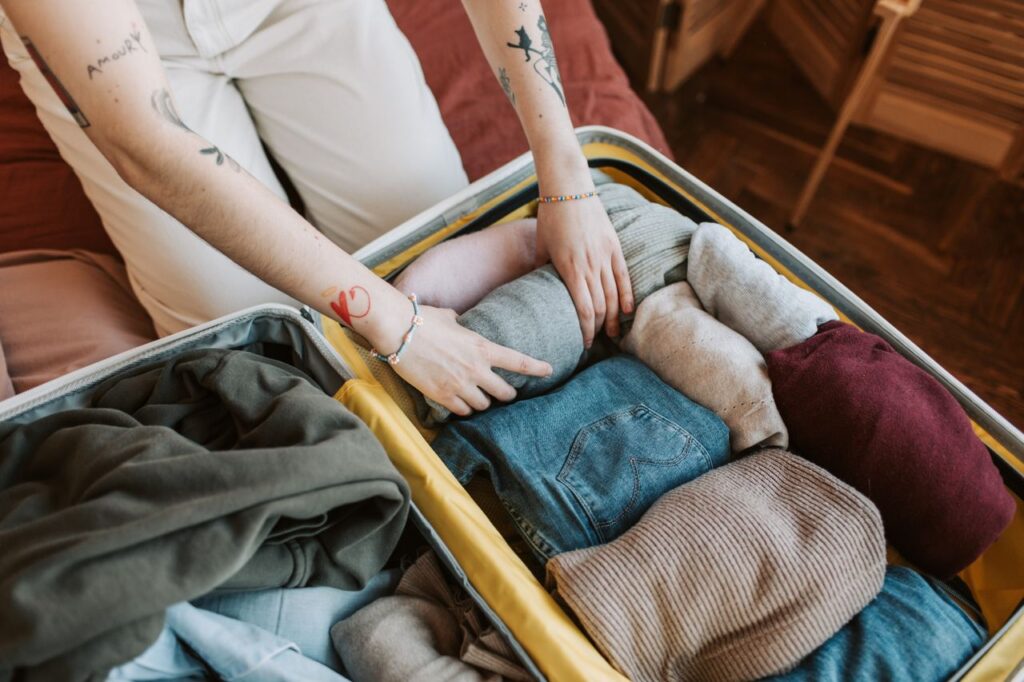
Fabric matters too. Quick-drying, breathable, wrinkle-resistant clothing is particularly useful for longer trips. Merino wool and lightweight synthetic blends are popular because they can handle repeated wear and dry faster than many heavier fabrics.
A practical wardrobe might include several tops, two or three bottoms, underwear, sleepwear, one warm layer, and any genuinely necessary itinerary-specific clothing.
Pack for what you have actually planned rather than every hypothetical situation.
Choosing Clothes That Mix, Match, and Layer
Layering allows a small wardrobe to handle changing temperatures. A base layer, everyday top, sweater, and lightweight outer shell can be worn separately or together.
Ideally, each top should work with each bottom. If one garment requires its own shoes, accessories, and supporting pieces, it consumes more packing space than it appears to.
Wear your heaviest clothing during transit when practical. A lightweight waterproof shell or packable insulated jacket can add warmth without taking over the suitcase.
Small accessories such as a scarf, belt, or jewelry can vary repeated outfits with almost no additional bulk.
4. Compact Toiletries and a TSA-Friendly Liquids Kit
Full-size toiletries consume unnecessary space and weight. Decant the products you actually need into smaller containers or choose travel-size versions where practical.
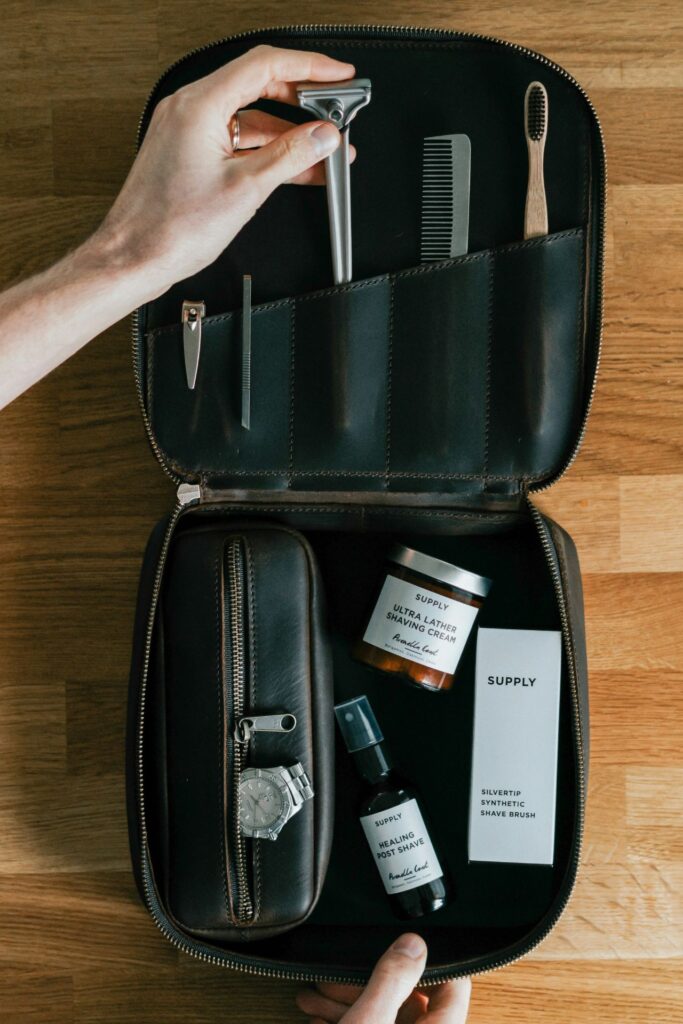
Solid shampoo, soap, deodorant, and cleansing products can reduce the number of liquids you need to carry.
Liquid-security requirements can vary by airport, country, and screening system, so check the current rules for your specific journey instead of assuming every airport follows the same procedure.
Also consider what your accommodation provides. Hotel shampoo, soap, conditioner, and hair dryers can eliminate several items from your bag.
For longer trips, buying basic toiletries after arrival may be more practical than carrying several weeks' supply. Essential medications and specialized products that are difficult to replace should remain with you.
5. A Small but Powerful Tech Organizer
Cables, chargers, adapters, earbuds, batteries, and small electronics can quickly create clutter. A compact travel tech organizer keeps them in one predictable place.
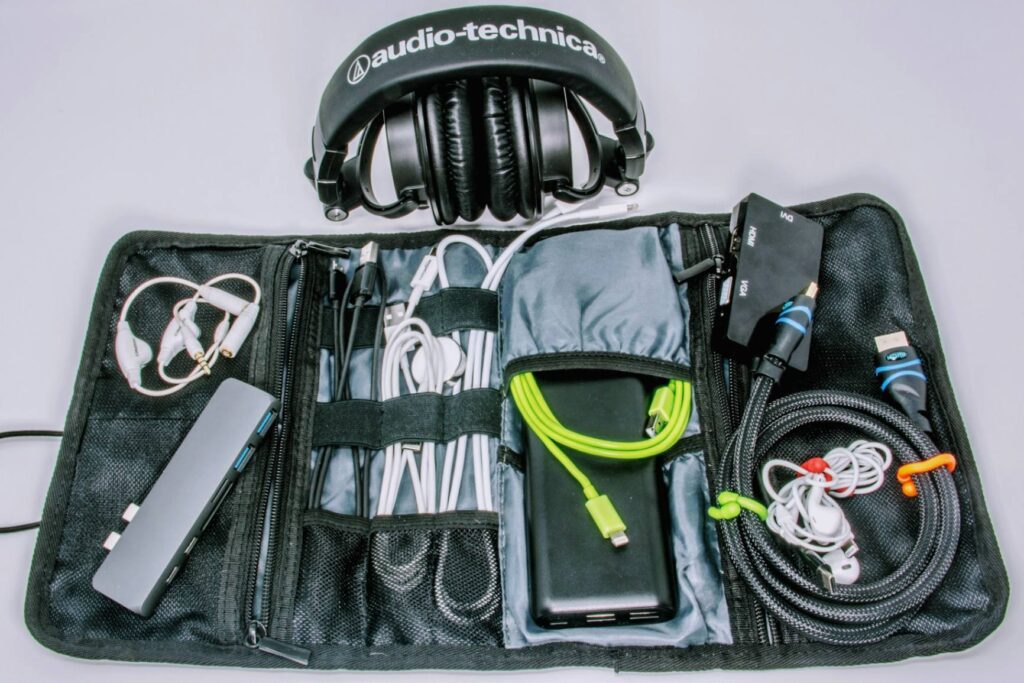
Bring only the cables you genuinely need. If your devices support USB-C, one capable multi-port charger may replace several separate charging bricks.
International travelers may also need a plug adapter. Remember that a plug adapter does not necessarily convert voltage, so check the specifications of appliances before using them abroad.
A power bank is particularly useful when your phone functions as your boarding pass, map, camera, translator, payment method, and communication device. Check applicable airline rules for lithium batteries and power banks before flying.
For international trips, keeping mobile data available can be just as useful as keeping your phone charged. If your device supports eSIM, you can set up an Airalo eSIM before departure so maps, messaging, and booking information are easier to access after arrival.
The best tech setup is the smallest one that reliably supports the devices you actually use.
6. Comfortable, Multipurpose Travel Shoes
Shoes are heavy, bulky, and difficult to compress, making them one of the easiest categories to overpack.
For many trips, two pairs are enough: one versatile everyday pair and one alternative suited to your itinerary. Your main shoes should handle long walking days while remaining suitable for most casual settings.
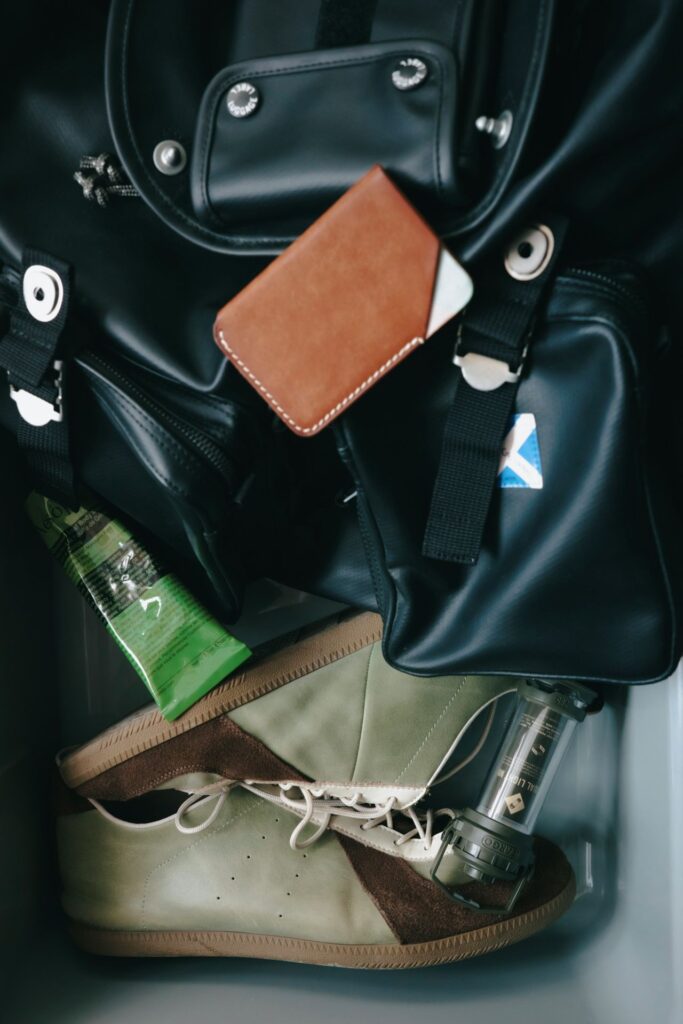
Wear the bulkiest pair during transit and pack the lighter pair. Socks or other small items can fill empty space inside packed shoes.
Choose footwear based on real activities. Hiking, formal events, or beach trips may require something specialized, but avoid packing shoes for plans that exist only as possibilities.
Most importantly, break in your travel shoes before departure. Footwear that feels comfortable for a few minutes at home may become painful after a full sightseeing day.
7. A Reusable Water Bottle
A reusable water bottle is one of the simplest items on this list, but you may use it every day.
An empty bottle can generally pass through airport security and be filled afterward where safe drinking water is available, subject to local airport rules.
For carry-on travel, balance capacity against weight. Large insulated bottles are useful but bulky, while lightweight or collapsible designs occupy less space.
Research drinking-water safety at your destination before refilling from unfamiliar sources.
Above all, choose a bottle with a reliable leakproof lid. Water and passports, laptops, or chargers make a poor combination.
8. A Compact Travel Laundry Kit
Laundry makes longer carry-on only trips possible without packing clothing for every day.
A minimal kit can include detergent sheets or a small amount of detergent, a sink stopper if required, and a lightweight travel clothesline. That is enough for washing socks, underwear, and quick-drying clothing between larger laundry loads.
For longer trips, accommodation with a washing machine or a nearby laundromat can substantially reduce how much clothing you need to pack.
Quick-drying fabrics are especially valuable because lightweight garments may dry overnight while thick cotton clothing can remain damp much longer.
A packing cube or lightweight bag can double as dirty-laundry storage, avoiding the need for another specialized organizer.
Once you are comfortable washing and repeating clothing, trip length no longer needs to determine suitcase size.
9. Essential Travel Documents and a Secure Organizer
Forgetting clothing is inconvenient. Forgetting a passport can stop the trip entirely.
Keep important documents together in a slim organizer that is secure but easy to access when needed. Depending on your destination, that may include your passport, visas, insurance documents, driving credentials, permits, accommodation details, or proof of onward travel.

Store secure digital copies of critical documents somewhere you can access if originals are lost or stolen. Keeping essential contact information available offline also provides useful redundancy.
Carry at least two payment methods when possible and avoid storing every card in the same place.
A travel document organizer occupies very little room but protects some of the hardest items to replace while abroad.
10. A Packable Personal Item or Day Bag
Once you arrive, you probably will not want to carry your main luggage while sightseeing. A lightweight day bag that packs flat gives you a practical option without consuming much suitcase space.
A small backpack works well for water, cameras, snacks, and extra layers. A crossbody bag provides easier access to a phone, wallet, or transit card. Lightweight totes are useful for short outings but may become uncomfortable with heavier loads.
In crowded places, zippered compartments and secure internal pockets can reduce easy access to valuables, although awareness remains more important than specialized anti-theft features.
Your day bag may also serve as your airline personal item if it fits the carrier's limits, giving you quick access to documents, medication, headphones, and other in-flight essentials.
The best choice is small, lightweight, and useful in several situations.
Common Carry-On Packing Mistakes to Avoid
The most common mistake is packing for unlikely scenarios. Extra outfits, duplicate shoes, bulky backup items, and unnecessary electronics quickly consume limited space.
Prepare for probable situations instead. Most destinations have shops if an unexpected need arises.
Avoid filling every centimeter before departure. Some empty space makes daily repacking easier and leaves room for purchases.
Check the baggage rules attached to your actual ticket rather than relying on previous flights. Dimensions, weight limits, personal-item allowances, and liquids rules can vary.
Too many organizers can also become counterproductive. Every pouch or case should solve a specific problem.
Most importantly, do not confuse packing light with leaving important items behind. Essential medication, documents, suitable clothing, and necessary accessibility or health items should never be sacrificed simply to reduce luggage weight.
Conclusion: Pack Less and Experience More
A successful carry-on packing system is not about owning the fewest things. It is about carrying the right things.
Choose a lightweight bag, organize it simply, build an interchangeable wardrobe, minimize toiletries, consolidate electronics, limit shoes, and plan for laundry on longer trips. Keep essential documents secure and bring a lightweight day bag for exploring.
After each trip, notice what you never used and what you repeatedly reached for. Your personal packing system will become more efficient with experience.
Eventually, the question changes from “How much can I fit?” to “How little do I need to travel comfortably?” That is when carry-on only travel becomes genuinely freeing.
Find Cheaper Flights for Your Vacation
Carry-on only travel can also make it easier to compare fares where checked baggage costs extra. You can compare flight options with Aviasales and review the baggage conditions attached to each fare before booking.
FAQs About Carry-On Only Travel
1. Can you really travel for two weeks with only a carry-on?
Yes. Pack enough clothing to cover the time between washes rather than bringing a separate outfit for every day. Interchangeable pieces, layers, quick-drying fabrics, and access to laundry can make the same basic wardrobe work for one week or several.
2. How many outfits should I pack for a carry-on only trip?
Think in pieces rather than complete outfits. Several compatible tops with two or three bottoms can create many combinations. Add underwear, sleepwear, a warm layer, and any clothing required for specific planned activities.
3. Is rolling or folding clothes better for carry-on luggage?
Both work. Rolling is convenient for soft garments such as T-shirts and underwear, while folding can be better for structured or wrinkle-prone clothes. Packing fewer items usually saves more space than choosing one folding method over another.
4. What should I leave out when packing carry-on only?
Start with duplicate clothing, excessive shoes, bulky “just in case” items, full-size toiletries, and unnecessary electronics. Do not eliminate essential medication, required documents, or genuinely necessary health and accessibility items.
5. What is the most important carry-on packing tip?
Make every item earn its space. Ask whether you will realistically use it and whether something already in your bag performs the same function. Multipurpose clothing and gear are usually more valuable than specialized items you may use once.